Global Launch Day Arrives as iPhone 18 Pro and Pro Max Reach Early Consumers Amid Surging International Demand

The global smartphone market has reached its peak seasonal milestone as Apple Inc. officially commences deliveries for its highly anticipated iPhone 18 Pro and iPhone 18 Pro Max lineups. Consumers who successfully secured early pre-orders are receiving their devices, marking the culmination of weeks of speculation, supply chain tracking, and consumer anticipation. However, the path to obtaining Apple’s flagship hardware this year has proven exceptionally competitive, highlighted by extended shipping delays for late applicants and a thriving early-market resale ecosystem.
Surge in Global Pre-Orders and Regional Disparities
Market analysts report a notable escalation in initial consumer demand compared to previous generations, though the intensity of this demand varies significantly by geographic region. Industry data and supply chain indicators suggest that pre-order volumes in key Asian markets, notably mainland China, have expanded substantially—registering a notable surge of approximately 65% year-over-year. Conversely, the North American market has demonstrated a more stable trajectory, with initial ordering volumes aligning closely with historical baselines established by the iPhone 17 series, as measured by prevailing delivery wait times.

Within the domestic market, early analytics indicate that initial order allocations were met with unprecedented velocity. Consumers who completed their transactions within the opening minutes of the pre-order window secured launch-day delivery slots. Meanwhile, buyers who completed their purchases even a short time later face extended wait times stretching into late October, reflecting constrained initial inventory allocations relative to aggregate demand. This supply-demand imbalance has inevitably fostered a secondary market on social media and peer-to-peer platforms, where successful early buyers are offering immediate delivery slots at considerable premiums over official retail pricing.
Chronology of the Release Cycle
The rollout of the iPhone 18 series follows a carefully calibrated timeline established by Apple over the past month:
- Initial Announcement and Keynote: Apple unveiled the iPhone 18 lineup during its annual autumn hardware event, detailing architectural upgrades, thermal management improvements, and computational photography enhancements.
- Pre-Order Commencement: The digital storefronts opened for pre-orders on the Friday following the announcement, triggering immediate heavy traffic and subsequent server congestion across major carrier and retail platforms.
- Review Embargo Lift: Major technology publications and independent reviewers—who had been provided evaluation units approximately one week prior—simultaneously published comprehensive benchmarks and long-term usage impressions.
- Official Launch Day: Deliveries arrive at the doorsteps of early consumers, accompanied by the opening of physical Apple Store locations worldwide to service pickup appointments.
Early Review Consensus and Technical Evaluations
Technical assessments from prominent global technology outlets paint a consistent picture of the iPhone 18 Pro and Pro Max hardware. Reviewers have highlighted three primary vectors of improvement: thermal performance, battery endurance, and camera system ergonomics.
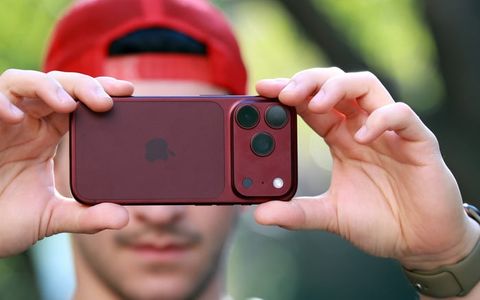
According to consolidated reviews from the United States, Europe, and Asia, the transition to advanced thermal dissipation architectures has successfully mitigated the heat dissipation issues reported in previous generations, allowing sustained peak performance during intensive tasks such as 4K video rendering and high-refresh-rate mobile gaming. Additionally, efficiency gains in the internal silicon have yielded measurable improvements in battery longevity, comfortably exceeding the daily utilization benchmarks of the preceding iPhone 17 Pro models.
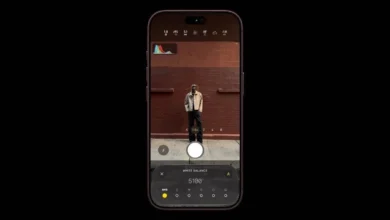
In the realm of imaging, the updated primary camera sensor array has drawn praise for refined low-light performance and enhanced manual control integration within the native camera interface, aligning the device more closely with traditional professional photography workflows.
Strategic Shifts in Apple’s Device Ecosystem
The launch of the iPhone 18 Pro series also underscores broader shifts in consumer preferences and Apple’s portfolio diversification strategy. While the Pro and Pro Max variants continue to capture the highest share of enthusiast interest and revenue, alternative form factors within the broader Apple ecosystem—such as the expanding footprint of lightweight models and strategic tiering—demonstrate the company’s efforts to capture distinct consumer segments. Industry observers note that the widening gap between standard, Pro, and ultra-thin variants allows Apple to maximize market penetration across diverse demographic groups, balancing high-margin technological innovation with accessibility.

Market Implications and Future Outlook
The strong opening weekend for the iPhone 18 Pro series provides a vital health check for the premium smartphone sector. Despite macroeconomic headwinds and cautious consumer spending patterns in select Western economies, the appetite for high-end mobile technology remains robust, driven by the integration of advanced computational capabilities and the natural hardware upgrade cycle.
As launch day concludes, supply chain monitors will closely watch Apple’s capacity to ramp up production to meet the extended backlogs currently stretching into the fourth quarter. The ability of manufacturing partners to shorten delivery windows will dictate whether the initial momentum translates into sustained, record-breaking quarterly financial results for the technology giant in the upcoming fiscal period.
Related posts: