Proposed Ban on Trading Future Housing Contracts Aims to Curb Real Estate Speculation and Protect Homebuyers

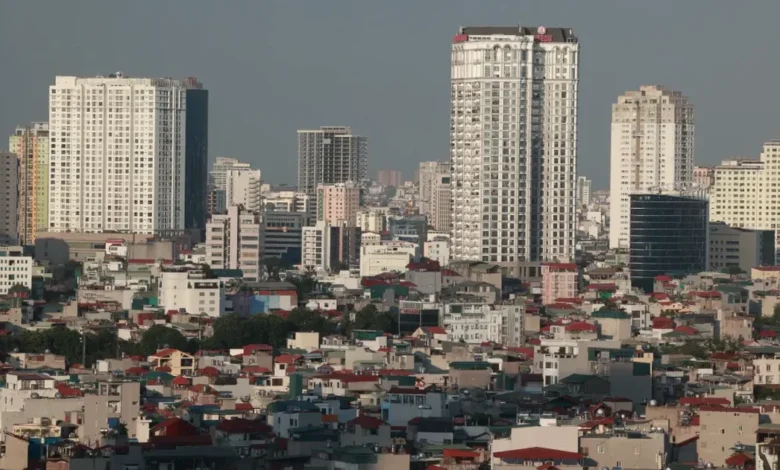
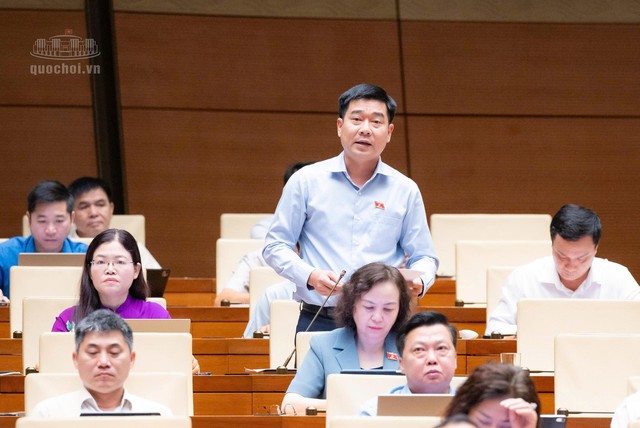
During the second session of the 16th National Assembly, delegates engaged in a high-stakes debate regarding the proposed amendments to the Law on Real Estate Business. A focal point of the discussion was the controversial practice of transferring contracts for the purchase of future housing—a mechanism that critics argue has become a breeding ground for speculative bubbles and financial risk. Representative Le Thanh Hoan of the Thanh Hoa delegation led the charge for a legislative overhaul, suggesting that the current legal framework facilitates "flipping" behaviors that artificially inflate property prices and ultimately alienate genuine homebuyers from the market.
The Mechanism of Speculation and Market Distortion
At the core of the debate is the distinction between a tangible real estate asset and a contractual right. Currently, Vietnamese law allows for the transfer of purchase agreements for properties that exist only in concept or are in the early stages of construction. Representative Hoan argued that this practice has fundamentally transformed housing from a primary asset for living into a financial instrument for short-term gains.
In this context, the subject of the transaction is not the physical dwelling, but rather the contractual position itself. Because the structure has not yet been completed, inspected, or handed over, the buyer is merely purchasing the rights and obligations associated with the contract. This allows investors to enter the market with a minimal down payment, holding the contract just long enough to "flip" it to a secondary or tertiary buyer as market prices rise.
Market analysts observe that this process creates a "cascading effect" where each subsequent transfer adds a layer of intermediary fees, commissions, and profit margins. By the time the property is actually completed and handed over, the original price may have been inflated by 50% to 100% compared to the initial valuation. This phenomenon disproportionately harms end-users—individuals who intend to reside in the property—as they are priced out of the market by speculative demand.
Chronology of Legislative Reform and Policy Evolution
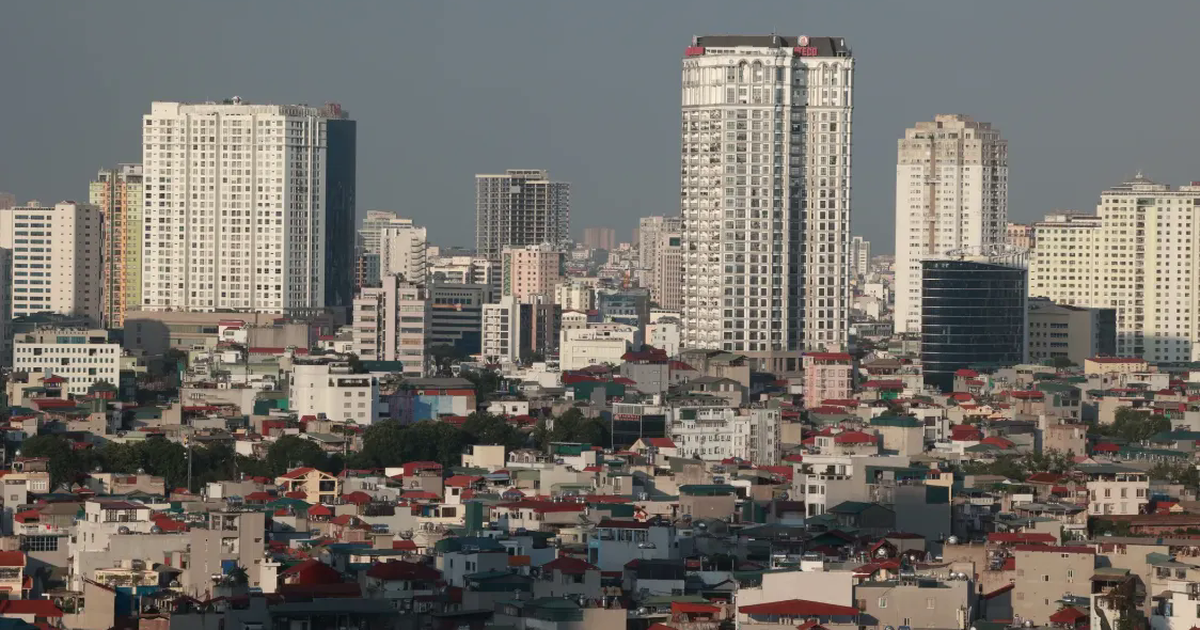
The real estate sector in Vietnam has experienced significant volatility over the past decade, characterized by periods of rapid growth followed by liquidity crises. The debate surrounding the Law on Real Estate Business is part of a broader, multi-year effort by the government to tighten regulatory oversight.
- Pre-2020: The market operated under relatively loose regulations regarding off-plan sales, leading to the rise of speculative investment groups that utilized contract transfers to avoid long-term capital commitment.
- 2020–2022: As global economic conditions shifted, the government began to prioritize legal transparency. The Ministry of Construction signaled a need to move away from the "sale on paper" model toward a model where properties must reach a certain stage of completion before being offered to the public.
- October 2024: During the 16th National Assembly, the discourse moved from theoretical discussion to specific legislative proposals, with delegates like Le Thanh Hoan advocating for a total ban on the transfer of purchase contracts for future housing as a way to "de-financialize" the sector.
Comparative International Perspectives
The struggle against real estate speculation is not unique to Vietnam. Several Asian economies have implemented stringent measures to curb similar practices, providing a blueprint for potential policy shifts.
In China, the regulatory environment has undergone a significant transformation since 2020. Authorities have moved to restrict the resale of apartment units before the project is completed and the buyer has received a property certificate. Major urban centers such as Beijing, Shanghai, and Shenzhen have led the way by mandating that physical construction must be fully completed before sales can commence, effectively neutralizing the market for speculative contract trading.
Similarly, South Korea has enforced strict prohibitions on the transfer of purchase contracts in large urban areas designated as "speculation-controlled zones." In these regions, such bans can remain in effect for three to ten years from the date of the initial contract signing, or until the housing unit is completed, handed over, and the ownership rights have been officially registered. These measures are designed to ensure that the primary beneficiaries of housing supply are actual residents, not speculative investors.
Protecting the Consumer: The Role of Financial Safeguards
Representative Nguyen Ngoc Son, representing the Hai Phong delegation, emphasized that the Law on Real Estate Business serves as a critical bridge between land law and housing law. Beyond curbing speculation, the legislative goal is to protect the capital of individual homebuyers.
The proposed amendments include specific safeguards:
- Deposit Caps: Limiting deposits to no more than 5% of the property value until all business conditions are met.
- Investment Thresholds: Regulating that the total capital collected before handover should not exceed 70% of the contract value.
- Escrow Oversight: Ensuring that funds paid by the buyer are managed through transparent accounts to prevent developers from diverting capital to unrelated projects.
However, Representative Son noted a persistent "imbalance of power" between the buyer and the developer. Even with existing regulations, buyers often struggle to monitor how their funds are being used. He proposed that the law should explicitly define the responsibilities of the developer when they delegate the collection of funds to intermediaries, ensuring that these entities are held to the same legal standards as the project owner.
Broader Economic Implications and Future Outlook
The proposal to restrict the transfer of future housing contracts is not intended to stifle the real estate market, but rather to foster a healthier, more sustainable environment. By stripping away the speculative elements, the government hopes to stabilize prices and ensure that developers remain focused on the actual delivery of projects rather than on capital appreciation through financial engineering.
Critics of the proposed ban argue that it could reduce liquidity in the market, making it harder for investors to exit their positions during economic downturns. However, proponents argue that a market dependent on speculative flipping is inherently unstable and that a correction is necessary to prevent a broader systemic failure.
The Ministry of Construction has expressed support for the general direction of these proposals, focusing on the need for clearer mechanisms to verify the financial health of developers and the physical progress of projects. As the National Assembly continues its deliberations, the consensus appears to be shifting toward a more consumer-centric model.
Conclusion
The legislative debate signifies a maturation of Vietnam’s real estate market. Moving away from a speculative, paper-based trading system toward one grounded in tangible completion and consumer protection is viewed as a vital step toward long-term economic stability. While the transition may present challenges for existing investors, the ultimate objective—ensuring that housing remains an accessible necessity rather than a volatile commodity—remains the top priority for policymakers. The final version of the amended Law on Real Estate Business is expected to provide the definitive legal framework for this shift, likely incorporating both the strict limitations on contract transfers and enhanced monitoring of escrow accounts to safeguard the interests of future homeowners.
Related posts: