The landscape of Russian civil aviation has undergone a profound transformation since the onset of the conflict in Ukraine in early 2022, characterized by a precarious balance between international connectivity and the persistent threat of aerial warfare. As Ukrainian long-range unmanned aerial vehicle (UAV) strikes intensify, targeting critical infrastructure including oil refineries, fuel depots, and now, increasingly, major international airports, the experience of air travel in Russia has become synonymous with unpredictability, anxiety, and operational disruption.
A Pattern of Disruption
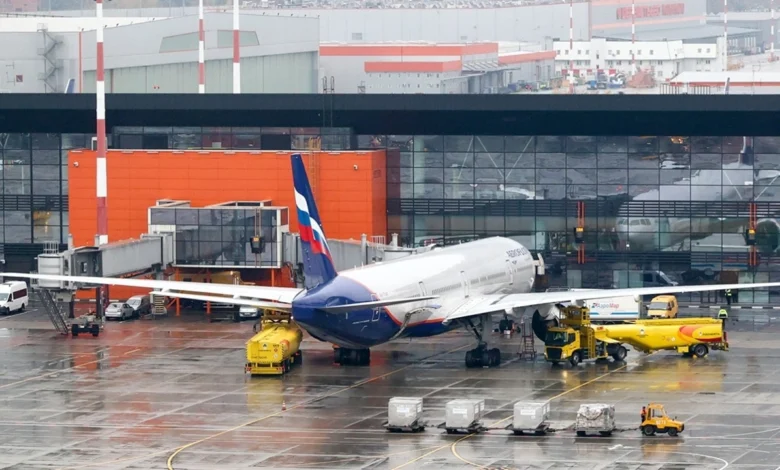
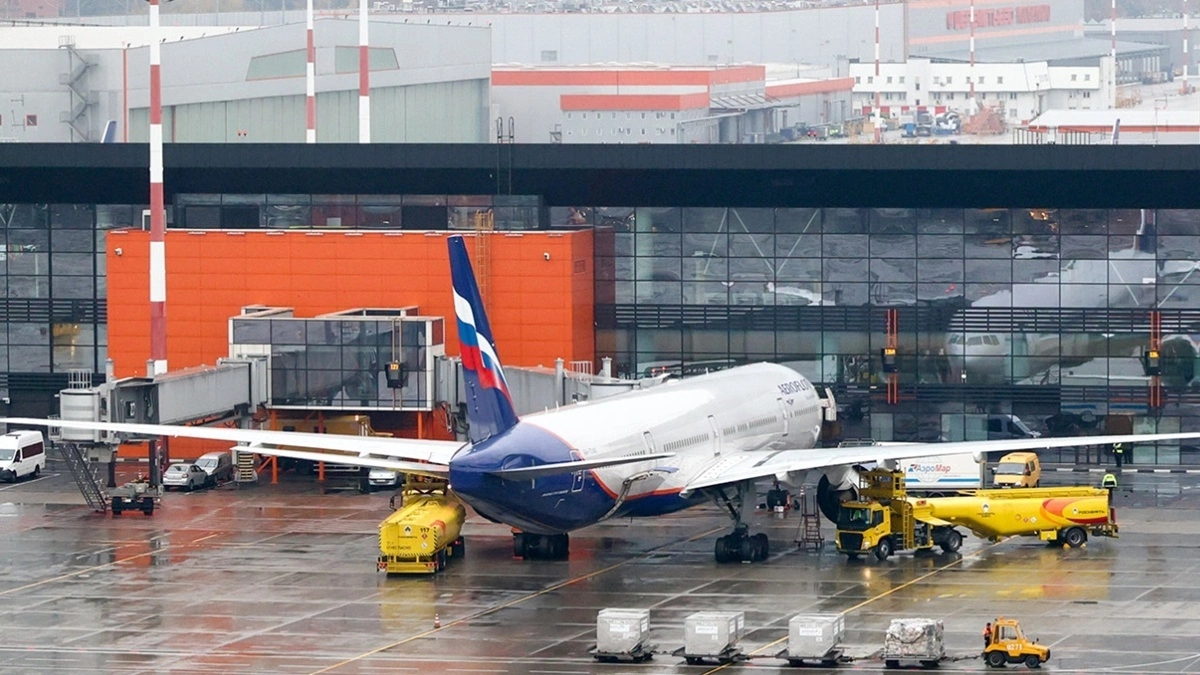
For passengers like Vasiliy, who frequently travels between Belgrade and Moscow, the flight experience has evolved from a routine commute into a gamble. When his Air Serbia flight recently prepared for its final approach to Sheremetyevo International Airport, a sudden announcement from the flight deck confirmed an indefinite delay. The aircraft was forced to enter a holding pattern, circling the Russian capital for an additional thirty minutes, only to learn later that the airport had shuttered operations due to an influx of incoming Ukrainian drones.
This incident is not an outlier but a symptom of a systemic crisis. According to data from the aviation monitoring platform RunAvia, Russian airports experienced 73 separate incidents of airspace closure or flight restrictions between November 16 and November 22 alone—a frequency nearly double that of the same period in the previous year. These "carpet" closures, a protocol triggered by the detection of unauthorized aerial objects, force incoming aircraft to divert, hold, or return to their point of origin, leaving thousands of passengers stranded in limbo.
The Escalation of Aerial Threats
The strategic shift in Ukraine’s use of drone technology has brought the war directly to the runways of Russia’s primary aviation hubs. President Volodymyr Zelensky, in a stern warning issued in September, signaled that the skies over Russia were becoming increasingly perilous for civilian aviation. While Ukraine maintains that it does not target civilian entities, the proximity of military-industrial targets—and the sheer volume of drone traffic—has made the skies an operational minefield.
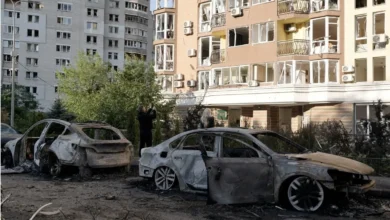
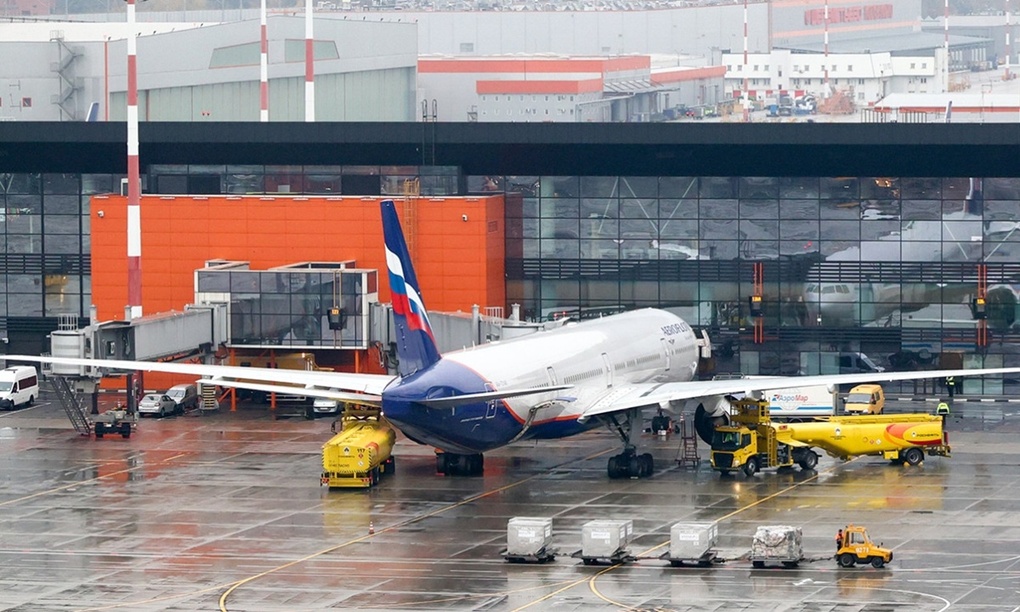
The impact is felt most acutely at the major hubs in Moscow, including Sheremetyevo, Domodedovo, and Vnukovo. On October 23, for instance, a large-scale air raid alert necessitated the complete evacuation of passengers into underground bunkers at Sheremetyevo, the nation’s largest airport. Such events are increasingly common, with debris from intercepted drones causing fires and structural damage at facilities as far-flung as the Sochi International Airport.
Economic Resilience vs. Operational Risk
Despite these existential risks, the Russian aviation market remains surprisingly resilient. Reports from the Russian business newspaper Kommersant indicate that approximately 60 foreign airlines from 37 countries continue to operate routes to Russia. Industry analysts suggest that this continued participation is driven by high profit margins. With Western sanctions effectively closing European and North American airspace to Russian carriers, international routes to "neutral" hubs—such as Istanbul, Dubai, and Belgrade—have become vital economic lifelines.
Petar Vojinovic, an aviation expert, notes that Air Serbia, for example, has successfully leveraged its status as one of the few European carriers maintaining links with Russia. By acting as a strategic transit hub in Belgrade, the airline has captured a significant portion of the demand from Russian travelers looking to bypass Western travel restrictions. For these airlines, the profitability of the route currently outweighs the operational complexities and the heightened insurance premiums associated with flying into a conflict zone.
The Growing Danger of Technological Advancement
Security experts are increasingly concerned about the evolution of the hardware involved. Matthew Borie, an analyst at Osprey Flight Solutions, points to the emergence of more sophisticated delivery systems, such as the FP-5 Flamingo long-range cruise missile. Unlike traditional, slow-moving quadcopter drones, these systems can operate at altitudes of 20,000 feet and speeds approaching 800 km/h.
"The technical capabilities of these systems are evolving," Borie explains. "When you have projectiles that mimic the flight profiles of commercial aircraft, the risk of misidentification—and accidental engagement by air defense systems—rises exponentially."
This fear was realized in December 2024, when an Azerbaijan Airlines flight was reportedly struck by anti-aircraft fire over southern Russia, resulting in a tragic loss of 38 lives. While Russian officials initially denied that a formal no-fly zone protocol was in place, subsequent investigations by Kazakh authorities suggested that the flight crew received no warning of the impending danger. This incident remains a dark case study in the risks of civil-military coordination in a high-intensity combat zone.
The Human Cost and Operational Strain
For the average traveler, the risks extend beyond the flight itself. The logistical strain of rebooking flights, securing alternative transport, and finding accommodation during airport closures is becoming a standard feature of travel. Andrei Patrakov, founder of RunAvia, highlights the physical vulnerability of airport infrastructure during these attacks. "Airport terminals and parked aircraft are known to be vulnerable to shrapnel and blast damage during an attack," he stated.
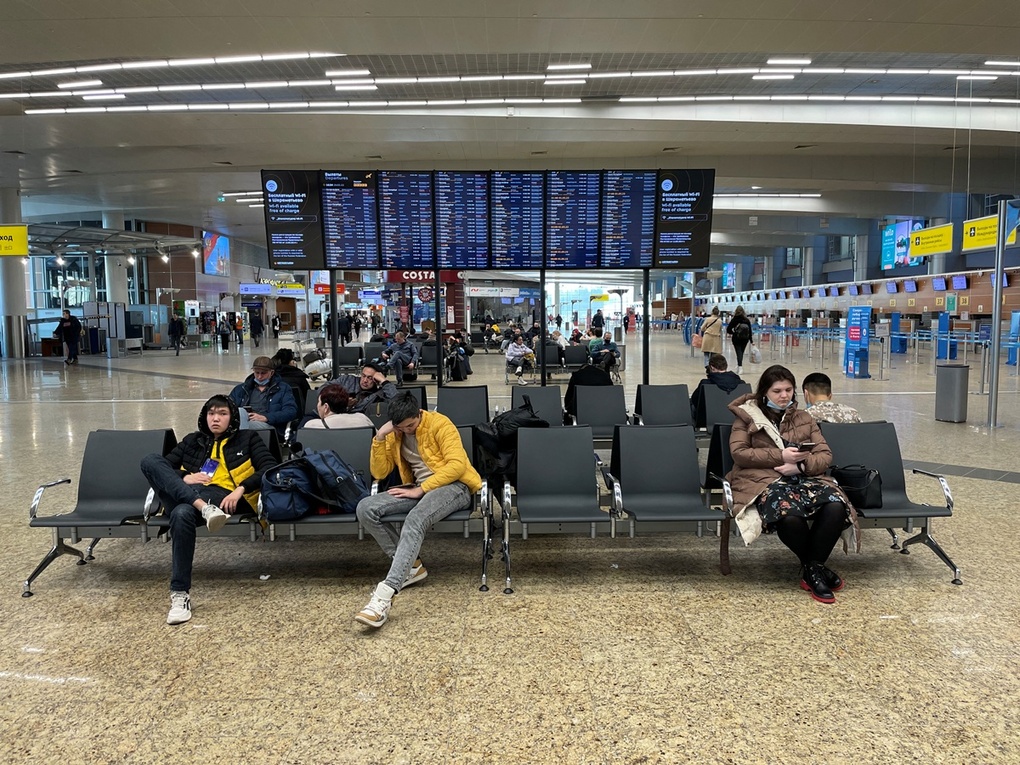
Passengers are increasingly aware of these dangers. In October, a traveler on a route from St. Petersburg to Kaliningrad noted that security checkpoints had been reinforced with horizontal bars, a measure seemingly designed to protect against falling debris in the event of an intercepted strike. This atmosphere of constant vigilance has made the act of buying a ticket a calculated risk for the Russian middle class, who continue to prioritize international travel despite the clear warnings from both domestic authorities and international bodies like the European Union Aviation Safety Agency (EASA).
Implications for the Future
The long-term implications for the Russian aviation industry are bleak. EASA has issued repeated recommendations for airlines to avoid the western regions of Russia at all altitudes until at least January 2027, citing the unpredictability of air defense engagement.
As Ukraine continues to invest in domestic drone production and long-range strike capabilities, the "risk corridor" for commercial aviation is expanding. The paradox of the current situation is that as the risk increases, so does the reliance of the Russian population on these few remaining international links. For the airlines, the math is simple: as long as the demand remains high and the profit margins hold, they will continue to fly. However, for the passengers and the flight crews, the skies over Russia have become a territory where the boundary between civilian commerce and the frontlines of war has effectively vanished.
The aviation sector in Russia now stands at a precarious juncture. It is a system under immense stress, attempting to project normalcy while navigating a reality where the next flight delay could be the result of a military engagement occurring thousands of feet above the clouds. Whether the current level of connectivity can be sustained as the technology of the conflict advances remains the most significant question facing the industry in the coming years.