In a heartwarming display of corporate social responsibility within the industrial manufacturing sector, TANS (Vietnam) Co., Ltd. has taken proactive steps to integrate a specialized group of workers into its workforce. Following the sudden dissolution of ECCO Vietnam, which left hundreds of employees in a state of uncertainty, TANS has initiated a comprehensive structural and communication adjustment plan to welcome workers with hearing impairments into their factory operations.
The Context of the ECCO Vietnam Dissolution
The labor market in the Binh Duong province faced a significant disruption on November 2, when ECCO Vietnam announced the immediate cessation of its manufacturing operations. This development impacted over 1,600 employees, many of whom had served the company for years. Among those most affected were approximately 40 workers with hearing impairments—a demographic often considered vulnerable in the traditional job market due to perceived communication barriers and the need for specialized workplace accommodations.
For workers like 25-year-old Minh Thanh, who had spent nearly three years at ECCO, the news of the closure brought immediate anxiety regarding his financial stability and the difficulty of finding a new, inclusive work environment. The closure of such a major facility not only creates an immediate surplus of labor but also puts pressure on local authorities and surrounding businesses to facilitate a smooth transition for these displaced workers.
TANS (Vietnam) Steps In: A Commitment to Inclusion
TANS (Vietnam), a member of the Thailand-based Trax Group specializing in the manufacturing of high-quality sportswear for international brands, operates a large facility in the Bau Bang Industrial Park. Recognizing the plight of the displaced ECCO workers, the TANS recruitment department acted swiftly to bridge the gap.
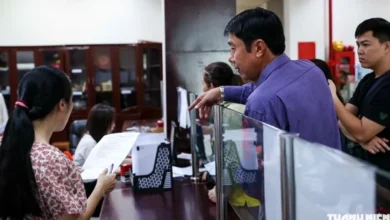
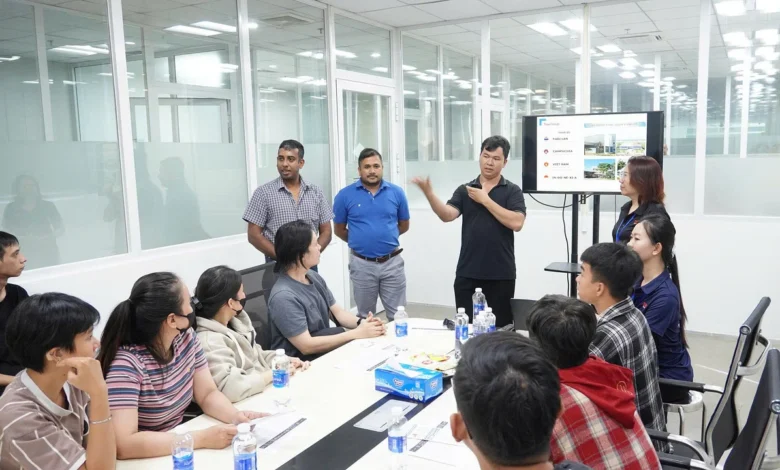
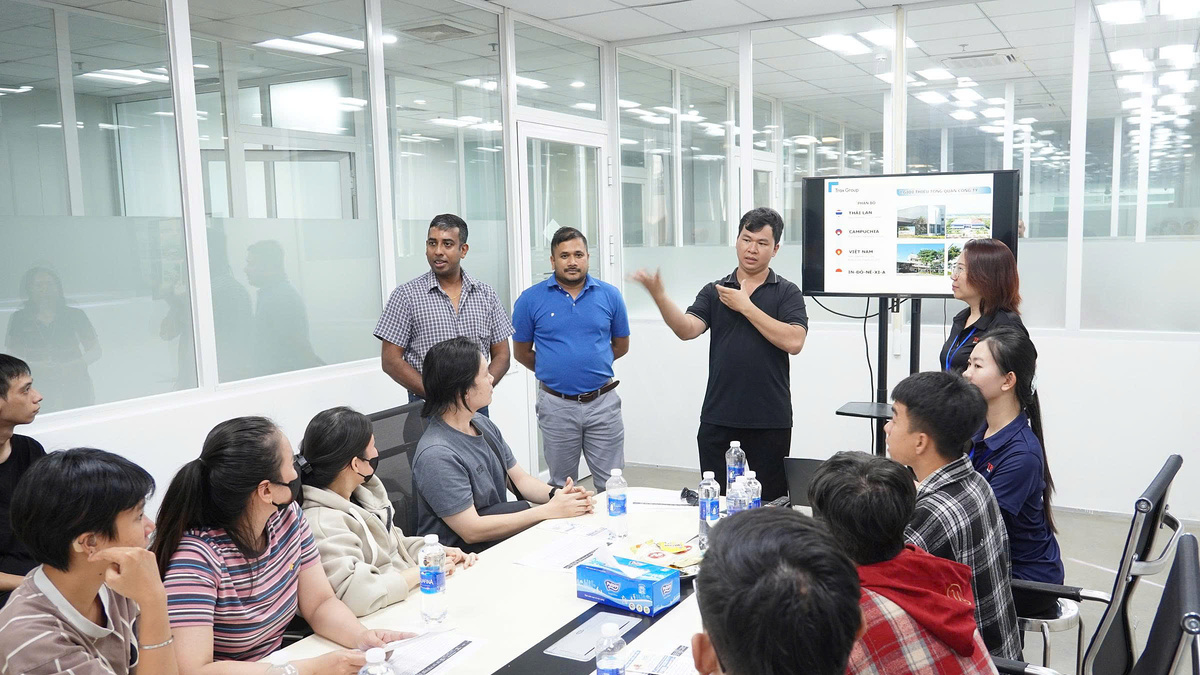
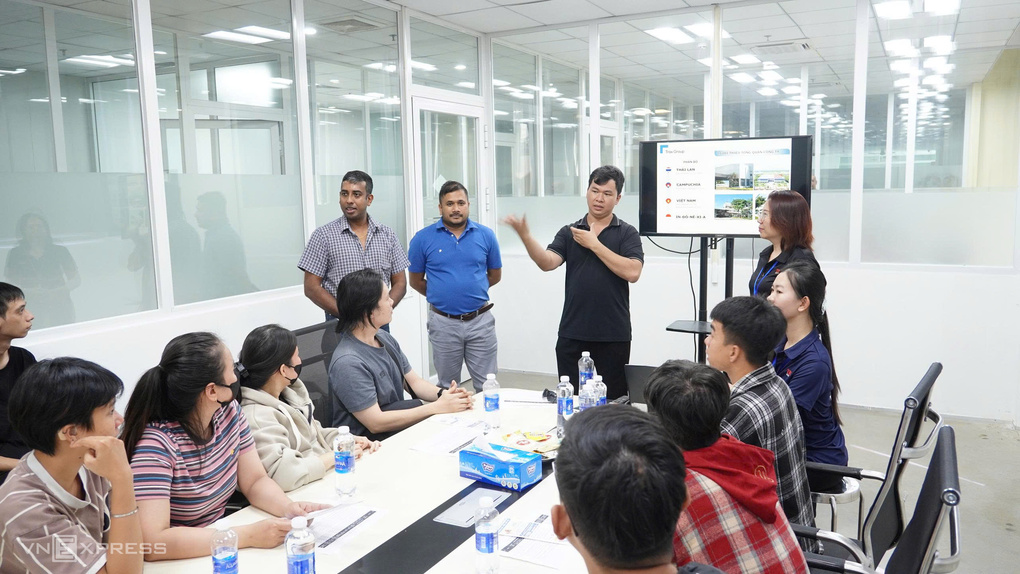
On November 9, TANS organized a facility tour and an informational session for the displaced workers. The meeting was designed not just as a job interview, but as a transparent overview of the factory’s operational processes, wage structures, and social welfare benefits. Nathwadee, Deputy General Director of TANS, noted that while the company has a robust recruitment strategy, this was the first time they had actively sought to integrate employees with hearing impairments into their production lines.
Structural Adjustments and Safety Protocols
The commitment from TANS goes beyond mere hiring; it involves a fundamental shift in how the factory floor is managed. Following the initial meeting, TANS leadership mandated a comprehensive review of safety and communication protocols.
To facilitate effective integration, the company is implementing several key changes:
- Visual Communication Systems: The plant is installing specialized warning lights in restrooms, parking areas, cafeterias, and throughout the production zones. These visual cues are essential for workers with hearing impairments to identify emergency situations or shift changes without relying on auditory signals.
- Sign Language Support: The management is currently evaluating the deployment of professional sign language interpreters on the factory floor to ensure that training and daily management interactions are seamless.
- Instructional Methodology: For day-to-day operations, the company will utilize written, visual, and tactile instruction methods. Supervisors are being trained to provide direct guidance at the workstations, minimizing the need for complex verbal communication.
These initiatives are consistent with recommendations from "Better Work," a partnership between the International Labour Organization (ILO) and the International Finance Corporation (IFC) that aims to improve labor standards in the garment industry.
Job Matching and Workforce Integration
TANS plans to place the new recruits based on their individual skills, health, and previous experience. The integration strategy is twofold:
- Experienced Personnel: Workers with prior sewing experience will be assigned to roles where they can immediately contribute, potentially as line operators.
- Entry-Level Training: For those with limited technical experience, the company is preparing a structured training program. This will focus on essential tasks such as garment folding or assembly-line duties that are highly visual and can be performed effectively through guided demonstration.
"We are committed to conducting a deeper assessment to understand the specific needs of each individual to ensure that we provide a role that is both sustainable and fulfilling for the worker," said Nathwadee.
Economic Impact and Labor Market Stability
The closure of ECCO has triggered a wider ripple effect in the Binh Duong industrial sector. To mitigate the impact, at least 12 other enterprises have registered a combined demand for over 5,600 workers, primarily in the footwear and garment sectors.
Local authorities are coordinating with companies to host "job connection" events. From November 16 to 19, a major recruitment drive is scheduled near the Bau Bang Industrial Park, where roughly 10 companies will look to hire approximately 400 workers per session. These events are vital, as they provide a platform for workers to directly engage with prospective employers, discuss salary expectations, and clarify the work environment before committing.
For workers like Nguyen Ngoc Huyen, who spent five years at ECCO, the transition is a matter of necessity. "We were surprised by the sudden closure, but the assistance offered by surrounding companies provides a lifeline," Huyen remarked. "My priority is finding a stable income near my current residence to ensure my children can continue their education without interruption."
Analysis: The Future of Inclusive Manufacturing
The move by TANS is not merely a philanthropic gesture; it is an emerging trend in the competitive manufacturing landscape where companies are increasingly valuing diversity as a component of social sustainability. By investing in infrastructure that supports workers with disabilities, TANS is likely to benefit from higher employee retention rates and a more dedicated workforce.
However, challenges remain. The long-term success of this integration will depend on:
- Continuous Training: The need for supervisors to maintain proficiency in inclusive communication.
- Workplace Culture: The ability of the existing, non-disabled workforce to embrace and collaborate effectively with their new colleagues.
- Scalability: Whether these accommodations can be maintained as the company scales production or changes product lines.
The current wage structure at TANS offers a competitive range of 9–12 million VND per month, depending on the role and skill level. With standard benefits including 14 days of annual leave, full social insurance coverage, and participation in the Trade Union, the package is designed to provide security for the new hires.
Conclusion
As the industrial sector in Vietnam continues to mature, the case of TANS and the former ECCO workers serves as a case study for corporate agility and social responsibility. While the closure of a major manufacturing hub is a traumatic event for the local labor force, the proactive response from the community and local businesses demonstrates a robust mechanism for economic recovery. By prioritizing accessibility and communication, TANS is setting a standard that other companies in the region would do well to follow, ensuring that even in times of industrial restructuring, the most vulnerable members of the workforce are not left behind.