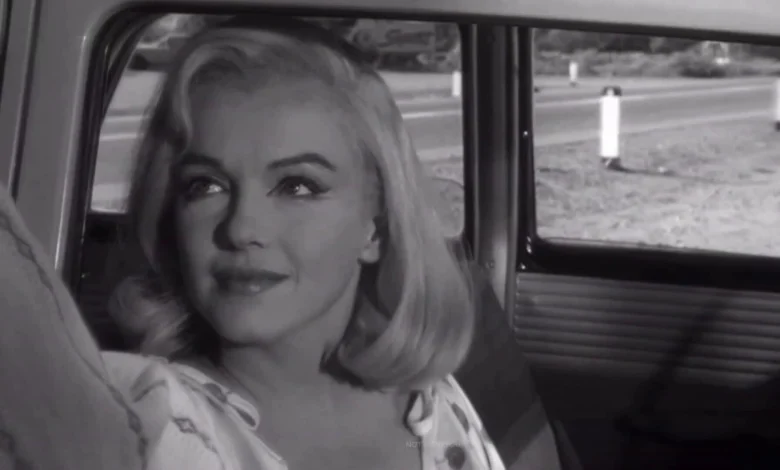
The prestigious entertainment publication Variety recently unveiled its highly anticipated list of the 100 greatest movie stars of all time. Compiled by a veteran team of critics—Owen Gleiberman, Guy Lodge, Daniel D’Addario, Alison Herman, and Aramide Tinubu—the ranking, released on November 19, serves as a definitive look at the performers who have fundamentally shaped the trajectory of global cinema. Among the top ten luminaries are legends ranging from the mid-century icons like Marilyn Monroe to modern-day powerhouses like Tom Cruise, whose enduring influence on the medium remains a subject of intense professional scrutiny and public admiration.

Defining the Criteria for Cinematic Greatness
The selection process for this list moved beyond simple box office tallies or the number of awards accrued. Instead, the editorial team established a multi-faceted framework that evaluated artists based on their innate talent, the depth of their cultural impact, and their specific capacity to forge a profound connection with audiences across generations. According to the publication, a "great" movie star is not merely a proficient actor; rather, they must possess a unique magnetism—a "star power"—that captivates the public imagination and fosters a sense of shared emotional experience.
The methodology prioritized the "iconography" of the performer. It looked at how actors like Charlie Chaplin or Humphrey Bogart built visual languages that became shorthand for specific human archetypes. For modern stars like Tom Cruise, the criteria focused on the fusion of technical precision in stunt work with the ability to anchor massive, high-stakes blockbusters, effectively keeping the theatrical experience relevant in a digital age.

The Chronology of Icons: A Look at the Top 10
The list begins with the unmatched presence of Marilyn Monroe, whose influence extends far beyond her 1950s heyday. The critics noted that her performances in The Seven Year Itch and Some Like It Hot redefined the "blonde bombshell" archetype, layering it with a palpable, often tragic, vulnerability.
Following closely is Humphrey Bogart, the quintessential noir figure. Unlike the polished leading men of his time, Bogart brought a grit and cynical weariness to the screen in classics like Casablanca and The Maltese Falcon. His career serves as a masterclass in the "slow burn" success story, as he did not reach peak stardom until well into his 40s.

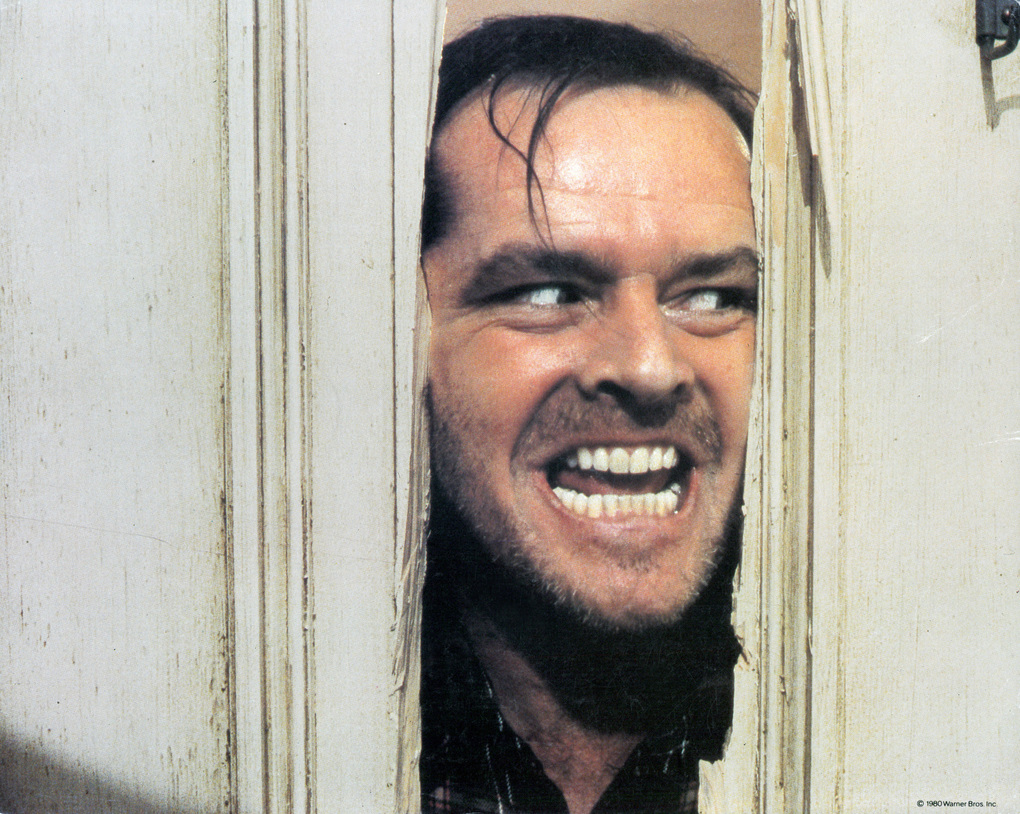
The list also highlights Charlie Chaplin, the architect of silent comedy. Chaplin’s ability to use gesture and physical movement to express complex human struggle remains a foundational element of cinematic literacy. In the mid-20th century, stars like Jack Nicholson, who recently celebrated his 89th birthday, and the incomparable Katharine Hepburn, set the standard for acting range. Nicholson’s work, from One Flew Over the Cuckoo’s Nest to The Shining, highlights the power of the "outsider" archetype, while Hepburn’s record-breaking Oscar wins established her as the gold standard for dramatic versatility.
Breaking Barriers: The Legacy of Sidney Poitier and Marlon Brando
The inclusion of Sidney Poitier and Marlon Brando underscores the list’s focus on cultural evolution. Poitier, the first Black actor to win an Academy Award for Best Actor, fundamentally altered how Hollywood portrayed marginalized groups. By consistently choosing roles that projected dignity and intelligence, he dismantled the prevailing stereotypes of his era.

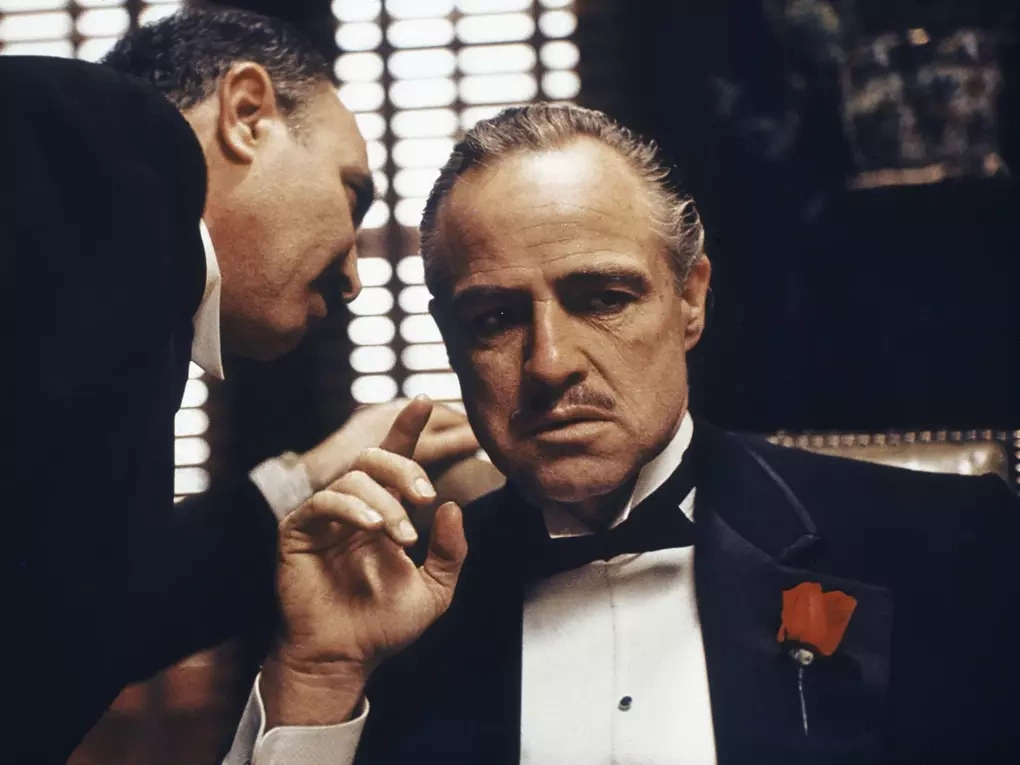
Similarly, Marlon Brando revolutionized the craft of acting through the "Method," bringing an unprecedented level of emotional realism to the screen. His dual Oscar wins for On the Waterfront and The Godfather represent two distinct, yet equally influential, phases of a career that changed the standard for every actor who followed him.
Tom Cruise and the Modern Blockbuster Era
At 64 years old, Tom Cruise stands as a unique entry in the top ten, representing the bridge between the old studio system and the modern global franchise era. His career is characterized by an unwavering commitment to the craft of physical filmmaking. Since his breakthrough in 1983’s Risky Business and his cementing as a superstar in 1986’s Top Gun, Cruise has maintained a level of consistency rarely seen in Hollywood.
The analysis provided by Variety suggests that Cruise’s success is rooted in his ability to collaborate with auteurs—such as Martin Scorsese, Stanley Kubrick, and Paul Thomas Anderson—while simultaneously dominating the action genre. His performances in Rain Man and Jerry Maguire serve as a reminder that his ability to handle deep psychological character work is as formidable as his aptitude for performing high-stakes stunts in the Mission: Impossible franchise.
Global Perspectives: Toshiro Mifune and Barbra Streisand
The inclusion of Japanese actor Toshiro Mifune brings a necessary international perspective to the ranking. His collaboration with director Akira Kurosawa, particularly in Seven Samurai, showcased a range of motion and eye-work that transcended language barriers. Mifune remains a symbol of the raw, masculine energy that defined Japanese cinema in the 20th century.

Rounding out the top tier is Barbra Streisand, who transitioned from Broadway stardom to cinematic icon with Funny Girl (1968). Her career is a testament to the "triple threat" model, proving that a star’s power can be amplified by their ability to control their narrative across singing, acting, and directing.
Analysis of Implications: The Future of Stardom
The release of this list has sparked significant discourse regarding the nature of fame in the current media landscape. In an era dominated by social media and algorithmic content, the traditional "movie star" is becoming an increasingly rare phenomenon. The Variety list serves as a historical benchmark, reminding both industry professionals and casual moviegoers of the specific qualities—such as screen presence, longevity, and artistic courage—that turn a performer into an icon.

Critics have noted that the absence of more contemporary "Internet-era" stars in the top ten reflects a deliberate choice to prioritize long-term impact over current popularity. By focusing on those who have defined decades, the list underscores a sobering reality: the infrastructure of celebrity is shifting. As the industry moves toward streaming and decentralized content, the ability of a single human face to command global attention—the very essence of what defined the careers of Bogart, Monroe, and Cruise—may soon become a relic of the past.
Official Context and Reception
The publication of this list was met with broad interest from film scholars and historians. While every ranking is inherently subjective, the inclusion of actors like Poitier and Mifune indicates an effort to acknowledge that the history of cinema is global and collaborative. Statements from the editorial team suggest that the goal was not to crown a "best" actor in a technical sense, but to identify those whose work remains etched in the public consciousness.
For stakeholders in the film industry, the list serves as a reminder of the enduring value of human-centric storytelling. Even as AI-generated performances and digital effects become more sophisticated, the "star power" described by Variety highlights an irreplaceable component of the cinematic experience: the audience’s desire to see their own humanity reflected in the face of a performer.
Conclusion
The Variety list of the 100 greatest stars is more than a ranking; it is a map of the cultural landscape of the last century. From the physical comedy of Charlie Chaplin to the death-defying stunt work of Tom Cruise, these individuals have shaped not just films, but the collective memory of society. As cinema continues to evolve, these ten names remain the pillars upon which the industry rests, serving as the benchmark for anyone aspiring to the rare and fleeting status of a true movie star.