The ongoing diplomatic maneuvering surrounding the nearly five-year-old conflict in Ukraine has reached a critical juncture, as intermediaries from the United States attempt to bridge the vast divide between Kyiv and Moscow. Recent reports indicate that a proposal involving the potential surrender of the Donbass region in exchange for a fast-track NATO membership for Ukraine has been floated during shuttle diplomacy efforts. However, the complexity of the security guarantees required, coupled with the deeply entrenched positions of both belligerents, suggests that such a compromise remains fraught with significant obstacles.
Shuttle Diplomacy and the UAE Negotiations
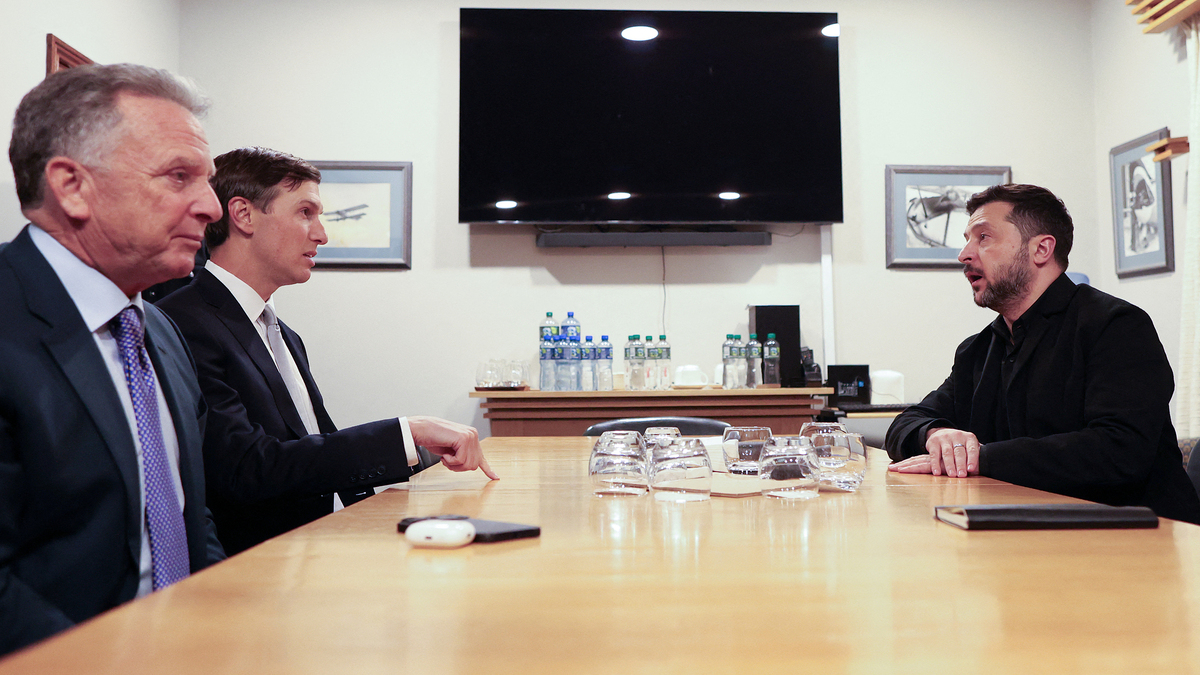
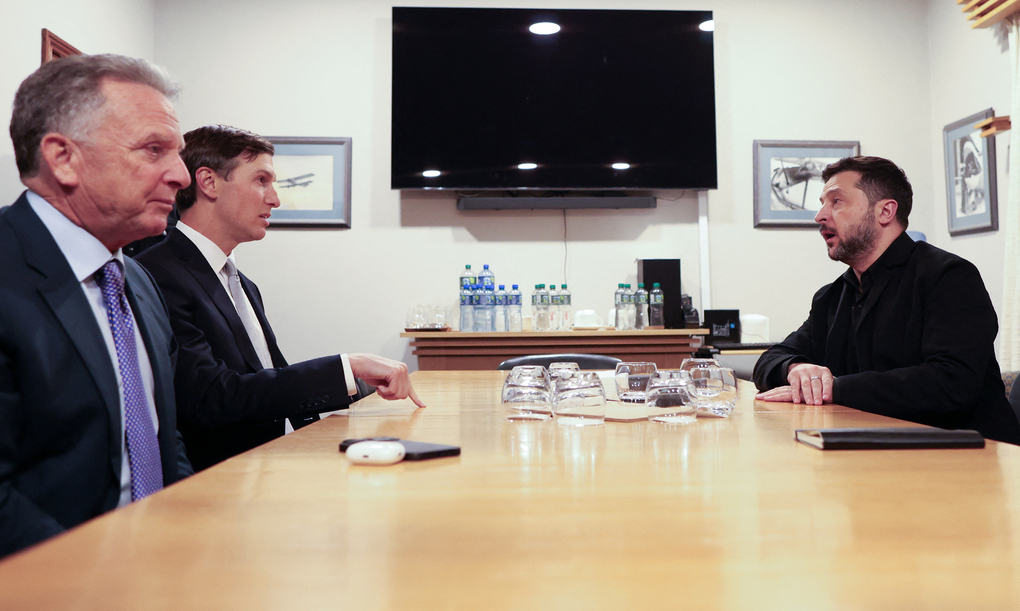
The diplomatic push intensified on November 12, 2026, when U.S. special envoys Steve Witkoff and Jared Kushner conducted a series of high-stakes meetings. The duo held discussions with Russian President Vladimir Putin in Moscow before traveling to Ireland to meet with Ukrainian President Volodymyr Zelensky on the evening of the same day. These meetings followed a round of trilateral-style talks held in the United Arab Emirates (UAE) the previous week, where the U.S. served as a primary mediator.
President Zelensky disclosed on November 13 that the U.S. representatives had brought the idea of territorial concessions—specifically regarding the Donbass—to the table. According to reports from Al Jazeera, this marks the first time such a direct trade-off between Russian demands for territory and Ukrainian aspirations for NATO integration have been formally linked in a single diplomatic framework. The intent, according to observers, is to unlock the primary impasse that has stalled peace efforts since the onset of the conflict.
The Strategic Importance of Donbass
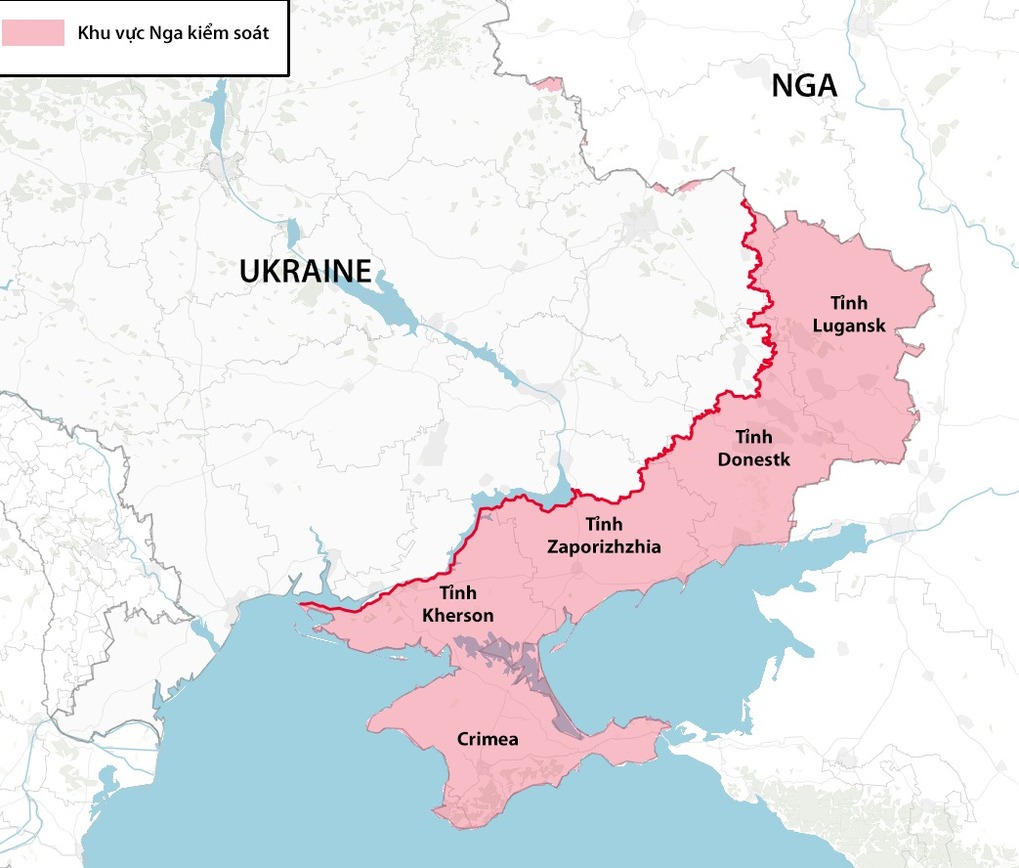
The Donbass region, comprising the industrial heartlands of Donetsk and Lugansk, remains the geographic and symbolic centerpiece of the conflict. Rich in coal reserves and historical manufacturing infrastructure, the region has been a focal point of Russian military operations since the initial incursion in 2014 and the subsequent full-scale invasion in 2022.
In September 2022, Russia unilaterally declared the annexation of the Donetsk and Lugansk regions, along with Kherson and Zaporizhzhia, despite failing to exercise full military control over these territories. Currently, Ukraine maintains control over approximately 25% of the Donetsk region and isolated pockets of Lugansk. Moscow has consistently maintained that any peace agreement must recognize its control over these areas, a demand that Kyiv has vehemently rejected as a violation of its territorial integrity.
Chronology of Stalled Peace Efforts
The conflict, which entered its fifth year in 2026, has seen multiple failed attempts at negotiation.
- February 2022: Full-scale invasion of Ukraine begins, shifting the conflict from a localized war in the east to a nationwide existential struggle.
- September 2022: Ukraine formally submits its application for accelerated NATO membership.
- Late 2024: NATO summit in Washington results in a joint declaration affirming that Ukraine’s path to membership is "irreversible," though no formal invitation is extended.
- November 2026: The emergence of the U.S.-led "land for security" proposal in the UAE.
Official Responses and Diplomatic Caution
The Kremlin’s response to the reported proposal has been characteristically guarded. On November 16, Dmitry Peskov, the spokesperson for the Kremlin, declined to confirm or deny the details of the discussions. "We believe that disclosing the details of discussions between Russia and the U.S. is inappropriate, as it could influence the peace process," Peskov stated. This silence is often interpreted by analysts as a strategic move to avoid showing weakness or premature commitment while negotiations remain in their infancy.
President Zelensky, while acknowledging the proposal, has placed the burden of decision on the Ukrainian populace. "If the U.S. and NATO partners provide concrete, ironclad security guarantees, I would ask the Ukrainian people whether they accept this or not," Zelensky said. He emphasized that he lacks the unilateral authority to cede territory and that such a move would require a national referendum. Crucially, he noted that the "concrete commitments" necessary to make such a deal palatable to the Ukrainian public have yet to be presented.
Analysis: The NATO Membership Paradox
The proposal to swap territory for NATO membership presents a massive geopolitical dilemma. For Kyiv, membership is the ultimate objective, intended to provide the "Article 5" collective defense guarantee that would prevent future Russian aggression. For Moscow, however, the expansion of NATO is viewed as a fundamental existential threat, and the neutral status of Ukraine has been a primary justification for the "Special Military Operation."
Ian Lesser, a senior expert at the German Marshall Fund (GMFUS) in Washington, notes that if the report is accurate, it signifies a major shift in U.S. policy. "The U.S. has publicly shown a willingness to address a topic that has been discussed privately for a long time: that Ukraine might need to be prepared to make territorial concessions to reach a sustainable peace agreement," Lesser observed.
However, the viability of the plan is hampered by the internal dynamics of the NATO alliance itself. Any accession to NATO requires the unanimous consent of all existing members. While several nations advocate for Ukraine’s swift integration, others remain deeply concerned about the security risks and the long-term impact on the diplomatic architecture of Europe.
Expert Perspectives on Future Security
Chris Featherstone, a political scientist at the University of York, suggests that including a firm NATO accession commitment in a peace deal would provide a significant security deterrent, even if the conflict were to flare up again in the future. "In the context of President Donald Trump’s frequent criticism of NATO, this proposal could be interpreted as a signal that the U.S. is re-committing to the alliance. The lingering question remains whether Trump can persuade other skeptical NATO members to support such a high-risk security guarantee," Featherstone said.
Former U.S. Ambassador to Ukraine William Taylor echoed these sentiments in a recent interview with CNN. Taylor emphasized that the U.S. cannot act as the sole guarantor. "The ten-plus member states of NATO each have a vote. Most would likely agree, but some may refuse due to security fears. Thus, at this stage, this is not a guaranteed outcome," Taylor noted.
The Broader Implications of the "New European Security Structure"
Harry Nedelcu, a geopolitical expert at Rasmussen Global, posits that the U.S. proposal acts as a "litmus test" to determine the extent of Russia’s true territorial ambitions. However, recent talks in the UAE suggest that Moscow is seeking more than just land; they are demanding a complete restructuring of the European security architecture.
"Russia wants to discuss what they call a new security structure for Europe. In essence, this is a euphemism for wanting veto power over decisions related to NATO," Nedelcu explained. "The evidence suggests that Russia will never accept a deal that allows Ukraine to join NATO, regardless of the territory traded."
Conclusion: A Fragile Path Forward
As the international community watches these back-channel discussions, the path to peace remains obstructed by fundamental differences. Jared Kushner has urged all parties to maintain confidentiality, emphasizing that they are engaged in "private discussions" intended to form new proposals and create a breakthrough.
"Both sides understand they need to end the fighting; they need to find common ground and accept some concessions. They are negotiating in a serious manner to find a solution," Kushner stated.
Whether this trilateral effort can move beyond the "testing phase" and into a formal framework remains uncertain. For Ukraine, the proposal represents a heart-wrenching choice between sovereignty and existential security. For Russia, it remains a test of how much of its original military objectives it is willing to sacrifice in exchange for a permanent halt to NATO expansion. As it stands, the diplomatic process remains as volatile as the front lines themselves, with no immediate resolution in sight.