From Humble Beginnings to Blockbuster Reality: The Unlikely Triumph of Niu Lai and Its High-Stakes Sequel

The Chinese film industry has long been dominated by high-budget productions, star-studded casts, and sophisticated studio infrastructure designed to guarantee box office returns. However, the unexpected and monumental success of the indie film Niu Lai shattered traditional industry expectations, proving that raw storytelling and genuine emotional resonance can triumph over corporate machinery. Released with virtually no professional backing, minimal resources, and a shoestring budget, Niu Lai became a dark horse phenomenon at the box office, grossing over 60 million yuan—a staggering achievement for a project born from grassroots beginnings. Following this unprecedented milestone, the production team has officially announced the greenlighting of Niu Lai 2: Departure, scheduled for a theatrical release in 2027. This ambitious sequel has instantly ignited intense discussions across social media platforms, sparking a polarized debate among film critics, industry insiders, and dedicated fans regarding whether a breakout indie darling can successfully transition into a major commercial franchise without losing its original soul.
The Grassroots Origins of a Cultural Phenomenon
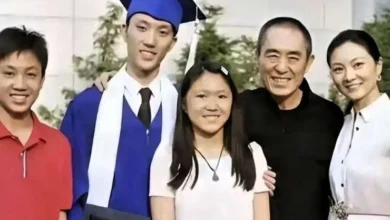
To understand the weight and anticipation surrounding Niu Lai 2, one must look back at the arduous journey of the first film, which took nearly half a decade to complete. The original production team was remarkably lean, consisting primarily of director Xin Yu Man and his mother, Tong Lu Fang. Neither possessed formal filmmaking training, industry connections, or financial backing from major entertainment conglomerates. For five years, this two-person crew poured their personal savings, sweat, and perseverance into independently filming, editing, and refining the movie.
The initial product featured raw visual effects, unpolished narrative pacing, and distinctly non-professional acting. Yet, it was precisely this unvarnished, sincere, and idiosyncratic approach that resonated deeply with audiences. In an era oversaturated with slick, commercialized blockbusters engineered by algorithms, viewers gravitated toward the authentic heart of Niu Lai. The film follows a naive stray calf that accidentally wanders into a surreal dreamscape, where it encounters a series of transformative trials that force the character to mature and embrace responsibility. What began as a local cinematic experiment gradually gained traction through word-of-mouth recommendations, eventually breaking past 33 million yuan and continuing its upward trajectory toward more than 60 million yuan. The unexpected triumph redefined industry perspectives on independent filmmaking, demonstrating that audiences remain hungry for genuine artistic expression over polished mediocrity.
Accelerating Production: The Announcement of Niu Lai 2
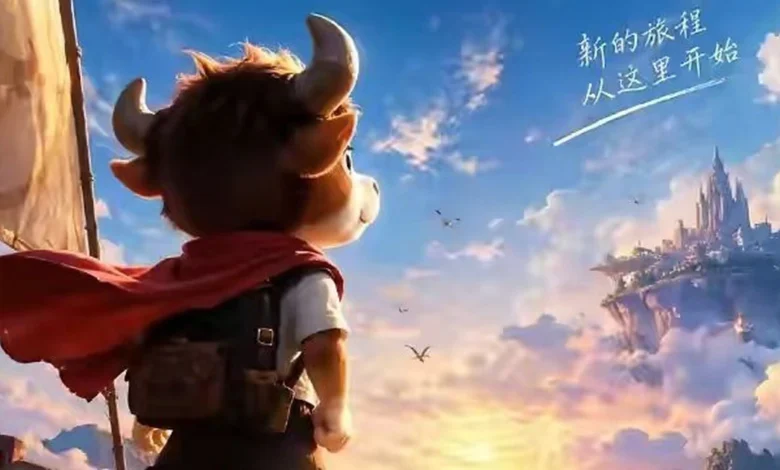
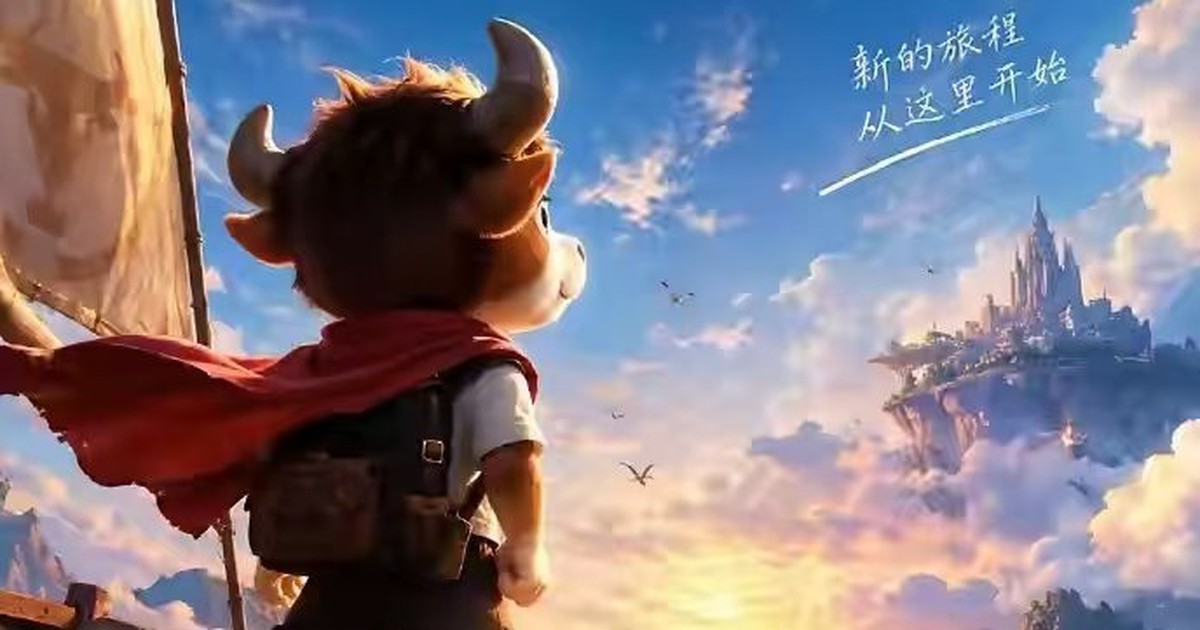
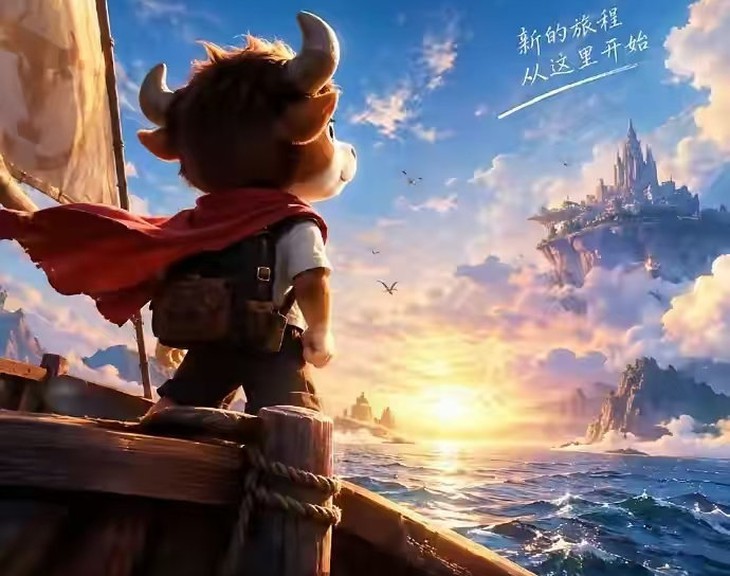
Building upon the monumental commercial success and unexpected cultural footprint of its predecessor, the creative team has fast-tracked the development of the sequel. Recently, official promotional materials for Niu Lai 2: Departure confirmed a targeted release window of 2027, cutting the production timeline down to just three years.
While the first film was severely hindered by financial constraints, forcing the creators to improvise and drastically limit their creative scope, the sequel enters production with vastly superior resources. Backed by substantial box office revenues from the original release, the production team now possesses the financial freedom to fully realize their ambitious creative visions. Enhanced budgets translate directly into better production values, more detailed character designs, and meticulously crafted set pieces that were previously out of reach.
However, this newfound financial abundance has simultaneously invited skepticism. A vocal segment of the audience has begun to question whether the rapid expansion and commercialization of the intellectual property will dilute its unique charm. Critics and fans alike are raising a critical question: Having secured financial success and sudden notoriety, are the creators rushing the sequel simply to capitalize on their newfound fame?
The Creative Dilemma: Balancing Commercial Pressure with Artistic Integrity
The transition from a low-budget indie passion project to a commercial franchise is a notoriously perilous tightrope walk in the global film industry. History is littered with examples of unexpected breakout hits whose sequels faltered because the creators attempted to scale up production while sacrificing the authentic core that made the original special.
For Niu Lai, a massive portion of its initial charm derived precisely from its accidental rough edges—the sense of spontaneity, unrefined wonder, and rustic charm that cannot easily be replicated in a high-tech studio environment. If the production team merely dresses the sequel in expensive visual effects, hires professional screenwriters to smooth over the narrative quirks, and rushes the release to meet corporate deadlines, the unique reputation built by the first film could evaporate overnight.
Conversely, industry analysts argue that moving to a sequel is a natural and even necessary evolution for the creators. Under the limitations of the first film, countless conceptual ideas were abandoned due to a lack of funding. With financial stability now secured, Xin Yu Man and Tong Lu Fang have the unprecedented opportunity to expand their cinematic universe properly. Enhanced budgets allow for deeper world-building, richer character arcs, and sophisticated visual storytelling that honor the original narrative while elevating its execution.
Audience Expectations and the Road to 2027
As the 2027 release date approaches, the pressure on the production team continues to mount. Modern moviegoers are increasingly discerning; while they are exceptionally generous with their financial and emotional support for authentic storytelling, they possess little tolerance for cynical cash-grabs or hastily assembled sequels.
The core challenge for the creators of Niu Lai 2 lies in navigating the tension between box office expectations and artistic devotion. The overarching consensus within the film community is that creating a sequel is not inherently wrong. The true dividing line between a predatory cash-grab and a sincere artistic continuation rests entirely on whether the creators retain their original passion and respect for the narrative.
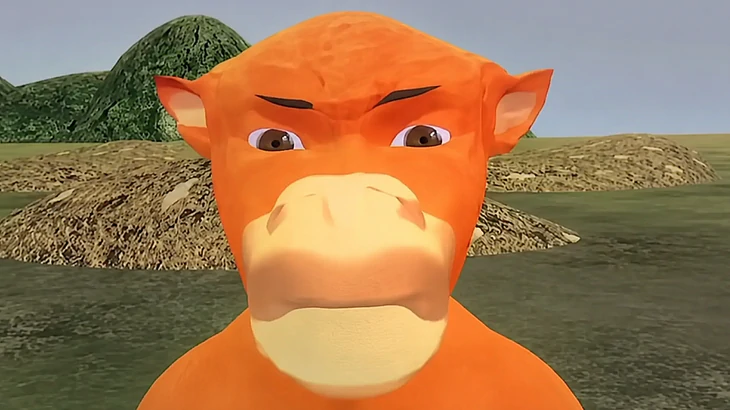
As pre-production ramps up, audiences and critics alike remain suspended between cautious optimism and lingering skepticism. Will Niu Lai 2 manage to preserve the raw emotional honesty and whimsical innocence of the original, or will it fall victim to the corporate pressures of modern franchise filmmaking? Only time will tell as the journey of the stray calf continues toward the silver screen in 2027.