South Korea Coast Guard Responds to Mysterious Sinking of North Korean Cargo Vessel off Pohang Coast

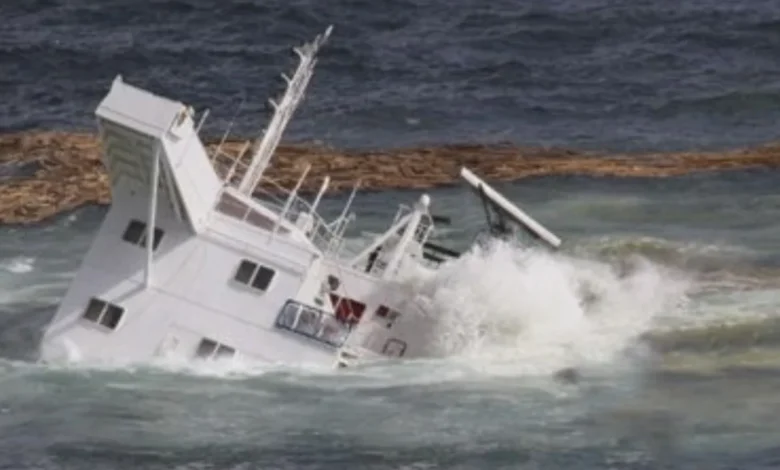
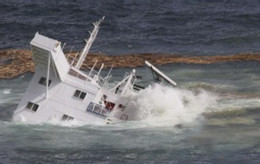
The geopolitical and maritime stability of the Korean Peninsula faced a new unexpected test on Tuesday morning when a North Korean merchant vessel mysteriously sank in international waters off the southeastern coast of South Korea. The incident, which triggered a joint cross-border maritime rescue operation involving regional authorities, has sparked intense interest from intelligence analysts, defense officials, and international maritime security experts. While search and rescue efforts managed to pull several crew members from the freezing waters, significant questions remain regarding the vessel’s operational purpose, its sudden distress call, and the broader implications of such a maritime emergency occurring so close to South Korean territorial waters.
Chronology of Events: From Distress Call to Rescue Operations
The sequence of events began unfolding during the late morning hours on Tuesday. According to briefings provided by the South Korean Coast Guard and military authorities, the alarm was raised at approximately 10:50 AM local time. The South Korean Navy formally notified the Coast Guard’s Eastern Regional Headquarters that a commercial vessel had encountered catastrophic difficulties and was rapidly taking on water.
The emergency location was pinpointed roughly 200 kilometers east-southeast of Pohang, a major port city situated on South Korea’s southeastern coast. Initial intelligence gathered by maritime authorities indicated that there were four crew members aboard the sinking vessel at the time the emergency distress signal was transmitted.
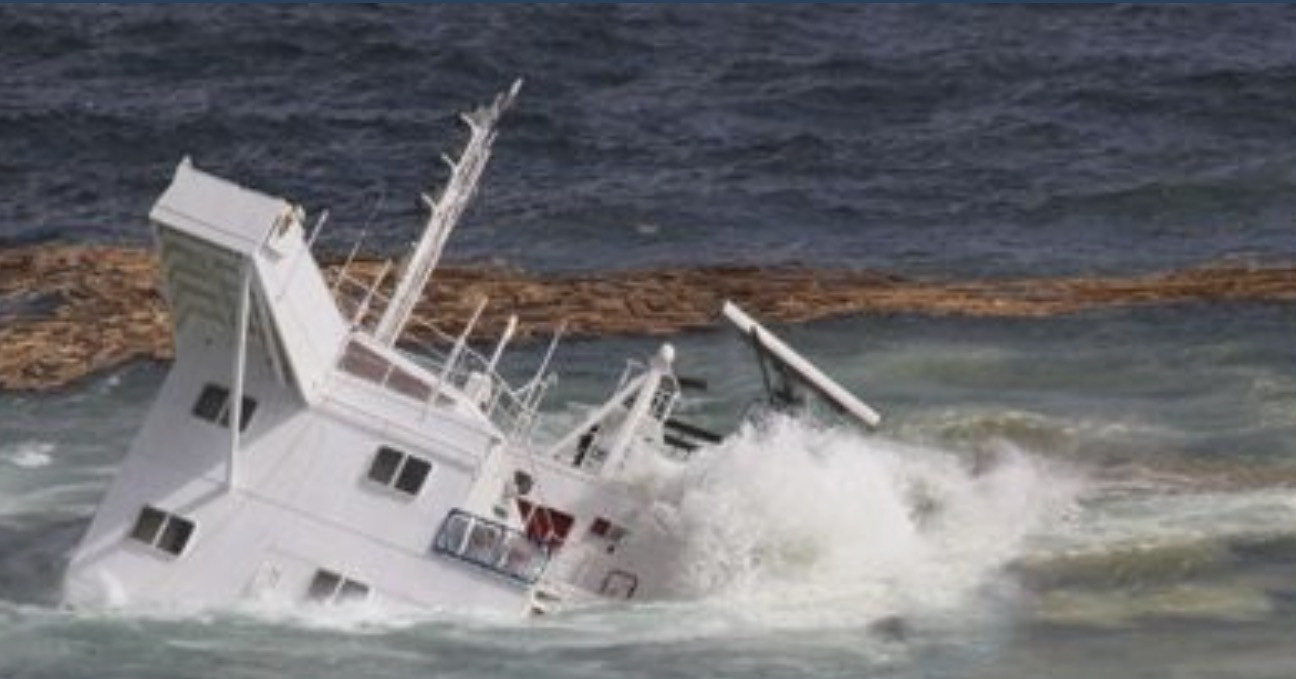
As the situation deteriorated rapidly, neighboring nations were pulled into the unfolding drama due to proximity and international maritime law obligations. In a swift response that transcended ongoing geopolitical tensions, the Japan Coast Guard dispatched assets to the area. At approximately 12:18 PM—less than an hour and a half after the initial distress notification—Japanese rescue teams successfully located and pulled three surviving crew members from the sea.
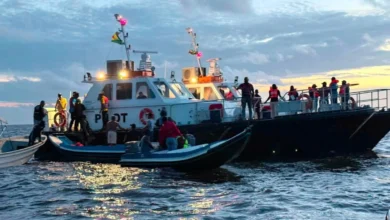
Simultaneously, the South Korean Coast Guard mobilized multiple patrol vessels and aircraft to scour the turbulent waters. Their primary objective was to account for the remaining unaccounted-for crew member and to secure the area in strict accordance with international maritime conventions and fundamental humanitarian principles.
Ambiguity Surrounding the Vessel and Crew Status
Despite the immediate mobilization of naval and coast guard assets from both South Korea and Japan, significant informational gaps persist. As of Tuesday afternoon, South Korean authorities have refrained from releasing detailed specifications regarding the identity, registration, or exact cargo of the North Korean merchant ship. Furthermore, officials have not yet offered a definitive explanation regarding the root cause of the disaster—whether it was structural failure, cargo shift, extreme weather conditions, or navigational error.
Compounding the mystery is the current medical condition of the three rescued sailors. While Japanese maritime authorities successfully plucked them from the ocean, neither Tokyo nor Seoul has provided a detailed update on their physical health, psychological state, or whether they sustained severe injuries from hypothermia or trauma. The search for the fourth crew member remains active, though diminishing daylight and rough open-sea conditions continue to challenge rescue coordinators.
Maritime experts note that North Korean commercial and cargo vessels frequently operate older fleets that may suffer from inadequate maintenance, limited safety gear, and outdated communication systems. However, the precise route of the vessel, why it was navigating waters roughly 200 kilometers east of Pohang, and its ultimate destination remain classified or simply unknown to the public at this stage of the investigation.
International Maritime Law and Humanitarian Obligations
The incident underscores the complex interplay between geopolitics and maritime humanitarian law. Under international conventions—specifically the International Convention on Maritime Search and Search (SAR) and the United Nations Convention on the Law of the Sea (UNCLOS)—vessels at sea, regardless of their national flag or political alignment, are bound by a universal duty to render assistance to persons in distress.
The rapid response by the Japan Coast Guard and the South Korean Navy highlights adherence to these legal frameworks even amidst deep-seated regional animosities. Historically, maritime encounters between North Korean vessels and the naval forces of South Korea or Japan have frequently escalated into military confrontations or detentions related to illegal incursions, smuggling, or espionage. However, when human lives are demonstrably at stake in open-water emergencies, humanitarian imperatives routinely override standard security postures, prompting immediate life-saving coordination.
Broader Geopolitical Context and Simultaneous Regional Developments
This maritime tragedy unfolds against a backdrop of escalating diplomatic and military friction across East Asia. The sinking of the North Korean vessel occurred concurrently with a series of high-stakes geopolitical events in the region, reflecting a tense international climate.
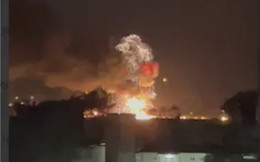
In a separate development reported on the same day, Ukrainian President Volodymyr Zelensky shared combat footage highlighting recent long-range drone strikes conducted by Ukrainian forces against strategic Russian infrastructure. The targets included the Yaroslavl oil refinery in Russia, alongside a targeted assault that successfully destroyed six Russian military aircraft at a strategic air base located in the Rostov region. This ongoing conflict in Eastern Europe continues to draw sharp reactions from Asian powers, notably China.
Also on Tuesday, Beijing issued a stern and formal diplomatic protest regarding a sweeping anti-Russia sanctions bill recently passed by the United States Congress. Chinese foreign policy spokespersons sharply criticized the legislative measure, issuing a pointed warning that bilateral economic and trade relations between global superpowers "should not be disrupted" by the unilateral actions or secondary sanctions imposed by any third party.
Meanwhile, domestic political and administrative news continued to capture headlines elsewhere in the region, such as recent disclosures from the Israeli Prime Minister’s Office regarding official expenditure accounts during diplomatic travels to the United States. While these events are geographically and politically distinct from the maritime accident off the coast of Pohang, they collectively illustrate a volatile and closely monitored global news cycle where localized emergencies can quickly become entangled in broader international narratives.
Strategic and Security Implications for the Korean Peninsula
For South Korea’s defense establishment, the appearance of a distressed North Korean vessel deep within maritime zones managed or monitored by Seoul and Tokyo raises sensitive security questions. Intelligence agencies will undoubtedly seek to interview the three surviving crew members once they are safely transferred to appropriate authorities.

Key questions facing investigators include:
- What was the official manifest and mission of the sunken merchant ship?
- Did the vessel experience mechanical failure, or was it attempting to evade regional tracking networks?
- What level of communication did the crew maintain with Pyongyang prior to the vessel capsizing?
- Will the rescued sailors seek repatriation back to North Korea, or will they express a desire to defect to South Korea, a scenario that carries immense diplomatic weight?
Historically, when North Korean nationals are rescued in South Korean or international waters, Seoul adheres to established protocols that grant defectors the option of resettlement in the South, provided that is their voluntary wish. Conversely, if the crew members are strictly civilian commercial mariners wishing to return home, repatriation is typically coordinated through international intermediaries such as the Red Cross or via border liaison channels at Panmunjom.
Conclusion and Outlook
As search-and-drop operations continue for the missing fourth crew member, the immediate focus remains humanitarian. Yet, the long-term ramifications of this maritime mishap will depend heavily on the debriefing of the survivors and the official assessments released by the South Korean Coast Guard.
In a region where naval movements are tracked with microscopic precision and mutual suspicion is deeply embedded, the successful rescue operation serves as a rare demonstration of adherence to international humanitarian law. Nevertheless, until full transparency is achieved regarding the identity and purpose of the sunken North Korean ship, speculation will persist across diplomatic and defense corridors in Seoul, Tokyo, and beyond.