Antonela Roccuzzo’s Heartfelt Tribute to Lionel Messi After Argentina’s Loss to Spain

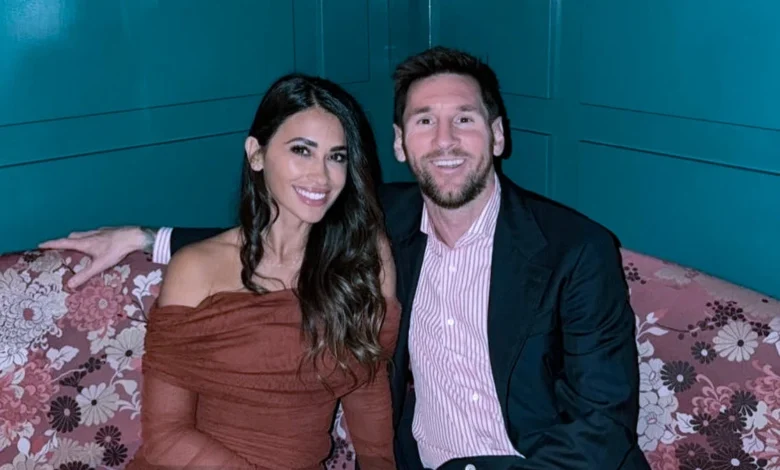
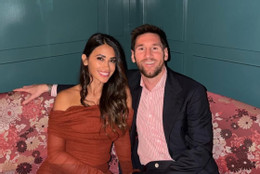
Following a challenging match against Spain, where the Argentine national team experienced a defeat, Lionel Messi, the undisputed star of the game, found solace and support in the digital realm. Shortly after he shared a personal message on Instagram, reaching his vast audience of over 500 million followers, his wife, Antonela Roccuzzo, responded with a powerful and touching tribute of her own. Her post, accompanied by a poignant image of Messi with a tearful expression after the match, quickly garnered significant attention, amassing over five million likes.
A Wife’s Unwavering Support and Admiration
Antonela Roccuzzo’s message, translated from its original Spanish, conveyed a deep sense of pride and unwavering belief in her husband’s enduring spirit. "You are always the best person, Messi," she began, her words a testament to her profound admiration. "It’s not just talent that makes you who you are, but your resilience. Even when things get tough, you never give up. You always fight until the very end, giving your all. Your strength, your determination, and the way you always pick yourself up, time and time again, are what create that inexplicable magic that makes you so special."
Her heartfelt words extended beyond mere encouragement, offering a detailed appreciation of Messi’s character and dedication. "Thank you for showing me every day that success is truly built on effort, sacrifice, and the determination to never let your own essence be diminished. You are a role model for our children and an inspiration to millions. I love seeing you express yourself, and I feel so fortunate to be by your side on this journey of life. I love you very much."
A Love Story Forged in Childhood
The enduring bond between Lionel Messi and Antonela Roccuzzo is a narrative that began in their childhood in Rosario, Argentina. Their paths first crossed when Messi was just five years old, in the home of Antonela’s family. Their connection deepened years later, blossoming into a romantic relationship when Antonela was eighteen. Their commitment was further solidified when Messi publicly revealed their relationship in 2009, marking a significant step in their shared journey.
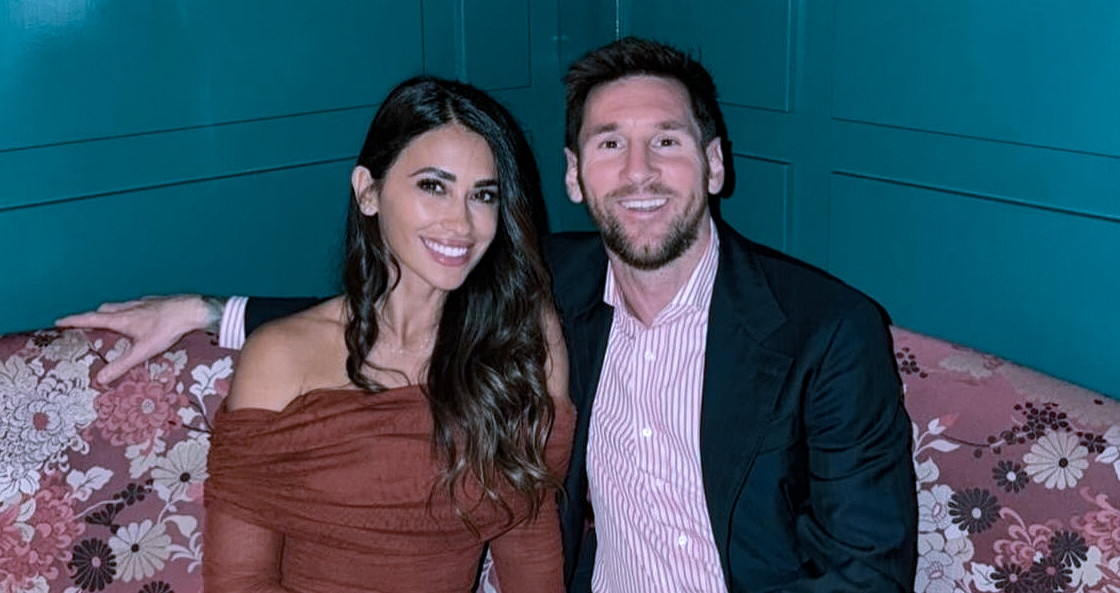
The couple’s union was celebrated with a lavish wedding ceremony on June 30, 2017, held at the luxurious City Center Rosario hotel. This union has since been blessed with three sons, continuing to build their family legacy.
Messi’s Resilience: A Pattern of Overcoming Adversity
Lionel Messi’s career has been punctuated by moments of extraordinary brilliance, but also by significant challenges. His response to defeat, as highlighted by Antonela, is a recurring theme. This particular match against Spain, while ending in a loss for Argentina, was a stark reminder of the intense pressure and scrutiny Messi faces on the global stage. His ability to absorb disappointment and continue to perform at the highest level is a testament to his mental fortitude, a quality that has defined his legendary status in the sport.
Background Context: The Argentina vs. Spain Fixture
While the provided text does not explicitly detail the context of the match against Spain, it is understood to be a significant fixture, likely within a major international tournament or a high-profile friendly. Such matches often carry immense pressure for national teams and their star players. For Argentina, carrying the hopes of a nation, every performance is analyzed, and every result scrutinized. Spain, a perennial powerhouse in international football, presents a formidable opponent, making any encounter between the two nations a keenly anticipated event. The outcome of this specific match, a defeat for Argentina, undoubtedly added to the emotional weight experienced by the players, particularly their captain, Lionel Messi.
Supporting Data: Messi’s Instagram Reach and Impact
Lionel Messi’s Instagram account is one of the most followed globally, boasting over 500 million followers. This immense platform allows him to connect directly with a vast and engaged audience. A post receiving five million likes, as Antonela Roccuzzo’s did, signifies a substantial level of engagement. This level of interaction underscores the global appeal of Messi and his family, and the profound impact his personal life and relationships have on his fan base. For context, other globally recognized figures often see similar engagement levels on their most impactful posts, highlighting the scale of Messi’s influence.
Broader Impact and Implications: The Role of Family Support in Elite Sports
Antonela Roccuzzo’s public display of support for Lionel Messi resonates beyond their personal relationship. It highlights the critical role that family and close relationships play in the lives of elite athletes, especially during moments of adversity. The psychological toll of high-stakes competition, coupled with public scrutiny, can be immense. Having a supportive partner who can offer understanding, encouragement, and a sense of grounding can be invaluable.
In the context of professional football, where careers are often characterized by intense pressure, demanding schedules, and frequent travel, the stability and emotional support provided by a family can be a crucial factor in an athlete’s sustained performance and overall well-being. Roccuzzo’s words not only serve as a personal message to her husband but also as a broader commentary on the unseen support systems that underpin athletic success. Her acknowledgment of Messi’s resilience as a source of inspiration for their children and millions of others further emphasizes the ripple effect of his character and the positive influence he wields, extending far beyond the football pitch.
A Legacy of Love and Dedication
The story of Lionel Messi and Antonela Roccuzzo is one that has captivated fans worldwide. From their humble beginnings in Rosario to their current status as global icons, their journey has been marked by love, loyalty, and shared ambition. Antonela’s latest tribute serves as a powerful reminder that even for the most celebrated athletes, the unwavering support of loved ones remains a cornerstone of their success and resilience. As Messi continues his illustrious career, the strength derived from his family, particularly from Antonela’s enduring belief in him, will undoubtedly continue to be a driving force behind his legendary achievements.