In recent months, a concerning wave of health-related misinformation has surged across various social media platforms, targeting vulnerable individuals with promises of miraculous recovery from chronic illnesses. These "wellness" influencers are aggressively promoting extreme fasting protocols paired with severe water restriction, claiming that these practices can "detoxify" the body, trigger cellular regeneration, and effectively cure everything from the common cold and sinus infections to end-stage kidney failure and cancer. Medical experts are now sounding the alarm, warning that these non-scientific and potentially lethal regimens represent a significant public health risk that could lead to irreversible organ damage or death.
The Anatomy of a Dangerous Trend
The promotion of these methods often relies on pseudo-scientific terminology designed to sound authoritative to the layperson. Phrases such as "restarting the immune system," "cellular autophagy," "tumor elimination," and "total body detoxification" are frequently used to provide a veneer of credibility. By leveraging these terms, proponents attempt to bypass the need for rigorous, peer-reviewed clinical evidence.
The core of these programs typically involves prolonged periods of starvation, sometimes extending for days, combined with an arbitrary and dangerous restriction of water intake—often limited to as little as 500 milliliters to one liter per day. These influencers frame these hardships as a necessary "healing crisis," suggesting that the negative symptoms experienced by participants are merely the body "cleansing" itself of toxins. In reality, these symptoms—including extreme fatigue, dizziness, confusion, and muscle cramping—are often early clinical signs of dehydration, electrolyte imbalance, and metabolic collapse.
Scientific Context: Fasting vs. Starvation
To understand the danger, it is essential to distinguish between medically supervised fasting and the radical, unproven methods circulating online. Medical researchers have spent years studying Intermittent Fasting (IF), Time-Restricted Eating (TRE), and periodic fasting (PF). While some studies indicate that controlled, short-term fasting may have positive effects on energy metabolism and oxidative stress markers, these studies are conducted under strict medical oversight and are tailored to the specific health profiles of individual patients.
MSc. Doctor Pham Anh Ngan, affiliated with the University Medical Center Ho Chi Minh City, emphasizes that the scientific community is still in the early stages of understanding the long-term impacts of various fasting protocols. "The leap from observing metabolic changes in a lab setting to claiming that these methods can cure complex, systemic diseases like cancer is not only scientifically unsound but irresponsible," says Dr. Ngan.
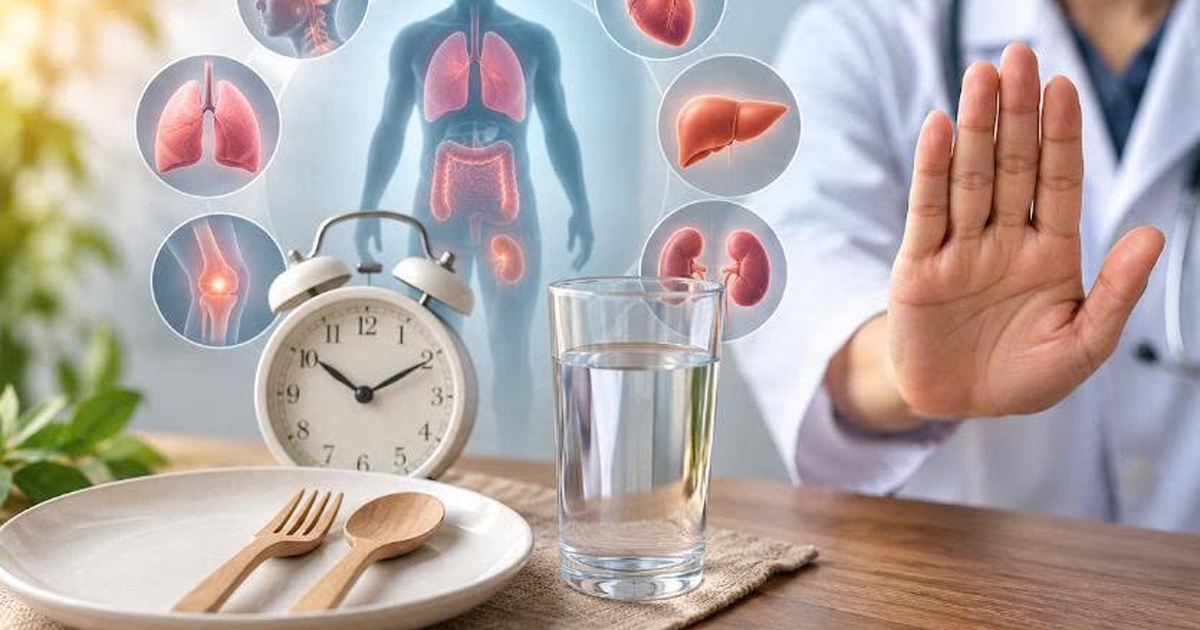
The hypothesis that fasting "starves" cancer cells is a gross oversimplification of complex oncology. While some research explores how metabolic shifts might influence cancer treatment efficacy, there is no clinical evidence to support the idea that fasting alone can replace standard medical interventions such as chemotherapy, radiation, or immunotherapy. Encouraging patients to abandon proven medical treatments in favor of fasting is a practice that borders on criminal negligence.
The Pathophysiology of Water Deprivation
The recommendation to severely limit water intake—often to less than a liter a day—is perhaps the most immediate threat to human life. Water is essential for the function of every organ system, particularly the kidneys.
Dr. Tran Dinh Nghia, Head of the Nephrology Department at An Sinh General Hospital, explains the physiological toll of such extreme measures. When the body is deprived of water, the kidneys struggle to maintain blood volume and filter waste products effectively. This leads to a cascade of life-threatening events:
- Hypovolemia: A decrease in blood volume causes a drop in blood pressure, which reduces blood flow to the kidneys.
- Acute Kidney Injury (AKI): The lack of perfusion causes rapid renal failure, which can become permanent if not treated immediately.
- Electrolyte Disturbance: The body’s balance of sodium, potassium, and magnesium becomes severely disrupted.
- Neurological Collapse: Electrolyte imbalances manifest as confusion, seizures, loss of consciousness, and cardiac arrhythmias, which are often the direct precursors to mortality.
These risks are significantly magnified in elderly populations or individuals who already suffer from pre-existing conditions such as diabetes, cardiovascular disease, or chronic kidney disease. For these groups, a "fasting challenge" can prove fatal within days.
Chronology of a Digital Crisis
The rise of these trends correlates with the rapid growth of short-form video content on social media, where algorithms prioritize high-engagement, sensationalist claims.
- Late 2024: A spike in "detox" videos appeared on major platforms, specifically targeting users searching for alternative cures for autoimmune disorders and chronic pain.
- Early 2025: Increased reports of hospitalizations related to acute renal failure and severe electrolyte imbalances began to surface in major metropolitan hospitals.
- Mid-2025 to Present: Medical boards and hospitals began issuing formal public warnings as the number of patients arriving with preventable complications from "wellness influencer" protocols continued to rise.
The pattern is often identical: a charismatic influencer shares a personal "miracle" story, uses testimonials from followers, and sells a program or guide that mandates the cessation of prescribed medications in favor of their specific regimen.

The Role of Misinformation in Patient Care
A common feature of these online programs is the instruction to stop taking pharmaceutical medications. This is perhaps the most dangerous aspect of the trend. For patients with hypertension, insulin-dependent diabetes, or cancer, interrupting a prescribed medication regimen can lead to immediate and catastrophic health outcomes.
"We are seeing patients arrive at the emergency department already in shock or with multi-organ failure," notes Dr. Nghia. "When we ask about their history, they describe being told that their conventional medicine was ‘toxic’ and that their body needed to ‘rest’ from it. By the time they reach us, they have often lost the critical window for effective medical intervention."
Broader Implications and Public Health Response
The proliferation of this misinformation highlights a systemic failure in digital literacy and a growing distrust in traditional medical institutions. However, the solution is not to dismiss patient concerns, but to engage in proactive education.
Public health experts are calling for:
- Platform Accountability: Demanding that social media companies identify and flag health-related content that promotes the cessation of medical treatment or suggests dangerous dietary practices.
- Enhanced Education: Encouraging primary care providers to have open, non-judgmental conversations with patients about their interest in alternative health practices.
- Clearer Guidelines: Providing the public with easy-to-understand information regarding the difference between healthy lifestyle adjustments and dangerous, restrictive fads.
Ultimately, the medical consensus is clear: there is no "cure-all" for chronic disease. Any health program that encourages the avoidance of water, the abandonment of prescribed medication, or the adoption of extreme dietary restrictions without the direct supervision of a licensed physician should be viewed with extreme skepticism. The body is a complex biological machine that requires consistent nourishment, hydration, and, when ill, evidence-based clinical care. To risk one’s life on the advice of an unverified social media personality is a gamble that no patient should take. Medical professionals urge anyone currently following such a program to stop immediately and consult with their primary care physician to assess their current health status and address any underlying conditions safely and scientifically.