Why Crowds of Patients Continue to Flock to Major Health Institutions Like Cho Ray, Oncology, and University Medical Center in Ho Chi Minh City

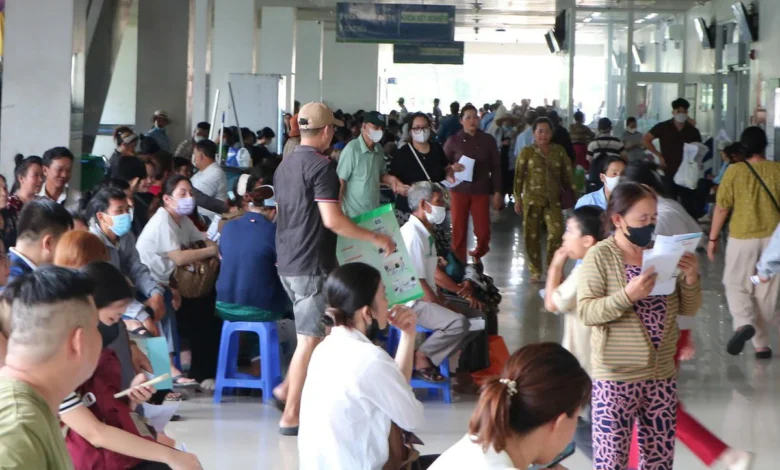
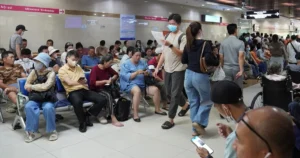
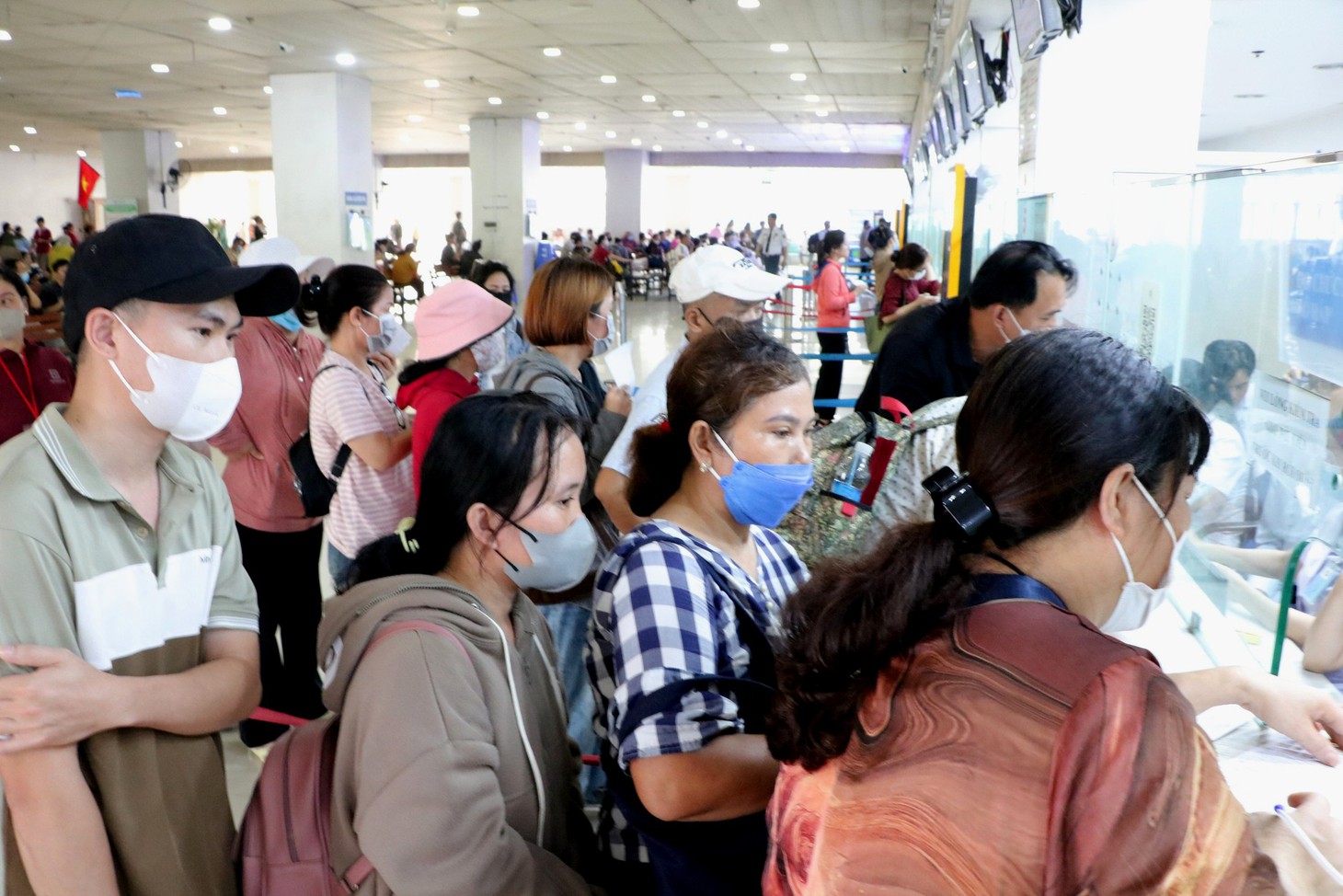
The medical landscape in Vietnam’s southern economic hub frequently witnesses a recurring, high-stakes phenomenon: the early morning rush of patients overwhelming top-tier medical facilities. Well before sunrise, thousands of individuals—many carrying luggage and wearing expressions of deep physical and emotional exhaustion—queue outside premier institutions such as Cho Ray Hospital, the Ho Chi Minh City Oncology Hospital, and the University Medical Center. This persistent surge highlights a complex, systemic healthcare challenge involving patient psychology, regional disparities in medical capacity, and the enduring quest for absolute reassurance when facing severe illnesses.
A Morning Routine of Desperation and Exhaustion
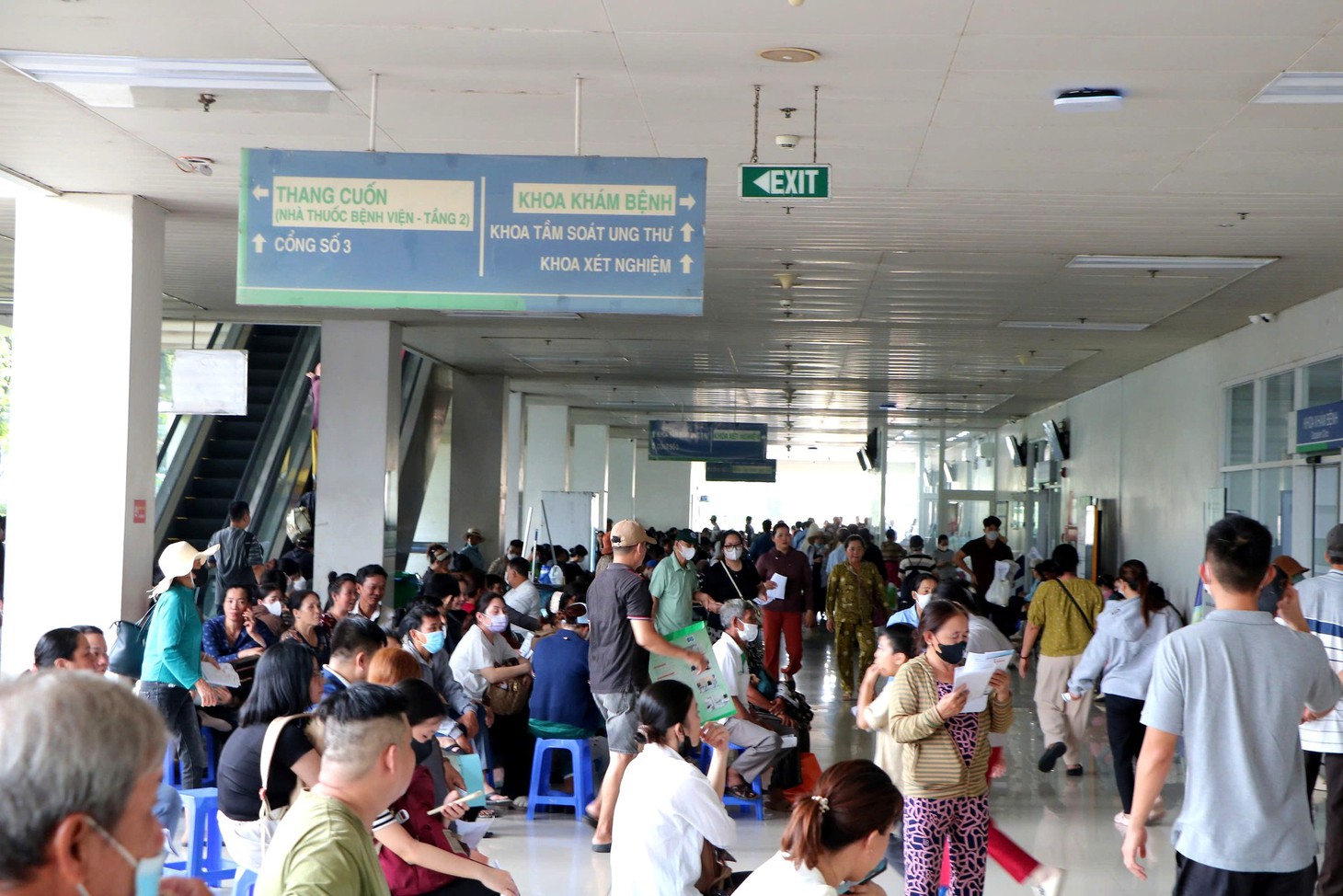
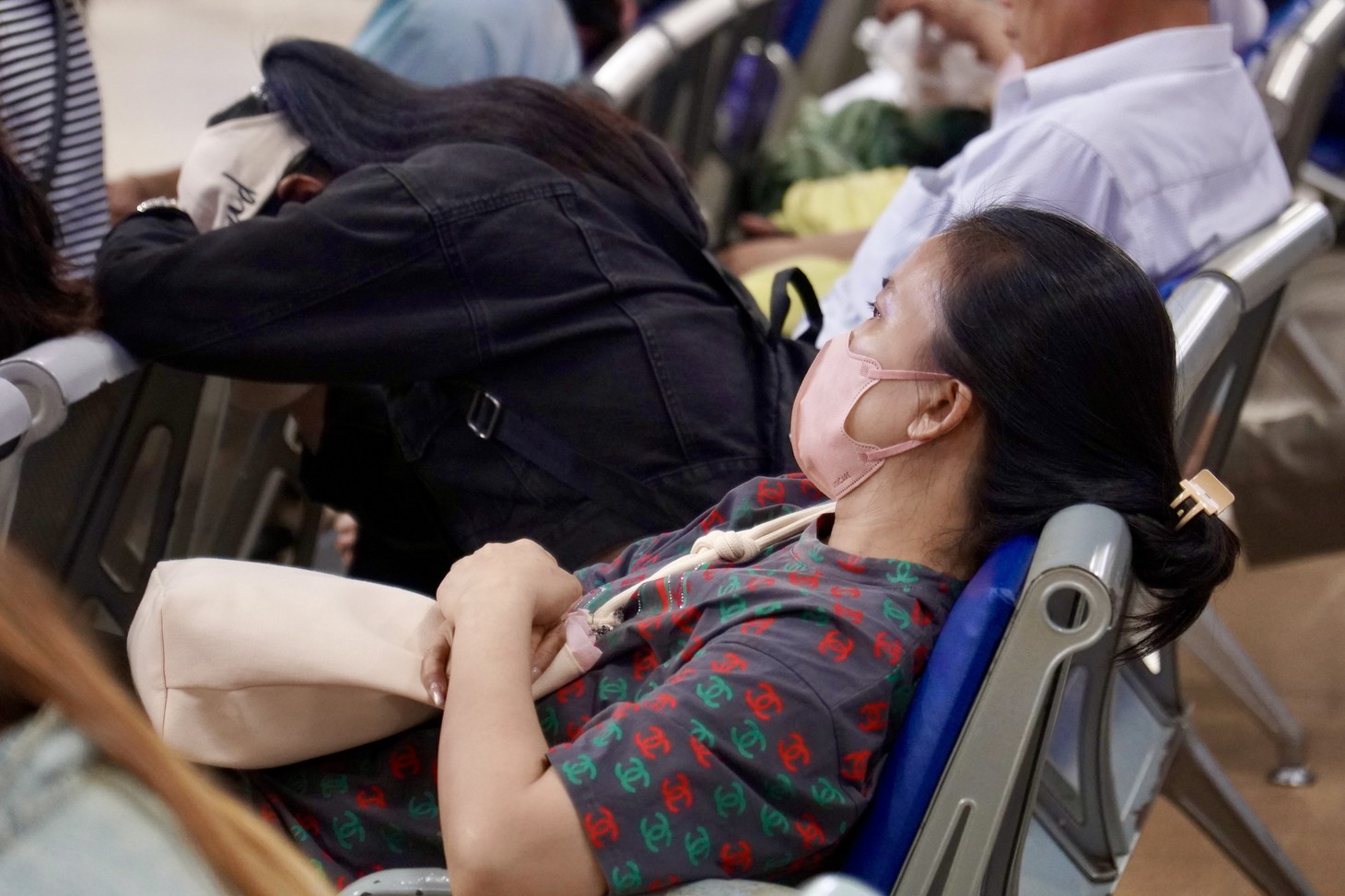
By 5:00 AM, the registration areas and corridors of Ho Chi Minh City’s ultimate referral hospitals are already packed to capacity. The demographic makeup of these early morning crowds heavily tilts toward patients from distant provinces. These individuals often endure overnight bus rides, arriving in the metropolis with little rest, solely to secure a numerical queue ticket for the day’s consultations.
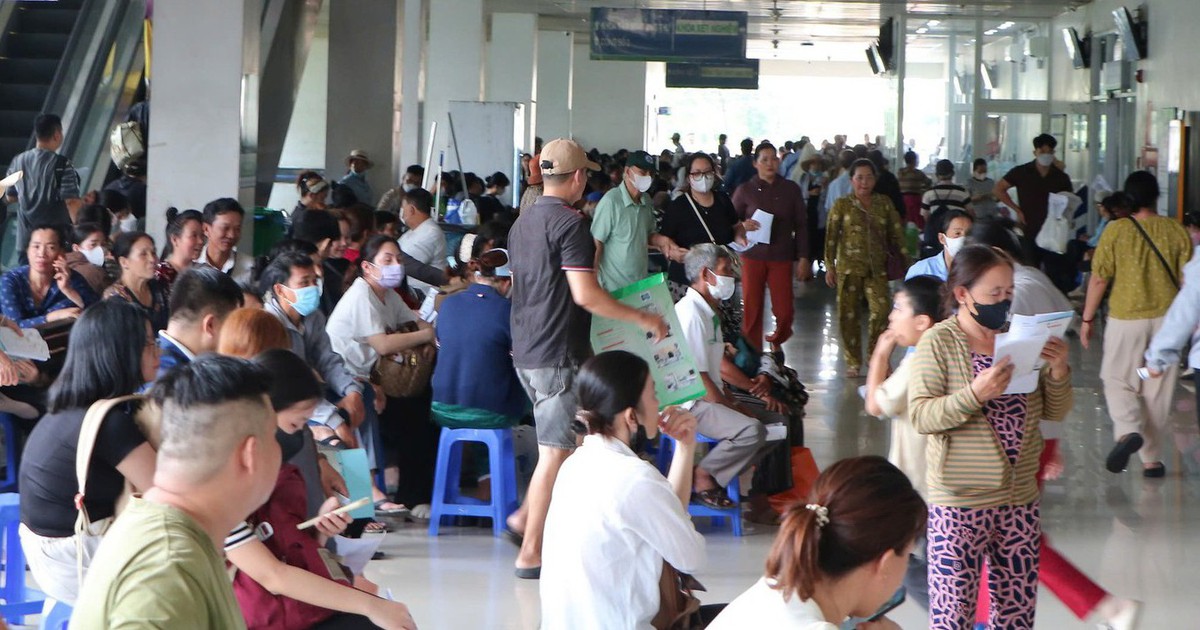
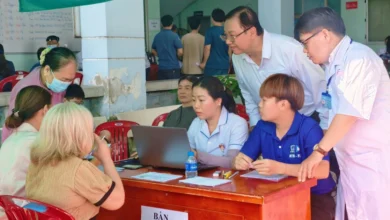
At the Ho Chi Minh City Oncology Hospital, the reality of this high-volume demand becomes starkly apparent early in the day. By 9:00 AM, administrative staff stationed at areas registering for health insurance-covered ultrasounds and X-rays frequently announce that daily capacity has been exhausted. Patients arriving past this threshold face difficult choices: they must either postpone their diagnostic procedures to another day or pay out-of-pocket for more expensive private service tiers to receive care immediately.
Despite the physical toll of inter-provincial travel, many patients actively bypass regional and provincial facilities. For instance, individuals diagnosed with advanced conditions, such as stage 3B cervical cancer, routinely choose to travel hundreds of kilometers to Ho Chi Minh City. This decision stems from a deep-seated belief that tertiary institutions offer a superior standard of care, more advanced diagnostic tools, and more experienced surgical teams than local hospitals, even when basic health insurance coverage is applicable closer to home.
Quantifying the Pressure on Tertiary Care
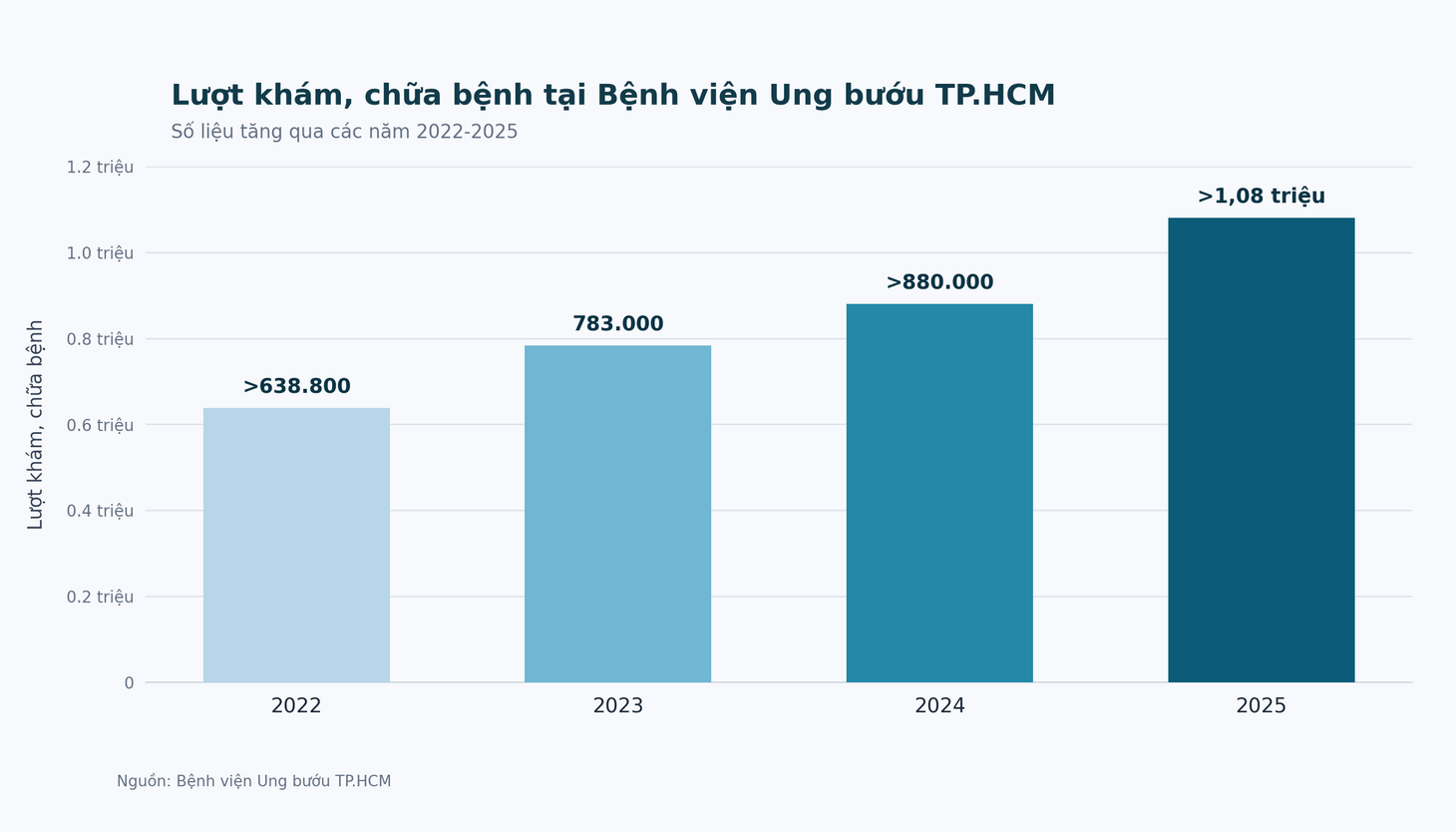
Data from hospital administrations underscore the sheer magnitude of the patient influx. Leadership at the Ho Chi Minh City Oncology Hospital reports a daily average of 4,800 to 5,000 outpatient visits for examinations and treatments. Specialized departments bear a massive portion of this burden: the chemotherapy department handles between 650 and 750 patients daily, while the radiation therapy department manages approximately 750 to 800 patients each day. Notably, patients originating from provinces outside Ho Chi Minh City account for roughly 75% of this total volume.
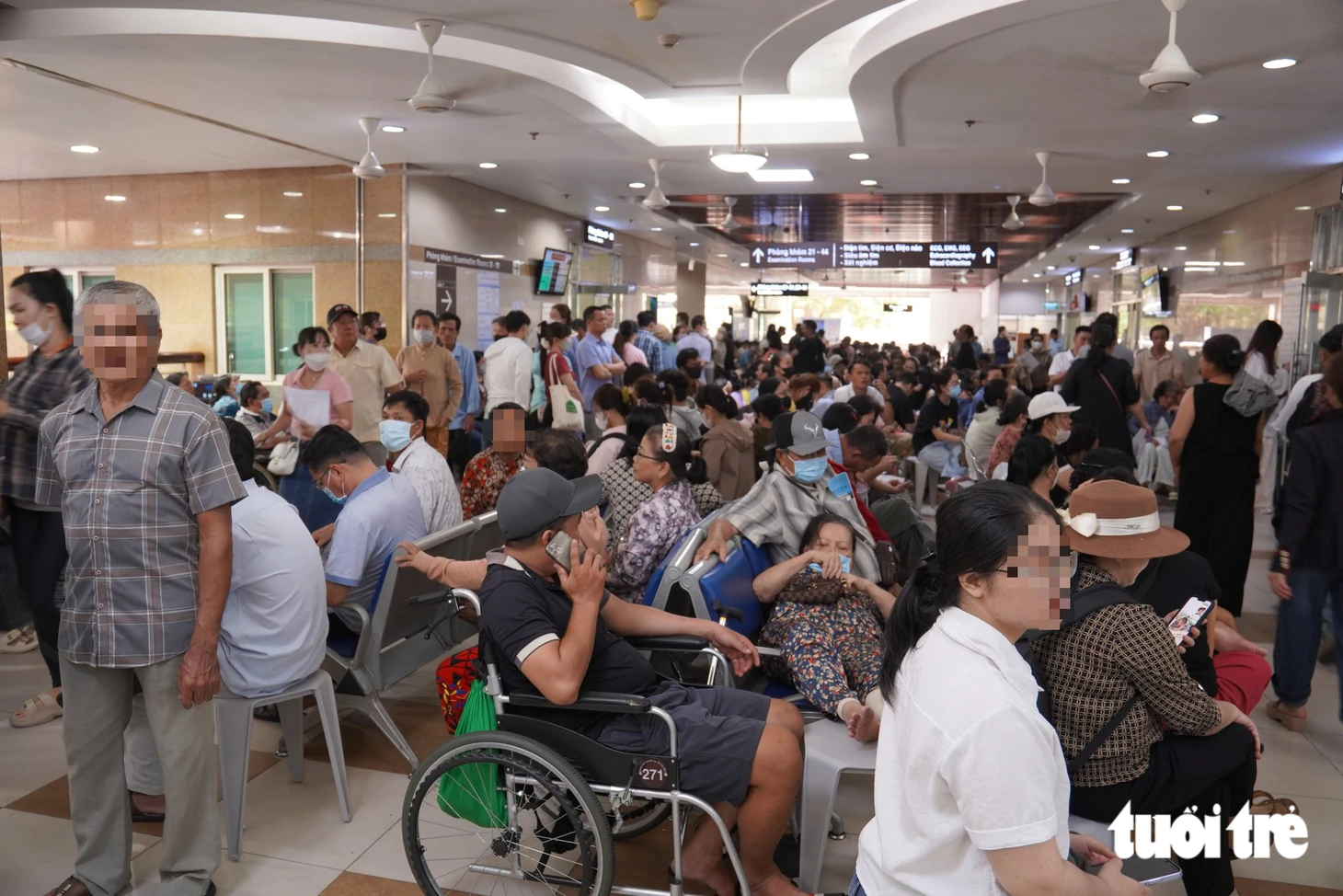
To cope with this relentless demand, major hospitals have drastically restructured their operational hours. Institutions have expanded registration schedules, initiating admissions and consultations as early as 5:00 AM. Radiation therapy schedules have been extended to run in continuous shifts from early morning until midnight. Furthermore, hospitals routinely open specialized clinics outside regular administrative hours and on Saturdays to absorb the overflow of patients requiring chemotherapy and diagnostic imaging.
Similarly, Cho Ray Hospital—another critical pillar of the southern healthcare network—experiences unprecedented numbers. Hospital leadership noted that patient volume recently peaked at nearly 10,000 visits in a single day, marking a historical high. While this staggering figure reflects widespread public trust in the institution’s clinical expertise, it simultaneously creates immense operational pressure on physical infrastructure that was not originally designed to accommodate such dense daily populations.
Psychological Drivers Behind Upward Referral Trends
To understand why patients continually bypass local options in favor of central hospitals, healthcare experts and behavioral psychologists point to several deeply rooted psychological and social factors.
First, severe illnesses inherently trigger acute anxiety and fear. When confronted with life-altering diagnoses such as cancer or complex cardiovascular conditions, individuals naturally seek the highest possible degree of safety and certainty. Tertiary hospitals possess long-standing reputations for handling complex, high-risk cases, which translates into greater psychological comfort for patients and their families.
Second, the phenomenon of word-of-mouth recommendations plays a crucial role. Success stories of patients recovering from complex surgeries at top-tier hospitals circulate widely within local communities. These narratives reinforce the status of major metropolitan hospitals as ultimate arbiters of medical healing, overshadowing the competency improvements made by provincial or district-level facilities.
Additionally, standard medical follow-up protocols contribute to this concentration of patients. Once a patient undergoes major surgery or specialized treatment at a tertiary center, they often develop a strong psychological attachment to the operating surgeon or the primary physician who managed their acute phase. Consequently, patients prefer to return to the central hospital for routine post-treatment check-ups rather than transitioning their ongoing care back to local practitioners.
The Core Dilemma: Strengthening Primary Healthcare
Public health officials and municipal authorities acknowledge that managing episodic surges at tertiary hospitals is merely treating the symptoms rather than the root cause of overcrowding. Dr. Tang Chi Thuong, Director of the Ho Chi Minh City Department of Health, has repeatedly emphasized that the ultimate solution to the "upward referral" dilemma lies in fortifying the grassroots healthcare system, specifically commune-level health stations.
If primary healthcare facilities fail to inspire community trust as reliable sites for preventative care, early diagnosis, and routine management, the entire referral pyramid becomes skewed. When patients bypass local clinics for minor or moderately complex health issues, tertiary institutions inevitably suffer from chronic overloads. Conversely, when primary healthcare providers are under-resourced and lack community confidence, any attempts to reduce overcrowding at central hospitals remain temporary and superficial.
Strategic Initiatives and Long-Term Solutions
In response to persistent overcrowding, health authorities and hospital administrators are implementing multi-faceted strategies to balance patient distribution across the healthcare network.
-
Enhancing Provincial and Satellite Capacities: Major tertiary institutions such as Cho Ray and the Oncology Hospital are actively investing in professional training, technology transfer, and direct mentorship programs for doctors in provincial hospitals. By elevating the clinical capabilities, surgical proficiency, and overall reputation of regional health facilities, authorities aim to build local confidence, enabling patients to seek treatment closer to their homes voluntarily.
-
Infrastructure Expansion Projects: Long-term infrastructural planning remains critical. Projects such as the long-delayed construction of Cho Ray Hospital’s second facility are experiencing renewed momentum. Expanding physical footprints and establishing modern regional medical hubs are essential steps to distribute patient loads more evenly across geographical zones.
-
National Satellite Hospital Networks: The Ministry of Health has established ambitious benchmarks, aiming to develop a comprehensive network of satellite hospitals nationwide by 2030. These specialized hubs are designed to deliver top-tier medical treatments locally, significantly reducing the need for vulnerable patients to undertake exhausting long-distance travel for specialized care.
Conclusion
The enduring migration of patients to major medical centers in Ho Chi Minh City reflects a complex interplay of clinical excellence, public trust, and psychological necessity. While tertiary hospitals continue to innovate by extending operational hours, optimizing patient flow, and expanding digital registration systems, sustainable relief can only be achieved through systemic strengthening of grassroots healthcare. Only when regional and commune-level facilities achieve parity in quality and credibility will the burden on central hospitals subside, ensuring a more balanced, efficient, and compassionate healthcare ecosystem for all citizens.