Democratic Landslide in the 2026 Midterms Deals Historic Blow to President Trump and the MAGA Agenda

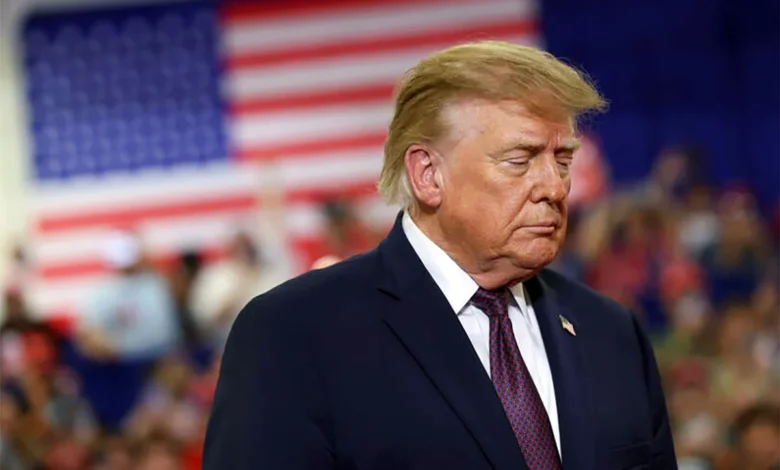
The 2026 United States midterm elections have delivered a profound political shockwave, culminating in a historic and sweeping victory for the Democratic Party that stripped President Donald Trump and the Republican Party of their control over both chambers of Congress. As the final ballots were tallied, the stunning rejection of the ruling administration marked one of the most severe mid-term rebukes ever recorded for a sitting American president in modern political history, fundamentally altering the balance of power in Washington and throwing the future of the Make America Great Again (MAGA) movement into a state of unprecedented uncertainty.
The scale and speed of the Democratic sweep effectively dismantled the perceived invulnerability of the political coalition constructed by President Trump. Winning control of both the House of Representatives and the United States Senate, Democratic candidates outperformed expectations in traditional strongholds and deep-red territories alike. The results established a new political reality characterized by divided government, vigorous oversight, and a nationwide demand for recalibration in domestic and foreign policies.
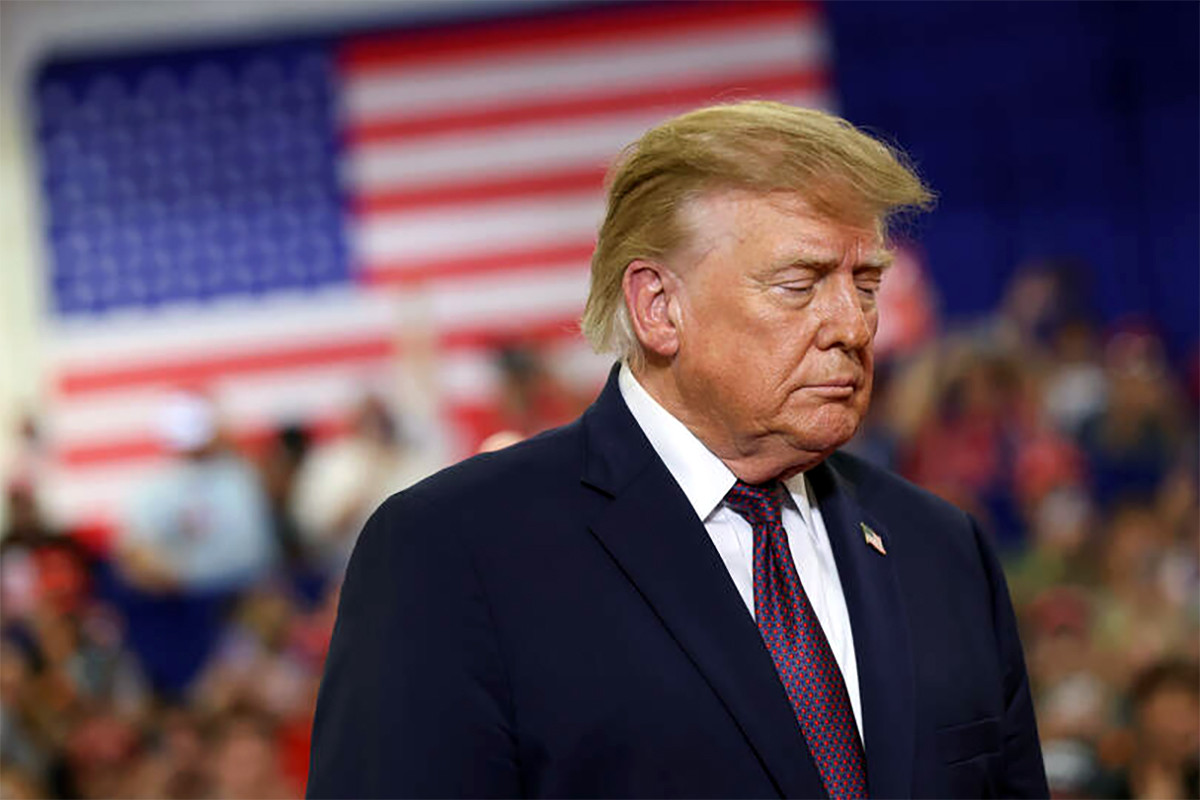
A Referendum on Executive Overreach and Economic Strain
For months leading up to November 2026, political analysts and pollsters noted a growing disconnect between the White House and the daily realities faced by millions of American households. President Trump, having secured a dramatic return to the Oval Office in the 2024 presidential election after a four-year hiatus, sought to leverage his executive authority to advance an aggressive agenda. However, his administration quickly became entangled in a series of highly polarizing decisions that alienated critical segments of the electorate.
At the forefront of voter dissatisfaction was the escalating cost of living. Despite repeated assurances from the administration regarding long-term economic prosperity, persistent inflation, high fuel prices, and stagnant wages severely strained middle- and working-class families. Furthermore, the administration’s controversial decision earlier in the year to launch military operations against Iran drew widespread condemnation from voters weary of foreign entanglements and directly contributed to surging energy costs at home.
Compounding these economic anxieties were intensifying public concerns over executive overreach, stricter immigration enforcement policies marked by controversial oversight, and unaddressed allegations of administrative corruption. Rather than serving as a referendum on the opposition, the midterms transformed into a direct judgment on President Trump’s leadership style, personal approval ratings, and overarching policy framework.
The Chronology of an Electoral Earthquake
The momentum of the 2026 midterm cycle began to shift months before election day, driven by grassroots mobilization and strategic candidate recruitment by the Democratic Party. Republican leadership attempted to mitigate potential losses through aggressive redistricting strategies in several states designed to fortify conservative majorities. However, these efforts ultimately backfired as voter turnout surged in opposition to the administration.
As exit polls and early returns rolled in on election night, a clear trend emerged. Democratic candidates not only secured decisive victories in competitive suburban districts but also made historic inroads into traditionally safe Republican territory. In South Carolina and Texas, Democratic challengers captured pivotal Senate races that few political observers anticipated would be competitive. In Texas, state representative James Talarico secured a historic Senate seat, while long-serving Republican Governor Greg Abbott suffered a stunning defeat in his bid for a fourth term against civil rights attorney Gina Hinojosa.
The fallout within the Republican Party was immediate. President Trump initially attempted to deflect blame onto individual congressional candidates, asserting that their losses stemmed from localized missteps rather than national policies. However, political analysts quickly pointed out that the president’s direct involvement in primary endorsements—specifically targeting incumbent Republicans who displayed insufficient loyalty to the MAGA platform—fractured party unity and cost the GOP critical seats in states such as Iowa and North Carolina.

Demographic Milestones and Historic Representation
Beyond the partisan shift in congressional control, the 2026 midterms reflected a profound demographic evolution within the American political landscape. For decades, voters have witnessed heated partisan debates regarding race, religion, and representation. The election results introduced a wave of diverse leaders into prominent legislative and executive positions across the nation.
Gina Hinojosa’s victory in Texas made her the state’s first Latina governor. In Georgia, Keisha Lance Bottoms secured election as the state’s first female African American governor, a milestone mirrored at the national level. Abdul El-Sayed achieved historic representation as one of the first Muslim Americans elected to the United States Senate. Meanwhile, House Minority Leader Hakeem Jeffries stood poised to assume the role of Speaker of the House, becoming the first African American to hold the position in U.S. history.
These electoral milestones underscored a broader cultural shift among voters demanding inclusive governance that reflects the country’s diverse population, rejecting exclusionary rhetoric in favor of pluralistic leadership.
Official Reactions and Immediate Fallout
The international and domestic reaction to the election results was swift. Foreign leaders issued cautious statements assessing the implications of a divided Washington on global diplomacy and trade agreements. European and Asian allies expressed cautious optimism regarding increased legislative oversight on foreign policy decisions, while adversaries monitored potential political paralysis within the U.S. government.
In Washington, the tone shifted dramatically from pre-election rhetoric. Just days after warning that the nation would face severe consequences if Democrats gained control of Congress, President Trump adopted a more conciliatory stance. In statements released via social media and official press briefings, the president indicated a willingness to seek common ground with the opposition, framing bipartisanship as a necessary step for national stability.
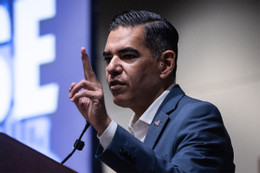
Conversely, Democratic leaders made it clear that their newfound congressional majority would be utilized to establish rigorous accountability measures. Representative Robert Garcia, poised to chair the House Oversight Committee, delivered a pointed public message to administration officials, signaling the commencement of comprehensive investigations into executive actions, foreign military expenditures, and administrative transparency.
Broader Impact and Implications for the 2028 Presidential Cycle
The 2026 midterm results have effectively redrawn the political roadmap for the upcoming 2028 presidential election. Within the Republican Party, potential contenders for the nomination must now carefully navigate their association with the MAGA movement and the legacy of the current administration. Vice President JD Vance, widely viewed as the ideological heir to President Trump, faces the complex challenge of bridging the gap between loyalists and moderate voters alienated by the recent electoral defeat. Other prominent figures, such as Secretary of State Marco Rubio and Florida Governor Ron DeSantis, are expected to position themselves as viable alternatives capable of unifying a fractured party.
For the Democratic Party, capturing control of Congress brings immense power accompanied by significant responsibility. While holding majorities in the House and Senate provides the legislative leverage necessary to block executive appointments, judicial nominees, and controversial policy initiatives, Democrats lack the supermajorities required to enact sweeping structural reforms unilaterally. Failure to address foundational issues such as healthcare costs and inflation could expose the party to similar voter backlash in future election cycles.
Ultimately, the 2026 midterm elections serve as a defining chapter in modern American politics, underscoring the enduring principle that political power remains transient and accountable to the electorate. As Washington prepares for an era of heightened partisan friction and legislative gridlock, both political parties are forced to confront the reality that voter trust must be continually earned rather than assumed.