Torre Rise construction in Monterrey Mexico pushes engineering boundaries with record-breaking concrete pumping at heights exceeding 300 meters

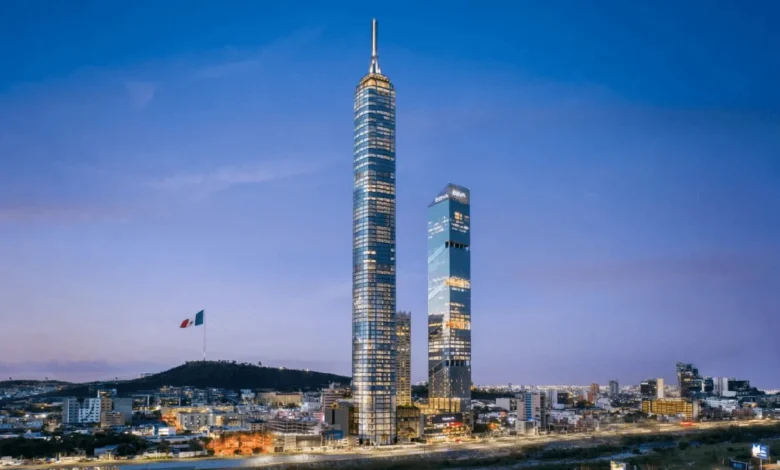
The skyline of Monterrey, Mexico, is currently undergoing a transformative shift as construction progresses on Torre Rise, a monumental skyscraper designed to reach an architectural height of 484 meters. This project represents more than just an increase in vertical capacity for the city; it stands as a testament to advancements in civil engineering and material science, particularly in the realm of high-rise concrete logistics. With a total investment estimated at 4 billion Mexican pesos—approximately 215 million USD—the project is poised to become the tallest building in Latin America upon its completion, surpassing current regional benchmarks.
The development, situated in the strategic Obispado district on Constitución Avenue, is being spearheaded by the Ancore Group. The multifunctional tower is designed to serve as a hub of activity, integrating office spaces, a luxury hotel, residential apartments, and high-end commercial areas. The complexity of constructing a 101-story structure—comprising 96 floors above ground and five subterranean levels—requires unprecedented precision in both structural design and material delivery.
The Engineering Challenge: Pumping Concrete at Extreme Altitudes
One of the most significant technical hurdles identified by the engineering team was the delivery of high-strength concrete to the upper reaches of the tower. For a structure soaring past the 300-meter mark, traditional methods of material transport are insufficient due to the risk of segregation, pressure loss, and the setting time of the mixture.
To solve this, the project team utilized specialized self-consolidating concrete with a compressive strength of 90 MPa. This specific grade of concrete is designed to flow under its own weight, ensuring it fills even the most congested steel-reinforced corners of the framework without the need for manual vibration. This is critical in a high-rise, where the sheer density of reinforcement bars creates a risk of voids if the concrete does not possess the correct rheological properties.
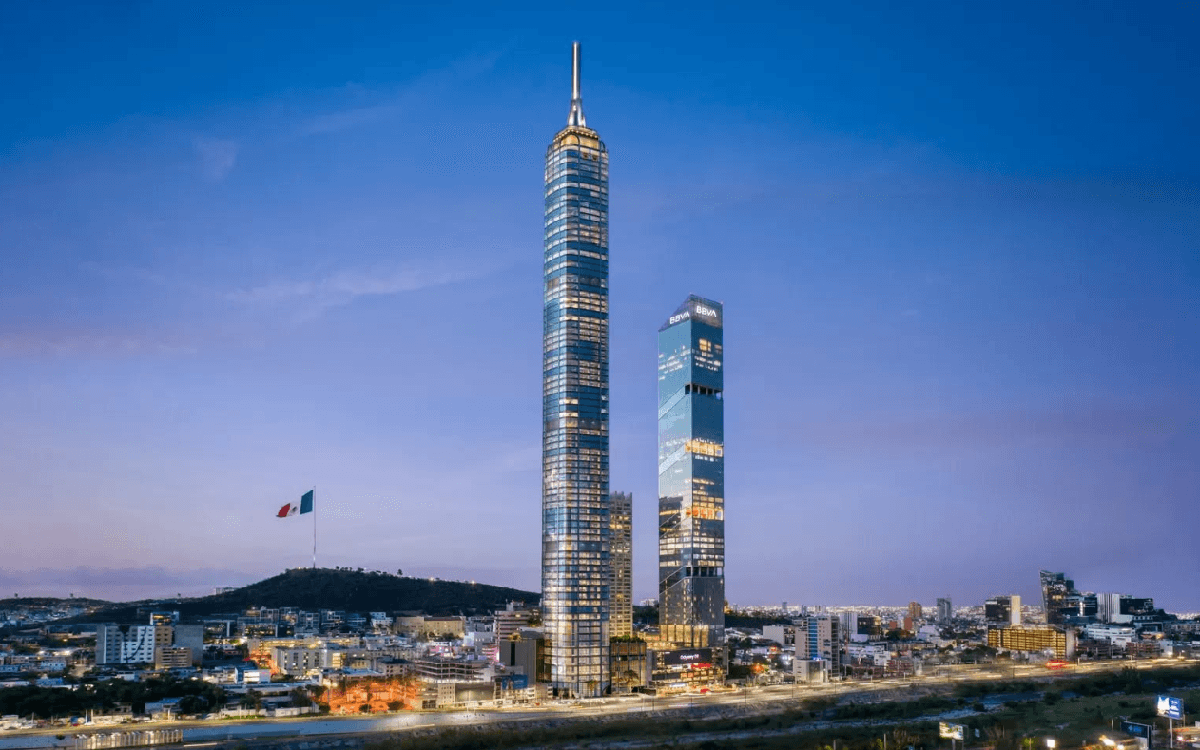
The pumping operation was managed by Pumping Team Mexico, utilizing a Sany HBT9050CH-5S stationary pump. The delivery system involved a massive network of pipes, including 385 meters of vertical tubing and 50 meters of horizontal placement at the base. Ensuring the concrete remained stable while being subjected to the extreme pressures required to push it hundreds of meters vertically necessitated a high degree of collaboration between the builders and material suppliers.
The Role of Material Innovation and Partnerships
Cemex, the global building materials giant headquartered in Mexico, played a pivotal role in the project’s success. The company developed custom concrete mixtures specifically tailored for the Torre Rise project. These mixtures were engineered not only for high compressive strength but also for durability and consistent workability over the extended duration of the pumping process.
According to technical documentation provided by the project leads, the concrete had to maintain its structural integrity while navigating the vertical pipe network. If the material were to lose its fluidity or begin to set prematurely, it could lead to blockages or structural weaknesses within the tower’s core and structural elements. The successful delivery of the concrete to heights exceeding 300 meters marks a milestone in Latin American construction, proving that complex, high-altitude concrete pouring can be achieved with modern chemical admixtures and high-pressure pumping systems.
Project Scope and Architectural Specifications
Torre Rise is an ambitious endeavor that covers a total floor area of approximately 185,000 square meters. The architectural breakdown of the tower reflects its multi-purpose nature:
- Office space: 35 floors dedicated to corporate use.
- Hotel: 10 floors managed by professional hospitality partners.
- Residential: 22 floors of luxury apartments.
- Commercial: 4 floors of retail space.
Beyond these core functionalities, the building features over 8,000 square meters of amenity space and 4,300 square meters of green space, emphasizing a move toward sustainable, mixed-use urban development. Accessibility and efficiency are handled by 35 high-speed elevators, designed to manage the flow of residents, office workers, and tourists throughout the 101-story structure.
A standout feature of the design is the "Sky Deck," located between floors 95 and 97. This observation deck is positioned over 400 meters above the ground, offering panoramic views of Monterrey and the surrounding mountains. This feature is expected to become a major tourist attraction, further cementing the tower’s status as a landmark for the city.
Structural Resilience and Wind Engineering
Given its height, Torre Rise was subjected to rigorous wind tunnel testing during the design phase. Skyscrapers of this magnitude are sensitive to lateral wind forces, which can cause vibrations that lead to structural fatigue or discomfort for occupants.
To mitigate these risks, the architects implemented a rounded tower silhouette, which disrupts wind flow and reduces the formation of vortex shedding. Furthermore, the structural design incorporates cross-bracing elements that enhance the building’s rigidity while controlling sway. The crown of the building is topped with a 72-meter steel architectural spire. While this spire is the primary contributor to the final 484-meter height, the main structural core concludes at the 101st floor, reaching an elevation of 412 meters.
Chronology and Future Outlook
The project has reached several critical milestones over the past two years:
- Foundation and Initial Construction: The initial phase focused on the deep foundation, requiring massive concrete pours to support the weight of the structure.
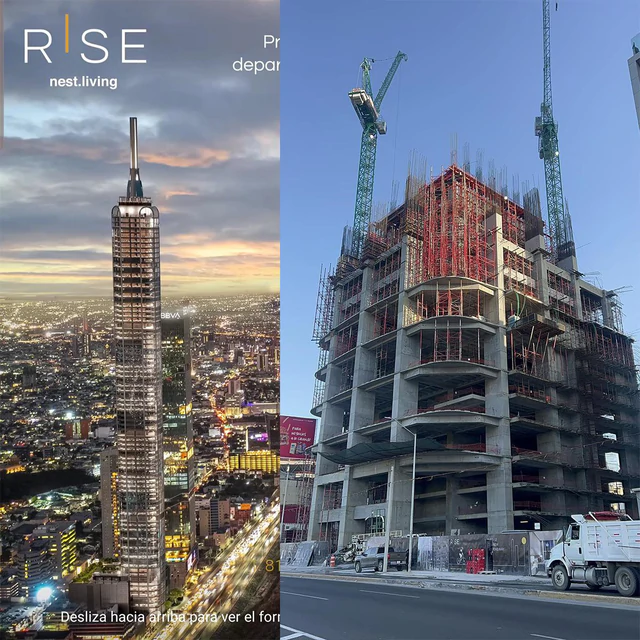
- Vertical Growth: The mid-section of the tower saw the systematic implementation of the high-pressure pumping systems.
- Topping Out: In early November 2026, the final floor was completed, marking the end of the primary structural construction phase.
With the structural framework now largely complete, the focus has shifted to interior fit-outs, façade installation, and systems integration. The project is currently on track for a full completion date in 2027.
Broader Implications for the Construction Industry
The success of Torre Rise serves as a case study for future high-rise developments in Latin America. As urban centers in the region continue to densify, the need for vertical expansion becomes more pressing. The techniques used at Torre Rise—specifically the integration of 90 MPa concrete with advanced, high-pressure pumping logistics—provide a roadmap for developers aiming to push the boundaries of vertical design in challenging seismic or environmental conditions.
Furthermore, the project highlights the importance of localized expertise. By partnering with companies like Cemex and Pumping Team Mexico, the developers were able to leverage regional knowledge to solve global-scale engineering challenges. This collaborative approach not only reduced the reliance on international consultancy but also helped stimulate the local economy, employing over 800 workers at the peak of the construction cycle.
As 2027 approaches, the completion of Torre Rise will represent more than just the tallest point on the Mexican map; it will stand as a benchmark for what can be achieved through the marriage of modern material science and structural ingenuity. The building is expected to catalyze further investment in the Obispado district, transforming it into a premier commercial and residential hub. For the city of Monterrey, the tower is a sign of economic maturation and a bold step into the future of urban architecture.
Related posts: