The coastal regions of the Mekong Delta, traditionally known for their unique soil compositions and climate, are undergoing a significant agricultural transformation. In Vĩnh Hải, Can Tho, many Khmer households have pivoted away from traditional crops, embracing the cultivation of asparagus—a high-value vegetable that has found an ideal home in the region’s sandy "giồng" (coastal ridge) soil. This transition is not merely a change in crops; it represents a strategic shift toward export-oriented agriculture, supported by local cooperatives and private sector partnerships.
The Rise of Asparagus in Sandy Terrain
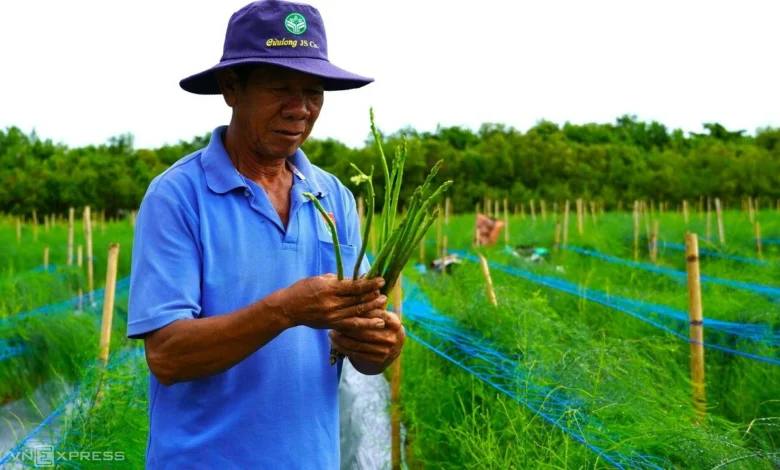
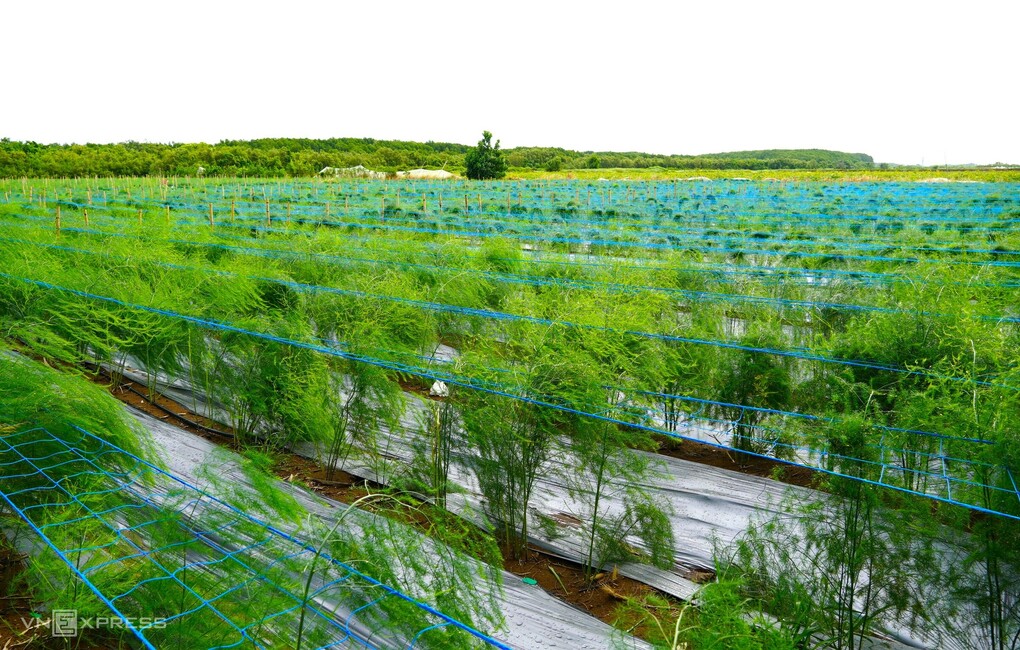
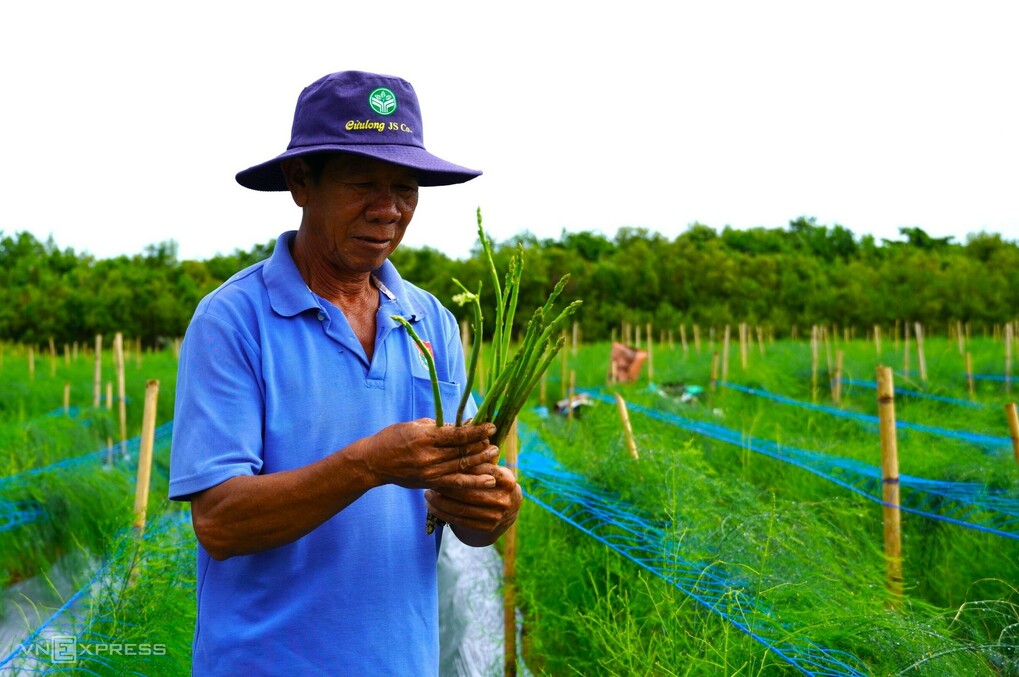
The shift is exemplified by the success of local farmers like Mr. Thạch Vương, who resides in Huỳnh Kỳ hamlet. After nearly seven months of trial and meticulous care, a 5,000-square-meter plot of his land has begun to yield regular harvests. This plot represents only half of his total one-hectare asparagus plantation, which currently produces more than 20 kilograms of produce daily.
Asparagus is notoriously demanding, requiring precise soil drainage and specific nutrient management. Unlike traditional lowland crops that thrive in alluvial silt, asparagus flourishes in the porous, well-draining sandy soil of the coastal ridges. Mr. Vương notes that while initial yields were modest, the plant’s maturity—typically reached after one year—has stabilized production levels. "Harvesting daily ensures a steady income flow, which has proven far more profitable and stable than the crops we previously relied upon," Vương stated during a recent inspection of his fields.
Cultivation Techniques and Technical Support
Successful asparagus farming in the Mekong Delta requires more than just suitable soil; it demands rigorous adherence to technical standards. The Vĩnh Hải agricultural model involves planting on raised beds—typically 1.2 meters wide and 30 centimeters high—with individual plants spaced 45 centimeters apart.

Mr. Đặng Hiệp Phố, a technical specialist from the local cooperative, explains that the seedlings are nurtured in nurseries for three months before being distributed to farmers. This ensures that the plants are resilient enough to survive the transition to the field. Furthermore, the sandy soil must be managed carefully to avoid waterlogging, despite the region’s high rainfall. Farmers are trained to use trellises and soft wire supports to keep the stems upright, preventing wind damage and ensuring the stalks remain straight and of high quality.
Cooperative Models and Market Integration
The economic viability of this transition is largely due to the "linkage model" facilitated by local cooperatives. Mr. Lý Hoàng, another farmer in the area, recently transitioned 2,000 square meters of land to asparagus with the support of the Hạnh Phúc Vĩnh Châu Cooperative. Through this partnership, farmers receive subsidized seedlings, fertilizers, and biological pesticides, alongside consistent technical guidance.
The cooperative plays a critical role in mitigating financial risk for the farmers. Initial investment costs are effectively deferred or reimbursed through the long-term production cycle. Once the plantations reach stable output, the cooperative facilitates the sale of the produce, ensuring farmers are not left at the mercy of volatile spot-market pricing.
Strategic Export Partnerships
The long-term vision for the region is tied to international standards. Mr. Thạch Dil, Director of the Hạnh Phúc Vĩnh Châu Cooperative, revealed that for the past two years, the cooperative has been working in partnership with a private enterprise based in Ninh Thuận to produce export-grade asparagus.
This partnership currently covers more than five hectares of land across Vĩnh Hải and Hiệp Thành (in Bac Lieu province), involving over ten farming households. The business model is rigorous: every batch of harvested asparagus undergoes residue testing to ensure it meets the stringent safety standards required for export markets in Taiwan and Japan.
"The market potential for high-quality, residue-free asparagus is immense," says Mr. Dil. "By consolidating the supply chain, we are not just selling vegetables; we are building a brand and a reputation for the region’s agricultural output."
Economic Data and Production Scaling
The financial incentive for farmers is clear. The cooperative currently purchases all output at an average price of 50,000 VND per kilogram. As production volumes scale and quality management becomes more standardized, the pricing structure is expected to become more dynamic, with top-tier product fetching between 45,000 and 65,000 VND per kilogram depending on market fluctuations.
The cooperative’s roadmap is ambitious. Plans are already underway to expand the total growing area to approximately 100 hectares by the end of 2027. This expansion is not limited to Vĩnh Hải; the cooperative is identifying similar sandy coastal regions in Cà Mau that share the same geological and climatic characteristics, providing a replicable model for other communities.
Socio-Economic Impact on the Khmer Community
The demographic impact of this agricultural shift is particularly significant. In Vĩnh Hải, where the Khmer community accounts for over 54% of the population, the introduction of high-value crops like asparagus is a vital tool for rural poverty alleviation.
Mr. Ngô Minh Tâm, Chairman of the Vĩnh Hải People’s Committee, emphasizes that the local government is actively coordinating with cooperatives to study the expansion of this model. "Our primary goal is to increase household income sustainably," Mr. Tâm stated. "By providing the necessary infrastructure and technical support, we are enabling our farmers to move up the value chain."
Broader Implications for Delta Agriculture
The success of the asparagus model in the Mekong Delta offers several key takeaways for regional development:
- Soil Optimization: It demonstrates the value of "under-utilized" land. Sandy ridges, often considered inferior for rice cultivation, are proving to be premium real estate for high-value horticultural crops.
- Risk Mitigation through Cooperation: The cooperative-led model effectively bridges the gap between smallholder farmers and international export markets, providing the necessary capital and technical oversight that individual farmers would struggle to secure alone.
- Sustainable Transition: By focusing on residue-free farming and long-term land management (where a single planting can be harvested for 6-7 years), the model promotes environmental sustainability while securing long-term economic stability.
A Path Forward
As the region moves toward 2027, the focus will remain on scaling the nursery capacity to keep pace with demand from new farmers. The commitment from private enterprises to sign long-term, stable contracts is expected to provide the security needed to encourage more households to switch from low-yield traditional farming to this more intensive, yet rewarding, agricultural path.
The transformation of the sandy coastal strips in the Mekong Delta into a thriving hub for export-grade asparagus stands as a testament to the power of combining traditional local knowledge with modern agricultural technology and corporate social responsibility. For the Khmer farmers of Vĩnh Hải, this transition is more than a change in crops—it is a pathway to modernization and increased prosperity in a rapidly changing global market.