Plantain Leaf as a Traditional Remedy for Urinary Tract Issues and Kidney Stones: Benefits, Limitations, and Medical Warnings

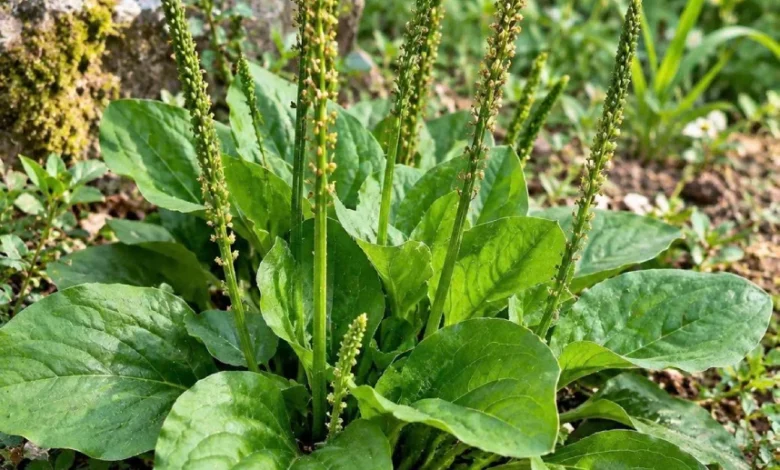
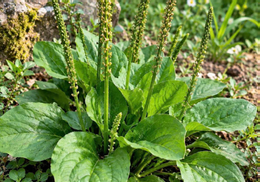
The common plantain, known scientifically as Plantago major and locally referred to as "mã đề" or "xa tiền," is a ubiquitous herbaceous perennial found flourishing along rural pathways, vacant lots, agricultural field margins, and domestic gardens. Despite its status as a common weed to the untrained eye, this resilient plant has occupied a foundational role in traditional medicine systems across various cultures for centuries. Both its leaves and seeds are frequently utilized in herbal concoctions designed to address urinary discomfort, alleviate symptoms associated with lower urinary tract conditions, and serve as a complementary agent in managing fluid retention.
However, as public interest in natural and herbal remedies continues to surge alongside modern lifestyles, medical professionals emphasize the critical need to balance traditional folk knowledge with contemporary clinical understanding. Questions regarding the safety, efficacy, and appropriate administration of plantain leaf decoctions—particularly among patients managing diagnosed conditions like nephrolithiasis (kidney stones)—require rigorous medical scrutiny rather than reliance on anecdotal practices alone.
Botanical Profile and Historical Significance in Traditional Medicine
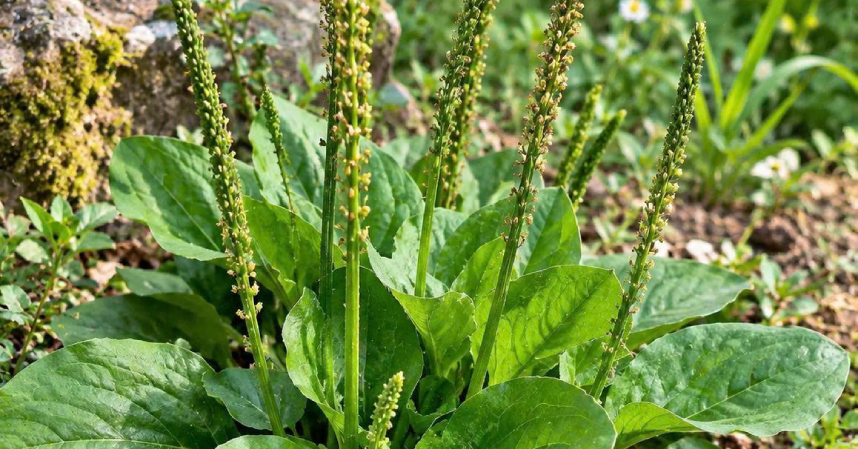
The plantain species is characterized by its rosette of broad, oval-shaped leaves that press closely against the soil surface, featuring prominent longitudinal veins and long, slender petioles. Its inconspicuous flowers develop along dense spikes rising from the center of the leaf cluster. Historically, herbalists and traditional practitioners have prized the plant for its distinct therapeutic properties.
According to traditional oriental medicine frameworks, plantain possesses a sweet taste and a cooling (han) property. It is traditionally ascribed with functions such as clearing heat (thanh nhiệt), promoting diuresis (lợi tiểu), and unblocking the urinary passages (thông lâm). Because of these properties, folk medicine has long integrated the herb into remedies aimed at mitigating dysuria (painful urination), strangury (slow and painful discharge of urine), generalized edema, and respiratory irritation manifested as coughs.
In traditional practice, the leaves and seeds are rarely used in isolation for complex internal ailments. Instead, they are frequently combined with a synergistic array of other medicinal herbs. Traditional formulations for supporting urinary tract health often incorporate plantain alongside species such as Imperata cylindrica (thạch cỏ tranh), Orthosiphon stamineus (bông mã đề / râu mèo), Polygonum aviculare (rau đắng), Lygodium japonicum (kim tiền thảo), Achyranthes bidentata (ngưu tất), Leonurus japonicus (ích mẫu), and licorice root. These multi-herb decoctions are typically administered over a continuous period ranging from 7 to 10 days to alleviate acute inflammatory symptoms of the urinary tract.
Clinical Realities and the Management of Kidney Stones
A prevalent misconception among patients suffering from renal calculi, or kidney stones, is that consuming herbal diuretics like plantain leaf water can single-handedly dissolve or flush out mineral deposits. Medical experts, including traditional medicine practitioners and urologists, caution that folkloric recipes and traditional combinations do not equate to clinically proven lithotriptic treatments—methods capable of dissolving or safely expelling established urinary stones.
The actual therapeutic efficacy of any herbal diuretic regimen depends heavily on a multitude of individual clinical factors. These variables include the physical dimensions, chemical composition, and exact anatomical location of the renal calculus, as well as the patient’s overall physiological profile and underlying renal function. While mild, microscopic gravel or exceptionally small calculi (often referred to in clinical settings as "sand") may occasionally pass spontaneously through increased fluid diuresis, larger stones or those causing anatomical obstruction present severe risks.
When a stone blocks the ureter, forcing increased urine production through aggressive herbal diuresis without medical clearance can exacerbate patient discomfort, cause severe renal colic, or lead to acute urinary retention and hydronephrosis. Consequently, physicians strongly advise against self-prescribing multi-herb mixtures or attempting to self-treat diagnosed renal stones without professional diagnostic imaging and ongoing clinical supervision. Adequate hydration remains a cornerstone of conservative stone management, but it must be tailored precisely to the specific type of stone diagnosed and executed under strict medical guidance.
Safety Protocols, Quality Control, and Contraindications
The accessibility of wild-growing botanicals often leads to the dangerous assumption that natural remedies are entirely benign and devoid of adverse effects. Healthcare specialists stress that plantain is not a casual herb intended for arbitrary harvesting and unrestricted consumption.
Several critical safety parameters must be observed prior to utilizing plantain-based preparations:
- Botanical Authentication and Purity: Herbal materials must be accurately identified to prevent accidental ingestion of toxic look-alike species. Furthermore, plants gathered from roadsides, agricultural fields, or industrial peripheries are highly susceptible to environmental contamination, including heavy metals, pesticide residues, and pathogenic microorganisms.
- Underlying Health Conditions: Individuals diagnosed with chronic kidney disease, severe cardiovascular disorders, heart failure, or electrolyte imbalances must exercise extreme caution. Because plantain exerts a diuretic effect, it directly influences fluid balance and renal filtration rates.
- Drug-Herb Interactions: Patients currently prescribed pharmaceutical medications—particularly diuretics, antihypertensives, or cardiac glycosides—face potential adverse drug interactions when combining therapies with potent herbal diuretics.
- Vulnerable Populations: Pregnant women, nursing mothers, and pediatric patients should strictly avoid self-administered herbal treatments unless explicitly prescribed and monitored by a qualified healthcare professional.
Broader Implications for Integrative Healthcare
The growing reliance on traditional herbal supplements alongside conventional Western medicine highlights an evolving landscape in modern public health. Integrative medicine seeks to bridge the gap between ancestral knowledge and evidence-based clinical practices. However, this convergence requires heightened public health education to ensure patients understand the limitations of folk remedies.
Public health analysts point out that while traditional botanicals like plantain offer legitimate supportive value for mild, self-limiting urinary discomforts, they cannot substitute for comprehensive medical evaluations, targeted pharmacological interventions, or surgical procedures when dealing with obstructive pathologies. As lifestyle-related metabolic conditions and renal issues continue to affect global populations, healthcare systems must advocate for transparent communication between patients and medical practitioners regarding supplement use. Ultimately, ensuring optimal health outcomes for patients managing urological conditions relies on informed clinical decision-making, professional botanical standardization, and a commitment to safety above unverified folk traditions.