Behind the Screen of Sex Education: Scandals, Legal Battles, and the Dark Side of Global Stardom

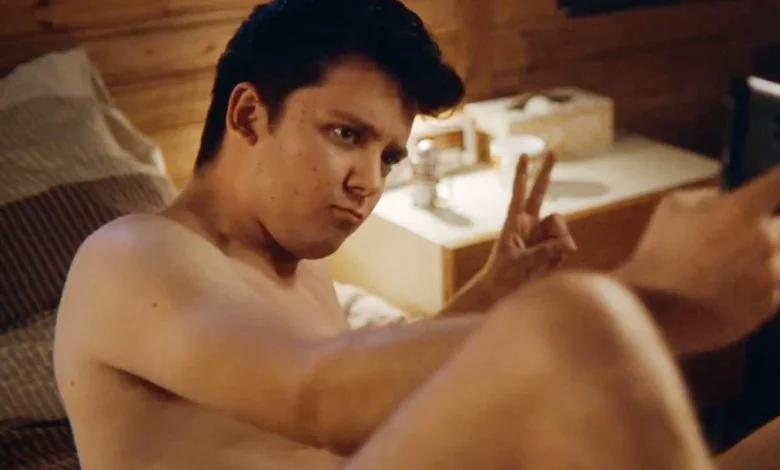
Sex Education, the critically acclaimed British teen comedy-drama series created by Laurie Nunn for Netflix, captured the global zeitgeist upon its premiere in January 2019. Praised for its frank, empathetic, and humorous exploration of adolescent sexuality, identity, mental health, and personal growth, the show quickly became a cultural phenomenon. Over its four-season run, the series amassed millions of dedicated viewers worldwide, earning widespread praise for demystifying teenage experiences and addressing complex interpersonal dynamics with nuance and inclusivity. However, while the fictional halls of Moordale Secondary School became a symbol of progressive television, the real lives of several cast members have subsequently become embroiled in controversies, legal battles, and intense public scrutiny off-screen. The contrast between the show’s wholesome, educational messaging and the real-world troubles faced by select actors has sparked fierce debates regarding celebrity culture, accountability, institutional justice, and the boundaries of privacy in the digital age.
The Legal Downfall of Alexander Westwood: A Landmark Sexual Offense Case
The most severe legal controversy associated with an alumnus of the series involves Alexander Westwood, a minor cast member who appeared in the background of Sex Education as a student. In February 2025, Westwood was sentenced to 15 years and six months in prison following a lengthy investigation and subsequent trial in the United Kingdom, where he was convicted of 26 separate offenses relating to sexual assault and exploitation against multiple victims.
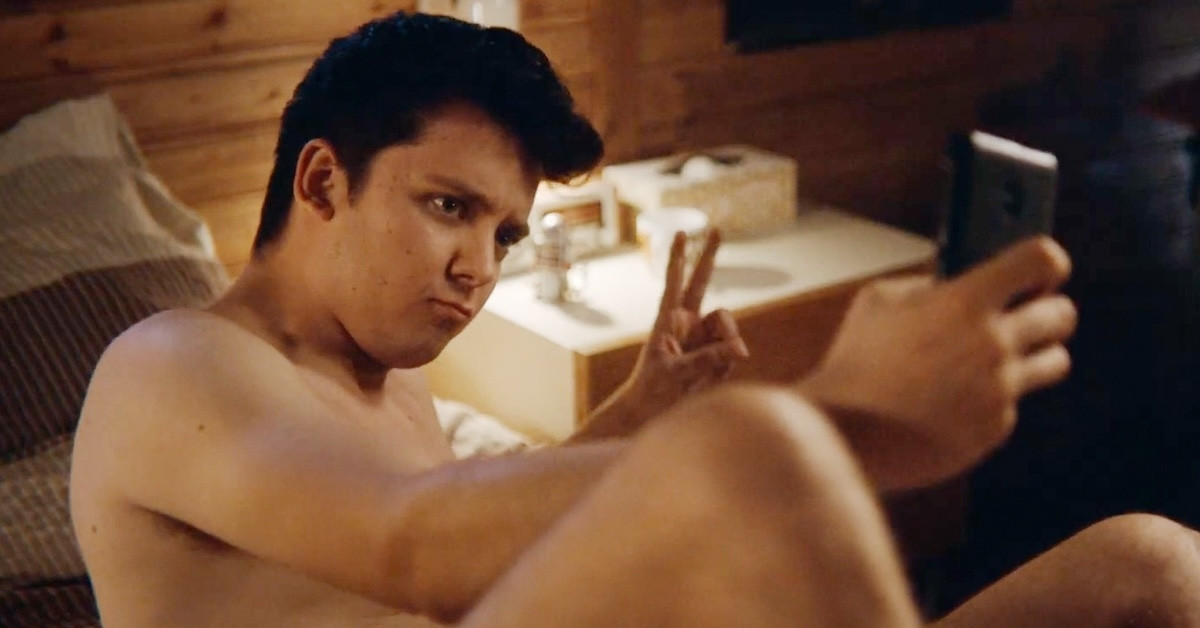
Court documents and testimonies revealed a disturbing pattern of manipulation, grooming, and abuse. Westwood had leveraged his minor association with the hit Netflix show, alongside local acting classes he taught, to cultivate trust among young and impressionable girls. Several victims were under the legal age of consent at the time the offenses occurred. Many of the individuals targeted had initially approached the former actor seeking professional mentorship and guidance in the entertainment industry, only to be systematically manipulated and victimized by someone they trusted.
During the sentencing hearing, the presiding judge emphasized the calculated nature of Westwood’s actions, noting that he deliberately targeted vulnerable minors and showed a profound lack of genuine remorse for the devastation he caused. The verdict sent shockwaves through the British entertainment industry and ignited a wave of public outrage, particularly given that the abusive behavior had persisted over several years before coming to light. The case highlighted the dark reality of individuals using fringe industry connections to prey on aspiring young talent, prompting renewed calls for rigorous background checks and safeguarding protocols within youth-oriented creative academies and local casting networks.
Reece Richards and the Accusations of Institutional Racial Profiling
While Westwood faced criminal prosecution, another cast member found himself at the center of a high-profile dispute with law enforcement regarding systemic bias and the excessive use of force. Reece Richards, who portrayed the character Eugene in Sex Education, made international headlines following an incident with the Metropolitan Police in London in 2024.

The confrontation occurred while Richards was en route to a theatrical performance. Having witnessed a traffic accident, the actor intentionally yielded his vehicle to allow police officers to pursue fleeing criminal suspects. However, due to miscommunication and a rapid tactical response, law enforcement officers misidentified Richards as one of the suspects. Despite having no connection to the ongoing investigation, Richards was subjected to aggressive police tactics, including being pepper-sprayed, handcuffed, and forced to the ground.
Deeply distressed by the treatment he received, Richards publicly condemned the actions of the officers, accusing the department of using excessive force and exhibiting racial profiling. The incident triggered widespread protests and reignited long-standing national debates surrounding institutional racism and the protocols governing police stops in the United Kingdom.
The case underwent rigorous internal review by the Independent Office for Police Conduct (IOPC). In May 2025, the oversight body officially concluded its investigation, determining that the use of force by the participating officers was deemed lawful and proportionate given the chaotic circumstances of the active pursuit. Consequently, Richards was cleared of any wrongdoing and released from custody without charges, though the incident left a lasting mark on public discussions regarding civil liberties, law enforcement accountability, and the treatment of minority citizens.
Asa Butterfield and the Ongoing Debate Over Celebrity Privacy and Fan Boundaries

On a different scale of public controversy, series lead actor Asa Butterfield, who portrayed the insecure teenage sex therapist Otis Milburn, became the focal point of a heated debate regarding celebrity privacy, digital harassment, and the behavioral expectations of fans in public spaces.
The incident unfolded in 2021 when Butterfield, seeking personal time away from the pressures of his career, was repeatedly approached by individuals attempting to film and photograph him without consent while he was dining and socializing in public. Visibly frustrated by the intrusion, Butterfield took to Twitter—now rebranded as X—to voice his grievances directly.
"I’m genuinely exhausted by people filming and taking photos of me without asking when I’m out trying to enjoy my personal time," Butterfield wrote. "It ruins a nice evening, please just leave me alone."
When a subset of social media users criticized his blunt delivery and accused him of being ungrateful to the fanbase that propelled his career, the actor defended his stance sharply. He revealed that during the evening in question, he had been forced to repeatedly swat away multiple mobile phones that were being covertly and aggressively held up to his face throughout the entire night.

The actor’s candid remarks instantly polarized internet users. One faction argued that Butterfield was being excessively harsh, arrogant, and dismissive of the supporters who sustained his professional success. Conversely, a large segment of the entertainment community and sympathetic fans defended his reaction, arguing that public figures retain an inherent right to personal privacy and safety. This camp maintained that the incident highlighted a broader, systemic issue regarding the erosion of boundaries in modern fan culture, where the widespread use of smartphones has transformed public spaces into potential surveillance zones for celebrities, often stripping them of basic human consideration.
Broader Industry Implications and the Legacy of Sex Education
The accumulation of off-screen controversies involving various cast members—ranging from severe criminal convictions to disputes with law enforcement and public clashes with fandoms—has cast a complex shadow over the legacy of Sex Education. While the series itself remains celebrated for its progressive educational curriculum, groundbreaking representation of LGBTQ+ youth, and open dialogues surrounding reproductive health and emotional maturity, the real-world actions of its personnel serve as a reminder of the stark dichotomy between art and reality.
Media analysts and industry experts point to these events as indicative of the broader challenges facing modern entertainment conglomerates. As streaming platforms expand their global footprints and launch relatively unknown actors into instant worldwide stardom, the necessity for robust support systems, psychological counseling, and legal safeguarding becomes paramount. The sudden transition from obscurity to international fame can create volatile environments for young performers who may lack the media training or emotional maturity to navigate the intense scrutiny of the digital age.

Furthermore, the legal and social repercussions faced by individuals associated with the show emphasize that artistic achievement does not insulate anyone from the consequences of unlawful or unethical behavior. Institutional responses to cases like that of Alexander Westwood demonstrate a growing zero-tolerance approach within the legal system toward predatory behavior masked by industry prestige. At the same time, incidents involving Reece Richards and Asa Butterfield underscore the ongoing societal friction points concerning civil rights, institutional accountability, and the evolving boundaries of interpersonal respect in an increasingly hyper-connected society.
Ultimately, while Sex Education will be remembered as a landmark television series that redefined how modern media approaches youth culture and interpersonal relationships, its off-screen narrative offers a sobering lesson. The challenges of accountability, privacy, and justice continue to transcend the fictional boundaries of the screen, proving that the lessons taught in television classrooms are often far easier to script than they are to apply in the unpredictable reality of the entertainment industry.