Post-Election Israel Faces Critical Strategic Crossroads Amid Escalating Tensions with Iran and US Political Pressures

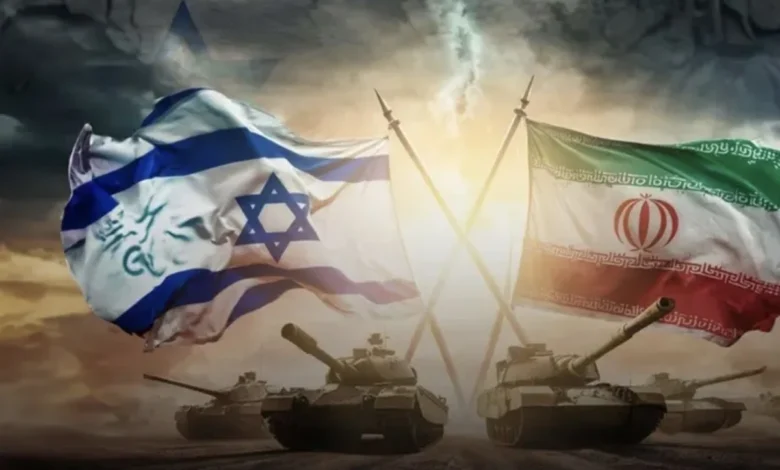
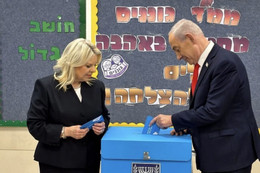
The recent general election in Israel has plunged the nation into a complex political and strategic labyrinth, unfolding against the backdrop of an ongoing, volatile confrontation with Iran. As the dust settles on a historic electoral cycle characterized by record-high voter turnout, political analysts and international observers are closely examining how the shifting configuration of Tel Aviv’s leadership will influence its long-term and immediate military strategies toward Tehran. With the incumbent government struggling to secure a definitive parliamentary majority, the intersection of domestic coalition-building and high-stakes Middle Eastern geopolitics has created an unprecedented moment of uncertainty.
Electoral Deadlock and the Parliamentary Math
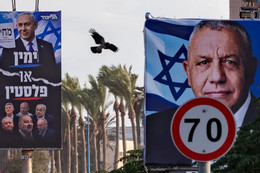
Preliminary results from the Central Election Committee (CEC) following the legislative vote on October 27 indicate a deeply fractured Knesset. While Prime Minister Benjamin Netanyahu’s right-wing bloc has performed resiliently—projected to secure approximately 53 seats—it remains short of the 61-seat threshold required to govern without forging broad alliances. Meanwhile, the opposition bloc, spearheaded by former Chief of General Staff and Yashar Party leader Gadi Eisenkot, has captured roughly 48 seats, presenting a formidable challenge to the incumbent administration and fueling a revitalized anti-Netanyahu movement.
The voter turnout observed during this election cycle was the highest recorded in Israel in nearly four decades, reflecting a deeply engaged citizenry galvanized by existential security concerns and domestic polarization. However, the lack of an immediate, clear-cut winner has thrust the country into a delicate transition phase. Because no single political faction commands an outright majority, both Netanyahu and Eisenkot are forced to navigate a treacherous path of coalition negotiations involving smaller sectarian, ultra-Orthodox, and secular parties.
The Coalition Hurdle and the Liberman Factor
The trajectory of Israel’s executive branch now hinges heavily on intricate backroom negotiations that could stretch well into early November. Avigdor Liberman, leader of the Yisrael Beytenu party and a crucial political kingmaker allied with the opposition, faces a profoundly difficult calculus as final vote counts are certified. Liberman must decide whether to break political deadlocks by negotiating with Arab factions, reaching an unlikely compromise with Netanyahu, or pushing the nation toward a destabilizing second round of voting.
Even if opposition leaders manage to initiate formal talks for a new government, the process is fraught with friction. Competing demands among coalition partners over cabinet portfolios, judicial reforms, and budgetary priorities typically require weeks or even months of arduous bargaining. This procedural inertia inadvertently grants Prime Minister Netanyahu significant latitude in the interim, potentially leaving him unconstrained by domestic consensus if he chooses to pursue aggressive military initiatives.
Military Strategy and the Shadow of Washington
At the heart of the current strategic debate is the question of whether Israel will launch preemptive military strikes against Iranian nuclear and ballistic missile infrastructure. Over recent weeks, Prime Minister Netanyahu has reportedly weighed the prospect of intensifying the conflict with Tehran. However, this aggressive posture has faced notable internal pushback from key military and international figures, including IDF Chief of General Staff Lieutenant General Eyal Zamir, who has argued that Iran remains distant from achieving an immediate, operational nuclear weapon capability.
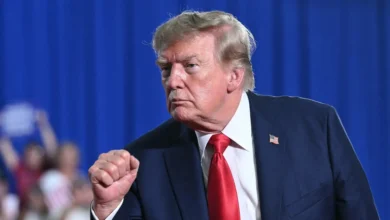
Furthermore, Washington’s stance serves as a paramount variable in Tel Aviv’s calculus. US President Donald Trump has expressed mixed signals regarding military escalation. While the Trump administration generally supports Israel’s security objectives, key U.S. advisors have cautioned against precipitate military action that could derail diplomatic initiatives or trigger widespread regional destabilization. Notably, domestic political considerations in the United States—specifically the impending midterm elections scheduled for November 3—have previously acted as a constraint on major military undertakings.
President Trump’s reluctance to endorse pre-election strikes stems from concerns over potential electoral fallout and volatility in global energy markets. Nevertheless, political analysts suggest that once the U.S. midterms conclude, the constraints binding Washington’s foreign policy could loosen, potentially aligning US and Israeli willingness to take decisive action against Iranian assets if diplomatic pathways remain deadlocked.
Chronology of Recent Escalations and Diplomatic Shifts
The historical trajectory of Israel-Iran relations in recent years has been marked by periodic escalations, direct retaliatory strikes, and shifting diplomatic alignments:
- June 2025: A series of coordinated aerial maneuvers and limited exchanges between Israel and Iran prompt international calls for restraint, temporarily halting major open warfare.
- Early 2026: Heightened intelligence reports regarding Iran’s uranium enrichment levels prompt intense deliberations within the Israeli security cabinet regarding preventive neutralization strategies.
- October 27, 2026: Israel holds a historic parliamentary election amid record voter turnout, reflecting deep public division over national security and governance.
- October 28–30, 2026: Vote counting reveals a hung parliament, sparking intense coalition negotiations between the Netanyahu bloc and the Eisenkot-led opposition.
- November 3, 2026: Scheduled date for the United States midterm elections, a milestone widely anticipated by foreign policy strategists as a potential turning point for international alignment on Middle Eastern interventions.
Implications for Regional Security and International Markets
The convergence of political uncertainty in Israel and strategic posturing toward Iran carries profound implications for global security and economic stability. Energy markets remain acutely sensitive to any prospect of military conflict in the Persian Gulf, where critical shipping lanes such as the Strait of Hormuz could be compromised. A large-scale military engagement would likely trigger immediate spikes in global oil prices and necessitate heightened security postures across international supply chains.
From a diplomatic standpoint, the potential formation of a new Israeli government—or the survival of a Netanyahu-led administration strengthened by national security imperatives—will redefine diplomatic engagements with Western allies and regional partners. If Prime Minister Netanyahu utilizes the ongoing coalition crisis to consolidate nationalist public sentiment around the Iranian threat, domestic political pressure against diplomatic compromise will intensify. Conversely, should the opposition successfully broker a coalition, a renewed emphasis on multilateral diplomacy and coordination with Washington could temporarily de-escalate regional tensions.
As Israel navigates the delicate aftermath of its most consequential election in decades, the decisions made in the corridors of power in Tel Aviv and Washington over the coming days will determine whether the Middle East edges closer to a broader conflagration or finds a precarious equilibrium through strategic deterrence and renewed diplomatic engagement.