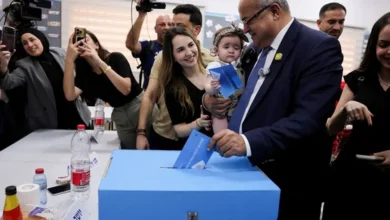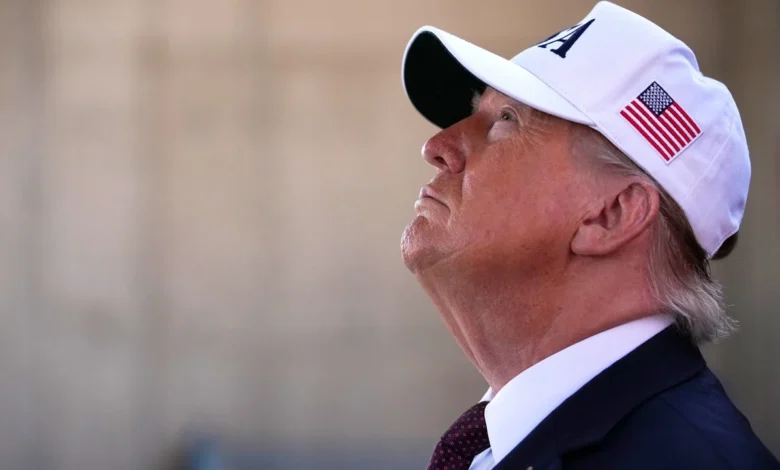
The recent mid-term election results have sent shockwaves through the American political landscape, signaling a historic erosion of the support base that once propelled former President Donald Trump to the pinnacle of power. Just two years into his second term, which began in 2024 with a commanding mandate across key battleground states, the political infrastructure surrounding the former president is showing unprecedented signs of fragility. As core demographic groups and traditional conservative allies begin to distance themselves from his chosen candidates, analysts are describing the shift as a potential turning point in the trajectory of the Republican Party.
A Historic Reversal of Fortune
The mid-term electoral cycle was expected to be a consolidation of power for the Republican Party, yet the reality proved to be a stark departure from such projections. Across critical legislative races in states like Texas, South Carolina, and Kentucky, voters decisively rejected candidates aligned with the "MAGA" (Make America Great Again) movement. In some instances, districts that had favored Republican candidates by double-digit margins in 2024 saw the Democratic opposition secure unexpected victories.
According to Aaron Zitner, a political commentator for the Wall Street Journal, the speed and scale of this shift are rare in the annals of American politics. "It is seldom that a former president loses political capital this quickly and extensively," Zitner noted, emphasizing that the results suggest a fundamental disconnect between the current Trump-led agenda and the evolving priorities of the American electorate.
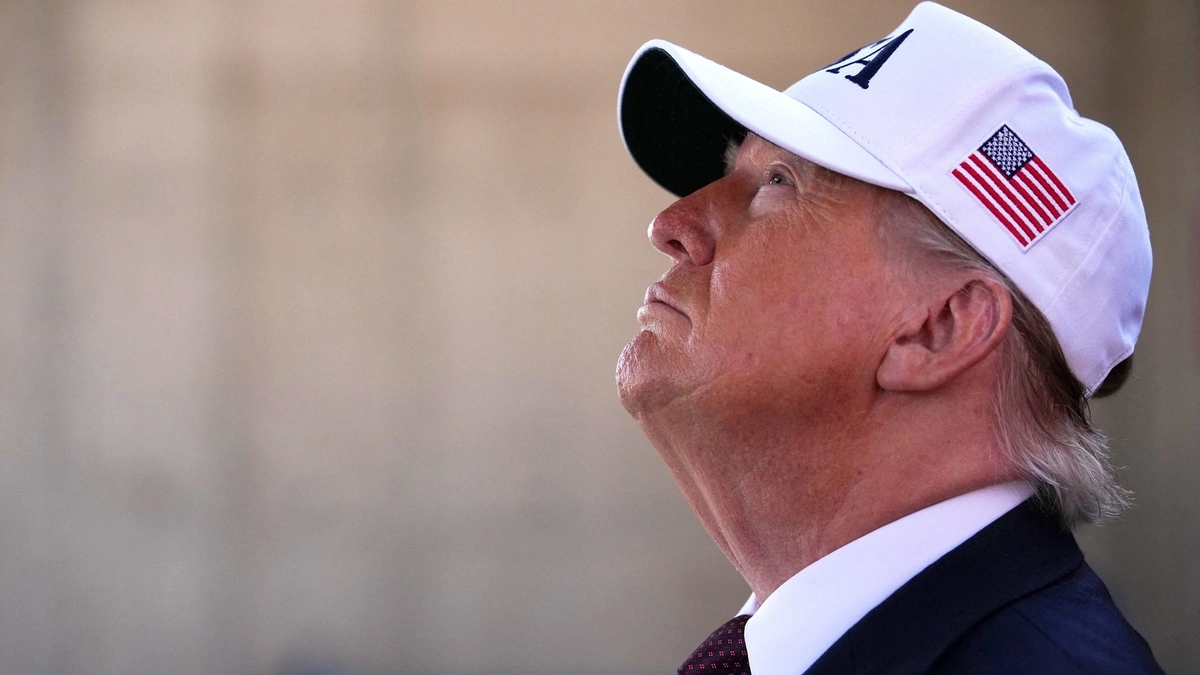
Economic Headwinds and Voter Dissatisfaction
At the heart of this dissatisfaction lies the persistent issue of economic stability. Despite the administration’s initial claims of progress, voters have cited rising inflation, stagnant real wages, and the escalating cost of living as primary drivers for their departure from the Republican fold. Independent and suburban voters, who were once the swing demographic essential to Republican victories, have shifted their allegiances, expressing frustration with policies that they believe have exacerbated economic inequality.
Furthermore, Vice President JD Vance has acknowledged that external pressures, including the evolving geopolitical situation in Iran and the broader instability in the Middle East, have played a role in the voter exodus. These international challenges have forced the administration to defend its foreign policy, which many constituents now perceive as reactive rather than strategic.
The Erosion of the MAGA Coalition
For years, the MAGA movement operated as an unconventional political engine, capable of mobilizing voters by bypassing traditional media and government power structures. However, the 2026 mid-term results indicate that this movement is now facing significant internal friction. The strategy of intervention in primary elections, which saw the president personally endorsing candidates who often lacked broad appeal, has backfired.
In South Carolina, voters rejected Senatorial candidate Darline Graham, an Trump-backed figure, effectively handing a victory to the Democratic party for the first time in 28 years. Similarly, in Texas, the attempt to shield Attorney General Ken Paxton from legal scrutiny—amidst allegations of corruption—resulted in a backlash that paved the way for Democratic candidate James Talarico to win, marking a historic shift in the state’s legislative representation.
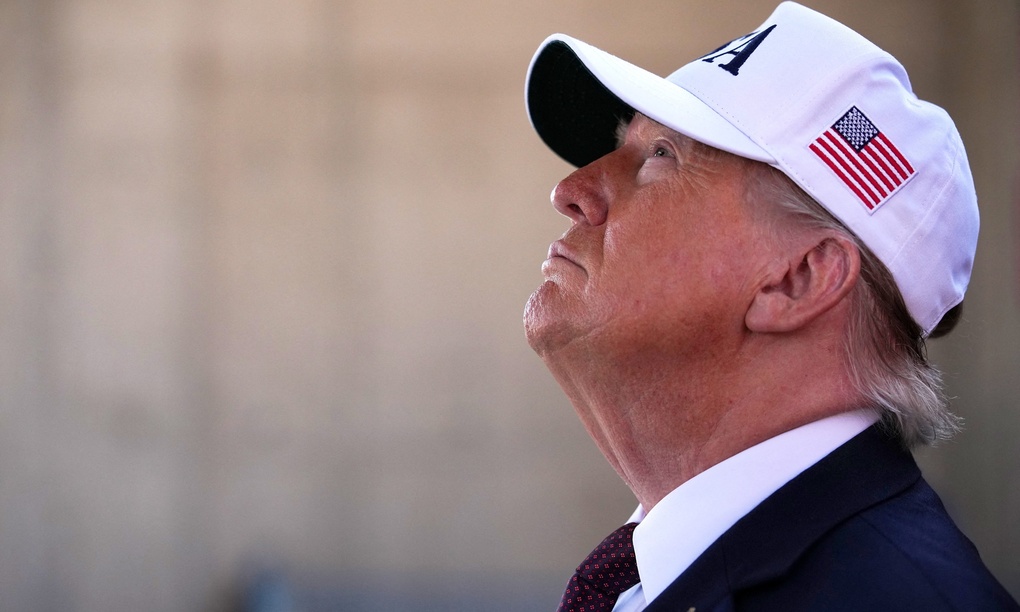
Data and Electoral Trends
The data collected by research organization SSRS through a survey of 75,000 mid-term voters provides a clear picture of this disenchantment. The survey revealed that more than 25% of self-identified Republican supporters admitted that the tariffs championed by the administration have negatively impacted their local economies. A similar proportion expressed the view that the administration’s policy trajectory has contributed to a decline in their quality of life.
The disparity in party unity is also striking. In Texas, for instance, Democratic candidates were able to capture nearly 99% of their party’s base, while Republican candidates struggled to reach even 90% of their traditional support, with a significant number of independent voters opting for the Democratic ticket by a margin of nearly 30 percentage points. This lack of cohesion within the Republican ranks has been identified by experts as a critical factor in the party’s poor performance.
Reactions from the Political Establishment
The fallout from the election has prompted calls for a major realignment within the Republican Party. Tom Rath, a former member of the Republican National Committee in New Hampshire, described the results as a "real-time slaughter."
"What transpired today is a tectonic shift in American politics," said Jason Villalba, a former Republican representative from Texas. "The Trumpian ideology has been effectively rejected by the mainstream, and the party must now confront the reality that its current path is unsustainable."
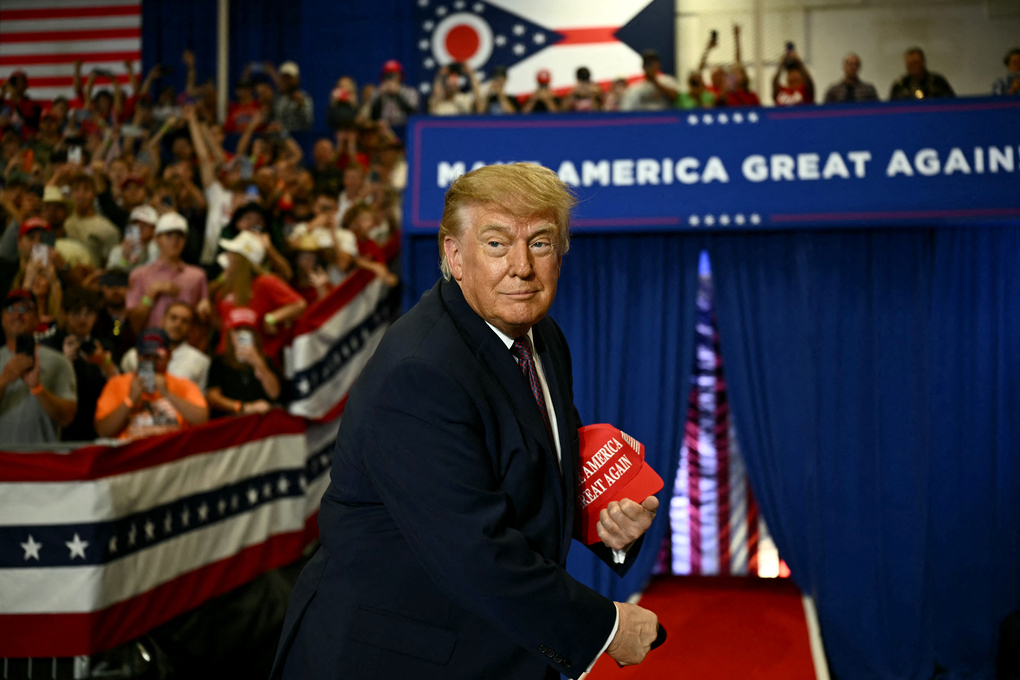
Many traditionalists within the party argue that by labeling dissenters as "Republicans in Name Only" (RINOs) and fostering a confrontational political culture, the leadership has alienated the very moderates necessary for a sustainable governing majority. Steve Israel, a former Democratic congressman from New York, commented that the election results serve as a definitive rebuke of the administration’s reliance on "emotional, divisive governance" rather than analytical policy-making.
Long-term Implications and Future Outlook
The mid-term results have not only altered the balance of power in Congress but have also significantly reshaped the landscape for the 2028 presidential race. The Democratic Party now sees a tangible path to reclaiming battleground states such as Ohio, Iowa, and North Carolina—states that were once synonymous with the "Obama coalition" before shifting to support Donald Trump in previous cycles.
Political analysts suggest that the Democratic strategy of highlighting the financial and administrative instability of the current administration has been highly effective. Looking ahead, the Democrats are expected to focus on a platform of economic recovery, healthcare expansion, and the restoration of institutional oversight, which appear to resonate strongly with the current mood of the electorate.
For the Republican Party, the challenge lies in reconciling its base with the broader needs of the country. The "conservative" identity remains, but the consensus among party strategists is that the current approach is failing to address the concerns of the modern voter. The risk for the GOP is a continued period of internal stagnation if they fail to distance themselves from the divisive rhetoric that has characterized the last few years.
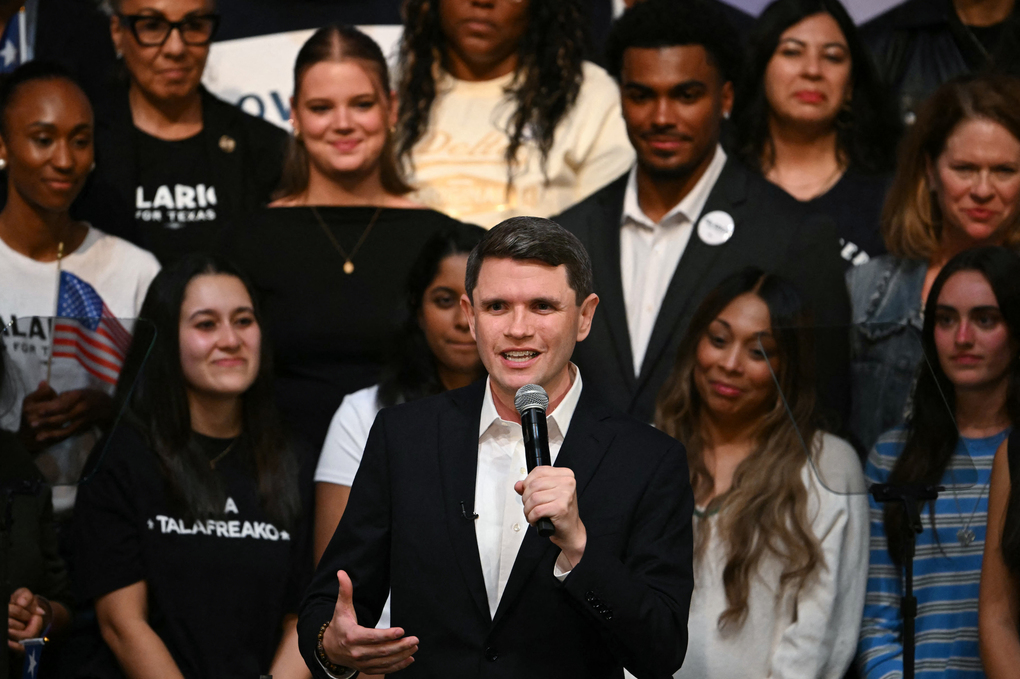
As the dust settles, one thing remains clear: the political map of the United States is in a state of flux. The reliance on a singular, personality-driven movement has hit a wall of voter reality. Whether the Republican Party can undergo a successful transition to a more inclusive, policy-oriented platform remains the central question of the post-2026 era. For now, the loss of key congressional seats and the fragmentation of the base serve as a sobering indicator that the era of uncontested Trumpian influence may be drawing to a close.
Related posts: