The vibrant cultural landscape of Ho Chi Minh City recently served as the backdrop for a profound exploration of heritage, craftsmanship, and national identity during the special exhibition titled Bac Di San – May Tham Ngang Doi (Silver Heritage – Floating Across Lives). Held on November 21 and 22 at the Institute for Cultural Exchange with France (IDECAF), the two-day public event was meticulously organized to celebrate and honor the upcoming Vietnam Cultural Heritage Day on November 24. Free of charge to the public, the exhibition bridged historical artistry with contemporary living, offering visitors a rare opportunity to engage with silver not merely as a precious commodity, but as an enduring narrative woven into the fabric of Vietnamese civilization.
Co-organized by the Ancarat Precious Metals Joint Stock Company in strategic partnership with IDECAF, the Tra Viet Cultural Heritage Connection Branch, and the Cho Lon Saigon Cultural Heritage Branch, the exhibition represented a multi-sectoral collaborative effort. Cultural preservationists, traditional artisans, and corporate leaders united under a common vision: to revitalize interest in traditional Vietnamese silver craftsmanship and integrate ancient aesthetics into the modern lifestyle. The event drew hundreds of visitors, including historians, students, art collectors, and members of the general public eager to reconnect with traditional material culture.
Bringing Vietnamese Silver Heritage Closer to the Public
Throughout history, silver has occupied a unique and revered position in Vietnamese society. Beyond its intrinsic monetary value and ornamental appeal, it has served as a medium for artistic expression, a repository of familial wealth, and an integral component of daily rituals. The exhibition successfully captured this multifaceted legacy by curating a diverse array of artifacts ranging from traditional betel boxes shaped like auspicious water buffaloes—symbolizing agricultural prosperity and the foundational myth of Lac Long Quan and Au Co—to historical coinage, intricately crafted hairpins, delicate tea sets, spoons, and everyday household utensils.
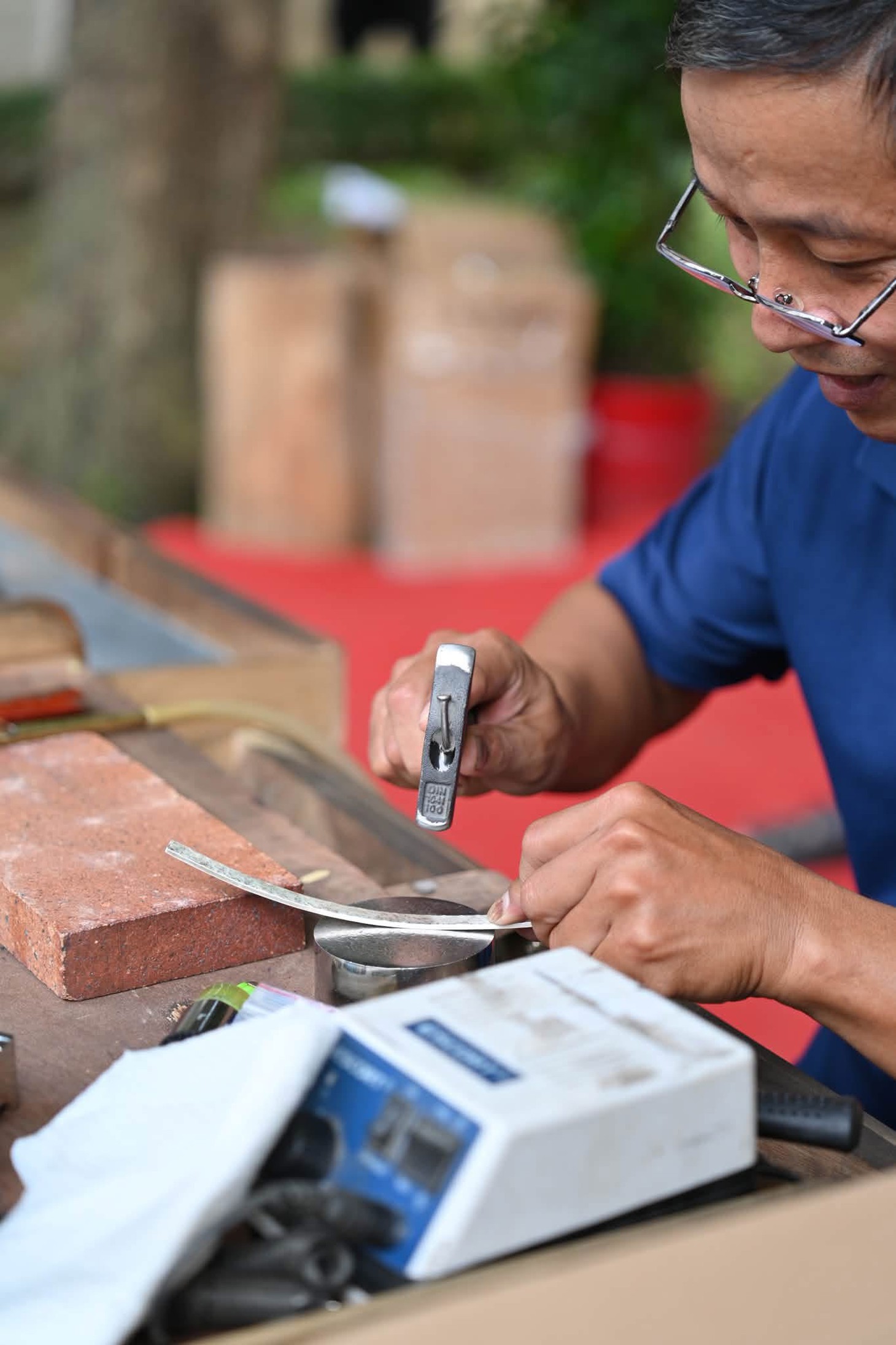
Rather than displaying these items statically behind glass panels in a traditional museum setting, the organizers curated an interactive, sensory-rich environment. Visitors were encouraged to perceive silver through its tactile qualities, artistic value, and the rich cultural stories embedded within each handcrafted piece. This dynamic presentation dismantled the barrier between historical preservation and contemporary living, allowing attendees to visualize how ancestral craftsmanship continues to resonate within modern spaces.
Immersive Workshops and Traditional Tea Culture
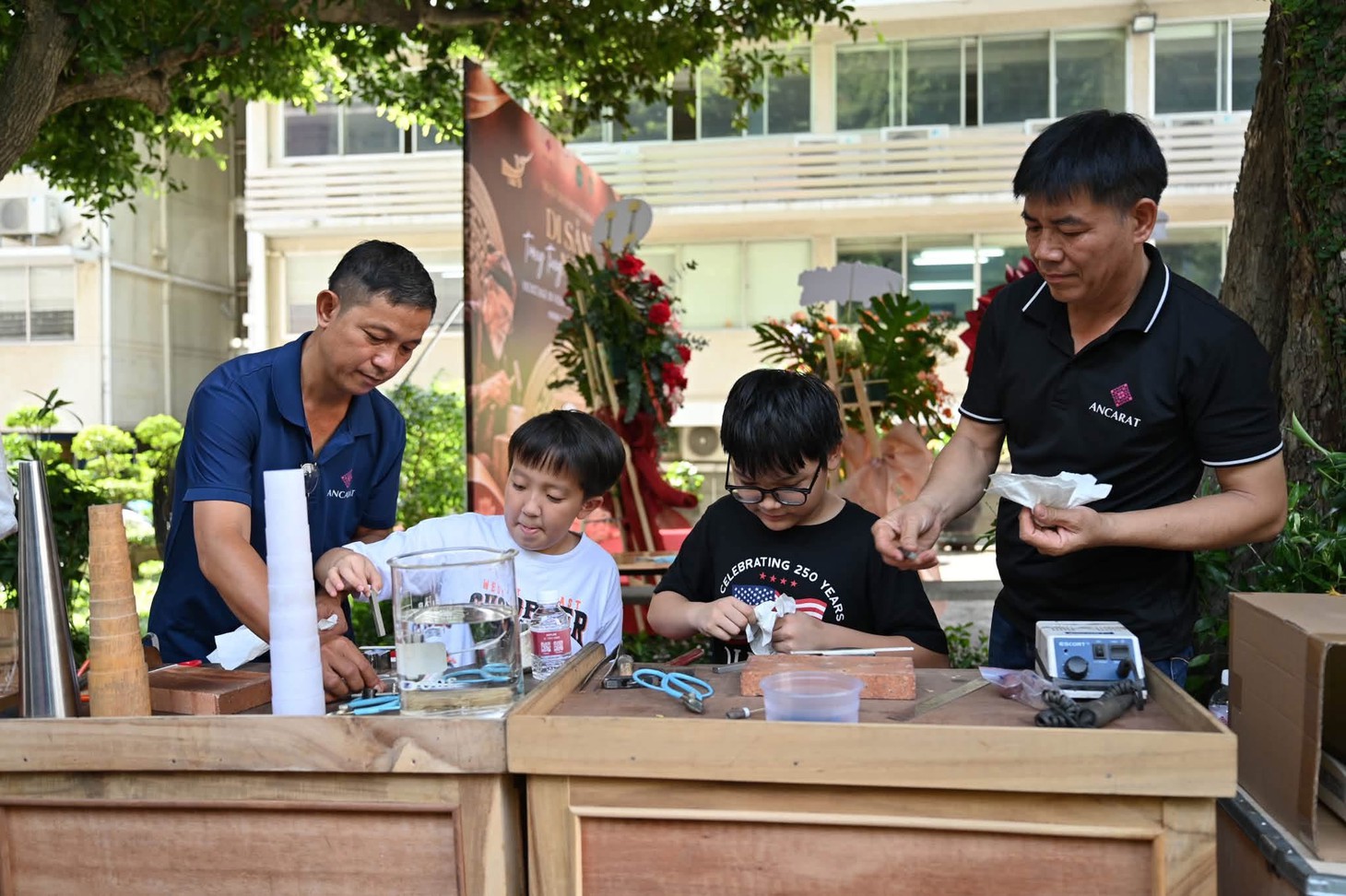
A central highlight of the two-day exhibition was the series of interactive workshops that allowed participants to step into the shoes of traditional silversmiths. Under the direct guidance of master artisans, attendees engaged in hands-on crafting sessions, learning foundational techniques such as metal chasing, engraving, and ring-making. These masterclasses offered participants a tangible connection to the meticulous labor and artistic precision required to shape silver, empowering them to create personalized keepsakes imbued with cultural significance.
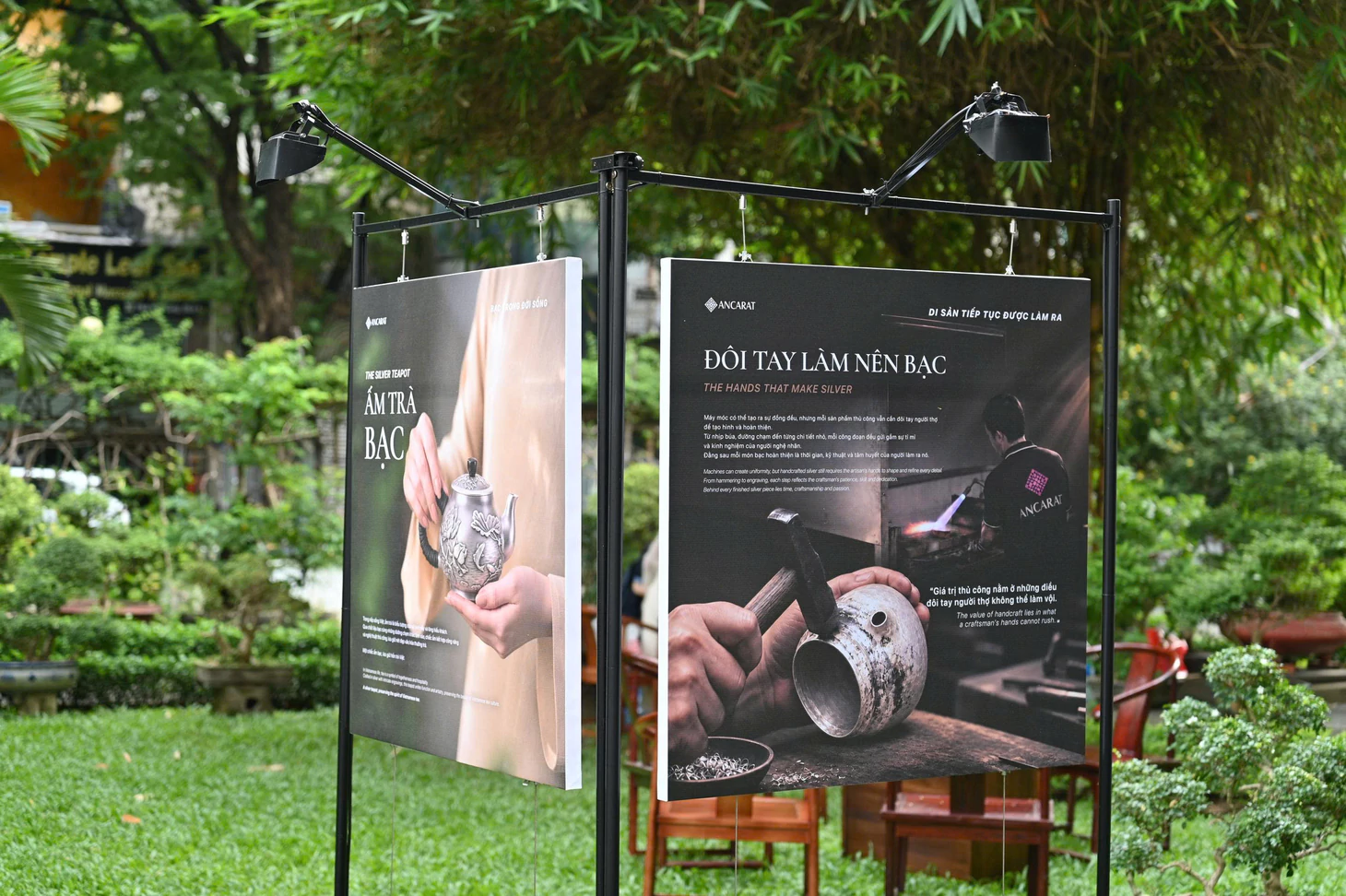
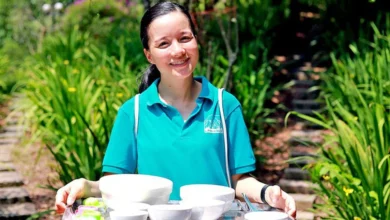
Complementing the metalwork workshops, the dedicated Vietnamese tea culture space provided a serene environment for visitors to explore the historical convergence of silver and tea rituals. Master practitioners demonstrated traditional tea-brewing and tasting methodologies, highlighting how silver teaware—including intricately crafted silver cups, teapots, and trays—has enhanced the sensory experience of tea consumption across multiple generations of Vietnamese society. Participants were invited to observe how the thermal properties and aesthetic elegance of silver utensils elevate a simple daily beverage into a mindful meditative practice.
Tracing the Historical Evolution of Vietnamese Currency
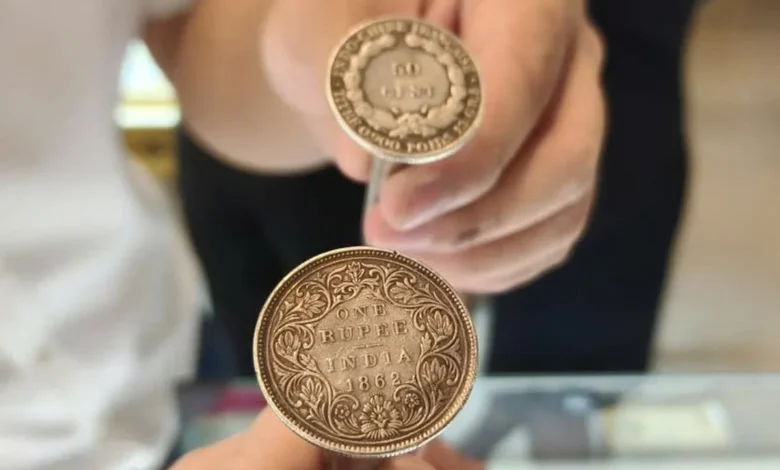
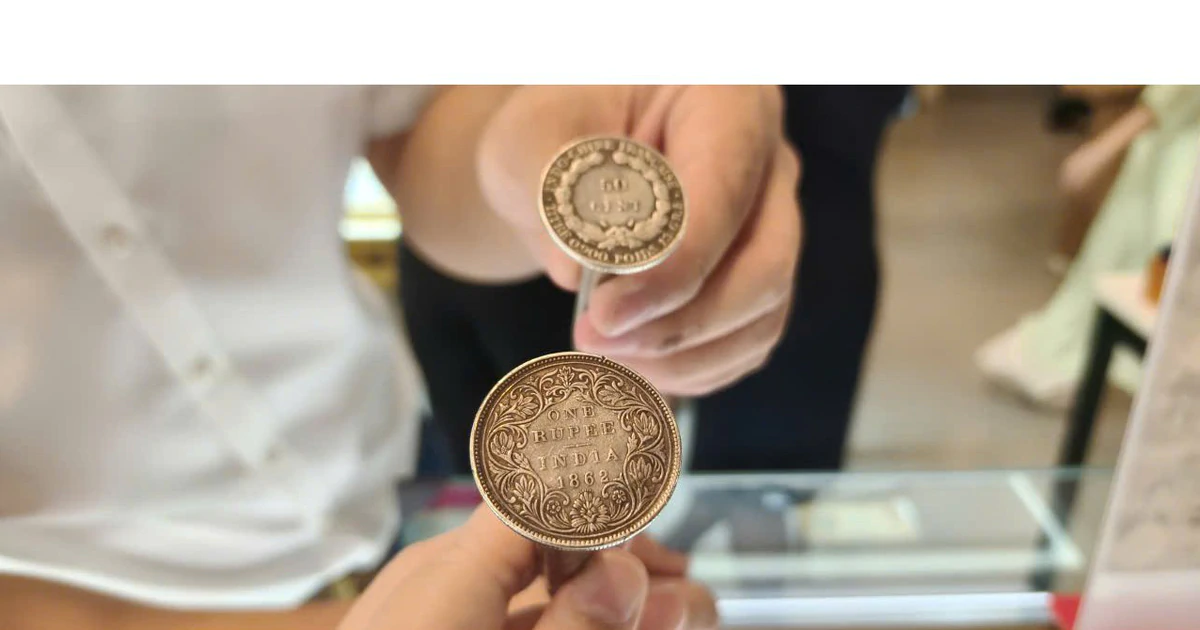
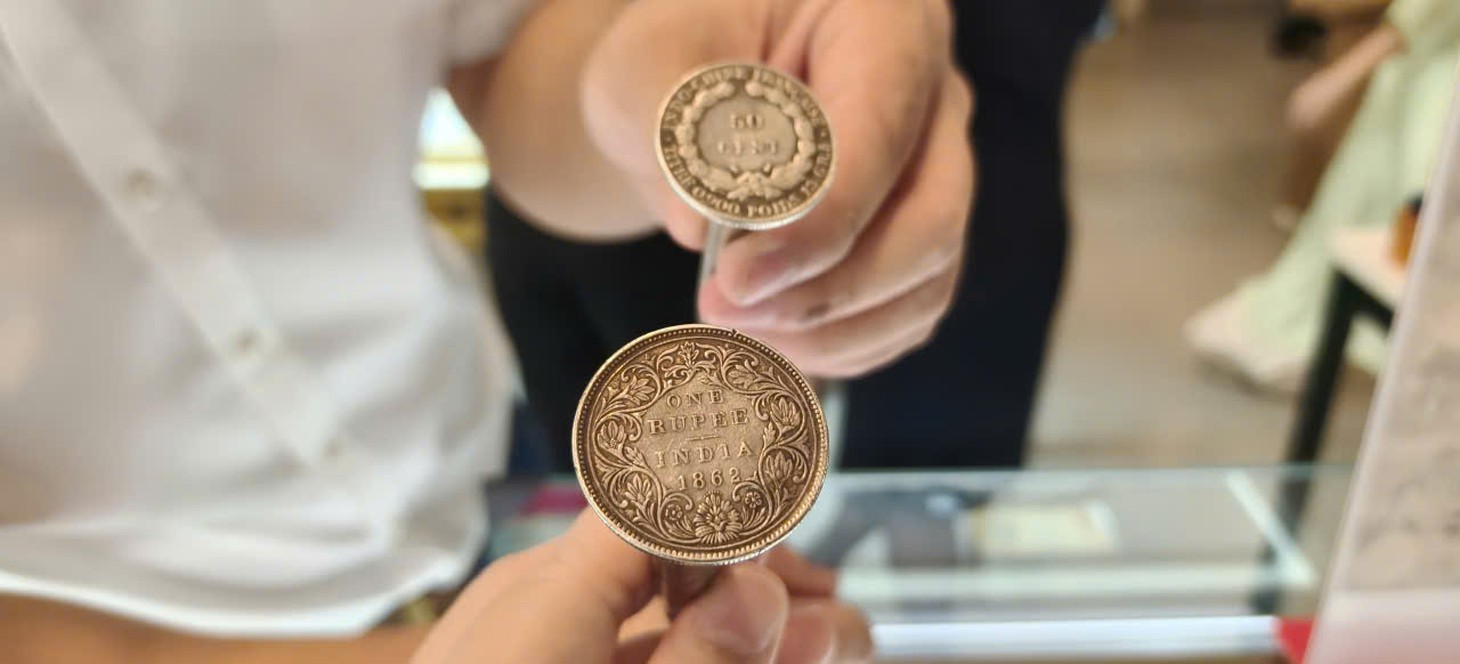
Adding profound historical depth to the exhibition, the Cho Lon Saigon Cultural Heritage Branch curated an exclusive chronological display chronicling the evolution of silver currency in Vietnam. This specialized section traced the journey of silver from raw bullion and traditional ingots to minted coins across successive historical dynasties.
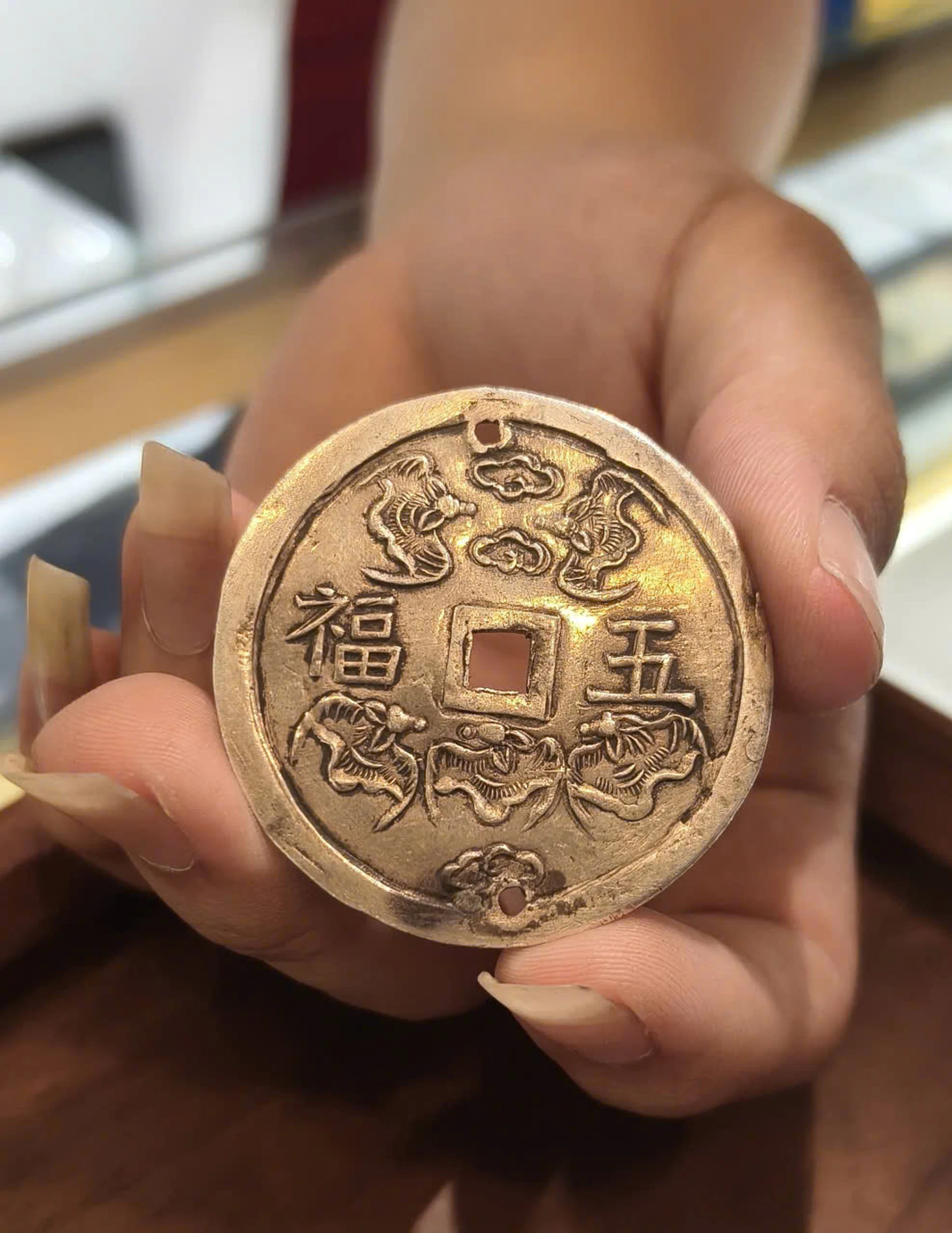
Through expert curation and informative placards, visitors gained a comprehensive understanding of why silver has historically been regarded by the Vietnamese populace as the people’s currency. The display contextualized how economic systems, royal decrees, and local commerce intertwined with the circulation of silver, providing crucial academic insights for researchers and history enthusiasts alike. The inclusion of rare artifacts, such as traditional hairpins fashioned from ancient silver coinage, vividly demonstrated the circular nature of material culture, where monetary mediums were frequently repurposed into personal adornments.
Bridging Tradition and Modernity: Insights from Cultural Leaders
The overarching philosophy of the exhibition was anchored in the belief that cultural preservation cannot exist in isolation; it must find practical expression in contemporary society. Addressing the press and attendees, Mr. Nguyen Trung Anh, Chairman of Ancarat Precious Metals Joint Stock Company, emphasized the deep-rooted connection between precious metals and Vietnamese heritage. He noted that the exhibition was conceived as a cultural dialogue designed to reintroduce traditional materials to younger generations through modern design sensibilities and accessible experiences.
Echoing this sentiment, Mr. Tran Cong Danh, Executive Committee Member of the Ho Chi Minh City Cultural Heritage Association and Head of the Tra Viet Cultural Heritage Connection Branch, delivered a compelling analysis on the enduring vitality of silver in Vietnamese life.
"Silver possesses enduring vitality not merely because it is preserved in climate-controlled vaults, but because it actively participates in our daily lives—whether manifested as a hair hairpin, a bracelet, a necklace, or a cherished tea set," Mr. Danh stated. "That is precisely why today we can enjoy tea from silver cups, engage in traditional metal-chasing activities, and recognize that offering a cup of tea remains a profound medium for human connection."
Mr. Danh further elaborated that the ultimate objective of heritage conservation extends far beyond archival protection. The true challenge and success of modern preservation efforts lie in identifying viable pathways to integrate traditional cultural values into contemporary living standards, thereby generating practical, consumer-facing experiences that naturally expand public engagement and cultural dissemination. He confirmed that the Ho Chi Minh City Cultural Heritage Association plans to spearhead a series of similar multi-disciplinary initiatives in the near future, combining dynamic exhibitions, public education, and hands-on workshops to foster a deeper, experiential connection with national heritage.
The Debut of the Dong Son Tuyen Bao Limited Edition Collection
As a focal point of corporate participation and artistic innovation, Ancarat used the exhibition platform to officially unveil its highly anticipated limited-edition product collection titled "Dong Son Tuyen Bao" (Dong Son Treasures). Launched in direct observance of Vietnam Cultural Heritage Day on November 24, the collection draws profound artistic and spiritual inspiration from the legendary Dong Son culture and the iconic Ngoc Lu bronze drum.
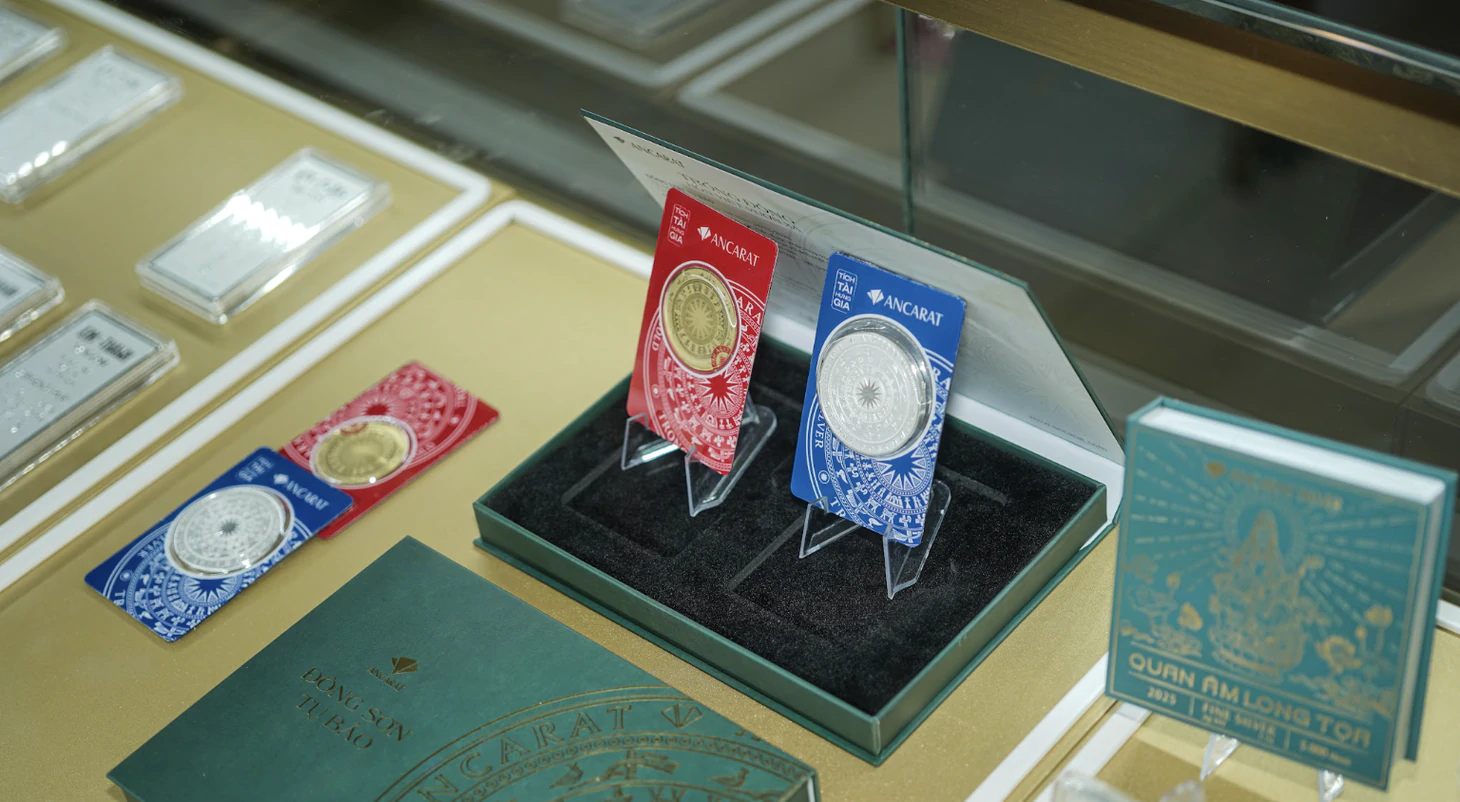
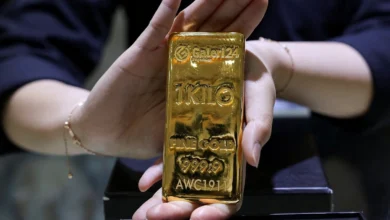
The flagship release of the collection features a meticulously curated set comprising one 9999 pure gold miniature bronze drum weighing 1 phan (equivalent to 0.1 Chi), paired with one 999 pure silver miniature bronze drum weighing 1 Luong (equivalent to 37.5 grams). Reflecting the exclusivity and high craftsmanship of the collection, Ancarat announced a strictly limited global release of only 500 sets. This launch successfully exemplified the exhibition’s core mission: translating ancient archaeological motifs and national symbols into contemporary luxury items that resonate with modern collectors while paying homage to Vietnam’s prehistoric roots.
Broader Implications and Future Outlook
The success of the "Silver Heritage – Floating Across Lives" exhibition underscores a growing societal appetite for experiential heritage tourism and cultural education in urban centers like Ho Chi Minh City. By successfully fusing commerce, traditional craftsmanship, historical curation, and interactive public programming, the event established a scalable blueprint for future cultural preservation initiatives.
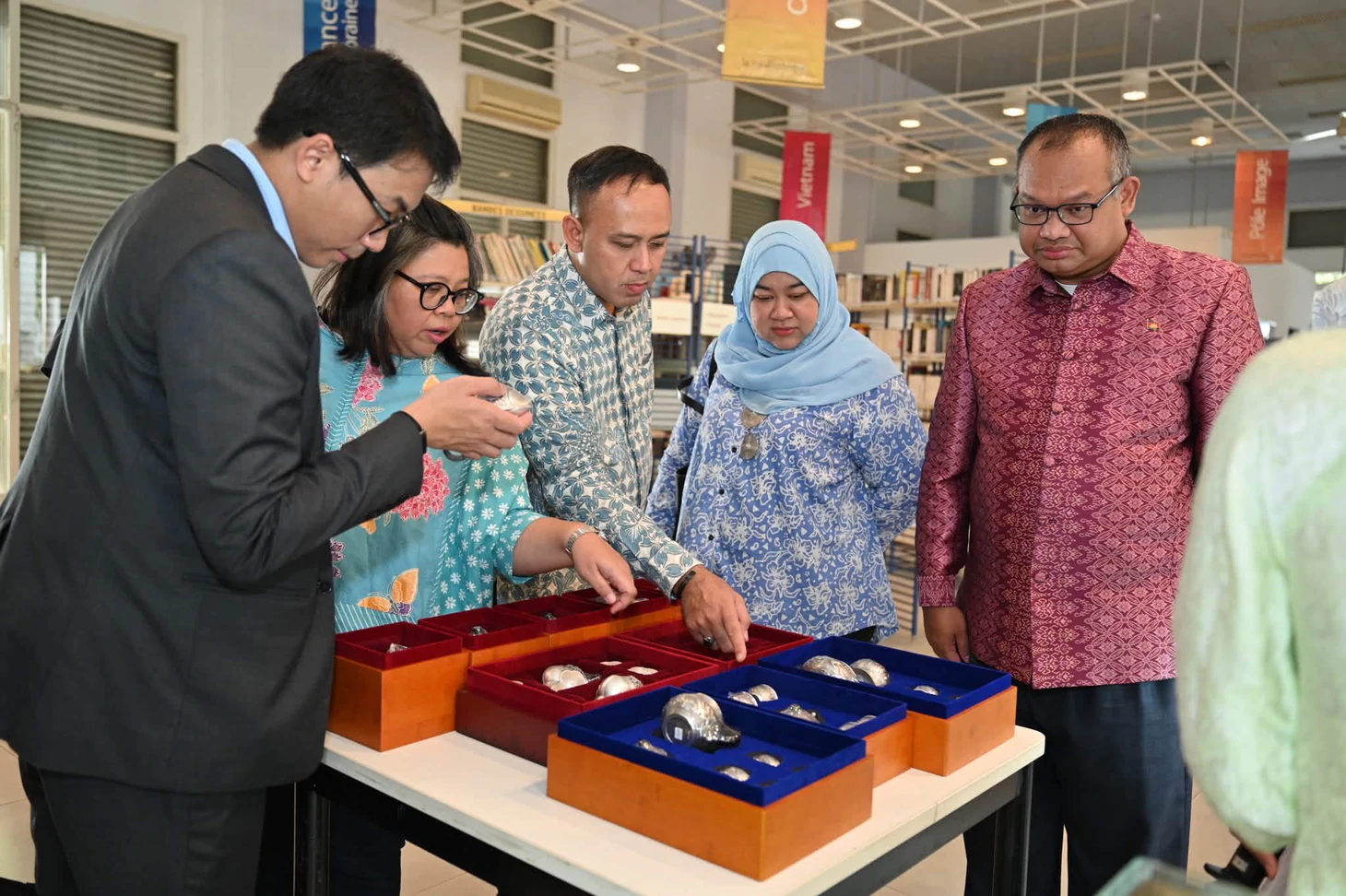
As urban lifestyles continue to accelerate away from traditional practices, strategic interventions that make heritage tangible, accessible, and aesthetically relevant are vital for maintaining intergenerational continuity. The collaborative model demonstrated by IDECAF, heritage associations, and private enterprises like Ancarat signals a positive trajectory for Vietnam’s cultural economy—proving that national heritage can thrive dynamically in the 21st century when placed directly into the hands, homes, and daily routines of the public.