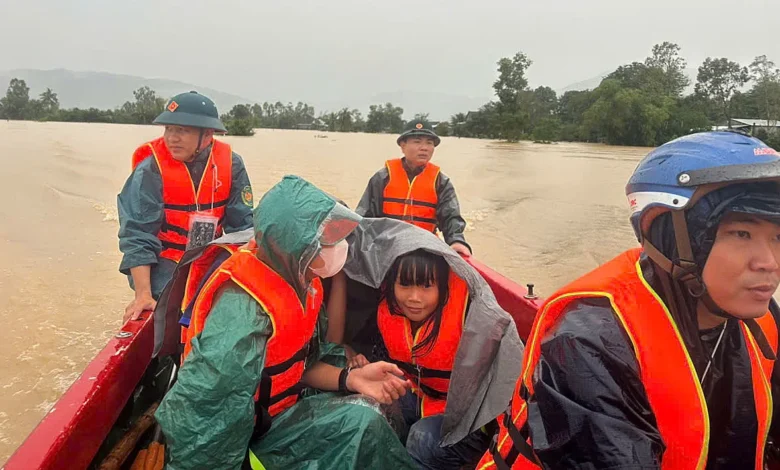
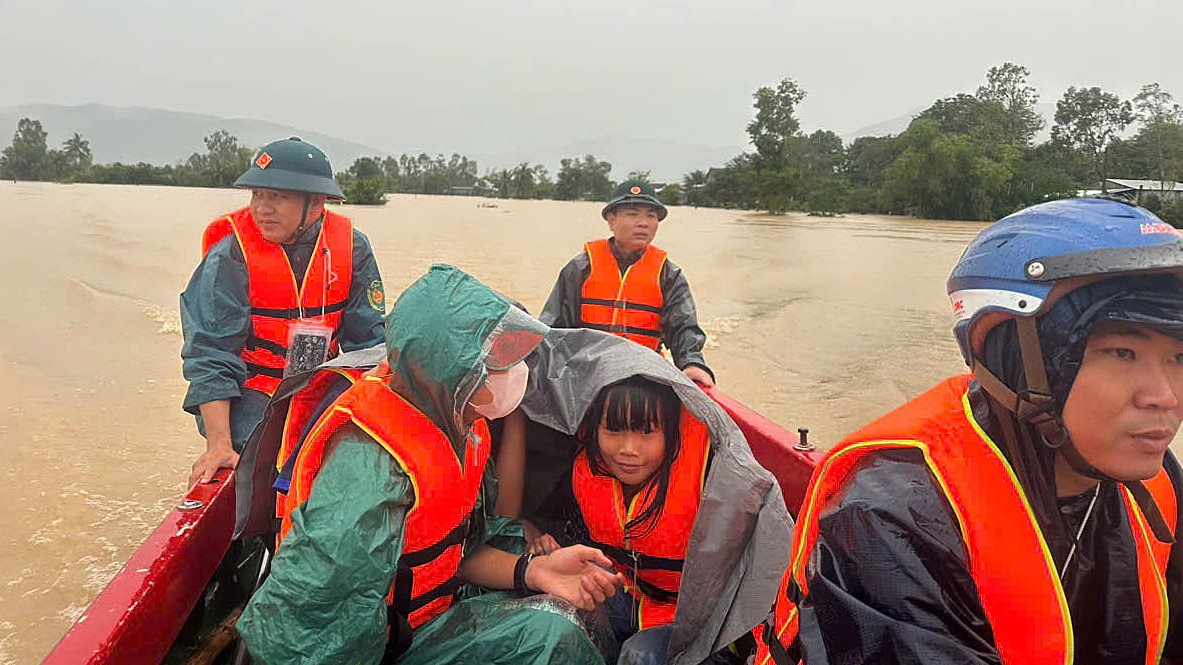
The residents of Hòa Thành commune in Đắk Lắk province are once again grappling with the psychological and material toll of severe flooding. Exactly one year after a catastrophic deluge devastated the region, the arrival of heavy seasonal rains has triggered widespread anxiety, forcing families to remain on high alert as water levels in local rivers rise toward dangerous thresholds.
The Lingering Trauma of the 2023 Catastrophe
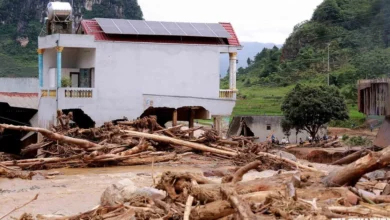
The apprehension felt by the community is not merely a reaction to current weather patterns but a consequence of the profound trauma inflicted by the 2023 flood event. Last year, the South Central region experienced an unprecedented period of sustained, heavy rainfall that transformed peaceful rural landscapes into disaster zones. In Hòa Thành alone, the impact was severe: twenty-three residents lost their lives, one individual remains missing, and dozens of homes were either swept away or rendered structurally unsound.
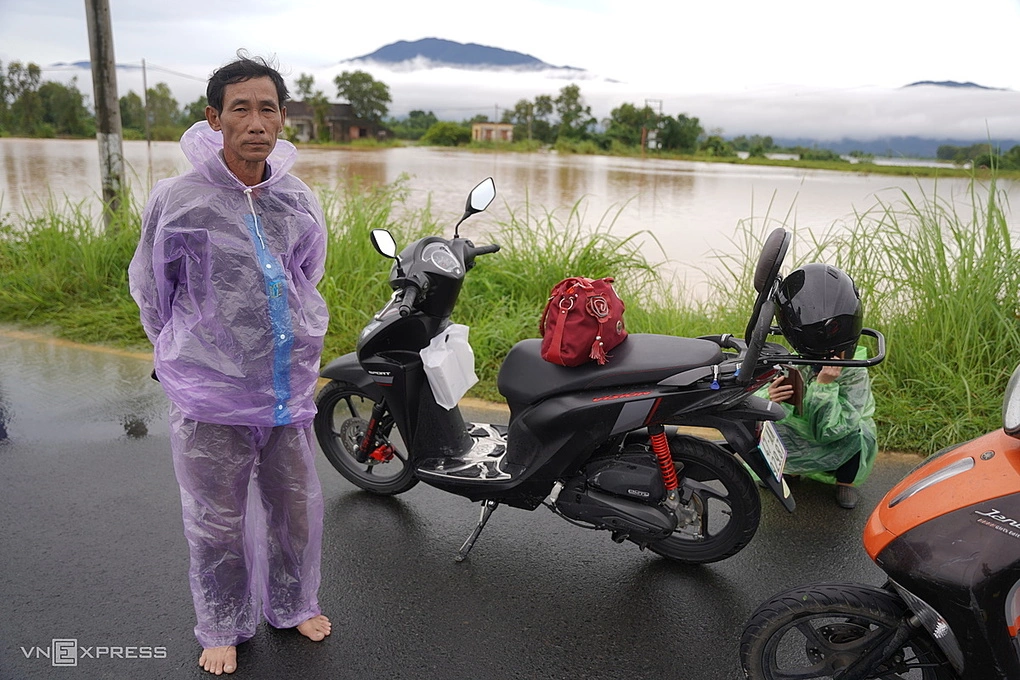
For many, the physical destruction—the loss of livestock, the ruin of electrical appliances, and the accumulation of mud and debris—was only the beginning of a long, arduous recovery process. Many households, like that of Mr. Bùi Thanh Hải, are still paying off the debt incurred from rebuilding their lives. Mr. Hải, a 53-year-old resident, recalls how his family lost nearly 100 million VND worth of livestock during the previous year’s flood. His primary mode of transportation, a motorcycle purchased on installment, was destroyed by the water, forcing him into a cycle of debt that continues to hamper his financial stability.
Chronology of the November 12 Incident
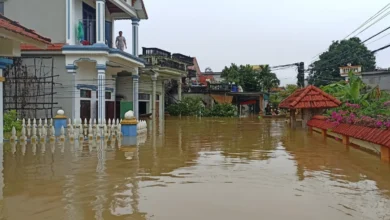
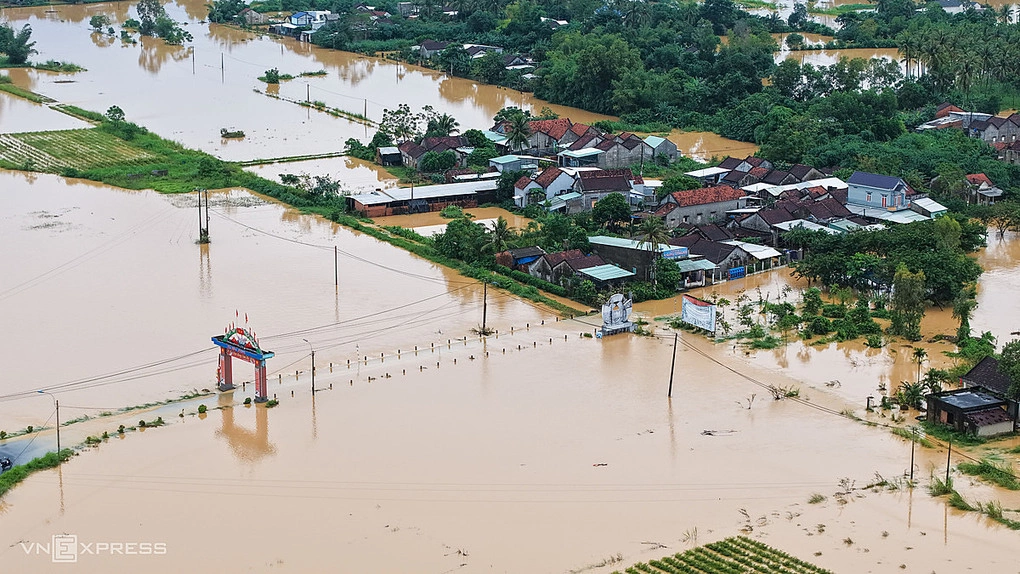
The latest surge in water levels began in the early hours of November 12. According to local reports, by 2:00 AM, the water began to breach riverbanks and spill onto primary transit routes. By 3:00 AM, the flooding had intensified, encroaching on residential areas and prompting an immediate, albeit cautious, response from the populace.
Mr. Hải, who was working in Nha Trang (Khánh Hòa) at the time, received frantic calls from his family as the water level began to rise. Despite the 130-kilometer distance, he abandoned his work and rushed back to Hòa Thành, only to be halted five kilometers from his home near the Bắn Cưới bridge, where road inundation had made travel impossible. Throughout the day, he maintained contact with his children, who reported that while water had breached their courtyard, it had not yet entered their living quarters—a stark contrast to the previous year’s events.
Similarly, Ms. Lê Thị Mộng Lan, a resident living near Mr. Hải, described the rapid escalation of the water. "The water rose very quickly," she noted. Having learned from the 2023 disaster, she and her family immediately began moving belongings to higher ground and preparing an escape route to the upper floor of their home. By 8:00 AM, the water levels had stabilized, stopping just short of entering the main living space.
Official Response and Mitigation Efforts
The local authorities in Hòa Thành have been proactive in managing the current crisis. According to Ms. Lê Thị Hoài Vinh, Chairperson of the People’s Committee of Hòa Thành, the administrative focus has been on public safety and the preservation of assets.
Authorities have implemented a multi-tiered response strategy:
- Infrastructure Security: Temporary barriers and warning signs have been installed at all flooded road sections to prevent civilians from entering high-risk areas.
- Transportation Assistance: The commune has mobilized high-clearance vehicles to assist residents in traversing flooded segments to reach their homes or reach safer ground.
- Emergency Support: Local volunteer groups and civil defense units have been deployed to assist elderly residents and those in low-lying areas with elevating heavy furniture, machinery, and grain supplies.
- Evacuation Readiness: While mass evacuation has not yet been declared, the commune has finalized contingency plans to relocate residents from the five most vulnerable villages—Mỹ Xuân 1, Mỹ Xuân 2, Mỹ Hòa, Phú Phong, and Cảnh Thành—should rainfall continue to intensify.
Socio-Economic Implications
The recurring nature of these floods in Hòa Thành presents a significant challenge to the region’s long-term economic development. The commune, which relies heavily on agriculture, is highly susceptible to climate-related shocks.
The economic implications are twofold: immediate loss of property and long-term stagnation. When flooding occurs, farmers lose not only their crops but also the capital invested in fertilizers, seeds, and livestock. Many residents are forced to take on high-interest loans to replace essential equipment, creating a debt trap that limits their ability to invest in climate-resilient housing or secondary income streams.
Furthermore, the "recovery gap"—the time between a disaster and the restoration of normal income-generating activities—is widening. For daily-wage workers like Mr. Hải, every day spent on disaster mitigation is a day of lost income. The cumulative effect of these events is a population that is increasingly vulnerable to poverty, despite their resilience and community-led adaptation efforts.
Meteorological and Environmental Context
The flooding in Hòa Thành is symptomatic of broader climatic shifts affecting the Central Highlands and South Central regions of Vietnam. Meteorological data suggests that the intensity and duration of the monsoon season have become more unpredictable. Factors such as the degradation of watershed forests, the expansion of impermeable surfaces in rural development, and shifts in regional weather patterns have exacerbated the severity of flash floods.
Experts note that while the current water levels are lower than those recorded in 2023, the threshold for "safe" water levels in Hòa Thành is exceedingly low. The topography of the commune, combined with the saturation of the soil from previous rainfall, means that even moderate, sustained precipitation can lead to rapid runoff, leaving residents with very little lead time for emergency procedures.
Community Resilience and the Path Forward
Despite the constant state of anxiety, the people of Hòa Thành have demonstrated a remarkable degree of community cohesion. The sharing of information via social media and local messaging groups regarding water levels and dam release alerts has become an essential component of their early warning system.
However, residents emphasize that local vigilance alone is insufficient. There is a growing consensus among the affected families that more structural interventions are required. This includes better-coordinated dam release schedules, improvements to the local drainage infrastructure, and state-supported programs for the construction of flood-resistant communal shelters.
As of the evening of November 12, the waters had begun to recede, providing a temporary respite for the residents of Hòa Thành. Yet, the mood remains somber. With the monsoon season ongoing and forecasts indicating the possibility of further rainfall, the people remain in a state of quiet watchfulness. For many, the memory of last year’s tragedy remains a vivid reminder of how quickly their lives can be overturned, underscoring the urgent need for a more robust, systemic approach to flood risk management in the region.
The situation in Hòa Thành serves as a critical case study for disaster management in rural Vietnam. As the community waits for the clouds to clear, the focus remains on immediate survival, while the broader questions regarding sustainable development and climate adaptation in the face of increasingly extreme weather events remain at the forefront of the local discourse.