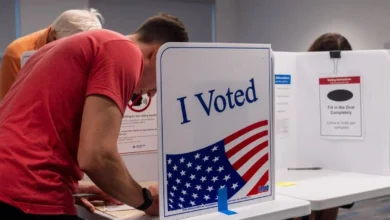
Future of the White House: Navigating a Challenging Legislative Landscape Amidst a Shift in Congressional Power

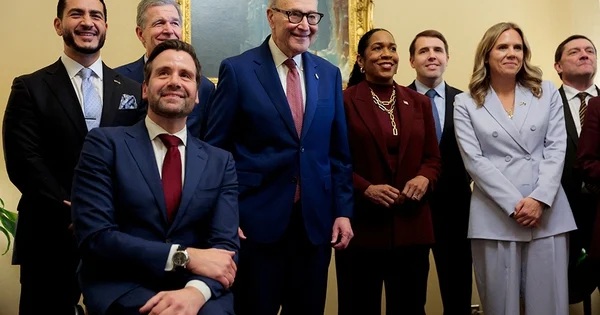
The recent mid-term elections held on November 3, 2026, have fundamentally altered the power structure in Washington, creating a significant hurdle for the administration of President Donald Trump. According to reports finalized on November 23, 2026, the Democratic Party has secured at least 258 seats in the 435-member House of Representatives, marking the most substantial majority for the party since 1992. Simultaneously, the Democrats have regained control of the Senate, holding 56 out of 100 seats. This dual shift in legislative authority signals a period of intense gridlock and increased scrutiny for the White House as it enters the final two years of the current presidential term.
The Shift in Congressional Dynamics
The electoral outcome represents a striking pivot from the previous legislative cycle. For the administration, the loss of the House majority limits its ability to pass key agenda items, such as tax overhauls, infrastructure spending, and executive policy initiatives. With the Democratic Party now commanding the House, the legislative branch has shifted from a supportive body to a potential firewall against the executive branch’s policy goals.
In the Senate, where Republicans previously held sway, the Democratic gain of 56 seats is particularly consequential. This majority provides the Democratic caucus with the power to confirm or block judicial appointments and executive branch cabinet nominations. Given the current political climate, this leverage will likely be utilized to demand concessions or force moderate compromises on the President’s judicial and administrative selections.
A Chronology of the 2026 Election Cycle
The path to this outcome began long before the November 3 polling date. Following the 2024 general election, which saw President Trump retain his office, the political landscape was characterized by a push-and-pull between the executive’s legislative priorities and the rising opposition.
- Early 2026: Political analysts identified the mid-terms as a referendum on the administration’s performance, specifically concerning economic inflation and foreign policy.
- August–September 2026: Campaign rhetoric intensified, with both parties focusing on "get out the vote" initiatives in key swing districts that would ultimately determine the House majority.
- November 3, 2026: Election day saw record voter turnout across several key states, reflecting the high stakes of the legislative balance.
- November 9, 2026: Senator Chuck Schumer and Democratic leadership held initial press briefings to outline their legislative agenda for the new session, signaling a shift in policy focus.
- November 23, 2026: Final tallies confirmed the Democrats’ 258-seat House majority and their control of the Senate with 56 seats, with only four House races remaining in the final stages of certification.
Implications for Executive Oversight
The most immediate consequence of the Democratic House victory is the expansion of oversight and investigative powers. Under the rules of the House, the majority party holds the chairmanship of all committees, including the high-profile House Oversight and Judiciary Committees. This shift empowers Democratic lawmakers to issue subpoenas, demand documentation, and initiate investigations into executive branch activities.
Historical precedent suggests that when the White House and the House of Representatives are controlled by opposing parties, the frequency of oversight hearings increases dramatically. This could lead to a cycle of investigations that consumes significant administrative resources and shifts the focus of the White House from proactive policy-making to reactive legal and political defense.
The Leadership Struggle Within the Senate
A sub-plot to the national power shift is the internal leadership contest within the Democratic Senate caucus. Senator Chuck Schumer, who has served as the party’s leader in the chamber since 2017, is facing a challenge from Senator Chris Van Hollen.
Senator Schumer has argued that his experience and ability to navigate the complexities of the Senate are essential during this period of divided government. Conversely, Senator Van Hollen has framed his candidacy as a necessary transition, describing the current political environment as a "hard-to-predict race" that requires fresh strategic approaches. While sources close to the Democratic caucus suggest Schumer retains a solid base of support, the very existence of a competitive leadership race highlights the internal pressures facing the party as it attempts to leverage its new majority effectively.
Presidential Response and Strategic Outlook
President Trump has publicly acknowledged the difficulties that lie ahead, particularly regarding his dealings with a Democratic-led Senate. In a post on social media dated November 22, the President noted that working with Senator Schumer would be a substantial challenge. This public admission reflects a broader strategic pivot for the White House.

To achieve any legislative success in the final two years of his term, the President will be forced to employ a more bipartisan approach or rely heavily on executive orders—a tool that, while effective for bypassing Congress, is often subject to judicial challenges. The administration’s ability to appoint federal judges, a cornerstone of the President’s long-term legacy, will now be subject to a more rigorous vetting process in the Senate.
Broader Impact on Domestic and Foreign Policy
The legislative gridlock expected in the coming months will likely impact several key sectors:
- Economic Policy: Budgetary negotiations are expected to be protracted. The House majority has indicated a desire to revisit tax structures, while the White House remains committed to maintaining current economic incentives.
- Judicial Appointments: The Senate’s new composition ensures that any nominee to a federal court—or, in the event of a vacancy, the Supreme Court—will face intense scrutiny. The 56-seat majority gives Democrats a comfortable buffer, though they will still need to manage internal party discipline to maintain a unified front.
- Foreign Relations: While the President maintains significant control over foreign policy, the power of the purse resides in the House. Funding for international aid, defense initiatives, and trade agreements will now require a consensus that was previously unnecessary.
Conclusion: A Testing Ground for Governance
The 2026 mid-term election results have created a Washington defined by checks and balances in their most adversarial form. For the White House, the next two years represent a testing ground for its ability to govern without a supportive legislature. For the Democratic Party, the challenge will be to demonstrate that they can govern effectively while exercising their oversight responsibilities without triggering a public perception of obstructionism.
As the political dust settles, both the White House and the newly emboldened Congressional leadership must navigate a narrow path. The success or failure of this period will be measured not just by the bills signed into law, but by the stability of the institutions as they manage the friction inherent in a divided government. The coming months will likely reveal whether this new configuration will result in productive compromise or a prolonged period of political paralysis.