Understanding the Recurrence of Liver Cancer After Surgery and Strategic Approaches to Management

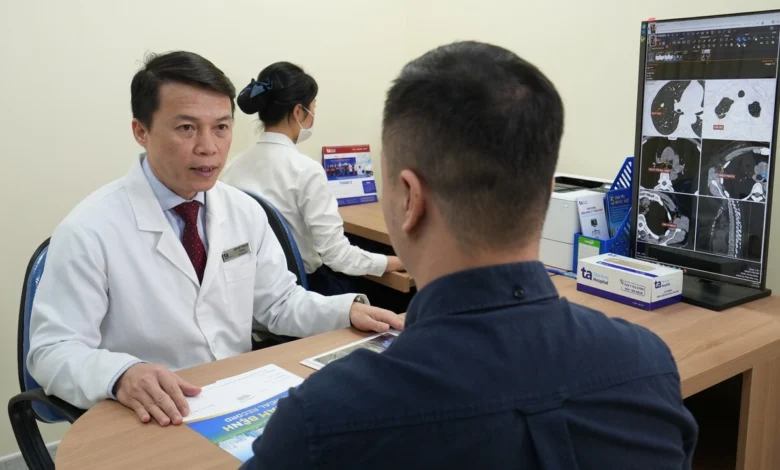
Hepatocellular carcinoma (HCC), the most common form of primary liver cancer, presents a significant clinical challenge due to its high propensity for recurrence even after successful surgical resection. For patients like Nguyen Doan Vuong, who underwent surgery two years ago and are now experiencing abdominal pain raising concerns of a relapse, the journey is both physically and emotionally taxing. To understand why this condition occurs and how it is managed, it is essential to examine the biological mechanisms, clinical timelines, and the current therapeutic landscape for recurrent liver cancer.
The Biological Landscape of Recurrence
In clinical oncology, the recurrence of liver cancer is categorized into two distinct temporal groups: early recurrence and late recurrence. This distinction is not merely academic; it is based on fundamental differences in tumor biology and the underlying health of the remaining liver tissue.
Early recurrence, typically defined as occurring within the first two years post-surgery, is generally attributed to the metastatic spread of the original primary tumor. During the initial surgical procedure, microscopic cancer cells may have already disseminated through the portal vein or surrounding liver parenchyma. These residual cells, often undetectable by imaging at the time of surgery, eventually proliferate into new tumors.
Conversely, late recurrence—which appears after the two-year mark—is often characterized as de novo carcinogenesis. This means the patient is not necessarily battling the original tumor, but rather developing a brand-new primary cancer. This phenomenon is closely linked to the "field effect" of the liver. If a patient suffers from chronic liver disease, such as cirrhosis or chronic Hepatitis B or C infection, the entire organ remains a hostile environment prone to malignant transformation. Even after the primary tumor is excised, the chronic inflammation and liver damage persist, providing a fertile ground for new cancerous nodes to emerge.
Chronology and Risk Factors
The trajectory of a liver cancer patient is marked by critical surveillance milestones. The immediate post-operative period (the first 6 to 12 months) is the most intensive phase of follow-up, where the risk of early recurrence is highest. As the patient moves into the second and third years, the focus shifts toward managing the underlying liver pathology.
Key factors that contribute to the likelihood of recurrence include:
- Residual Microscopic Disease: Even with clear surgical margins, the presence of micrometastases in the vascular system of the liver remains a leading cause of treatment failure.
- Tumor Aggressiveness: Larger tumors, multiple nodules, and high-grade pathology (poor differentiation) are independent predictors of a poorer prognosis and a higher likelihood of return.
- The Underlying Liver Environment: Patients with advanced cirrhosis or uncontrolled viral hepatitis face significantly higher rates of recurrence. The continuous cycle of cell death and regeneration in an inflamed liver acts as a constant catalyst for genetic mutations, eventually leading to new malignancy.
- Extrahepatic Metastasis: While recurrence is often intrahepatic (within the liver), the cancer can spread to the lungs, bones, or adrenal glands. Such findings indicate a systemic progression that requires a fundamental shift in the treatment strategy.
Supporting Data and Clinical Insights
Statistical analysis from global oncology registries suggests that the recurrence rate for HCC remains high, with studies indicating that approximately 70% of patients may experience recurrence within five years of resection. This high rate underscores the necessity of lifelong surveillance.
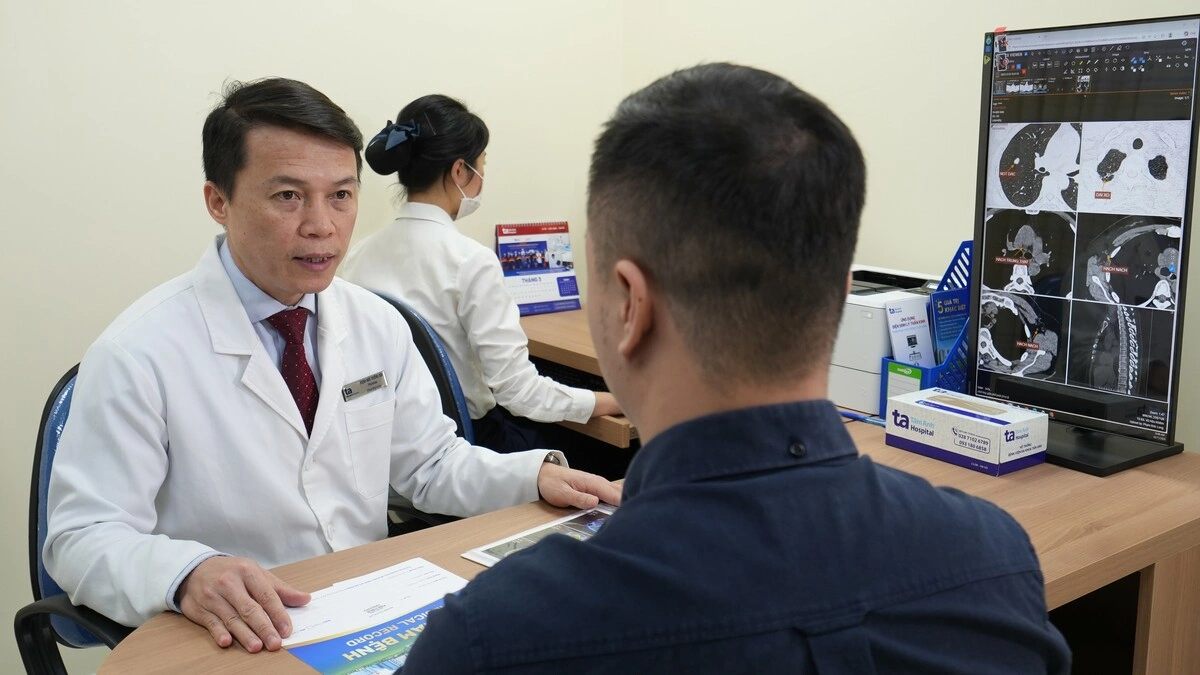
Immunological health plays a pivotal role in these outcomes. Emerging research indicates that when the immune system’s surveillance mechanism—specifically the function of T-cells and natural killer cells—is compromised, the body loses its ability to identify and eliminate lingering cancer cells. Lifestyle factors further exacerbate this risk. Post-operative habits, such as excessive alcohol consumption, tobacco use, and a sedentary lifestyle, increase oxidative stress on the liver, thereby accelerating the decline of liver function and creating a more favorable environment for tumor growth.
Management and Therapeutic Strategies
When clinical investigations confirm a recurrence, the treatment approach is determined by the patient’s current liver function, the number and location of the new tumors, and whether the cancer has spread beyond the liver.
For patients with localized recurrence—where the tumor is confined to a specific area—several aggressive options are available:
- Repeat Hepatectomy: If the patient’s liver function remains adequate, surgery may again be the preferred option to remove the recurrent nodule.
- Liver Transplantation: In cases where the underlying cirrhosis is severe, transplantation is considered the "gold standard," as it replaces the diseased organ and removes the source of potential new cancers.
- Locoregional Therapies: Techniques such as radiofrequency ablation (RFA) or microwave ablation can be used to destroy small, localized tumors without the need for major surgery.
- Transarterial Chemoembolization (TACE): This procedure involves injecting chemotherapy directly into the blood vessel supplying the tumor, followed by blocking the blood supply to "starve" the cancer cells. This is highly effective for managing intermediate-stage recurrence.
When the cancer has disseminated or is no longer amenable to localized treatment, the standard of care shifts toward systemic therapy. Recent advancements in immunotherapy and targeted molecular therapies have transformed the prognosis for advanced liver cancer, providing options that can significantly extend life expectancy and improve the quality of life for patients.
Official Perspectives and Implications
Medical experts, such as those at the Department of Oncology at Tam Anh General Hospital, emphasize that a diagnosis of recurrence is not an end-point but a signal for a recalibrated treatment strategy. "The management of recurrent liver cancer requires a multidisciplinary team approach," note senior clinicians. "We must evaluate not only the tumor but the entire health of the liver and the patient’s immune status."
The broader implications for public health are clear: patients with a history of liver cancer require a structured, lifelong monitoring program. This includes regular alpha-fetoprotein (AFP) blood tests and advanced imaging (CT or MRI) every three to six months, depending on the risk profile.
Conclusion: Navigating the Future
The risk of recurrence is an inherent reality for many patients diagnosed with hepatocellular carcinoma. By understanding that recurrence is often a consequence of either residual disease or the underlying susceptibility of the liver, patients can work more effectively with their medical teams.
Adherence to post-treatment follow-up schedules is the most critical factor in catching a recurrence early, when it is still treatable. Moreover, adopting a lifestyle that supports liver health—such as abstaining from alcohol, managing viral hepatitis with antiviral medications, and maintaining a healthy diet—can significantly mitigate the risk of future malignancy. For those currently facing the possibility of a recurrence, modern medicine offers a wide array of tools that, when applied timely and strategically, can provide hope and improved clinical outcomes. Patients are urged to consult with their oncology teams immediately upon the onset of any concerning symptoms to ensure a rapid and evidence-based clinical response.
Related posts: