When a Routine Car Repair Turns into a Bizarre Nightmare: How a Florida Garage Accident Destroyed an Owner’s Audi SUV

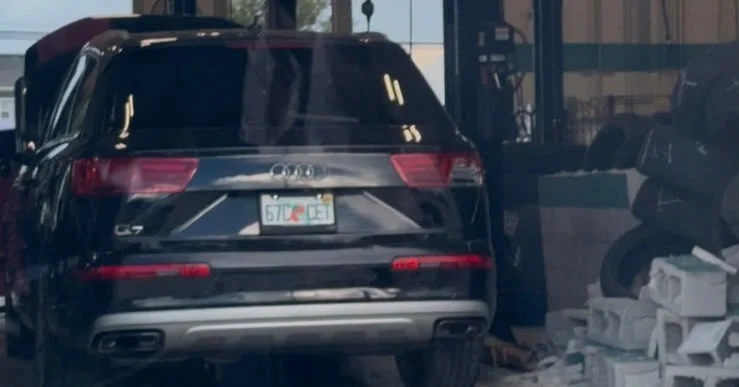
Bringing a vehicle to an auto repair shop for routine maintenance is usually a straightforward transaction, but for Karina Rios of Lake Nona, Florida, a simple engine fix escalated into a surreal and stressful ordeal. What started as a minor mechanical concern transformed into a structural disaster when a brick wall inside a commercial auto shop collapsed directly onto her luxury SUV. The incident, which highlights the unpredictable vulnerabilities of service center environments, underscores the myriad legal, financial, and logistical complications vehicle owners can face when property damage occurs off-site.
The Anatomy of an Unexpected Incident
The bizarre event took place in August at a service center operated by the well-known automotive maintenance chain Mavis Tires and Brakes, situated in the burgeoning Lake Nona neighborhood of Orlando, Florida. Rios had initially brought her luxury Audi SUV to the facility for a specific, relatively minor mechanical issue: repairing the positive crankcase ventilation (PCV) valve, a common component responsible for managing internal combustion engine pressures and reducing harmful emissions.
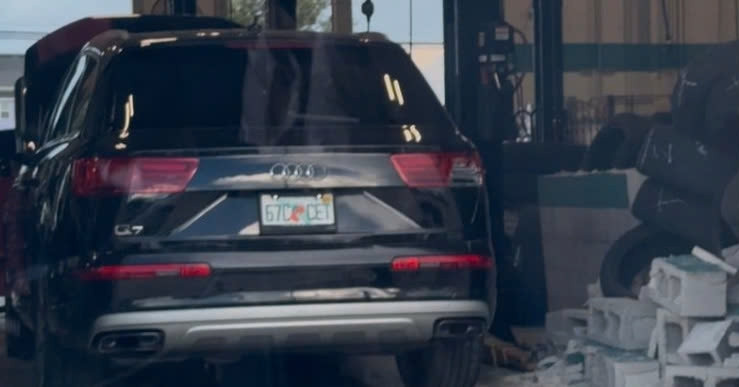
While the vehicle was parked inside the service bay awaiting attention, structural integrity failed in dramatic fashion. A masonry wall constructed of concrete blocks suddenly collapsed inward, crashing down onto the passenger side of the Audi. The impact shattered windows and severely damaged nearly the entire right-side body profile, extending from the front fender all the way back to the taillight assembly.
When Rios first received the phone call informing her of the accident, she was utterly dumbfounded. Believing initially that someone was playing a cruel prank on her, the gravity of the situation only set in once she arrived at the scene to find her premium vehicle crushed beneath tons of rubble and masonry dust.
A Chronology of Miscommunication and Unauthorized Actions
The initial shock of the physical damage soon gave way to deep anxiety driven by how the garage handled the aftermath. According to Rios, the facility’s management took several actions that exacerbated her stress and eroded her trust in the business.
Without notifying her or gaining her prior consent, the Mavis service center transferred the severely damaged Audi from the Lake Nona location to an entirely different, undisclosed facility for repairs. Even after receiving notice that her car was ready for pickup, Rios remained in the dark about where her vehicle had actually been housed and worked on during the interim period.
Furthermore, the communication breakdown extended to transparency regarding parts and labor. Mavis representatives provided a cost breakdown sheet intended strictly for insurance processing purposes. However, the details that matter most to a meticulous vehicle owner—such as a comprehensive parts catalog, the origin of replacement components, and the exact identity of the technicians who performed the structural and mechanical work—were conspicuously absent. Rios expressed valid concerns over whether her high-end Audi was restored using original equipment manufacturer (OEM) parts or salvaged components sourced from automotive junkyards.
Unfulfilled Promises and Lingering Mechanical Doubts
The friction between the vehicle owner and the repair chain was further amplified by unfulfilled verbal commitments. When Rios first dropped off the vehicle for the PCV valve repair, service personnel had reportedly indicated that the shop would cover the cost of that specific engine fix entirely, serving as a goodwill gesture for the inconvenience caused. However, that verbal commitment was never honored in practice.
Compounding matters, when Rios finally reclaimed her vehicle, it failed to provide the peace of mind associated with a properly restored luxury automobile. She reported that warning lights relating to the airbag sensors and engine management systems intermittently flickered back to life on her dashboard. This erratic electronic behavior strongly suggested that the vehicle harbored deeper, undetected electrical and structural compromises resulting from the heavy masonry impact.
Seeking accountability, Rios requested that Mavis compensate her for the severe depreciation in market value her Audi suffered as a direct result of the accident and subsequent bodywork. Although a local facility manager initially promised to look into the claim and provide a formal response, weeks passed without a substantive reply, leaving the customer in financial limbo. When local media outlets attempted to investigate, the manager of the Lake Nona branch noted that he had only assumed his position one to two weeks after the incident occurred, leaving him unfamiliar with the operational failures that transpired.
Broader Implications for Vehicle Owners and Service Facilities
The predicament faced by Karina Rios brings to light critical issues regarding consumer rights, liability, and safety standards within the automotive repair industry. When a customer entrusts a vehicle to a commercial service center, a formal bailment relationship is established, placing a legal duty of care on the business to protect the property from foreseeable harm.
Structural collapses in commercial buildings are rare, but when they occur, they test the adequacy of commercial liability insurance and corporate accountability. Industry analysts note that standard garage-keepers liability policies typically cover direct property damage sustained by customer vehicles while on the premises. However, the friction often lies in the execution of the claims process, communication transparency, and restitution for diminished asset value.
For luxury vehicle owners, the stakes are exceptionally high. High-performance automobiles rely heavily on sophisticated electronics, advanced driver-assistance systems (ADAS), and specialized structural bonding. When a vehicle undergoes major body reconstruction, failing to calibrate sensors or utilizing substandard parts can compromise overall safety, transforming a repaired car into a persistent hazard on public roadways.
Essential Best Practices and Risk Mitigation
To protect against similar nightmares, consumer advocates and legal experts recommend that vehicle owners adhere to strict protocols when utilizing auto repair and maintenance services:
- Document Everything Before Handover: Owners should thoroughly photograph and record video footage of the vehicle’s exterior, interior, and odometer readings immediately before leaving it in the custody of a service facility.
- Insist on Written Intake Slips: Never leave a vehicle without obtaining a signed repair order detailing the scope of work, estimated costs, and drop-off condition.
- Establish Immediate Incident Protocols: If a vehicle suffers damage while in storage or under repair, owners must demand a formal, written incident report on the spot, alongside a mutual agreement on the remediation path.
- Demand Complete Transparency: For major repairs involving structural or electronic systems, request itemized lists of all replacement parts, proof of OEM sourcing, and certificates of calibration for safety systems.
- Utilize Independent Inspection Options: Following significant structural or mechanical trauma, taking the vehicle to an independent, certified third-party inspection specialist to evaluate the quality of the repair work is a vital safeguard.
As the automotive service sector continues to evolve, cases like that of Karina Rios serve as a stark reminder that consumer vigilance, clear documentation, and corporate accountability remain the strongest lines of defense against the unexpected liabilities of car ownership.
Related posts: