Miracle Recovery for 15-Month-Old Boy Suffering Multi-Organ Failure After 60 Wasp Stings in Phu Tho Province

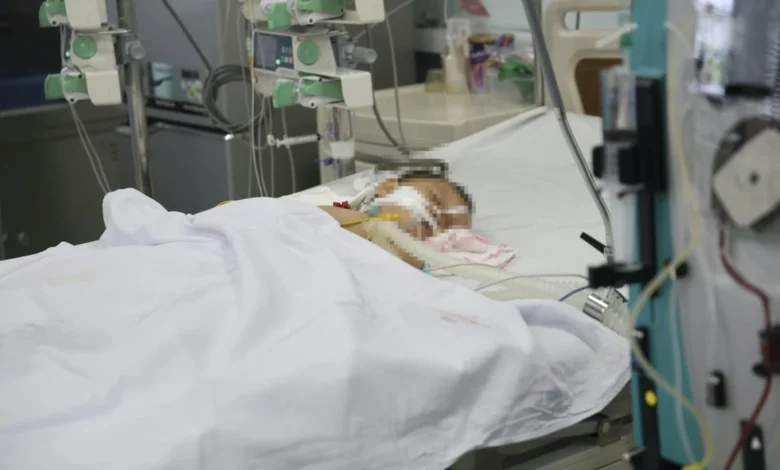
Medical professionals at the Phu Tho Obstetrics and Pediatrics Hospital have successfully treated and discharged a 15-month-old toddler who was admitted in a critical state following a massive hornet attack. The patient, identified as N.X.L. from Tan Son District, Phu Tho Province, was subjected to approximately 60 separate stings from "ong vò vẽ" (commonly known as the Lesser Banded Hornet or Vespa affinis), a species notorious in Southeast Asia for its potent venom and aggressive behavior. The sheer volume of venom injected into the child’s small frame triggered a rapid physiological collapse, leading to multi-organ failure, including acute kidney injury, liver damage, and respiratory distress. This case highlights the extreme dangers of environmental hazards for young children in rural areas and the vital role of advanced pediatric intensive care in managing complex toxicological emergencies.
The Incident and Initial Medical Response
The emergency began when young N.X.L. was playing outdoors with his two older brothers near their home in Tan Son. During their play, the children inadvertently disturbed a hornet’s nest, leading to a swarm attack. While the older siblings managed to escape with fewer injuries, the 15-month-old toddler was unable to move quickly enough and bore the brunt of the swarm’s aggression. Family members discovered the child covered in hornets and immediately rushed him to the Tan Son District Health Center.
Upon initial assessment at the district level, the medical team identified dozens of stings concentrated on the child’s head, face, neck, and upper torso. The immediate protocol involved the administration of intravenous fluids, pain management, anti-inflammatory medication, and antibiotics to prevent secondary infection. However, the systemic impact of hornet venom is often delayed, appearing as the toxins circulate and begin to damage internal organs. Approximately 14 hours after the attack, the child’s condition deteriorated sharply. He began showing signs of multi-organ dysfunction, prompting an urgent transfer to the Phu Tho Obstetrics and Pediatrics Hospital, a facility equipped with specialized pediatric intensive care units (PICU) and advanced life-support technology.
Clinical Presentation and Diagnosis at the Provincial Level
N.X.L. arrived at the Phu Tho Obstetrics and Pediatrics Hospital in a state of deep clinical crisis. According to the admitting physicians, the patient presented with a persistent high fever and severe respiratory distress, necessitating immediate oxygen support. Physical examination revealed approximately 60 sting sites, many of which had developed necrotic centers—a hallmark of hornet venom which causes localized tissue death. The child’s face and neck were severely edematous (swollen), and he exhibited extreme lethargy interspersed with periods of agitation and constant crying due to intense pain.
Diagnostic tests painted a grim picture of the internal damage. The medical team recorded a constellation of life-threatening conditions:
- Acute Kidney Injury (AKI): The child’s urine output had dropped significantly, indicating that the kidneys were failing to filter waste from the blood.
- Acute Liver Injury: Liver enzyme levels were elevated, signaling toxic damage to the hepatic tissue.
- Severe Rhabdomyolysis: This is a condition where damaged muscle tissue breaks down rapidly, releasing a protein called myoglobin into the bloodstream. In this case, the patient’s muscle enzyme levels (creatine kinase) were found to be more than 1,000 times higher than the normal range. This massive influx of myoglobin is a primary cause of kidney failure as it "clogs" the renal filtration system.
- Toxic Shock: The patient suffered from a rapid heart rate and dangerously low blood pressure, indicating that the venom had compromised his circulatory system.
Intensive Care Interventions and the Role of Blood Filtration
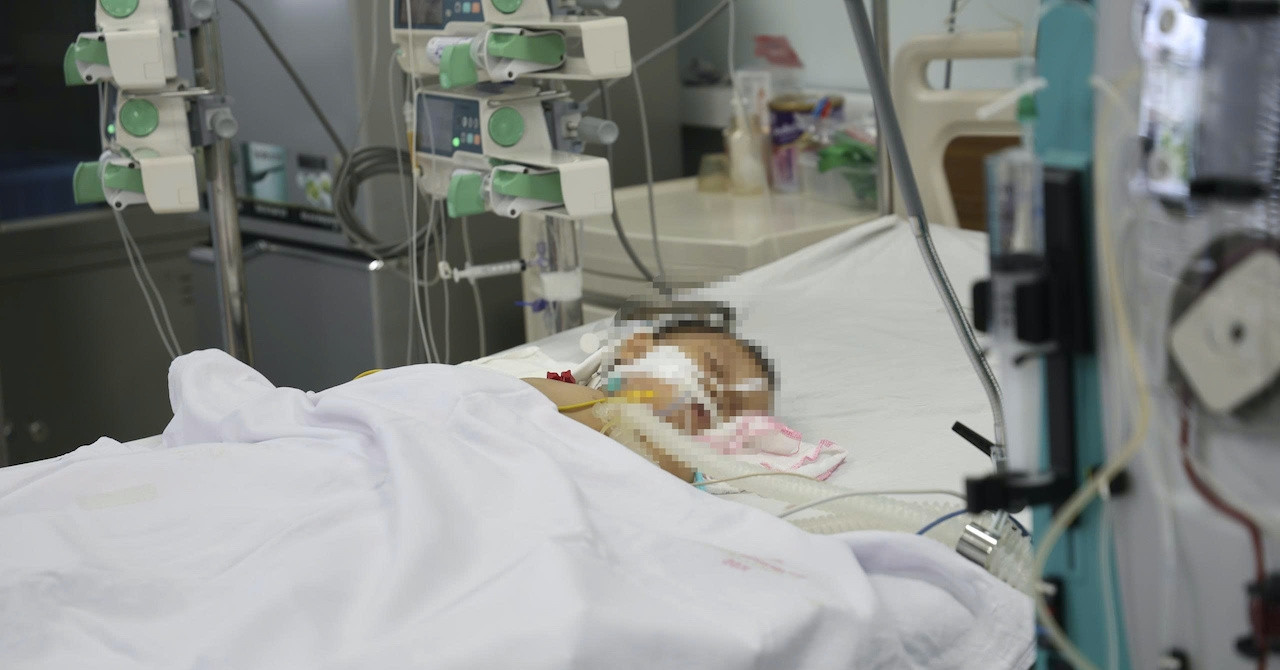
Recognizing the imminent threat to the child’s life, the hospital’s intensive care team initiated an aggressive "active resuscitation" protocol. The patient was intubated and placed on a mechanical ventilator to stabilize his breathing. To manage his circulatory collapse, surgeons placed a central venous catheter and an invasive arterial line to provide real-time, beat-by-beat monitoring of his blood pressure.
The cornerstone of the treatment was Continuous Renal Replacement Therapy (CRRT), or continuous blood filtration. In cases of severe envenomation, the body is overwhelmed by toxins that the natural organs cannot process. By using a specialized dialysis machine, doctors were able to bypass the child’s failing kidneys and liver, mechanically removing the hornet venom, myoglobin, and inflammatory cytokines from his bloodstream. This process is delicate in a 15-month-old due to the small volume of blood and the risk of electrolyte imbalances.
Alongside blood filtration, the medical team focused on:
- Vasoactive Medications: Using vasopressors to maintain blood pressure and ensure adequate perfusion to vital organs.
- Fluid and Electrolyte Balancing: Carefully adjusting the child’s internal chemistry to correct acid-base imbalances caused by organ failure.
- Broad-spectrum Antibiotics: To prevent sepsis, as the necrotic sting wounds provided a potential entry point for bacteria.
Path to Recovery and Discharge
The medical intervention proved successful within the first 24 hours of intensive treatment. Following one full day of continuous blood filtration, the child’s organ functions began to show signs of stabilization. His blood pressure normalized, and the markers of muscle and liver damage began to trend downward.
By July 11, several days after admission, the medical team determined that N.X.L. was strong enough to breathe on his own. He was successfully extubated (removed from the ventilator). Following the cessation of mechanical ventilation, the toddler remained conscious, alert, and began to consume food orally. After a further period of observation to ensure that no long-term renal or hepatic complications remained, the hospital officially cleared the boy for discharge. His recovery is viewed as a significant success for the provincial healthcare system, demonstrating the efficacy of rapid referral and the availability of high-tech pediatric care.
Scientific Context: The Lethality of Hornet Venom
The "ong vò vẽ" (Vespa affinis) is one of the most dangerous stinging insects in Vietnam and across Southeast Asia. Unlike honeybees, which die after a single sting, hornets can sting multiple times, injecting a complex cocktail of biological toxins with each strike.
The venom contains several key components:
- Phospholipase A2: An enzyme that destroys cell membranes, leading to tissue necrosis and the breakdown of red blood cells.
- Hyaluronidase: Known as the "spreading factor," this enzyme breaks down connective tissue, allowing the venom to penetrate deeper and spread faster through the body.
- Mastoparan: A peptide that triggers the release of histamine, causing the massive swelling and potentially leading to anaphylactic shock.
- Neurotoxins: These can affect the nervous system and contribute to respiratory failure.
For an adult, 60 stings are life-threatening; for a 15-month-old toddler weighing perhaps 10 to 12 kilograms, it is a massive overdose. The ratio of venom to body weight is the primary factor in why children succumb so quickly to multi-organ failure following such attacks.
Broader Implications and Public Health Safety
This case serves as a stark reminder of the seasonal risks associated with stinging insects in Vietnam, particularly during the summer months when hornets are most active and children are often playing outdoors. Medical statistics in Vietnam suggest a spike in wasp and hornet-related hospitalizations between June and September.
Health experts emphasize that the first few hours following a sting are critical. In the case of N.X.L., the initial treatment at the district level provided a necessary bridge, but the development of multi-organ failure 14 hours later underscores the need for vigilant monitoring even when initial symptoms seem manageable.
First Aid Recommendations for Wasp and Hornet Stings:
- Immediate Removal: Move the victim away from the area to prevent further stings.
- Wound Care: Wash the area with soap and water to reduce the risk of infection.
- Cold Compress: Apply ice to reduce swelling and slow the absorption of venom.
- Hydration: Encourage the victim to drink plenty of water to help the kidneys flush out toxins.
- Emergency Evaluation: Any child stung more than 10 times, or any individual showing signs of dizziness, difficulty breathing, or swelling of the throat, should be taken to a hospital immediately.
The successful recovery of N.X.L. is a testament to the advancements in Vietnamese pediatric medicine. The ability of provincial hospitals like Phu Tho Obstetrics and Pediatrics to perform complex procedures like pediatric CRRT ensures that even the most critical cases in rural areas have a fighting chance at survival. As the child returns home to Tan Son, his case remains a vital data point for medical professionals studying the management of severe envenomation in pediatric patients.