Ba Diem Commune Leads Ho Chi Minh City in Periodic Health Checkups and Digital Medical Records with High Intensity Campaign

Ba Diem Commune, located within the Hoc Mon District, has emerged as the leading locality in Ho Chi Minh City for the implementation of free periodic health examinations and the establishment of electronic health records, according to the latest data released by municipal health authorities. As of July 20, the commune had successfully conducted medical screenings and digitized health profiles for 16,508 residents, a figure that places it at the forefront of the city’s grassroots healthcare transformation. To further capitalize on this momentum, local authorities officially launched a 30-day high-intensity campaign on July 22, aimed at accelerating the reach of these essential medical services to every eligible citizen in the area.
Strategic Mobilization and the 30-Day Peak Campaign
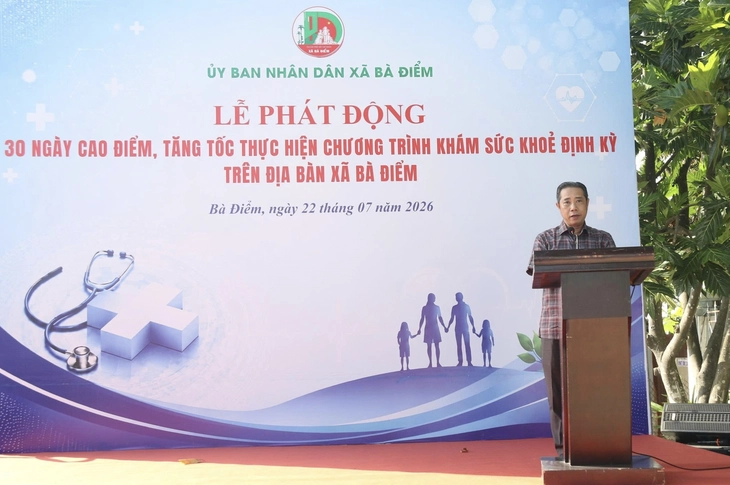
The official launch ceremony for the 30-day "peak period" was held at the Ba Diem Commune People’s Committee, drawing participation from district leaders, medical professionals, and local community representatives. This campaign is designed to be a sprint toward universal health coverage within the commune, with a specific focus on the elderly and those with pre-existing conditions. During the ceremony, representatives from various hamlets signed formal commitments to achieve a target of 500 health examinations per day.
Mr. Nguyen Anh Tuan, Secretary of the Party Committee and Chairman of the People’s Council of Ba Diem Commune, emphasized that the initiative is rooted in the fundamental belief that "health is the most precious asset of every citizen and of society as a whole." He called upon all local agencies, departments, and mass organizations to internalize this perspective and treat the management of public health as a primary political and social duty.
The strategy involves a multi-tiered approach to logistics. Rather than waiting for residents to visit health centers, the commune is deploying a "proactive outreach" model. This includes assigning specific responsibilities to local task forces to track progress, ensuring that no resident is left behind due to a lack of information or physical mobility.
Statistical Breakdown and Comparative Performance
The success of Ba Diem is not an isolated event but the peak of a broader municipal effort. According to the Ho Chi Minh City Department of Health, from the beginning of the year until the morning of July 20, a total of 732,873 residents across the city have undergone periodic health check-ups and had their electronic health records created.
Within this city-wide framework, Ba Diem’s 16,508 completed cases make it the top-performing commune/ward. It is followed closely by other proactive localities:
- Long Hai Commune: 16,161 people
- An Nhon Tay Commune: 15,093 people
- Xuan Thoi Son Commune: 14,491 people
- Phu Hoa Dong Commune: 14,003 people
The concentration of high-performing communes in districts like Hoc Mon and Cu Chi suggests a strong grassroots organizational structure in the city’s suburban areas. For Ba Diem, the high numbers are a testament to the effective integration of the local health station with the administrative power of the hamlet-level management boards.
Enhancing Healthcare Accessibility: The Role of Mobile Units
A critical component of the 30-day acceleration phase is the expansion of medical service delivery. Dr. Vo Van Tong, Head of the Department of Food Safety and Disease Prevention at the Ba Diem Commune Health Station, outlined a comprehensive plan to maximize accessibility. Recognizing that many residents are busy during the standard work week, the commune has coordinated with district-level hospitals to increase the number of examination points and extend services to Saturdays and Sundays.
Furthermore, for residents with limited mobility—specifically the "homebound" elderly or those with severe disabilities—the health station is organizing mobile medical teams. These teams visit households to perform basic clinical examinations and collect data for electronic records, ensuring that the digital health map of the commune is truly inclusive.
"We are working in close coordination with socio-political organizations to review the lists of residents who have not yet been examined," Dr. Tong stated. "By bringing the clinic to the people, we eliminate the barriers of distance and physical frailty."
Public Reception and Community Impact
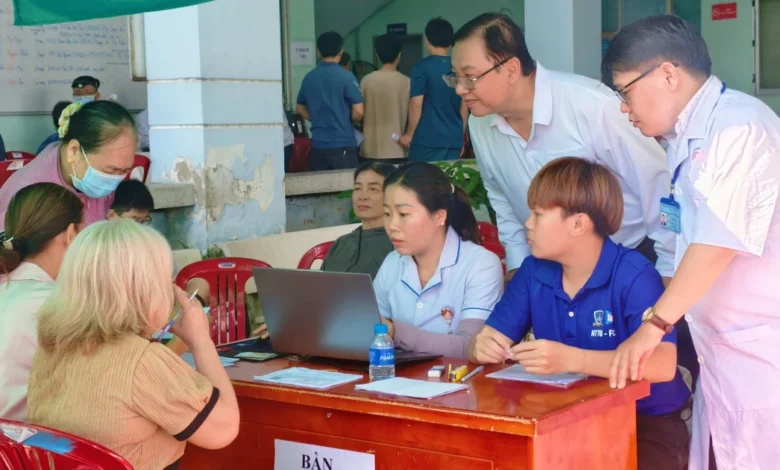
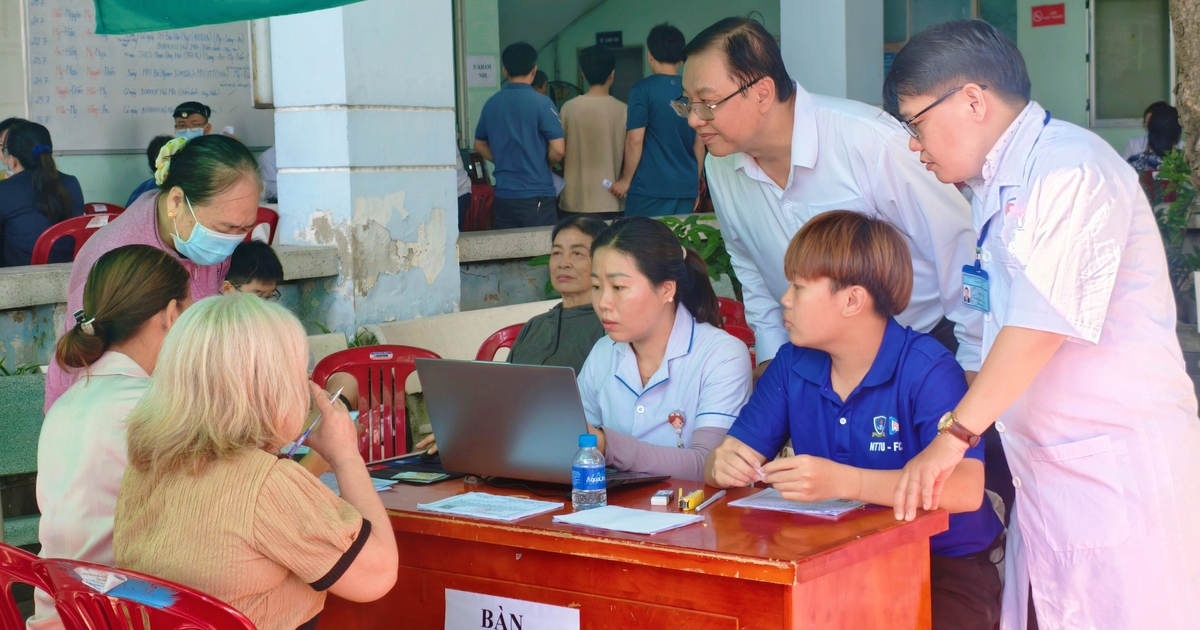
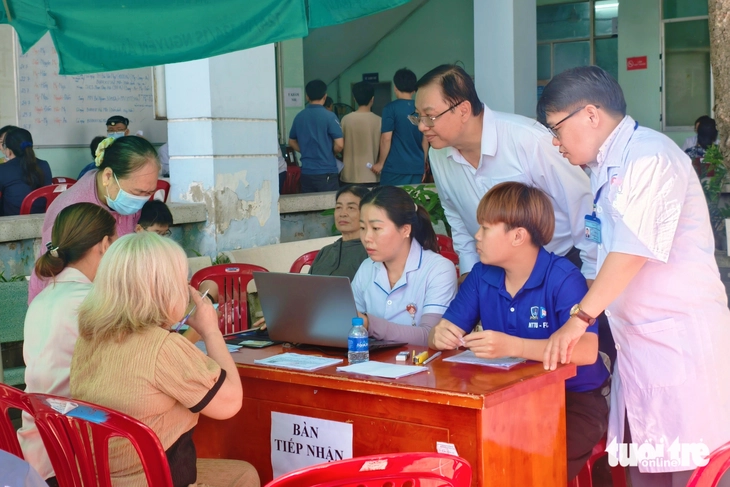
The atmosphere at the Ba Diem Health Station during the launch of the peak period was described as vibrant and busy. Hundreds of residents, primarily seniors, arrived with invitation letters in hand. The program offers more than just a standard check-up; it provides a comprehensive screening that includes blood tests, ultrasounds, and clinical consultations, all free of charge.
Mrs. Phan Thi Lam, 64, expressed her gratitude for the local government’s attention to the elderly. "I received an invitation and came immediately. Knowing that the government cares enough to provide these tests for free makes us feel valued and secure," she shared. Similarly, 65-year-old Do Thu Hang praised the medical staff’s enthusiasm and the organized nature of the event, noting that the process was efficient despite the large crowds.
Mr. Tran Van Tuong, Head of the Front Work Committee of Xuan Thoi Thuong 14 Hamlet, noted that the psychological impact on the community is significant. Residents are eager to participate because they understand that early detection is the key to managing chronic diseases like hypertension and diabetes, which are prevalent among the aging population.
The Shift Toward Digital Health Records (EHR)
The creation of Electronic Health Records (EHR) is the cornerstone of this initiative. In the past, health data was often fragmented across various paper-based files or different hospital systems. By establishing a unified electronic record for each citizen, Ho Chi Minh City is building a data-driven healthcare ecosystem.
For the residents of Ba Diem, this means that their medical history, allergy information, and previous test results are stored securely and can be accessed by authorized medical professionals across the city’s healthcare network. This reduces redundant testing, prevents medical errors, and allows for more precise diagnoses. From a management perspective, these records provide the Department of Health with real-time insights into the commune’s "disease map," allowing for better allocation of medical resources and more effective preventive medicine strategies.
Context and Broader Implications for Ho Chi Minh City
The initiative in Ba Diem is part of a larger strategic shift by the Ho Chi Minh City government to prioritize primary healthcare at the ward and commune levels. For decades, the city’s major specialized hospitals have faced chronic overcrowding. By strengthening commune health stations and encouraging periodic check-ups, the city aims to shift the burden from tertiary care (treating advanced diseases) to primary care (prevention and early management).
The success in Ba Diem serves as a model for urban and suburban management. It demonstrates that when local political leadership, medical expertise, and community volunteers (hamlet leaders) align, large-scale public health goals can be achieved in a relatively short timeframe.
Future Outlook: Sustainability Beyond the 30-Day Sprint
While the current 30-day campaign focuses on a rapid increase in numbers, the long-term goal for Ba Diem is sustainability. Local leaders intend to use the data gathered during this month to establish a permanent management system for chronic diseases. The high-intensity period is not merely about hitting a target but about establishing a baseline of health for the entire population.
As the campaign continues, the commune plans to integrate health education more deeply into the check-up process. Residents are not only being examined but are also receiving counseling on nutrition, physical activity, and the management of aging-related health issues.

The achievement of over 16,000 health records in Ba Diem is a significant milestone in Ho Chi Minh City’s journey toward digital transformation in healthcare. It reflects a successful marriage of technology and grassroots mobilization, providing a blueprint that other wards and communes across the country may look to follow. With the 30-day peak period now in full swing, Ba Diem is well on its way to setting a new standard for public health excellence in Vietnam’s most populous city.