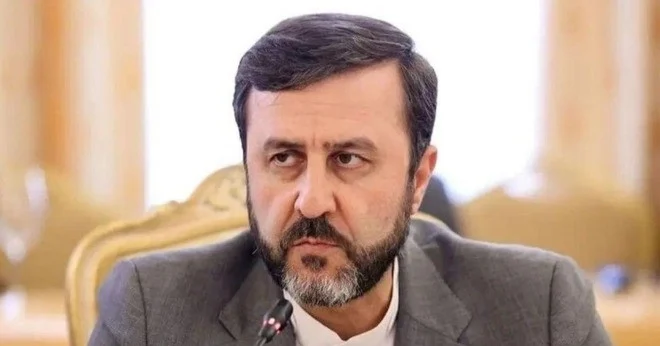
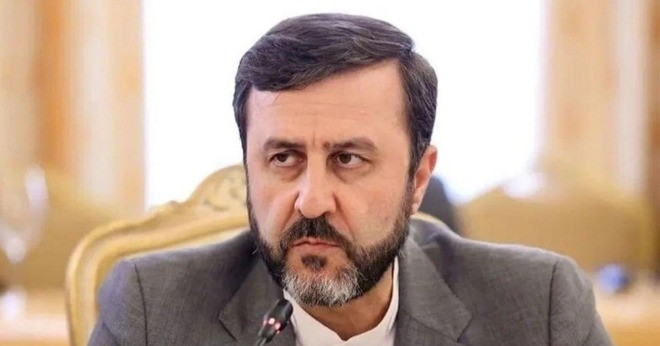
Tehran, Iran – July 23, 2026 – Iran’s Deputy Foreign Minister for Legal and International Affairs, Kazem Gharibabadi, has sharply criticized the United States’ military activities in the region, labeling them as provocative and detrimental to regional and global security. Speaking on July 23rd, Gharibabadi asserted that Washington’s deployment of military assets and its assertive posture were not conducive to lasting peace and were, in fact, exacerbating existing tensions. His remarks came amidst a period of heightened military posturing and rhetorical exchanges between Iran and the United States, particularly concerning the Strait of Hormuz and military installations in neighboring countries.
Gharibabadi detailed his concerns during a meeting with 25 diplomatic representatives from Eurasian nations. He stated, "In the meeting with 25 ambassadors and diplomatic officials representing Eurasian countries, I clearly reiterated Iran’s stance on current developments and highlighted the provocative actions of the United States. We must acknowledge that they have suffered a significant defeat in the 40-day conflict, and the decision to defend our national interests is paramount." This direct accusation suggests a belief within Iran that its recent military engagements have successfully countered perceived American aggression, leading to a strategic setback for Washington.
The Iranian diplomat further elaborated on the perceived futility of American military campaigns, arguing that they offered no long-term strategic benefits. Instead, he contended, "Washington’s military campaigns bring no strategic benefit, but only increase the risks to peace and security in the region and globally." This statement underscores Iran’s perspective that US military presence and actions are inherently destabilizing factors, contributing to an environment of uncertainty and potential conflict.
Background: A Climate of Escalation
The latest pronouncements from Tehran follow a series of events that have ratcheted up tensions between Iran and the United States. The ongoing conflict, which Gharibabadi referred to as lasting "40 days," appears to be a reference to a protracted period of military confrontation or diplomatic standoff that has recently intensified. While specific details of this conflict were not provided in the initial report, the context suggests a direct or indirect engagement between Iranian and US forces or their proxies. The mention of a "significant defeat" for the US implies that Iran perceives its recent actions as having achieved a strategic objective, potentially involving the disruption or neutralization of American military capabilities.
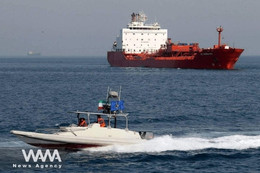
The strategic importance of the Strait of Hormuz, a vital chokepoint for global oil shipments, has been a recurring flashpoint. Iran has previously threatened to disrupt shipping through the strait in response to perceived threats or sanctions from the United States. Recent events, as suggested by the linked articles, indicate continued US military actions against Iranian interests, including strikes on Iranian oil tankers and alleged operations near the Strait of Hormuz, further fueling the cycle of escalation.
Iran Claims Destruction of US Military Assets in Jordan
Adding a significant layer to the ongoing tensions, Iran announced on July 23rd that its forces had successfully destroyed several US military radar systems and other equipment stationed in Jordan. The Islamic Revolutionary Guard Corps (IRGC) confirmed the operations, stating that they targeted a THAAD anti-missile radar system. According to reports citing Al Jazeera, the IRGC also claimed to have destroyed a Patriot missile system, a C-RAM radar system, and multiple fuel depots at a US base in Jordan.
The IRGC emphasized that these strikes did not violate Jordanian sovereignty but were specifically aimed at disrupting the presence and capabilities of American forces. A statement from the IRGC indicated, "The Iranian strikes did not violate Jordan’s sovereignty, but the presence of American forces is the issue that weakens the country’s authority." This assertion suggests a carefully calibrated approach by Iran, aiming to project strength by targeting US military assets without directly engaging Jordanian forces, thereby attempting to avoid a broader regional conflict.
International Reactions and Diplomatic Maneuvers
Gharibabadi also acknowledged the positions of various Eurasian nations, noting that some, particularly Spain, were highly regarded for their "principled stance." This suggests that Iran is seeking to build a coalition of support or at least gain diplomatic leverage among international actors who may be critical of US foreign policy. However, he also issued a direct warning to Eurasian governments against providing assistance to the United States, stating, "Eurasian leaders should realize that allowing the US to use their territory for military and defense purposes will make them part of the problem." This warning highlights Iran’s concern that US military bases in neighboring countries could be used as staging grounds for operations against Iran, thereby implicating those nations in the conflict.
The diplomatic tightrope walked by countries in the region is evident. While Gharibabadi praised Spain’s principled stance, the broader Eurasian diplomatic corps likely faces pressure from both sides. The United States, a key security partner for many of these nations, relies on regional bases for its operations. Iran, conversely, views these bases as direct threats. This creates a complex geopolitical landscape where nations must balance their alliances and national interests amidst escalating US-Iran tensions.
Analysis of Implications: A Precarious Balance
The recent declarations from Iran and the alleged strikes in Jordan underscore a dangerous escalation in the long-standing geopolitical rivalry between Tehran and Washington. Iran’s assertive rhetoric and demonstrated capability to strike US assets, even indirectly, signal a willingness to push back against perceived American aggression. The targeting of radar and missile defense systems suggests a strategic intent to degrade US surveillance and defensive capabilities in the region, potentially paving the way for further Iranian actions or signaling a shift in the regional military balance.
The implications of these events are far-reaching. Increased military activity in the Middle East invariably raises concerns about the stability of global energy markets, particularly given the crucial role of the Strait of Hormuz. Any disruption to oil flow through this waterway could have immediate and significant economic consequences worldwide. Furthermore, the potential for miscalculation or accidental escalation remains high in such a volatile environment. The involvement of regional bases, as highlighted by Gharibabadi’s warnings to Eurasian nations, could inadvertently draw other countries into a direct conflict, expanding the scope of the crisis.
The diplomatic engagement with Eurasian nations suggests Iran’s strategic objective of isolating the United States on the international stage and garnering support for its position. By framing US actions as provocative and destabilizing, Iran aims to garner sympathy and potentially influence international opinion against Washington’s policies in the region.
Broader Context: Historical Tensions and Strategic Objectives
The current standoff is deeply rooted in decades of complex relations between Iran and the United States, marked by mutual suspicion, sanctions, and proxy conflicts. The US withdrawal from the Joint Comprehensive Plan of Action (JCPOA) in 2018 and the subsequent imposition of stringent sanctions have significantly strained diplomatic ties and fueled Iranian resentment. Iran’s pursuit of its regional influence and its strategic objectives, often perceived as threats by the US and its allies, have led to a continuous cycle of confrontation.
The mention of a "40-day conflict" and a "significant defeat" for the US could refer to a recent, intense phase of this broader rivalry. This might encompass cyber warfare, drone skirmishes, or confrontations involving allied forces. Regardless of the specific events, Iran’s declaration of a strategic victory, however contested, signals a newfound confidence or a deliberate narrative to bolster domestic support and project strength externally.
The specific mention of the THAAD and Patriot missile defense systems, along with C-RAM (Counter Rocket, Artillery, and Mortar) systems, indicates that Iran is specifically targeting advanced US military technology. These systems are designed to protect against ballistic missiles, rockets, and aircraft, and their destruction would represent a significant blow to US defensive capabilities in the area.
Looking Ahead: A Path to De-escalation?
The current trajectory suggests a continued period of heightened tension. Iran’s willingness to openly acknowledge strikes against US assets and its direct warnings to neighboring countries indicate a determined approach to challenging American military presence. The United States, in turn, is likely to respond with a mixture of diplomatic pressure, continued military readiness, and possibly retaliatory actions, though the latter would carry the risk of further escalation.
The key to navigating this precarious situation lies in de-escalation and a return to diplomatic channels. The involvement of international actors, particularly those with influence over both Iran and the United States, could be crucial in facilitating dialogue and preventing further conflict. However, with both sides seemingly entrenched in their positions and projecting an image of strength, the path toward a peaceful resolution remains fraught with challenges. The coming days and weeks will be critical in determining whether this latest chapter in the US-Iran rivalry leads to further confrontation or a renewed effort to find common ground and restore regional stability.