Postpartum steaming with shiso and green tea leaves to heal wounds and tighten the vaginal area: Is it a scientifically sound practice?

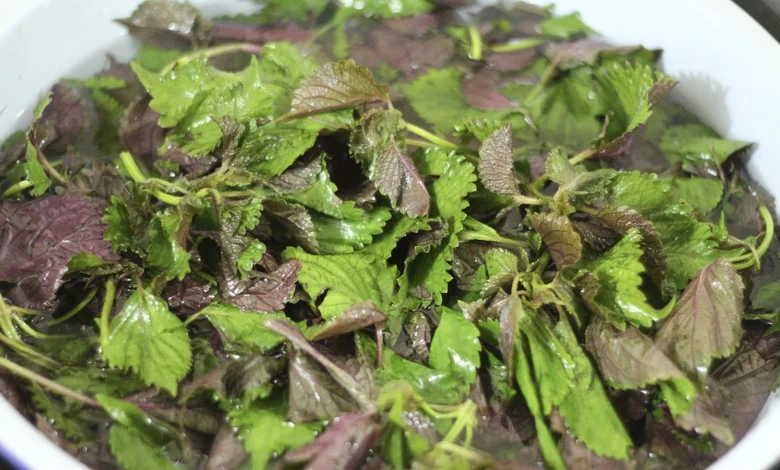
The period following childbirth, often referred to as the "fourth trimester," is a critical phase of physical and psychological recovery for mothers. In many Southeast Asian cultures, particularly in Vietnam, traditional postpartum care involves a variety of herbal remedies and heat-based therapies. Among the most prevalent practices is "xông hơ" or postpartum steaming, where women use a decoction of medicinal leaves—most commonly shiso (perilla), green tea, and Gleditsia (bồ kết)—to steam the body or the pelvic region. Proponents of this tradition claim it can accelerate the discharge of lochia, promote wound healing, and even "tighten" the vaginal canal. However, medical professionals are increasingly raising alarms about the risks associated with unsupervised traditional steaming, emphasizing that while some aspects of the practice offer relaxation, others lack scientific grounding and may lead to severe medical complications.
The Cultural Context of Postpartum Steaming
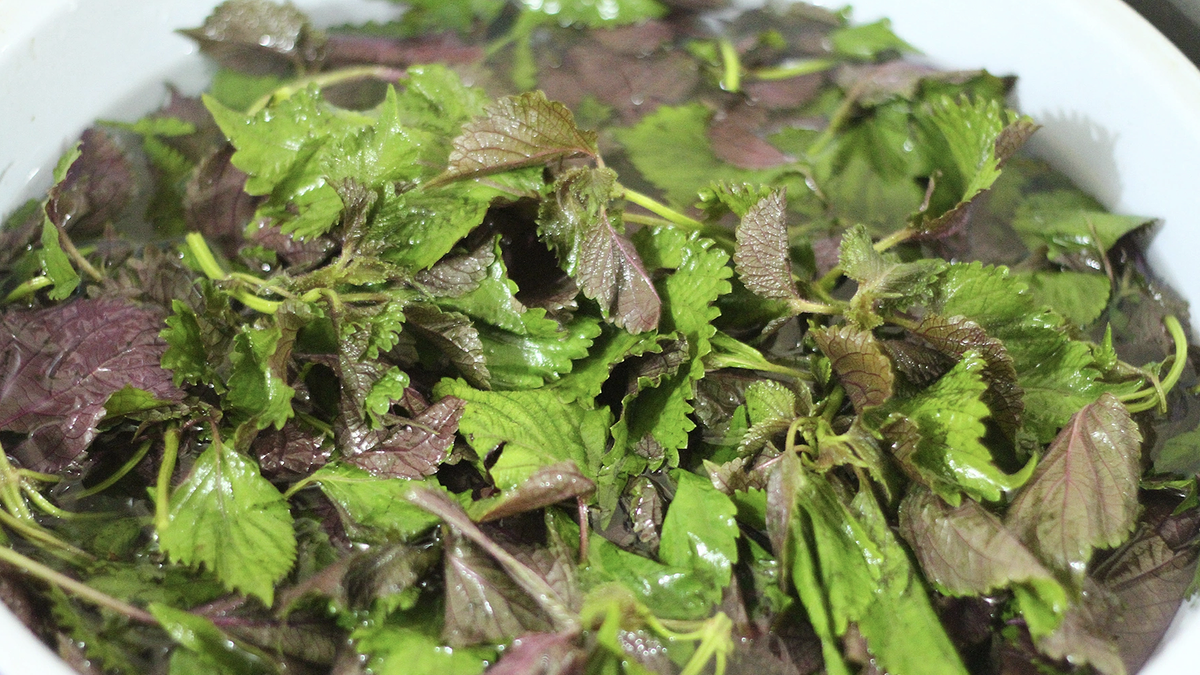
In Vietnamese traditional medicine, the postpartum period is viewed as a time when the mother’s body is "cold" and vulnerable to external pathogens. Steaming is historically utilized as a method to "warm" the body, improve blood circulation, and expel "toxins" through perspiration. Shiso leaves are prized for their essential oils, which are believed to have antibacterial and anti-inflammatory properties, while green tea is lauded for its high antioxidant content and tannins, which are thought to aid in skin recovery.
The psychological comfort of these rituals cannot be understated. For many new mothers, the act of steaming provides a rare moment of quiet and self-care amidst the exhaustion of caring for a newborn. However, the transition from full-body steaming for relaxation to localized vaginal steaming for "rejuvenation" has created a divide between traditional beliefs and evidence-based obstetric care.
Scientific Analysis: Myth vs. Reality in Vaginal Tightening
One of the most persistent claims regarding postpartum steaming is its ability to "se khít" or tighten the vaginal area. From a physiological standpoint, medical experts, including Dr. Dong Thu Trang from the Hanoi Obstetrics and Gynecology Hospital, assert that there is no scientific evidence to support the idea that herbal steam can alter the muscular structure of the vaginal canal.
The vagina is a highly elastic muscular tube. During childbirth, the tissues and muscles of the pelvic floor undergo significant stretching. Recovery of vaginal tone is a biological process that involves the natural contraction of muscle fibers and the healing of connective tissues over time. Thermal exposure through steaming may cause a temporary sensation of swelling or increased blood flow, which some may mistake for "tightness," but it does not provide a permanent or structural change. In reality, the most effective way to restore pelvic floor strength is through targeted physical therapy, such as Kegel exercises, rather than external heat application.
Furthermore, the claim that steaming helps "cleanse" the uterus of lochia (postpartum discharge) is also scrutinized. The shedding of lochia is a natural process where the uterus contracts to return to its pre-pregnancy size while expelling blood, mucus, and uterine tissue. This process is regulated by hormonal changes, specifically the release of oxytocin. External steam cannot reach the interior of the uterus, and any perceived increase in discharge during steaming is likely due to the heat-induced dilation of external blood vessels rather than an accelerated internal cleansing.
The Risks of Unregulated Herbal Steaming
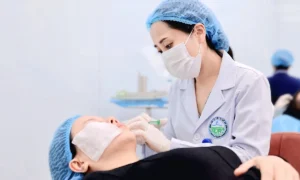
While steaming might seem like a harmless traditional remedy, hospitals frequently report cases of "postpartum complications" arising from self-administered treatments at home. Dr. Dong Thu Trang highlights several significant risks that mothers face when they bypass medical advice in favor of folk remedies.
1. Thermal Burns and Tissue Damage
The skin in the perineal area is exceptionally delicate, especially after the trauma of childbirth or an episiotomy. Many mothers attempt to steam shortly after returning home when their pain threshold might be altered or their mobility limited. Using water that is too hot or sitting too close to the steam source can result in second-degree burns. These burns not only cause immense pain but also create new wounds that are highly susceptible to infection.
2. Bacterial Infection and Sepsis
The use of "natural" leaves carries an inherent risk of contamination. Unless the leaves (shiso, green tea, etc.) are thoroughly cleaned and free from pesticides, fertilizers, or soil-borne bacteria, the steam can carry pathogens directly to the open wounds of the perineum. Even more dangerously, some women practice "ngâm" (soaking) or "thụt rửa" (douching) with herbal water. This can force bacteria from the external environment or the leaves themselves deep into the vaginal canal and toward the cervix. In severe cases, this leads to ascending infections, endometritis, or even life-threatening sepsis.
3. Necrosis of Sutures
For mothers who have undergone an episiotomy or experienced tearing during delivery, the integrity of the surgical sutures is paramount. Constant exposure to moisture and heat can soften the tissues and weaken the stitches. If the area remains damp for extended periods, it becomes a breeding ground for bacteria, leading to the breakdown of the wound (dehiscence) or localized tissue necrosis.
Clinical Guidelines for Safe Postpartum Care
Medical professionals do not entirely dismiss the benefits of steam for relaxation and circulatory support, provided it is done at the right time and in the right manner. Dr. Dong Thu Trang provides a framework for mothers who wish to incorporate steaming into their recovery safely.
Timing and Physical Readiness
Steaming should never be performed immediately after birth. The body needs time to stabilize. For a standard vaginal delivery, a window of 7 to 10 days is generally recommended, but only if the mother feels physically strong. Steaming is strictly contraindicated for women who are experiencing a high fever, those who have signs of an active infection (such as foul-smelling discharge or pus at the suture site), or those with a history of hypertension and cardiovascular instability.
Procedure and Duration
Safety protocols for steaming include:
- Temperature Control: Never use boiling water. Allow the steam to cool significantly before beginning the session.
- Duration: Limit steaming to 10–15 minutes. Prolonged exposure can lead to dehydration and dizziness.
- Frequency: A maximum of two times per week is sufficient for relaxation purposes.
- Post-Care: After steaming, the mother must use a clean, soft towel to gently pat the area dry. Maintaining a dry environment is the single most important factor in preventing bacterial growth.
The Foundation of Recovery: Nutrition and Hygiene
Beyond the debate over steaming, the medical community emphasizes that true postpartum recovery is built on the pillars of nutrition, hydration, and rigorous hygiene.
Holistic Nutrition
A mother’s body requires a nutrient-dense diet to repair tissues and produce breast milk. Experts recommend a balanced intake across four essential groups:
- Carbohydrates: Providing the energy needed for recovery and breastfeeding.
- Proteins: Essential for the regeneration of skin and muscle tissues.
- Fats: Necessary for hormone production and brain health.
- Vitamins and Minerals: Specifically iron to replenish blood loss, calcium for bone health, and zinc for immune function.
Incorporating fiber-rich foods and probiotics (like yogurt) is also vital. Postpartum constipation is a common issue that can put undue pressure on perineal wounds; a diet high in fiber helps mitigate this risk and reduces the stress on the digestive system.
Hydration and Prohibited Substances
Mothers are advised to drink 1.5 to 2 liters of water daily. It is equally important to avoid stimulants. Caffeine, alcohol, and highly processed sugary drinks can interfere with sleep patterns and may pass through breast milk to the infant. Furthermore, avoiding raw or undercooked foods is crucial to prevent foodborne illnesses, which can be particularly devastating to a mother whose immune system is already taxed.
Modern Hygiene Standards
The safest and most effective way to care for the "vùng kín" (private area) after birth is simple:
- Cleanse with warm, sterilized water or a mild, pH-balanced feminine wash after every trip to the bathroom.
- Gently pat dry with a clean cloth.
- Change sanitary pads every 3 to 4 hours, regardless of the amount of discharge, to prevent bacterial buildup.
- Observe the wound daily for redness, swelling, or unusual discharge.
The Role of Medical Oversight
The trend of purchasing pre-packaged "postpartum herbal kits" online has introduced a new layer of risk. These products often lack ingredient transparency and expiration dates. Medical experts urge mothers to consult with their obstetricians before applying any herbal treatments to their bodies.
Furthermore, the recovery of the reproductive system takes time. Doctors typically recommend a period of at least six weeks of sexual abstinence following delivery. This "six-week rule" allows the cervix to close completely, the uterus to finish its involution, and any perineal or abdominal wounds to heal fully, thereby reducing the risk of pain and infection.
Conclusion and Broader Implications
The practice of postpartum steaming with shiso and green tea reflects a deep-seated cultural desire to honor tradition and seek natural healing. However, as modern medicine advances, it is imperative to filter these traditions through the lens of safety and efficacy. While the warmth of steam may offer temporary comfort and stress relief, it is not a "miracle cure" for vaginal tightening or uterine cleansing.
The medical consensus is clear: the path to a healthy postpartum recovery lies in patience, proper nutrition, and evidence-based hygiene. By balancing the emotional benefits of traditional rituals with the safety standards of modern medicine, mothers can ensure a safer transition into parenthood, protecting both their own health and the well-being of their newborns. The integration of professional medical advice with cultural practices ensures that "tradition" does not come at the cost of "safety."