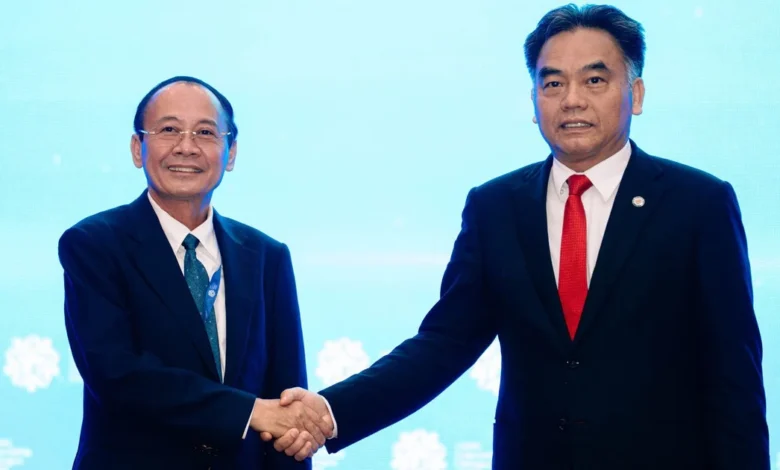
Ho Chi Minh City is accelerating its proactive international integration and economic diplomacy strategy by hosting a series of high-level bilateral meetings with regional and global municipal leaders. Taking place within the framework of the 3rd Ho Chi Minh City Friendship Dialogue in September 2026, these diplomatic engagements mark a pivotal step for Vietnam’s southern economic powerhouse as it seeks to diversify partnerships, attract high-quality foreign investments, and pioneer sustainable urban solutions for the future.
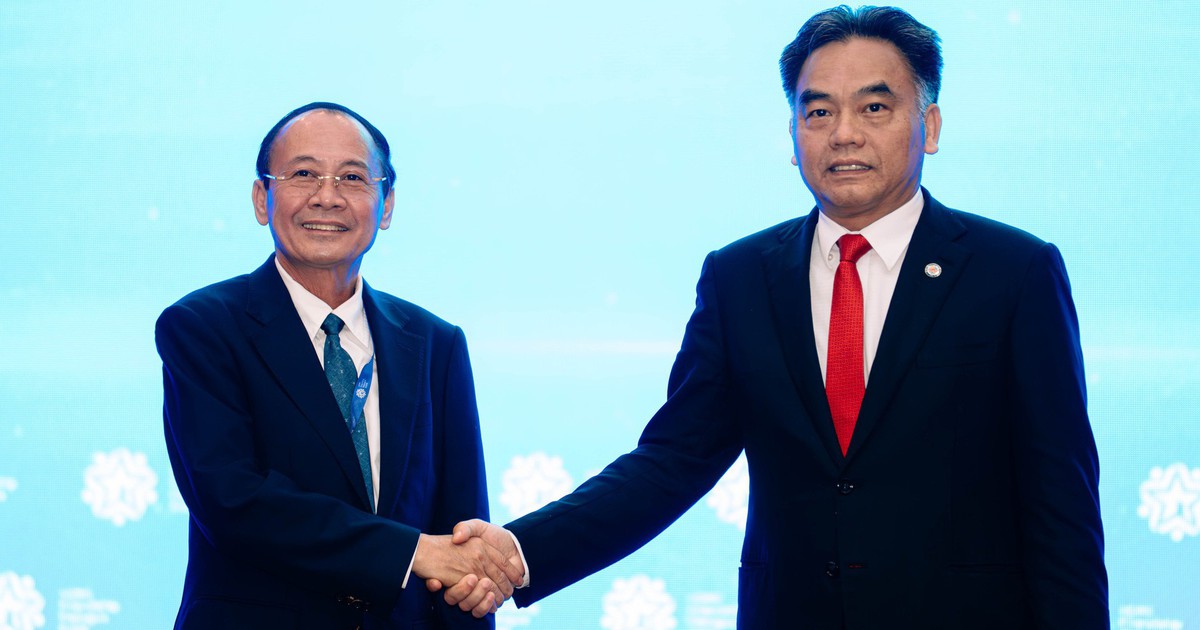
The high-stakes dialogue sessions brought together a diverse group of international delegates representing major economic hubs, capital cities, and provinces from across Asia, Europe, Oceania, and the Americas. Rather than relying on traditional, generalized diplomatic frameworks, this year’s discussions focused heavily on hyper-localized, pragmatic economic collaboration tailored to the unique strengths, strategic geographical advantages, and specific developmental needs of Ho Chi Minh City and its international counterparts.
Strengthening Strategic Ties with Tokyo: Green Ports, Smart Urbanization, and Climate Resilience
Among the prominent international delegations, the meeting between Ho Chi Minh City’s Vice Chairman of the People’s Committee, Bùi Minh Thạnh, and Tomohide Sato, Vice Governor of Tokyo, Japan, stood out as a cornerstone of bilateral economic diplomacy. Japan remains one of Ho Chi Minh City’s most steadfast and influential economic partners. Official statistics presented during the meeting indicate that as of August 31, Japanese enterprises had poured capital into 2,346 active projects across the city, accumulating a staggering total investment value of approximately $15.356 billion USD.

Vice Chairman Bùi Minh Thạnh expressed deep appreciation for Tokyo’s continued commitment to fostering bilateral stability. He emphasized Ho Chi Minh City’s readiness to streamline administrative procedures, welcome innovative frameworks, and champion initiatives aligned with smart city development, advanced urban governance, renewable energy transition, and carbon emission reductions.
Of particular importance was the dialogue surrounding maritime logistics and port management. With Ho Chi Minh City serving as Vietnam’s primary southern economic engine, municipal leaders expressed a keen interest in learning from Tokyo’s advanced port administration models. Both sides explored avenues to develop green, smart ports and digitize logistics chains, while setting the ambitious long-term goal of fostering direct maritime connectivity between the Port of Tokyo and Vietnam’s bustling Cai Mep-Thi Vai port cluster.

Vice Governor Tomohide Sato, visiting Vietnam for the first time, remarked on the palpable economic momentum and dynamic energy driving Ho Chi Minh City. He noted that Tokyo is aggressively tackling climate change through the construction of underground flood-regulation channels, cutting-edge disaster prevention technologies, and data-driven information systems.
Furthermore, aligned with Tokyo’s overarching objective to achieve net-zero carbon emissions by 2050—while halving carbon output by 2030—Vice Governor Sato affirmed Tokyo’s dedication to collaborating with Ho Chi Minh City to build clean, environmentally sustainable port infrastructure. Both municipal governments also discussed strategies to elevate Ho Chi Minh City’s status as an emerging international financial center, noting that Tokyo is simultaneously working to enhance its business environment for foreign investors by expanding English-language support services and regulatory transparency.

Expanding Horizons Beyond Education: Ho Chi Minh City and Palmerston North Forge Multi-Sector Alliances
Demonstrating that municipal diplomacy extends far beyond major metropolitan centers, Ho Chi Minh City leadership also engaged in strategic talks with Grant Smith, Mayor of Palmerston North, New Zealand. Building upon a foundation of educational cooperation agreements initially signed in 2020 and renewed in 2022, both leaders agreed to broaden the scope of bilateral ties into a comprehensive, multi-sector partnership.
Ho Chi Minh City proposed expanding collaboration into agriculture, food technology, innovation, logistics, trade, and sustainable urban development. Mayor Grant Smith acknowledged the deep structural similarities between the two regions and expressed enthusiasm for converting mutual potential into tangible economic outcomes.

Mayor Smith placed special emphasis on New Zealand’s globally recognized strengths in food manufacturing and deep-processing technologies. He proposed tighter integration between agricultural technology institutions, universities, and research centers in both countries to boost research and development capabilities. As Palmerston North serves as one of New Zealand’s primary inland logistics hubs with extensive international supply chains, the city is uniquely positioned to facilitate smoother export-import pathways for Vietnamese goods entering Oceania and international markets.
Strengthening Traditional Bonds: Xieng Khouang Proposes New MOU for 2026–2030
Deepening solidarity within Southeast Asia, the Ho Chi Minh City leadership delegation—led by Permanent Vice Chairman of the People’s Committee Nguyễn Lộc Hà—held a warm and productive working session with Phouvong Ounkhamsen, Member of the Lao People’s Revolutionary Party Central Committee, Secretary of the Provincial Party Committee, and Chairman of the Provincial People’s Council of Xieng Khouang Province, Laos.

Expressing profound gratitude for Ho Chi Minh City’s consistent material and moral support over the years, Secretary Phouvong Ounkhamsen underscored Xieng Khouang’s desire to accelerate cooperation in investment, renewable energy, and modern agriculture. Building upon pre-existing provincial cooperative frameworks, the Lao delegation formally proposed drafting and signing a new Memorandum of Understanding (MOU) for the 2026–2030 period.
Highlighting current bottlenecks in bilateral commerce, the Xieng Khouang leadership noted that current business-to-business exchanges have yet to match the true economic potential of both localities, with a significant portion of trade still occurring through informal channels. To rectify this, the province requested Ho Chi Minh City’s assistance in establishing an official representative office in the southern metropolis to facilitate commodity exchange, trade promotion, and vocational training. Permanent Vice Chairman Nguyễn Lộc Hà welcomed the initiative, instructing relevant municipal departments and agencies to urgently review the proposed terms and prepare for an expedited signing ceremony tailored to the post-merger administrative landscape of Ho Chi Minh City.

A Global Network of Municipal Partnerships
Beyond these high-profile bilateral engagements, the 3rd Ho Chi Minh City Friendship Dialogue served as a diplomatic nexus for numerous other international delegations. Municipal leaders and departmental heads held substantive working sessions with representatives from Santiago de Cuba and Artemisa (Cuba); Guangzhou and Beijing (China); Gangwon Province (South Korea); the State of Victoria (Australia); Yokohama and the Kansai Region (Japan); Leipzig (Germany); and Rostov Oblast (Russia).
These intensive diplomatic interactions reflect Ho Chi Minh City’s pragmatic approach to international relations. By engaging simultaneously with traditional allies and emerging economic partners, the city is purposefully constructing a resilient, diversified network of global alliances. Analysts note that these localized diplomatic efforts directly support Vietnam’s broader foreign policy goals of multilateralism, economic resilience, and sustainable development, ensuring that Ho Chi Minh City remains firmly positioned as a competitive, forward-looking global city well into the future.