The ongoing geopolitical impasse between the United States and Iran has fundamentally altered the strategic landscape of the Persian Gulf, compelling regional powers to accelerate the development of critical infrastructure that bypasses the Strait of Hormuz. As the conflict shows no signs of a diplomatic breakthrough, the nations of the Gulf Cooperation Council (GCC) are transitioning from a state of reactive crisis management to a long-term "Plan B" strategy designed to insulate their economies from the persistent volatility of this narrow, high-stakes maritime corridor.
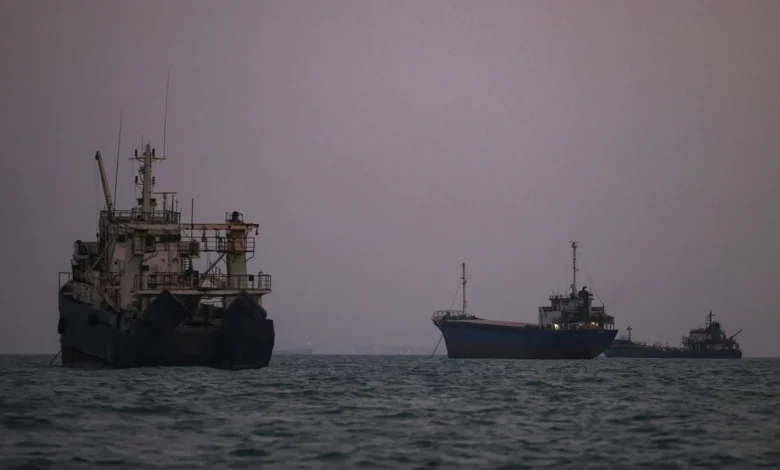
The Strait of Hormuz, a narrow waterway separating the Arabian Peninsula from Iran, remains the world’s most critical energy chokepoint. Approximately 20% of global oil consumption and significant volumes of liquefied natural gas (LNG) pass through this passage daily. For years, the threat of Iranian disruption has served as a latent risk; however, the current climate of sustained tension has transformed this potential danger into a permanent reality, forcing regional governments to diversify their logistics and supply chain routes.
The Erosion of the "Temporary Crisis" Narrative
For years, the international community and regional stakeholders viewed tensions in the Gulf as cyclical events—short-term flare-ups that would eventually yield to mediation. However, recent statements from high-level officials suggest a paradigm shift. Majed al-Ansari, a spokesperson for the Qatari Ministry of Foreign Affairs and advisor to the Prime Minister, recently remarked at the Hili Forum in Abu Dhabi that the region is no longer dealing with an acute crisis but rather a "new normal."
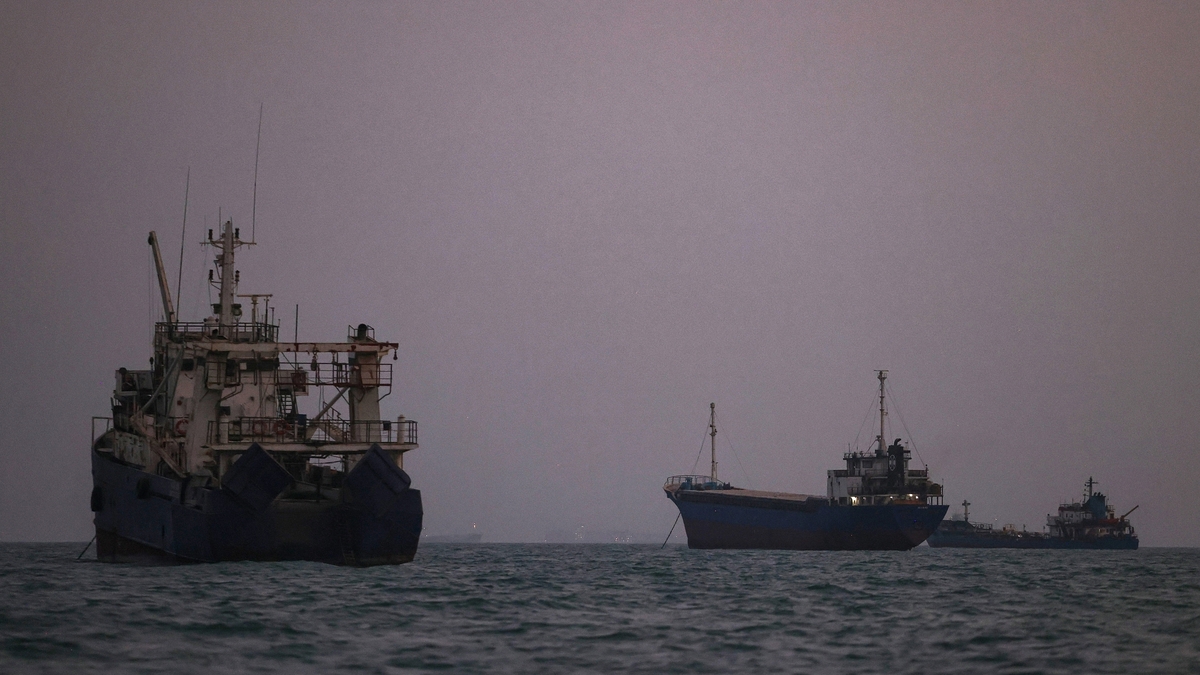
This assessment reflects a broader consensus among GCC policymakers. The reliance on the United States as the sole guarantor of regional security is being reassessed. While officials emphasize that the U.S.-led security umbrella remains a cornerstone of their defense architecture, there is a clear strategic imperative to build domestic and regional resilience. As Anwar Gargash, diplomatic advisor to the UAE President, noted, the goal is to enhance strategic autonomy without decoupling from traditional alliances. The challenge, according to Gargash, lies in the delicate balance of restoring essential working relationships with neighbors while navigating the profound lack of trust that characterizes the current era.
Chronology of Escalation and the Pivot to Diversification
The current state of affairs is the culmination of years of mounting friction. The following timeline outlines the key factors leading to the current strategic pivot:
- Pre-2019: The Strait of Hormuz remained largely stable despite periodic verbal sparring between Washington and Tehran.
- 2019-2020: A series of attacks on oil tankers and the destruction of the Fujairah fuel facility signaled a tactical change, with regional infrastructure becoming a direct target.
- 2023-2024: The intensification of U.S. economic sanctions and the reciprocal hardening of Iranian posturing solidified the conviction in Gulf capitals that transit through the Strait could be weaponized at any moment.
- 2025-2026: Regional powers initiated large-scale infrastructure projects aimed at creating viable land-based and alternative-port logistics routes, moving beyond mere contingency planning to full-scale operational implementation.
Supporting Data and Infrastructure Shifts
The shift away from total reliance on the Strait is not merely theoretical; it is visible in the massive capital expenditures currently underway across the Gulf.
The DP World group, which manages the massive Jebel Ali port in Dubai, announced earlier this year the development of two deep-water ports in Fujairah, situated safely outside the Strait of Hormuz. Similarly, the Abu Dhabi National Oil Company (ADNOC) is fast-tracking a 515-kilometer oil pipeline designed to increase export capacity significantly by next year.
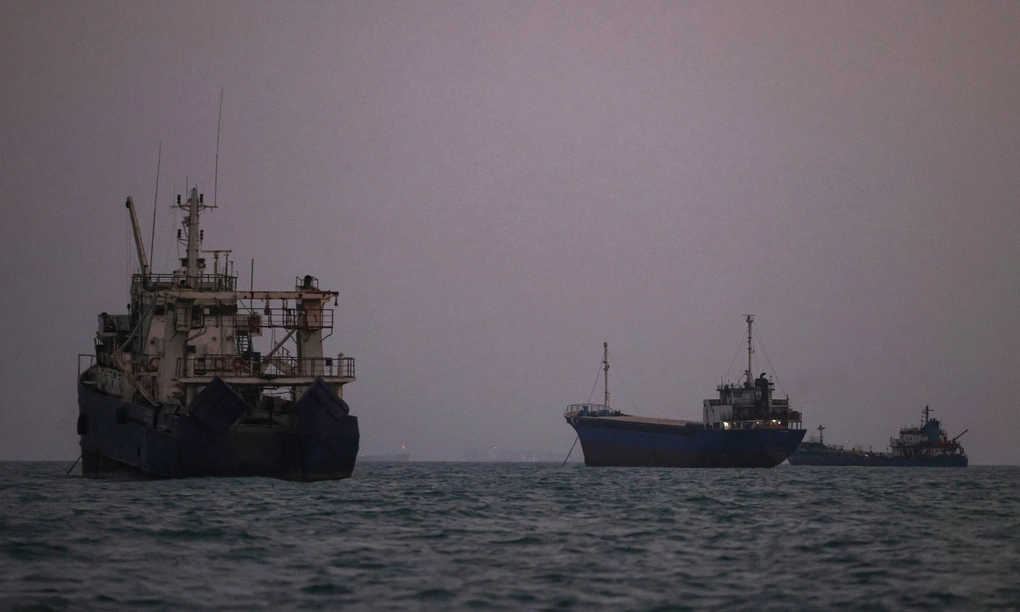
Data from logistics hubs illustrates the urgency. Khorfakkan port, for example, has seen its weekly container processing volume surge from approximately 8,000 units before the recent escalation to over 70,000 units in recent months. Farid Belbouab, CEO of Gulftainer, which operates the port, stated that while no single route can fully replace the Strait of Hormuz, the cumulative effect of these initiatives is a dramatic reduction in regional vulnerability.
Geopolitical Implications and Strategic Autonomy
The implications of this shift are profound for both the Middle East and the global energy market. By investing in alternative infrastructure, GCC nations are effectively increasing their "strategic depth." This move forces Iran to recognize that its ability to exert leverage through maritime blockades is diminishing.
Furthermore, this development has led to a diversification of defense and economic partnerships. Nations like the UAE and Saudi Arabia are increasingly looking to secondary partners—including South Korea, Turkey, and even limited defense collaboration with China—to bolster their defensive capabilities. The installation of Chinese-made defensive systems in Bahrain, which occurred with minimal public objection from Washington, suggests that regional powers are prioritizing operational security over traditional bloc-aligned military procurement.
The Human and Economic Cost of the "New Normal"
The economic impact of this "Plan B" is substantial. While these projects require billions in investment, they are seen as an insurance policy against the catastrophic costs of a total closure of the Strait. For countries like Kuwait, Qatar, and Bahrain, which lack the geographic advantage of a coastline facing the open sea, the stakes are even higher. Qatar, in particular, remains vulnerable due to its reliance on LNG exports. Any disruption to its shipping routes could have immediate, ripple effects on the global energy market, given its 20% share of global supply.
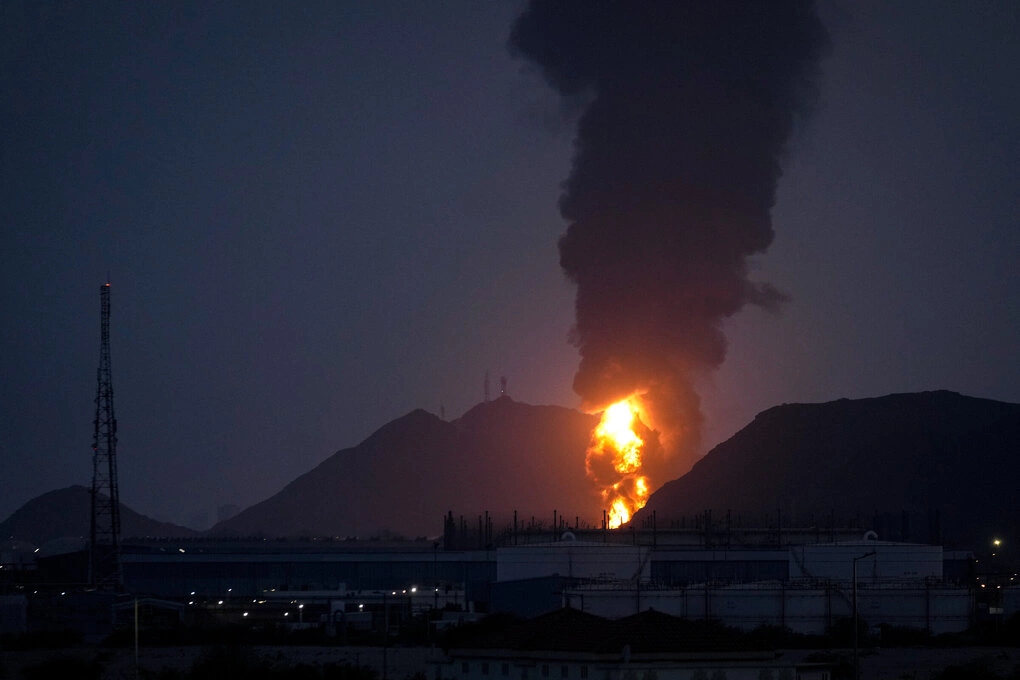
Nasser Hassan Al Shaikh, a former UAE official and current business leader, noted that the preparation of a "Plan B" is no longer an optional strategic exercise; it is an economic necessity. "We have come to understand that the world—and our security environment—does not stop for anyone. We must build the infrastructure that allows us to continue, regardless of the instability in the shipping lanes," he stated.
Conclusion: A Transformed Region
The "new normal" in the Gulf is one defined by caution, diversification, and a recalibration of power. The era where the security of global energy supplies rested solely on the ability of one or two naval powers to keep a narrow channel open is drawing to a close.
As the GCC nations continue to harden their infrastructure and diversify their logistical networks, the geopolitical map of the region is being redrawn. While the U.S. remains a vital partner, the trend toward strategic autonomy is irreversible. The Gulf states are effectively building a future where they are less susceptible to the whims of regional adversaries and more capable of sustaining their economic growth in an era of perpetual friction. The transition is costly and complex, but as the current developments in Fujairah and Khorfakkan demonstrate, it is already well underway, signaling a more resilient, if increasingly fragmented, regional architecture.