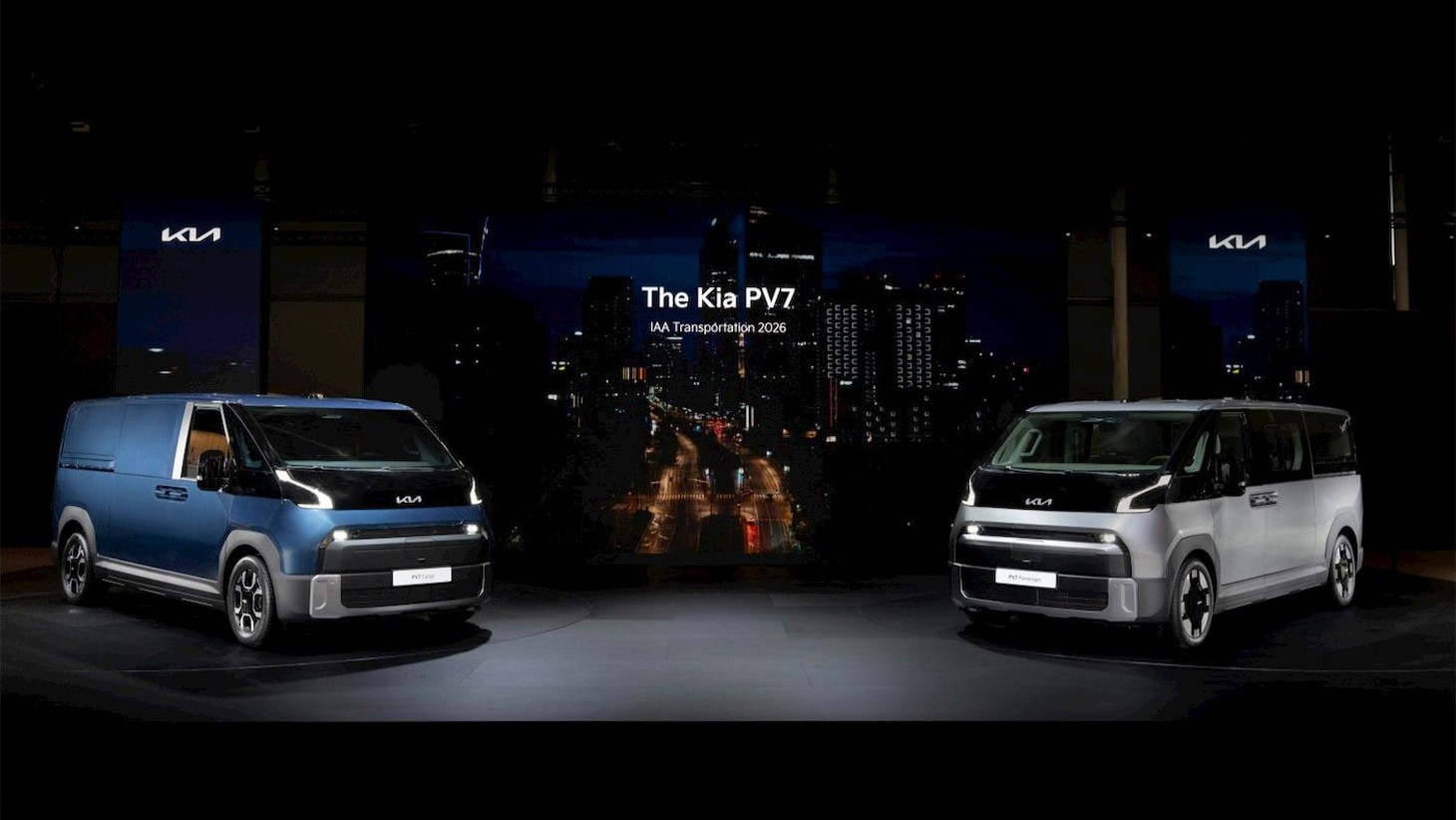
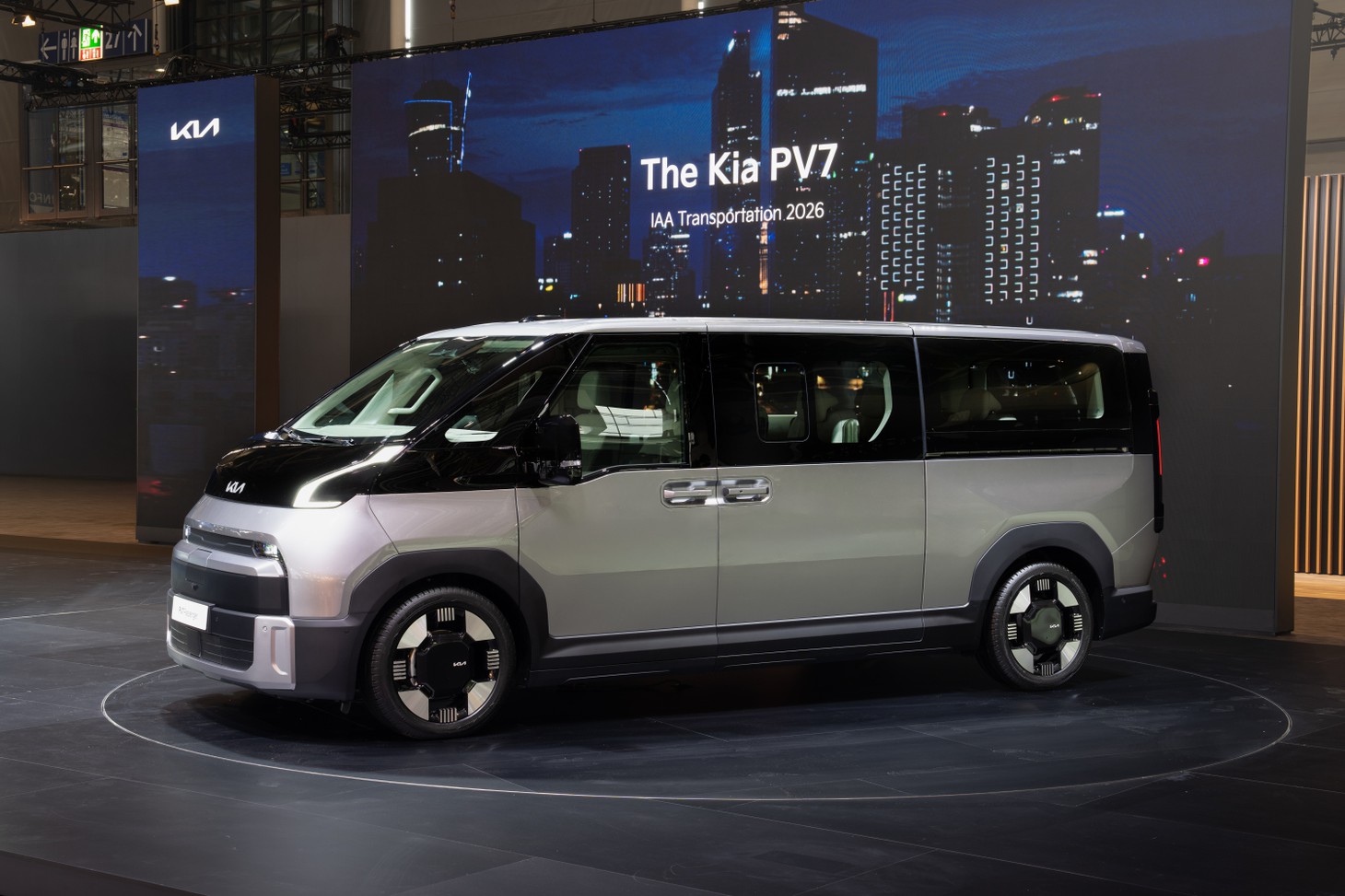
The global commercial vehicle sector witnessed a significant shift at the IAA Transportation 2026 exhibition in Hannover, Germany, as South Korean automaker Kia officially unveiled the PV7, its latest foray into the battery-electric van segment. Positioned as the second flagship model in the company’s dedicated Platform Beyond Vehicle (PBV) lineup—following the introduction of the smaller PV5—the PV7 represents Kia’s ambitious strategy to capture a substantial share of the burgeoning electric commercial market, directly challenging incumbents like the Ford E-Transit.
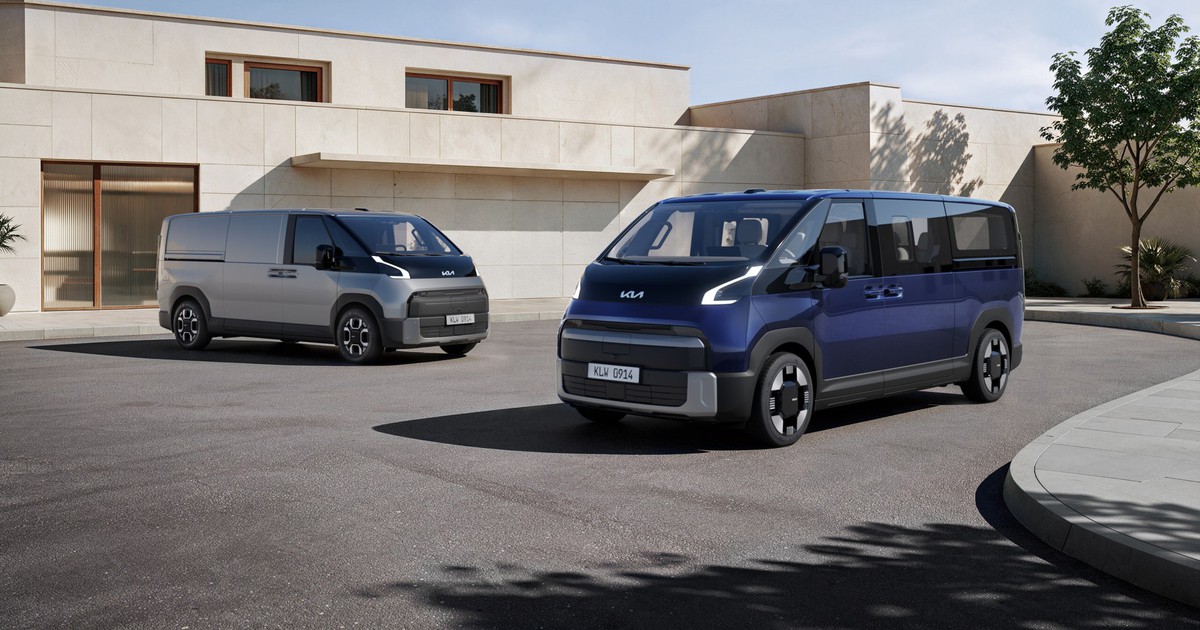
The debut of the PV7 is not merely a product launch; it is a critical component of Kia’s broader electrification roadmap. The company has confirmed plans to roll out the vehicle in the South Korean and European markets starting in the latter half of 2027, with subsequent expansions planned for North America and other key global regions. By leveraging a modular architecture and a highly versatile design, Kia aims to address the evolving needs of logistics providers, fleet operators, and passenger transport services, offering a vehicle that is as much a digital ecosystem as it is a mode of transport.
Architectural Innovation and Design Philosophy
At the heart of the Kia PV7 lies the E-GMP (Electric-Global Modular Platform), a technology architecture specifically adapted for the PBV series. Unlike traditional van manufacturing, which often relies on fixed body-on-frame or unibody designs, the PV7 employs a “Life Module” concept. This modular approach allows for rapid customization of the vehicle’s rear section, enabling the chassis to be transformed into various configurations ranging from high-roof cargo haulers to passenger shuttles.
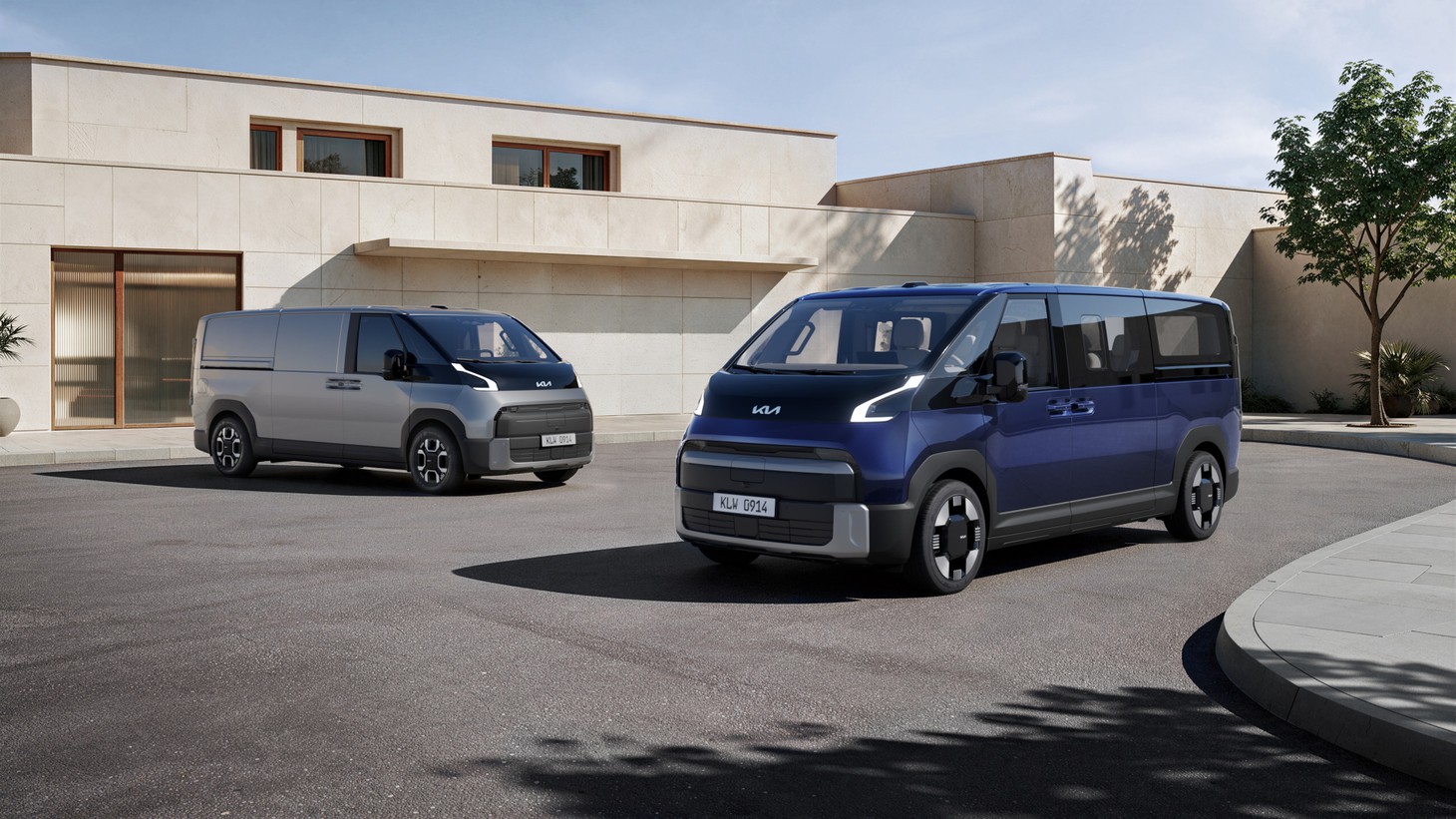
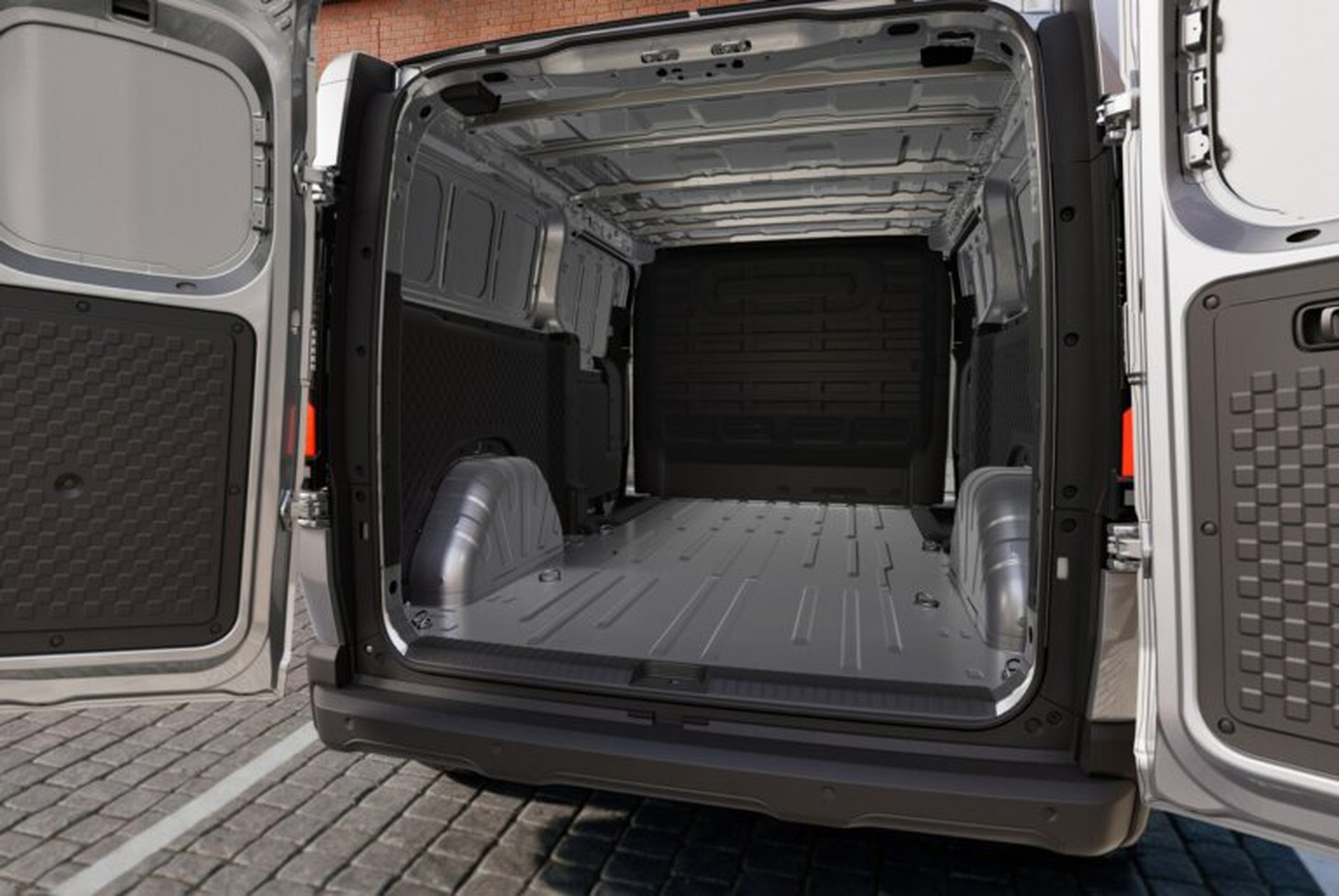
The design philosophy prioritizes volumetric efficiency. By utilizing a "skate-board" chassis, engineers have been able to push the wheels to the extreme corners of the vehicle, maximizing the interior wheelbase. This structural optimization ensures that the cargo area remains unobstructed, facilitating easier loading and unloading—a critical metric for last-mile delivery services. The flexibility afforded by the modular structure means that a single vehicle can serve multiple roles throughout its operational lifespan, a feature that fleet managers are increasingly prioritizing to reduce total cost of ownership.
Technical Specifications and Performance Metrics
The PV7 enters the market with a robust set of performance credentials designed to meet the rigorous demands of commercial operations. Kia has confirmed that the van will be available with two distinct battery capacities: a 71.5 kWh unit for urban-centric fleets and a 96.2 kWh long-range pack for regional distribution.
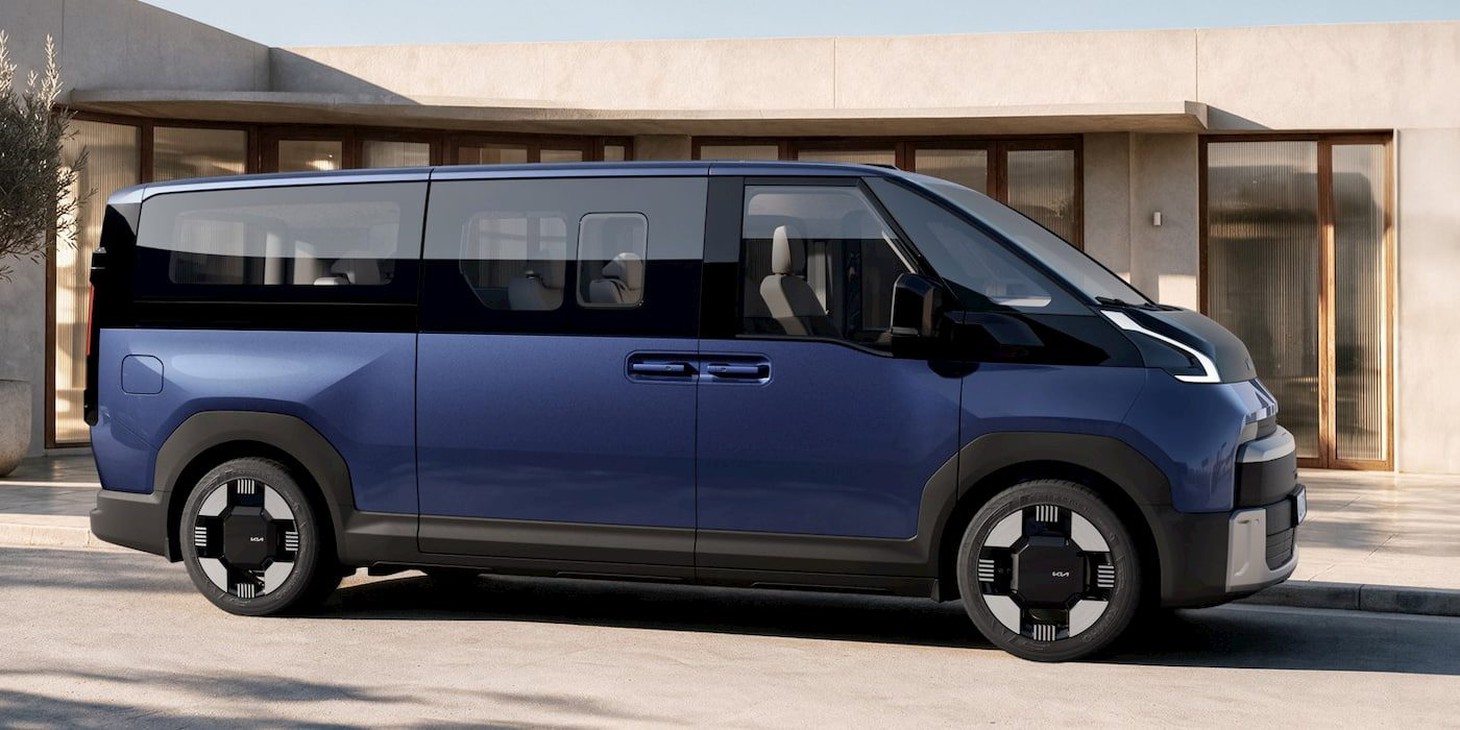
Depending on the specific configuration, the electric motor can deliver up to 200 kW (approximately 268 horsepower) and a peak torque of 420 Nm. The vehicle utilizes a front-wheel-drive layout, which, according to Kia, provides superior traction and stability under varying load conditions. Perhaps the most notable performance figure is the range; the Cargo Long Range variant is projected to achieve over 460 kilometers (approximately 286 miles) on a single charge, based on the Worldwide Harmonized Light Vehicles Test Procedure (WLTP). This range is expected to alleviate "range anxiety," a primary barrier to the widespread adoption of electric vans in commercial fleets.
Charging infrastructure support is another area where the PV7 aims to lead. The vehicle is built on an 800V electrical architecture, enabling ultra-fast DC charging. Under optimal conditions using a 350 kW charger, the battery can be replenished from 10% to 80% in just under 20 minutes. Furthermore, the inclusion of dual charging ports—AC/DC at the front and an AC port at the rear—offers users significant operational flexibility in depot environments.
Versatility and Cargo Capabilities
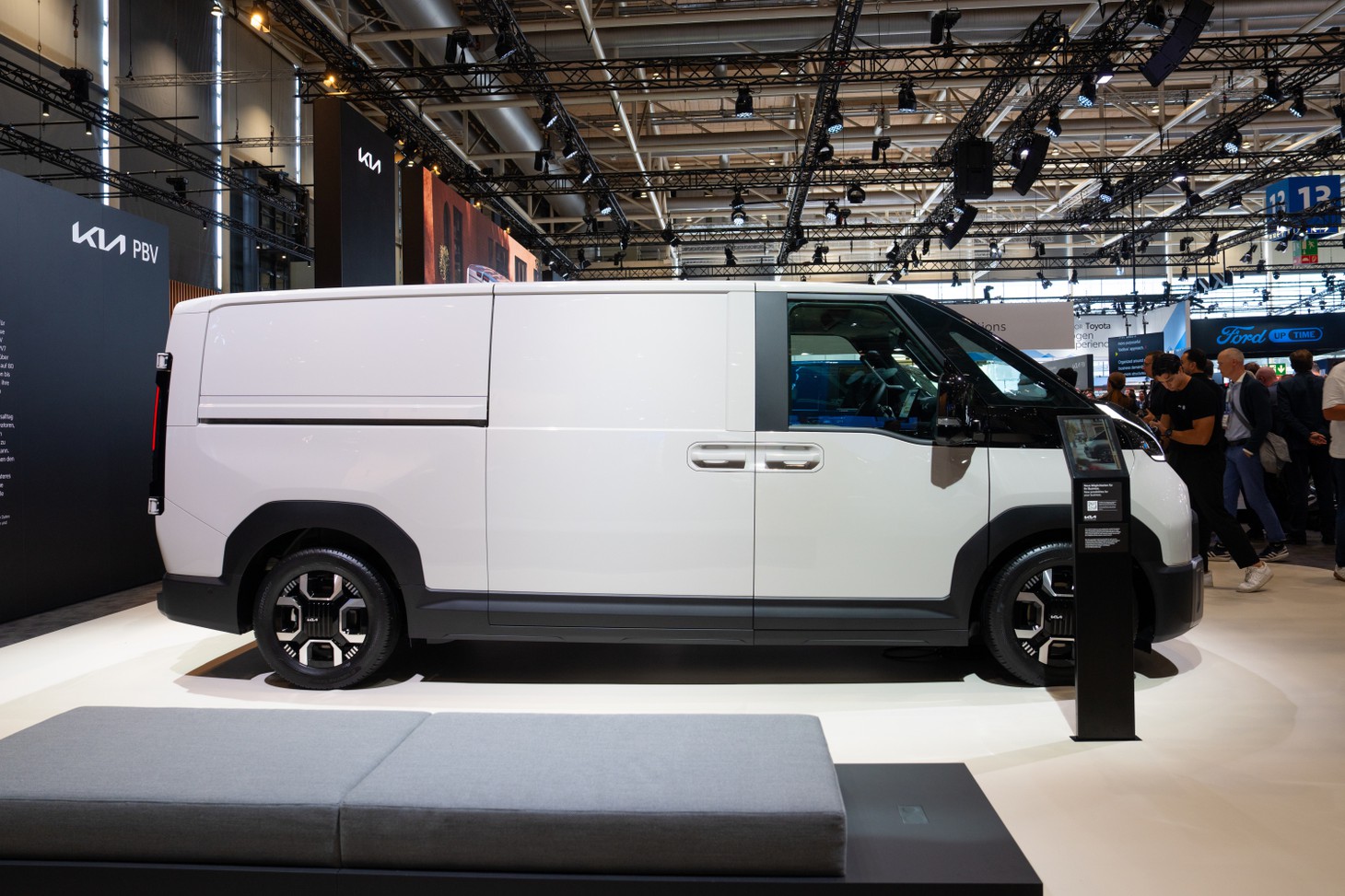
The primary appeal of the PV7 lies in its configurability. Kia has announced that the platform will eventually support up to 23 distinct variants, including Cargo, Passenger, and Chassis Cab configurations.
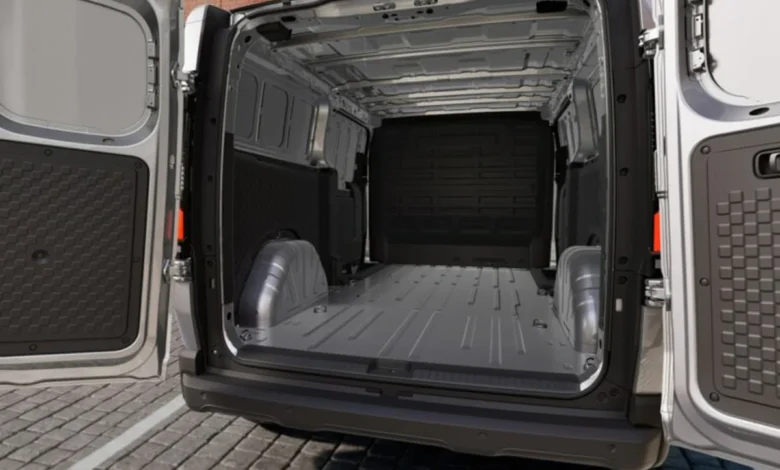
In the Cargo guise, the "Long" version provides a cavernous 6.1 cubic meters of storage space, while the "High Roof" model expands this capacity to 8 cubic meters. Cargo management is further enhanced by a low floor height of 550 mm, which simplifies the loading of heavy items. The Long version is specifically designed to accommodate up to three standard Euro-pallets, a benchmark requirement for European logistics. Payload capacity is equally competitive, with the Long version rated for 1,165 kg and the Compact version supporting up to 1,200 kg.
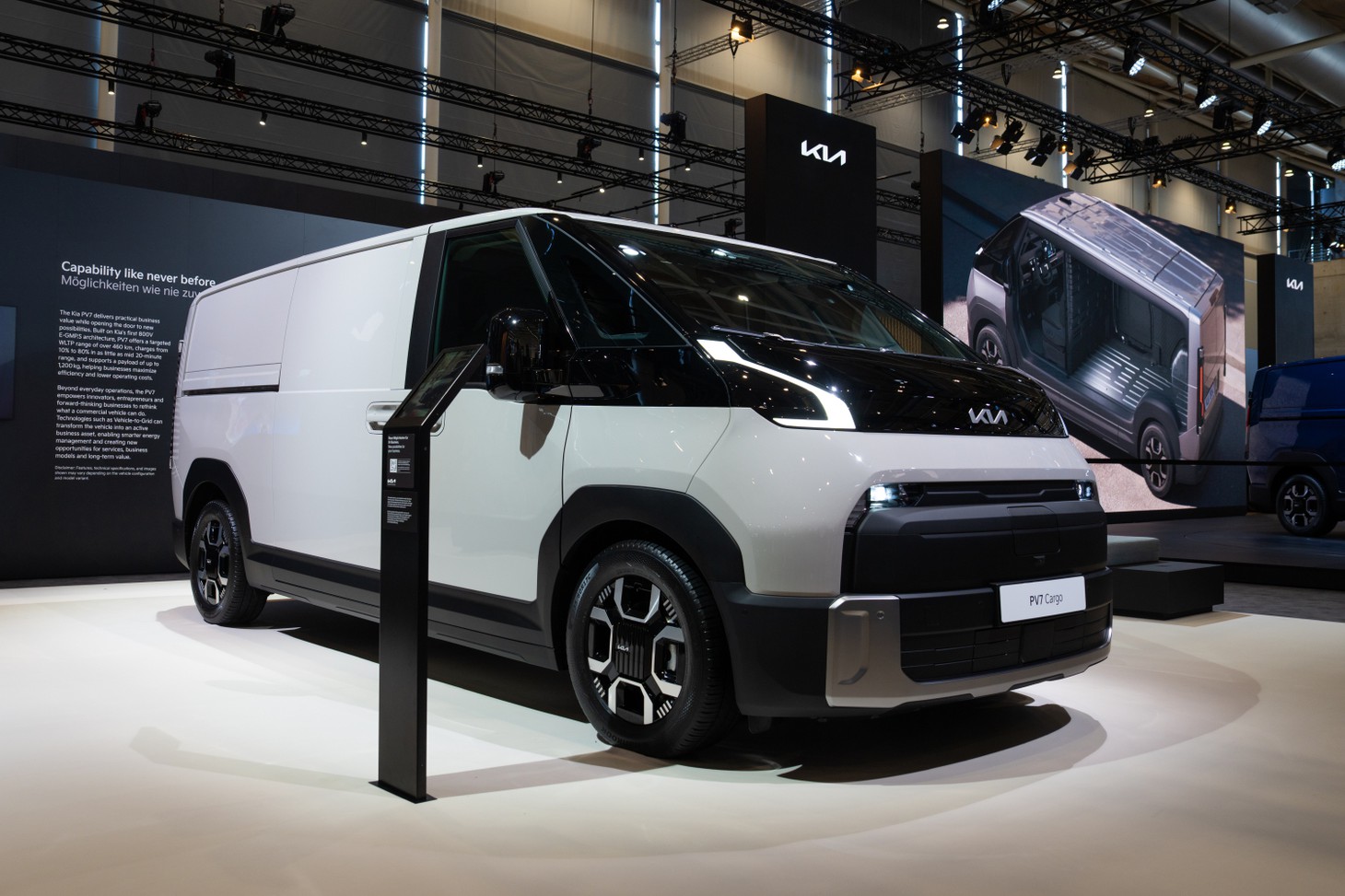
Beyond simple storage, the vehicle features intelligent load-sensing technology. The suspension automatically adjusts based on the real-time weight of the cargo, ensuring consistent handling and braking performance regardless of how heavily the van is loaded. Additional practical features, such as side-sliding doors and multiple rear-door options, allow operators to tailor the vehicle to specific loading docks or delivery environments.
Digital Ecosystem and Advanced Connectivity
Recognizing that modern logistics is data-driven, Kia has integrated its proprietary Pleos Connect system into the PV7. Powered by Android Automotive OS, this platform serves as the digital brain of the vehicle. It supports over-the-air (OTA) software updates, allowing for continuous improvements to battery management and driver-assistance features without the need for service center visits.
The inclusion of the Gleo AI assistant represents a step forward in human-machine interaction. Drivers can control various vehicle functions—such as navigation, climate control, and even the locking/unlocking of cargo doors—using natural language voice commands. This is particularly beneficial for delivery drivers who may be wearing gloves or have their hands full, allowing them to focus on the task at hand while the vehicle manages its own security and environmental settings.
Safety and Driver Assistance
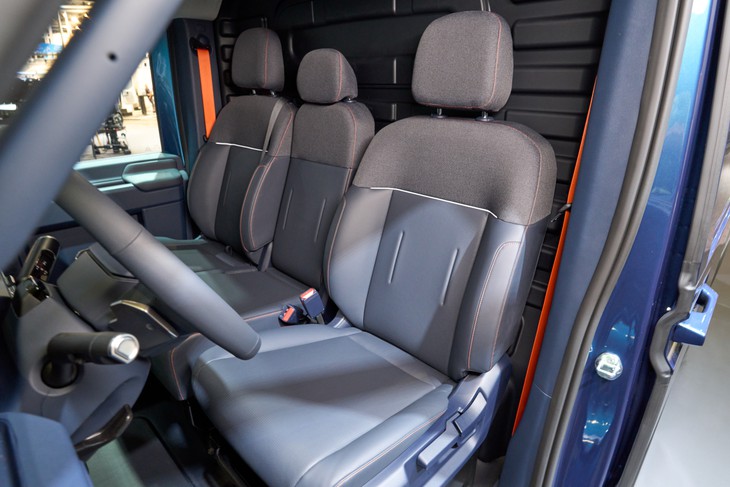
Safety in a commercial context is non-negotiable. The PV7 is equipped with a comprehensive suite of Advanced Driver Assistance Systems (ADAS). This includes forward collision warning and avoidance, lane-keeping assist, adaptive cruise control, and a 360-degree camera system. The 360-degree view is particularly useful in congested urban areas, where the vehicle’s size might otherwise make parking and maneuvering difficult.
Additionally, the Vehicle-to-Load (V2L) technology allows the van’s battery to act as a mobile power source. This feature is a game-changer for tradespeople who require power for tools on-site, or for mobile retail businesses that need to run refrigeration units or lighting directly from the vehicle’s battery.
Market Context and Future Outlook
The launch of the Kia PV7 occurs during a period of intense transformation for the automotive industry. As cities worldwide implement stricter emission standards and Low Emission Zones (LEZs), the demand for zero-emission commercial vehicles is skyrocketing. Major logistics companies, under pressure to meet corporate sustainability goals, are aggressively transitioning their fleets to electric power.
The competition in the electric van market is fierce. The Ford E-Transit, Mercedes-Benz eSprinter, and offerings from the Stellantis group have already established a presence. However, Kia’s strategy of "Platform Beyond Vehicle" suggests a focus on total lifecycle utility rather than just a battery-swapped version of a combustion-engine van. By building from the ground up, Kia hopes to offer a lower total cost of ownership through reduced maintenance, superior energy efficiency, and the ability to repurpose the vehicle body as business needs evolve.
Analysts suggest that the success of the PV7 will hinge on Kia’s ability to scale production and maintain the reliability that commercial operators demand. Unlike the consumer car market, where aesthetics and performance are paramount, the commercial vehicle market is driven by uptime and profitability. If the PV7 can demonstrate robust durability and efficient fleet management integration, it could prove to be a disruptive force in the global van market.
Conclusion
The Kia PV7 stands as a testament to the company’s pivot toward becoming a comprehensive provider of mobility solutions. With its blend of high-capacity battery options, ultra-fast charging, and a deeply modular design, it addresses the most significant challenges facing fleet operators today. As the 2027 launch window approaches, the industry will be closely monitoring whether the PV7 can live up to its promise of redefining the commercial vehicle experience. For now, its presence at IAA Transportation 2026 confirms that Kia is no longer a peripheral player in the commercial sector, but a serious contender ready to challenge the status quo of the global logistics landscape.