As the global population ages, the preservation of musculoskeletal health has emerged as a critical public health priority. Osteoporosis—a condition characterized by a decrease in bone mineral density and the deterioration of bone microarchitecture—affects millions of individuals worldwide, significantly increasing the risk of fragility fractures. While the natural aging process inherently leads to bone loss, particularly following the hormonal shifts associated with menopause, emerging research and clinical guidelines underscore the efficacy of proactive lifestyle interventions in mitigating these effects.
The Biological Context of Bone Aging
The integrity of human bone is dynamic, undergoing continuous remodeling throughout an individual’s lifespan. In healthy adults, the rate of bone resorption by osteoclasts is balanced by bone formation by osteoblasts. However, as individuals enter their 50s, this balance is frequently disrupted. For women, the sharp decline in estrogen levels during menopause serves as a catalyst for accelerated bone mineral density (BMD) loss. Estrogen plays a vital role in regulating bone turnover; without its protective influence, the skeleton becomes increasingly porous and susceptible to fractures.
Clinical studies indicate that bone mass typically peaks in the late 20s or early 30s. From this point forward, the body begins to lose more bone than it replaces. By the time a person reaches their 60s or 70s, the cumulative effect of this loss can lead to osteopenia or the more severe osteoporosis, creating a heightened vulnerability to life-altering fractures, particularly in the hip, spine, and wrist.
Optimizing Nutritional Intake for Skeletal Longevity
The foundation of bone health lies in the sustained intake of essential micronutrients, primarily calcium and vitamin D. According to the National Institutes of Health (NIH), the recommended daily allowance (RDA) for calcium shifts significantly after the age of 50. For women over 51, the target is 1,200 mg per day, while men require 1,000 mg until age 70, at which point their requirement also rises to 1,200 mg.
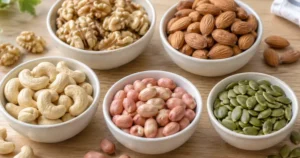
The challenge, however, lies in bioavailability and absorption. Rather than consuming the entirety of one’s daily calcium requirement in a single meal, health experts recommend distributing intake throughout the day. Dietary sources such as dairy products, leafy greens, fortified plant-based milks, and soy derivatives offer high absorption rates.
Equally vital is vitamin D, which acts as the metabolic "key" allowing the body to absorb calcium. The current consensus from medical institutions suggests an intake of 600 IU for most adults, increasing to 800 IU for those over 70. While moderate sun exposure facilitates natural vitamin D synthesis, the prevalence of deficiency in older populations necessitates dietary intervention through foods like fatty fish, egg yolks, and fortified cereals. Importantly, clinical guidelines caution against the self-administration of high-dose vitamin D supplements, as toxicity can lead to hypercalcemia, which carries its own set of health risks.
The Role of Physical Activity in Bone Remodeling
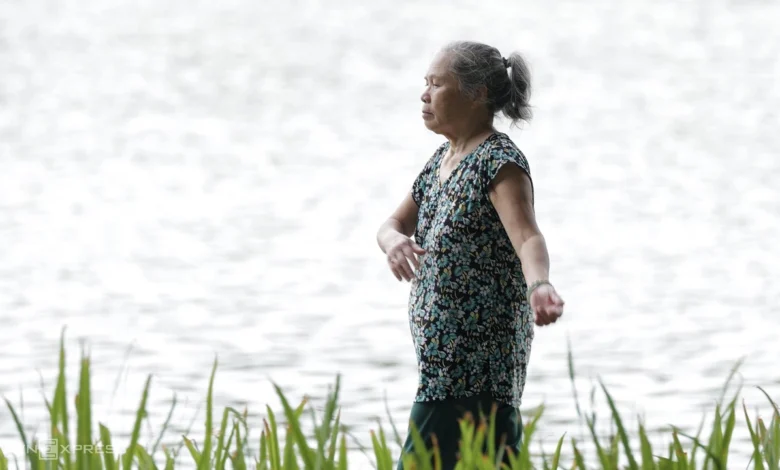
Physical activity serves as a primary mechanical stimulus for bone formation. Weight-bearing and resistance exercises are essential for stimulating osteoblasts to deposit new bone matrix. The impact forces generated during activities such as brisk walking, stair climbing, and strength training signal the body to maintain or increase bone density.
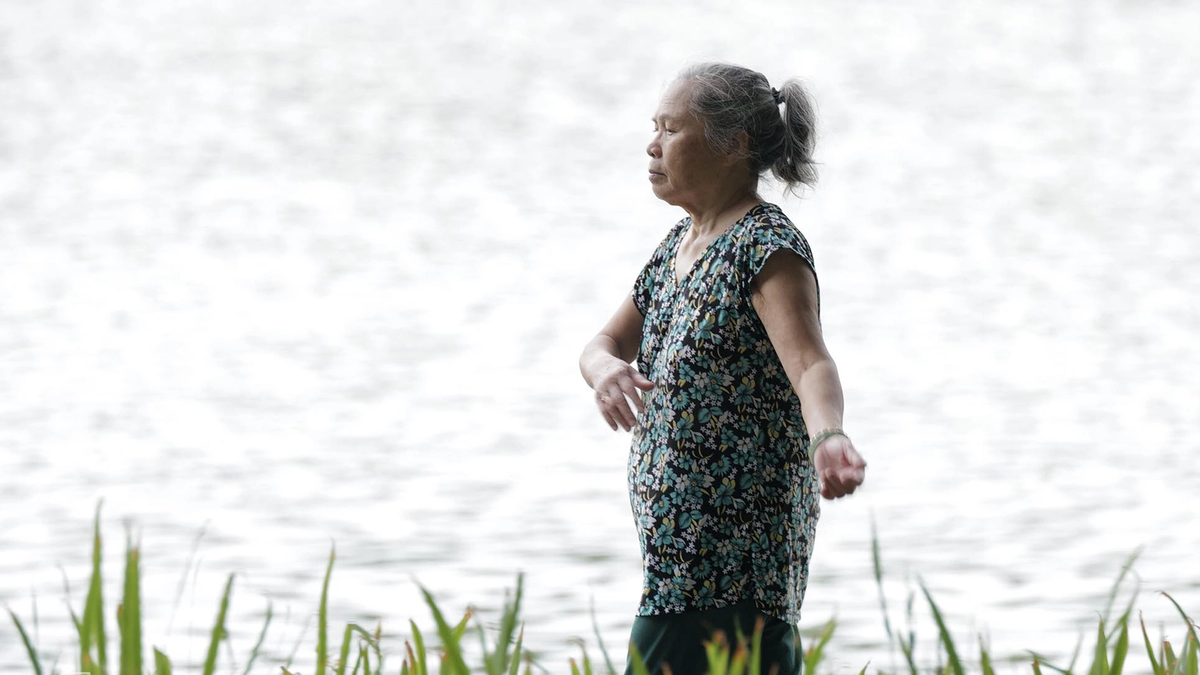
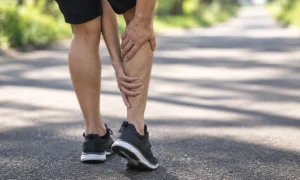
Beyond bone density, regular exercise is essential for the preservation of muscle mass—a condition known as sarcopenia. Muscle strength is intrinsically linked to balance, coordination, and gait stability. For the elderly, preventing falls is as critical as strengthening the bone itself, as a fall on a low-density bone is often the precipitating event for a fracture. Public health experts advocate for a consistent, moderate-intensity exercise regimen, emphasizing that even short, daily intervals of movement provide cumulative benefits for the musculoskeletal system.
Mitigating Risk Factors: Alcohol and Lifestyle
Lifestyle choices significantly influence the body’s ability to manage bone metabolism. The chronic consumption of alcohol has been shown to interfere with calcium absorption and vitamin D activation. Excessive alcohol intake is also associated with hormonal imbalances that further degrade bone quality. Consequently, clinicians strongly advise those at risk of osteoporosis to limit or eliminate alcohol consumption to protect the long-term integrity of their skeletal frame.
Furthermore, the environmental risk of falls must be addressed. A comprehensive home assessment for the elderly—removing tripping hazards like loose rugs, ensuring adequate lighting, and installing grab bars in bathrooms—is a standard recommendation to prevent traumatic injuries. Simple adjustments, such as wearing supportive, non-slip footwear, can significantly reduce the risk of fractures in high-risk individuals.
The Diagnostic Imperative: Monitoring and Screening
One of the most insidious aspects of osteoporosis is its status as a "silent disease." It often progresses without symptoms, pain, or warning signs until a fracture occurs. This reality necessitates a move away from relying on physical sensations to judge bone health and toward objective clinical assessment.
Medical professionals utilize Dual-energy X-ray Absorptiometry (DXA) scans to measure BMD, providing a "T-score" that compares an individual’s bone density to that of a healthy young adult. Screening protocols generally recommend that women over 65 and men over 70—or younger individuals with specific risk factors—undergo periodic testing. Risk factors include a family history of fractures, prolonged use of corticosteroids, low body weight, and certain chronic conditions such as rheumatoid arthritis or malabsorption syndromes.
Broader Public Health Implications
The socio-economic burden of osteoporosis is substantial. Fractures, particularly hip fractures, often lead to hospitalization, long-term disability, and a loss of independence for the elderly. The economic cost of managing these fractures, including surgical interventions and long-term care, places a massive strain on healthcare systems.
By adopting early and consistent nutritional, physical, and diagnostic habits, society can shift the paradigm from reactive fracture management to proactive bone health preservation. The goal is not merely to extend the human lifespan but to improve the "healthspan"—the period of life spent in good health, free from the limitations imposed by skeletal degradation.
In conclusion, maintaining a strong skeleton requires a multi-faceted approach. It involves a balanced diet rich in calcium and vitamin D, a commitment to regular weight-bearing exercise, the reduction of harmful lifestyle factors, and, crucially, engagement with healthcare providers to monitor bone density. As medical science advances, the ability to maintain skeletal integrity into the ninth decade of life is becoming an achievable standard for those who prioritize preventative care today.