Behind the Scenes of Mùa Hè Năm Ấy: Actress Minh Thu Opens Up About the Intense Slap Scene and Transition Pressures with Van Dung

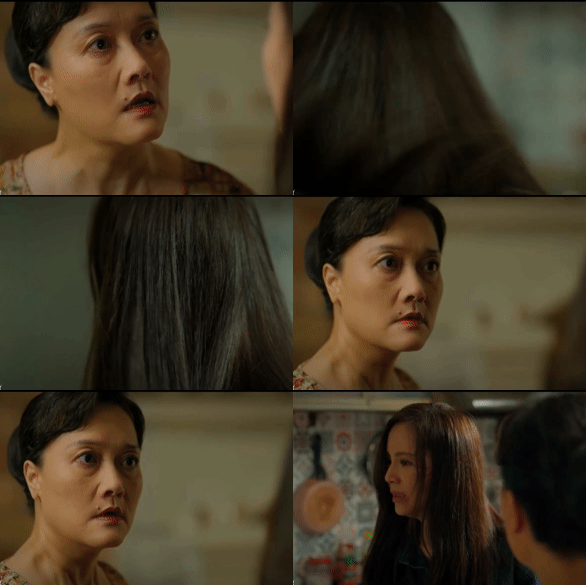
The contemporary Vietnamese television landscape frequently sparks intense public discourse, particularly when long-running series undergo dramatic shifts in character dynamics, narrative pacing, and the replacement of core cast members. A prime example of this phenomenon is the VTV prime-time drama Mùa Hè Năm Ấy, broadcast on VTV3. As the series progresses through its most emotionally charged sequences, viewers have been treated to a combination of high-stakes dramatic storytelling on screen and revealing behind-the-scenes insights into the dedication required to bring these complex family dynamics to life. Among the most talked-about moments in recent episodes is a harrowing confrontation between the character Phuong, portrayed by Minh Thu, and her mother, Mrs. Ngoc, played by veteran actress Van Dung. This pivotal sequence not only tested the psychological endurance of the performers but also highlighted the rigorous physical and emotional demands placed on actors working within Vietnam’s fast-paced television production environment.
Anatomy of a High-Stakes Dramatic Confrontation
In the sixteenth episode of Mùa Hè Năm Ấy, tension reaches a boiling point when the dutiful daughter Phuong discovers the full extent of her mother Ngoc’s deceitful and catastrophic financial and personal actions. The revelation shatters the illusion of family stability, prompting Mrs. Ngoc to deliver a stinging, left-handed slap to her daughter’s face. For television audiences, the scene was designed to evoke profound shock, effectively turning the narrative upside down and signaling a major turning point for the characters as the series approaches its subsequent developmental phases.
However, capturing the raw authenticity of this explosive mother-daughter conflict required extraordinary physical and emotional commitment from both actresses. According to production footage released by Vietnam Television (VTV), the sequence was far from a simple one-take affair. Behind the polished veneer of the final broadcast, Minh Thu and Van Dung had to maintain an intense emotional state long after the cameras stopped rolling. The execution of the slap itself required meticulous coordination to ensure cinematic realism while maintaining performer safety.
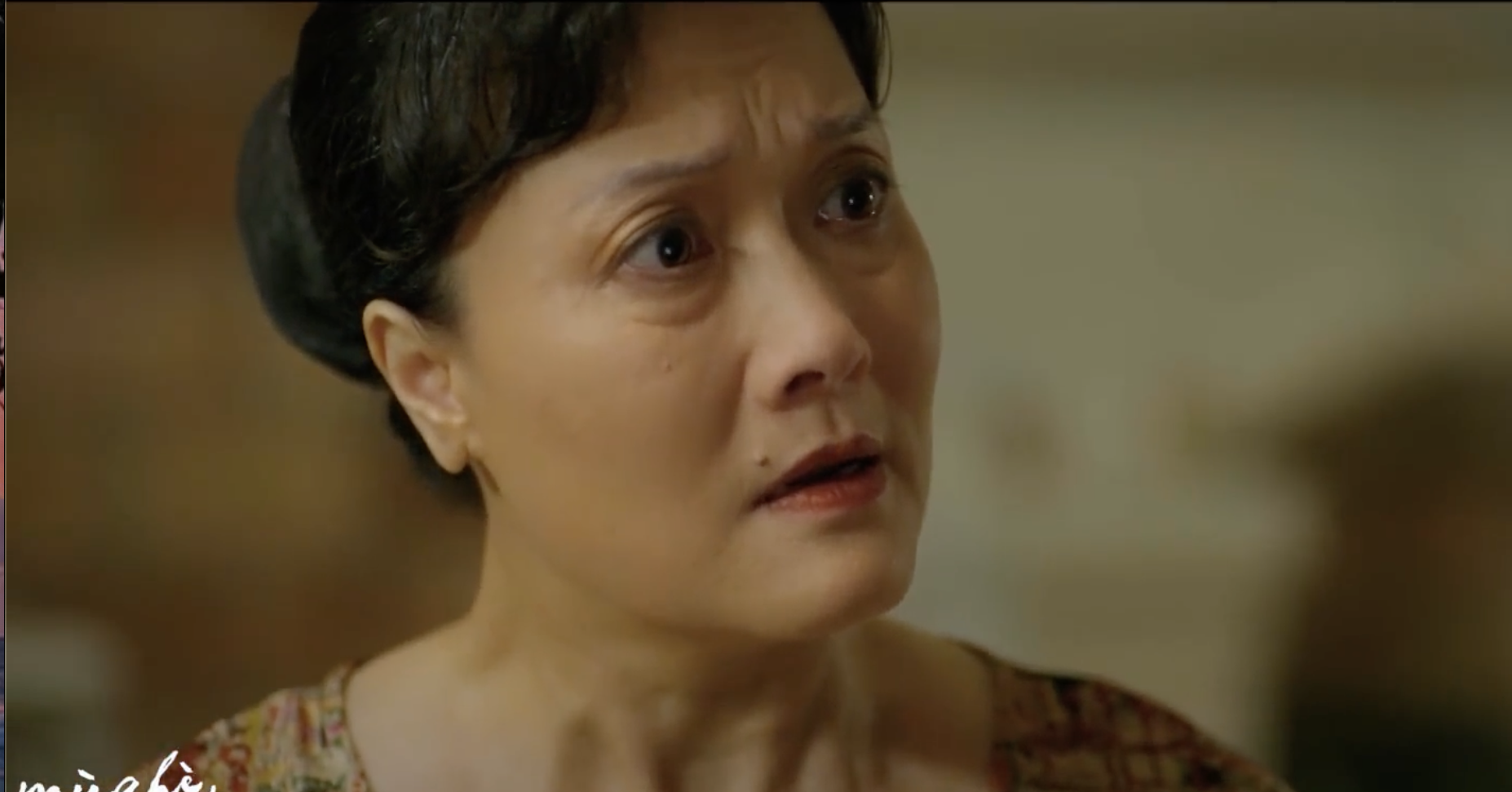
Because the scene demanded multiple camera angles to capture the spatial geometry and emotional geography of the confined living room set, the physical interaction had to be repeated three separate times. Despite the technical nature of shooting coverage from various perspectives, the emotional gravity of the moment did not dissipate between takes. Immediately after delivering the heavy blow, Van Dung dropped her professional detachment, stepping out of character to tenderly embrace Minh Thu, offering sincere apologies and checking on her co-star’s well-being. Meanwhile, Minh Thu remained deeply immersed in the psychological trauma of the character, continuing to sob uncontrollably even after the director called cut. The physical sting of the strike, compounded by the profound emotional exhaustion of the scene, left the young actress visibly shaken as she processed the heavy psychological toll of the character’s betrayal.
Building Chemistry on Set: The Mentorship of Van Dung
For Minh Thu, bringing the intense psychological landscape of Phuong to life was compounded by the fact that her primary dramatic sparring partner was a towering figure in Vietnamese comedy and drama. Sharing the screen with Van Dung represented a significant milestone in her career, particularly because the two actresses had never previously worked together or established a foundational on-screen rapport before being cast as mother and daughter.
Reflecting on the grueling preparation for episode 16, Minh Thu shared her experiences in an exclusive interview. She noted that the entire creative team recognized the emotional weight of the episode, leading the cast to review their approaches extensively during rehearsals at home. Walking onto the family set alongside Van Dung for their very first major collaborative scenes brought a mixture of nervous anticipation and professional gratitude.
Minh Thu acknowledged that working alongside a seasoned veteran provided a crucial stabilizing force during moments of high creative pressure. Although they started with a blank slate regarding their on-screen family dynamic, Van Dung assumed a natural mentorship role. The veteran actress drew upon her decades of industry experience to guide, direct, and nurture Minh Thu through the labyrinth of the scene’s complex emotional transitions. This behind-the-scenes collaboration allowed both performers to anchor their performances in genuine familial friction, balancing maternal severity with filial vulnerability.

The broader artistic resonance of this dynamic did not go unnoticed by the audience. Minh Thu expressed deep admiration for the masterclass in acting delivered by Van Dung and co-star Tô Dũng, noting that their collective output in the sixteenth episode successfully grounded the narrative turbulence. She suggested that the emotional resonance of their performances offered ample justification for why the production team implemented strategic cast shifts and character transformations during the later stages of the narrative arc.
Navigating the Burden of Cast Replacement and Audience Expectations
Taking on a prominent role in an established television series that undergoes mid-stream cast changes or narrative pivots invariably invites intense scrutiny from a loyal viewing public. In the case of Mùa Hè Năm Ấy, the introduction of new actors to beloved or previously established character arcs has generated significant debate across social media platforms and television forums. When asked by VietNamNet whether she felt overwhelmed by the pressure of stepping into a project with such high expectations, Minh Thu admitted that the psychological weight was a known factor from the very beginning.
The actress revealed that she made a conscious decision to accept the challenge, understanding fully that the role would invite comparisons, debates, and occasional skepticism from dedicated followers of the series. To manage this pressure, she relied on a combination of rigorous preparation, personal resilience, and absolute trust in the artistic vision of the director and her fellow cast members.
Minh Thu offered a thoughtful perspective on the inherent difficulties of audience adaptation in contemporary serialized television. She noted that portraying a nuanced character like Phuong—or navigating similar complex arcs in other major VTV productions, such as the dynamics seen in Long-Thuỷ or Nhi-Khiêm pairings—presents a unique challenge. When a series alters its casting or shifts its central focus, viewers often experience a period of cognitive dissonance. Overcoming this resistance requires patience from the audience and exceptional vulnerability from the performers.
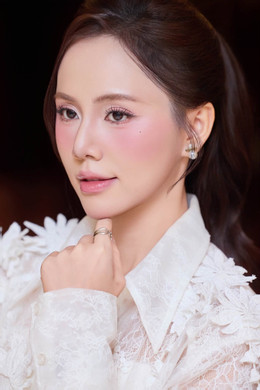
Rather than attempting to completely reshape public opinion overnight, Minh Thu focused on authenticity, believing that a character’s true depth is established through a series of incremental, impactful emotional beats scattered throughout the narrative. She emphasized that while she constantly seeks self-improvement and absorbs constructive criticism from viewers and mentors alike, she approaches her work with quiet confidence. Knowing that she poured her utmost energy into the role ensures that she harbors no regrets regarding her creative contributions to the project.
The Broader Implications for VTV Prime-Time Drama Production
The intense public discourse surrounding Mùa Hè Năm Ấy underscores a broader trend within Vietnam’s booming prime-time television industry. As networks like VTV continue to refine their production models, experimenting with serialized storytelling, character evolution, and dynamic casting choices, the relationship between creators and consumers has grown increasingly interactive. Viewers are no longer passive recipients of entertainment; instead, they actively dissect narrative choices, critique character motivations, and debate casting decisions in real-time across digital platforms.
This heightened level of audience engagement places extraordinary demands on production teams and actors alike. The physical injuries sustained during emotionally charged sequences—such as the accidental intensity of the slap between Van Dung and Minh Thu—serve as a reminder of the visceral sacrifices actors make to achieve cinematic authenticity. Furthermore, the reliance on seasoned performers to anchor younger talent highlights the critical importance of mentorship within the Vietnamese acting community, ensuring that institutional knowledge and dramatic technique are successfully passed down across generations.
As Mùa Hè Năm Ấy continues its broadcast run every Monday, Tuesday, and Wednesday evening on VTV3, the narrative trajectory is poised for further twists. The fallout from episode 16 has fundamentally altered the emotional architecture of the series, proving that risk-taking in character development can yield powerful dramatic dividends. Whether the audience’s initial resistance to casting shifts will fully transform into enduring appreciation remains to be seen, but the dedication demonstrated by artists like Minh Thu and Van Dung ensures that the series will leave a lasting imprint on the landscape of modern Vietnamese television drama.