Overcoming Infertility Challenges: A Case Study of Occupational Hazards and Reproductive Success

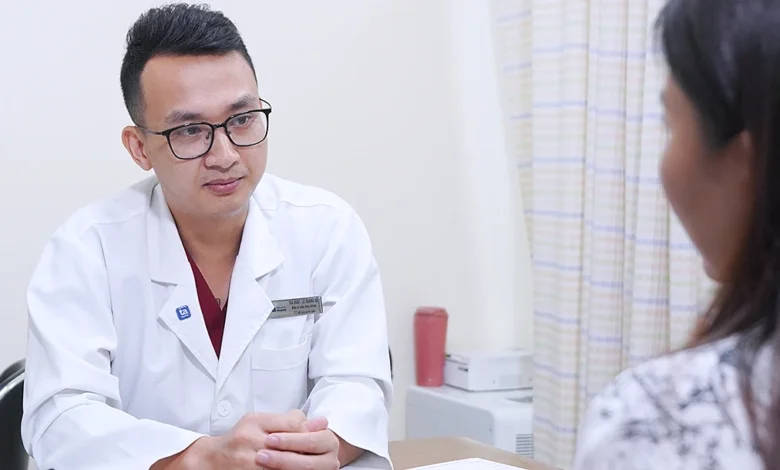
For many couples working in industrial environments, the dream of parenthood is often delayed by a confluence of biological hurdles and environmental stressors. Recently, a 32-year-old woman identified as Ms. Hoang, who had struggled with infertility for over five years, successfully welcomed her second child following specialized reproductive intervention at Tam Anh General Hospital in Hanoi. Her journey, which involved addressing both female and male reproductive health factors, serves as a poignant reminder of how modern medical technology can bridge the gap between diagnosis and family building, even in the face of significant occupational risks.
The Clinical Profile of Infertility
Ms. Hoang and her husband, both of whom are employed in the manufacturing sector, first sought professional medical assistance after failing to conceive naturally for five years. Upon comprehensive examination at the Center for Reproductive Support at Tam Anh General Hospital, medical professionals identified a multi-factorial case of infertility.
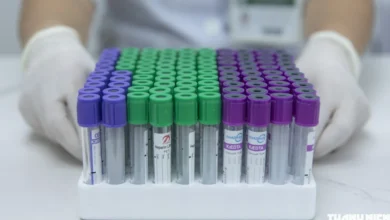
Ms. Hoang was diagnosed with bilateral fallopian tube obstruction and ovulation dysfunction. Simultaneously, her husband presented with oligozoospermia and asthenozoospermia—medical terms for a low sperm count and reduced sperm motility, respectively. According to experts, these conditions are increasingly prevalent among individuals working in high-pressure industrial roles where exposure to chemical solvents, extreme temperatures, and shift work is routine.
Chronology of Medical Intervention
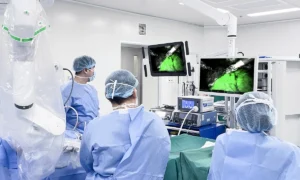
The medical team, led by MSc. Dr. Le Quang Do, initiated a tailored in vitro fertilization (IVF) protocol. The process began with ovarian stimulation for Ms. Hoang, which resulted in the retrieval of 17 oocytes. Concurrently, embryologists processed the husband’s sperm samples to select the highest-quality specimens for intracytoplasmic sperm injection (ICSI).
The resulting embryos were cultured and monitored using advanced time-lapse imaging technology integrated with artificial intelligence (AI). This sophisticated monitoring system allowed clinicians to observe developmental milestones in real-time, identifying the most viable candidates for transfer. The procedure yielded two embryos at day three and six embryos at day five.
Ms. Hoang achieved a successful pregnancy on her first embryo transfer, eventually giving birth to a healthy baby boy weighing 2.8 kilograms. Five years later, the couple returned to the center to expand their family. Using frozen embryos from the original treatment cycle, Ms. Hoang became pregnant again, delivering their second son, who weighed 3.3 kilograms, in August.
The Intersection of Occupational Health and Reproduction
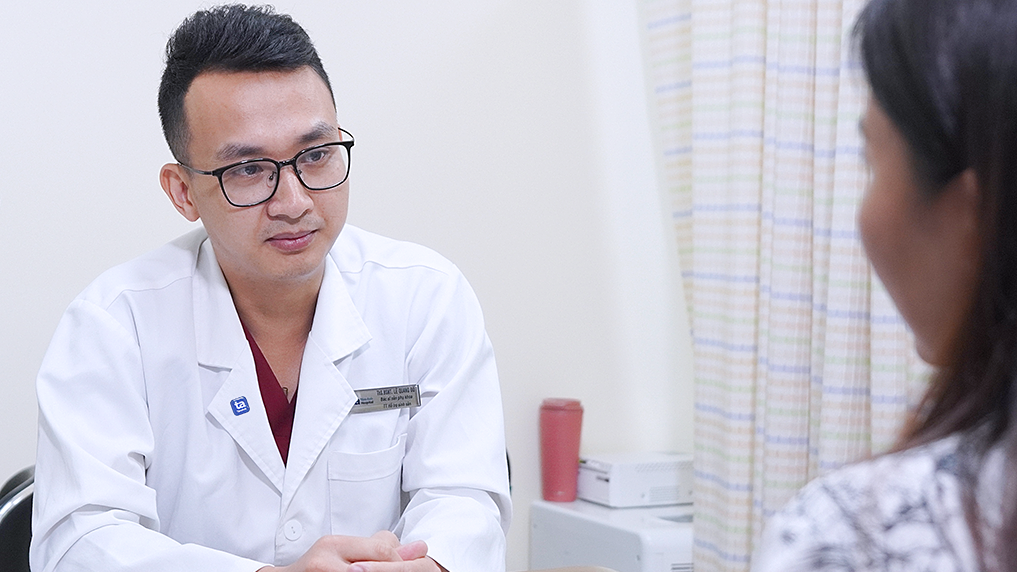
The case of Ms. Hoang highlights a growing trend observed at fertility clinics: an influx of couples working in industrial zones. Dr. Do notes that shift work, mandatory overtime, and the resulting economic and physical pressure often lead patients to neglect their reproductive health.
Research consistently indicates that prolonged exposure to industrial chemical solvents, high ambient temperatures, and chronic physical fatigue can have a deleterious effect on both male and female fertility. For men, heat stress and chemical exposure can impair spermatogenesis, leading to poor sperm quality. For women, chronic stress and exposure to certain toxins are linked to menstrual irregularities and ovulatory dysfunction.
"The severity of these impacts is often contingent upon the duration of exposure, the level of contamination, the efficacy of protective equipment, and the overall baseline health of the individual," Dr. Do explained. In this instance, both partners made lifestyle adjustments as part of their treatment plan: Ms. Hoang chose to resign from her high-exposure position, while her husband requested a transfer to a department with less chemical interaction.
Broader Implications and Public Health Perspectives
The rise in infertility cases linked to occupational hazards has prompted medical professionals to call for more robust pre-conception screenings. The implications of this issue extend beyond individual families to the wider labor market and public health sector. As more couples delay pregnancy to focus on career stability, the cumulative impact of workplace stressors may exacerbate the global decline in fertility rates.
Data from recent clinical observations at fertility centers suggest that many structural reproductive issues—such as blocked tubes or male-factor infertility—remain asymptomatic until a couple actively tries to conceive. Consequently, these conditions are often discovered at a late stage, necessitating more invasive and costly interventions.
Recommendations for Prospective Parents
Medical experts emphasize the importance of proactive health management for those in high-risk occupations. For individuals working in environments characterized by chemical exposure, high heat, or irregular shift schedules, the following measures are recommended:
- Pre-conception Screening: Couples planning to start a family should undergo comprehensive fertility assessments before marriage or long before they intend to conceive. Early detection allows for lifestyle modifications or medical interventions before fertility potential significantly declines.
- Workplace Safety Compliance: Strict adherence to personal protective equipment (PPE) protocols is essential. Employers in the industrial sector are encouraged to provide better ventilation and minimize employee exposure to known reproductive toxins.
- Lifestyle Optimization: While work is a necessity, stress management and adequate rest are crucial for endocrine health. Chronic fatigue can disrupt hormonal balances necessary for ovulation and sperm production.
- Seeking Specialized Care: For those struggling with infertility, seeking help from specialized reproductive centers as early as possible is vital. Modern reproductive technologies, such as ICSI and AI-enhanced embryo monitoring, have significantly increased the success rates for couples facing complex infertility issues.
Conclusion: A Path Forward
The successful outcome for Ms. Hoang and her family serves as a beacon of hope for many couples navigating the complexities of modern-day infertility. It underscores the vital role of medical specialists in diagnosing the root causes of reproductive failure and the importance of patient commitment to treatment protocols.
As the industrial workforce continues to navigate the challenges of the modern economy, the integration of reproductive health education into occupational wellness programs remains a critical, yet often overlooked, necessity. By fostering a culture of early detection and prioritizing the health of the reproductive system, society can better support couples in their journey toward parenthood. For those currently facing similar challenges, the message from the medical community is clear: timely diagnosis and modern, science-based intervention remain the most effective tools for building a healthy family.