Colorectal cancer rises as a leading health burden in Vietnam with new case numbers climbing

Colorectal cancer is emerging as a significant public health challenge in Vietnam, with recent data from the International Agency for Research on Cancer (IARC) indicating a marked increase in both incidence and mortality rates. According to the latest Globocan 2024 report, colorectal cancer has climbed the ranks to become the third most common malignancy in the country, trailing only breast and lung cancers. This shift represents a concerning trajectory in the national oncology landscape, particularly as a large portion of patients continue to receive a diagnosis only at late, often incurable, stages of the disease.
A Growing National Health Crisis
The statistics provided by Globocan 2024 highlight the severity of the situation. Vietnam recorded 177,404 new cancer cases this year, with 111,015 associated deaths. Colorectal cancer, specifically, has seen a consistent upward trend. When compared to the data released in the 2022 report, the country has observed a one-step increase in the ranking of new cases and a two-step climb in mortality rankings, now standing as the third leading cause of cancer-related deaths, following lung and liver cancers.
This escalation is not merely a statistical anomaly but a reflection of shifting demographics, dietary habits, and environmental factors. Medical experts warn that the transition is being driven by the "Westernization" of the Vietnamese diet, characterized by an increased intake of red meat, processed foods, and high-fat products, coupled with a significant decrease in the consumption of fiber-rich fruits and vegetables. These dietary changes, combined with rising rates of tobacco use, alcohol consumption, and sedentary lifestyles, have created a perfect storm for the development of gastrointestinal malignancies.
Clinical Insights: The Role of Lifestyle and Genetics
ThS.BS Tran Dinh Tan, Deputy Head of the Department of Digestive Surgery 1 at K Hospital, emphasizes that the disease is a multifactorial condition. While genetics and age remain non-modifiable risk factors, a substantial portion of the burden is tied to lifestyle choices. Of particular concern is the prevalence of colorectal polyps—small growths on the lining of the colon or rectum. If left undetected and untreated, these polyps have the potential to undergo malignant transformation, eventually developing into cancerous tumors.
The clinical presentation of colorectal cancer is notoriously subtle in its early stages, which often leads to delayed medical intervention. Patients frequently dismiss symptoms such as blood in the stool, changes in bowel habits (chronic constipation or diarrhea), abdominal pain, a sensation of incomplete evacuation, or unexplained weight loss as simple digestive disturbances. By the time these symptoms become severe enough to prompt a hospital visit, the disease has often progressed to a stage where curative options are severely limited.
Chronology of Clinical Intervention and Technological Advancement
The evolution of surgical oncology in Vietnam has seen a pivotal shift toward minimally invasive procedures, which are essential for improving patient outcomes. The timing of diagnosis remains the single most critical factor in determining the therapeutic strategy.
When a lesion is detected while still limited to the sub-mucosal layer, surgeons can utilize Endoscopic Submucosal Dissection (ESD). This technique allows for the removal of the cancerous growth while preserving the integrity of the colon or rectum, effectively sparing the patient from major, invasive surgery. However, as tumors invade deeper into the bowel wall, more extensive surgical intervention becomes unavoidable.
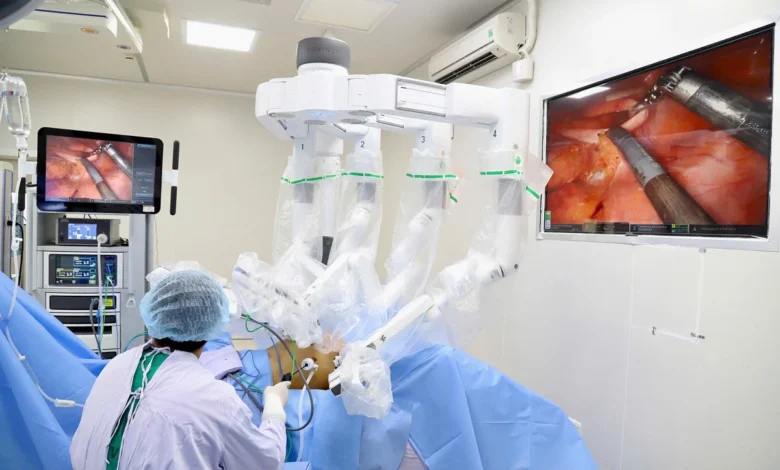
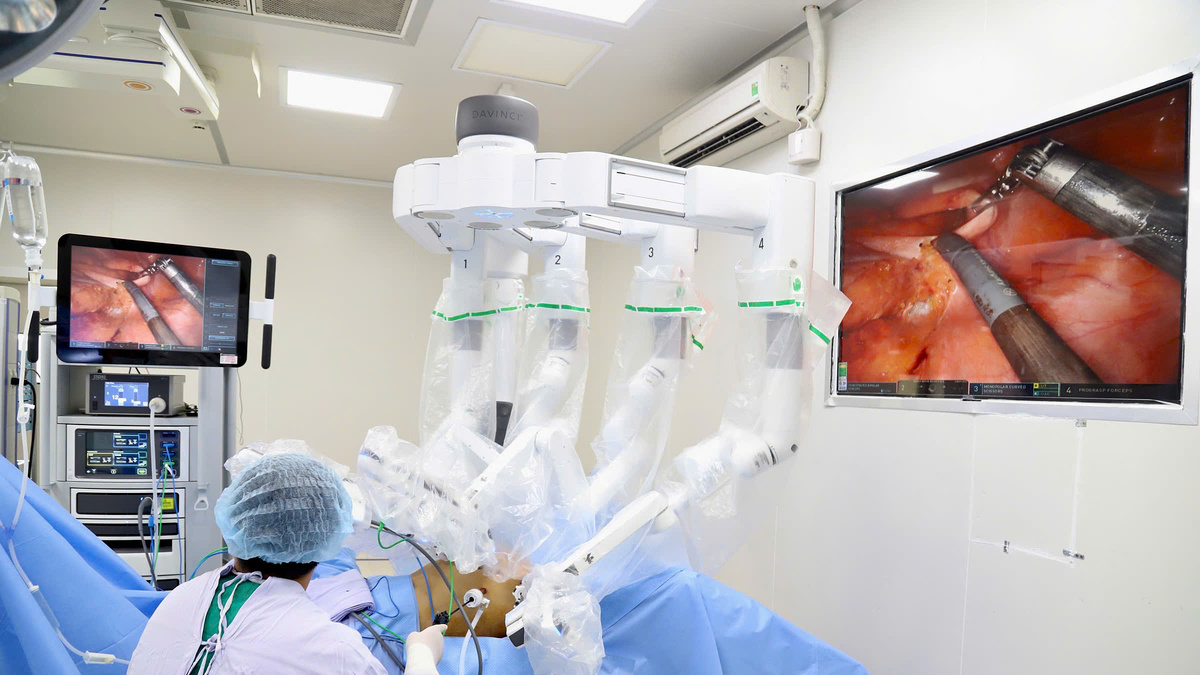
The introduction of advanced robotic surgery, specifically the Da Vinci Xi system, has revolutionized the treatment of complex cases at major institutions like K Hospital. A recent case involving a 47-year-old male patient underscores this progress. The patient presented with a two-week history of digestive distress and hematochezia (blood in stool). Endoscopic examination revealed a 2-cm tumor near the anal canal, identified as rectal adenocarcinoma. Given the low position of the tumor, which traditionally presents high risks for functional impairment, the surgical team opted for robotic-assisted resection. The precision of the robotic platform allowed for a curative procedure that preserved the patient’s long-term quality of life, with the patient returning to normal activities just one day post-operation.
Global Context and Screening Recommendations
The trends observed in Vietnam mirror broader global patterns, prompting international health bodies to adjust their clinical guidelines. The American Cancer Society (ACS), for instance, lowered the recommended age for colorectal cancer screening from 50 to 45 years in 2018. This change was a direct response to the increasing incidence of the disease in younger populations—a trend that is now being closely monitored by oncologists in Southeast Asia.
Colorectal cancer remains one of the most preventable and treatable forms of cancer if caught early. The five-year survival rate for patients diagnosed with localized colorectal cancer is approximately 90%. Conversely, the survival rate drops precipitously when the cancer spreads to distant organs. This disparity highlights the critical importance of routine screening. Colonoscopy remains the "gold standard" diagnostic tool, as it not only allows for the identification of precancerous lesions but also provides an opportunity for the immediate removal of polyps and the collection of biopsy tissue for pathological analysis.
Implications for Public Health Policy
The current trajectory of colorectal cancer in Vietnam carries profound implications for the national healthcare system. With an aging population and a shift in dietary patterns, the economic and social burden of managing late-stage cancer is expected to rise.
Public health experts argue that there is an urgent need for a multi-pronged approach:
- Public Awareness Campaigns: Educating the population on the "red flag" symptoms—such as persistent changes in bowel habits or unexplained anemia—is vital to ensuring that patients seek care early.
- Expansion of Screening Programs: Integrating regular colorectal screening into national health check-up protocols for those aged 45 and older could significantly reduce the number of late-stage diagnoses.
- Investment in Surgical Technology: While robotic surgery is a powerful tool, expanding access to basic endoscopic diagnostic equipment at regional and provincial hospitals is necessary to bridge the gap between urban centers and rural areas.
- Nutritional Advocacy: Implementing policies that encourage a diet rich in plant-based foods and limit the consumption of processed meats can help mitigate the long-term risk factors at a population level.
As Vietnam continues to navigate these epidemiological changes, the focus must remain on the synergy between advanced medical technology and proactive, early-stage detection. While the rise in cancer rates presents a daunting challenge, the success of modern surgical interventions—such as those utilizing robotic systems—offers a pathway to better survival outcomes, provided that the culture of healthcare shifts from reactive treatment to proactive prevention. The future of oncology in the country depends on reducing the "delay gap," where the difference between life and death is often defined by the date of a simple screening test.
Related posts: