Hanoi Photo Exhibition "World Heritage Sites of Vietnam" Opens to Honor National Treasures and Promote Cultural Diplomacy

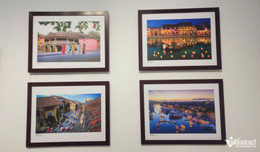
The Vietnam Exhibition Center for Culture, Arts, and Tourism inaugurated a landmark photography exhibition titled "World Heritage Sites of Vietnam" at 29 Hang Bai Street, Hanoi, displaying 100 carefully curated works that celebrate 30 distinct heritage properties officially recognized by UNESCO. Held on the afternoon of October 26, the exhibition serves as a vital cultural precursor to the upcoming Vietnamese Cultural Heritage Day on November 23 and Vietnamese Cultural Day on November 24, drawing together government officials, preservationists, artists, and the general public.
Comprehensive Scope Highlighting Thirty UNESCO Designations
The exhibition features exactly 100 artistic photographs distributed across seven overarching content groups to capture the immense breadth of Vietnam’s protected landmarks. These groups encompass World Cultural Heritage, World Natural Heritage, Mixed Cultural and Natural Heritage, the Representative List of the Intangible Cultural Heritage of Humanity, Intangible Cultural Heritage in Need of Urgent Safeguarding, World Documentary Heritage, and a specialized collective group highlighting oral traditions and intangible expressions recognized by UNESCO.
Through the lens of skilled photographers, visitors are taken on a sweeping visual journey across the nation. The displayed works feature iconic sites such as the Complex of Huế Monuments, the Ancient Town of Hội An, the Mỹ Sơn Sanctuary, Hạ Long Bay, Phong Nha – Kẻ Bàng National Park, and the Tràng An Scenic Landscape Complex. Beyond mere topographical documentation, each frame captures intricate architectural marvels, dramatic natural topographies, and the vibrant daily realities of communities living adjacent to or within these preserved zones.
Strategic Context and Cultural Industry Integration
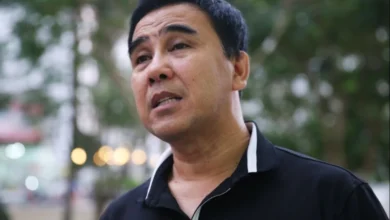
Delivering the keynote address at the opening ceremony, Thứ trưởng Bộ Văn hóa, Thể thao và Du lịch (Deputy Minister of Culture, Sports, and Tourism) Tạ Quang Đăng emphasized the strategic timing and cultural importance of the exhibition within an increasingly digitalized and globally integrated landscape.
"In the context of digital transformation and international integration, maximizing the value of visual arts, innovating communication methods, and expanding the accessibility of heritage holds profound significance," Tạ Quang Đăng stated. He noted that initiatives like this exhibition serve as a critical bridge connecting heritage preservation with artistic creation, public education, cultural promotion, and the broader growth of cultural industries, bringing invaluable heritage assets closer to both domestic citizens and international friends.
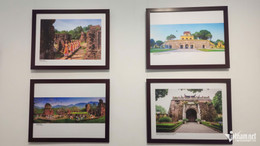
The exhibition underscores how modern visual arts can revitalize historical narratives. By freezing fleeting moments in time and channeling profound emotional resonance, the participating photographers translate ancient traditions and ecological wonders into accessible modern dialogues. This approach not only fosters civic pride among younger generations but also instills a practical sense of responsibility toward safeguarding resources passed down through centuries.
Bridging History, Memory, and Contemporary Art
The event aligns with broader national efforts to integrate heritage into contemporary artistic expressions. In recent years, cultural bureaus and independent creators across Vietnam have sought innovative ways to prevent historical assets from becoming static museum pieces. By placing heritage within dynamic artistic settings, state management agencies and creative cooperatives have successfully transformed ancient citadels, historic merchant quarters, and rural ritual spaces into living canvases.
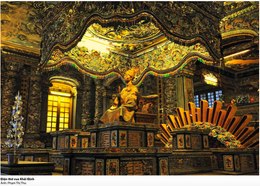
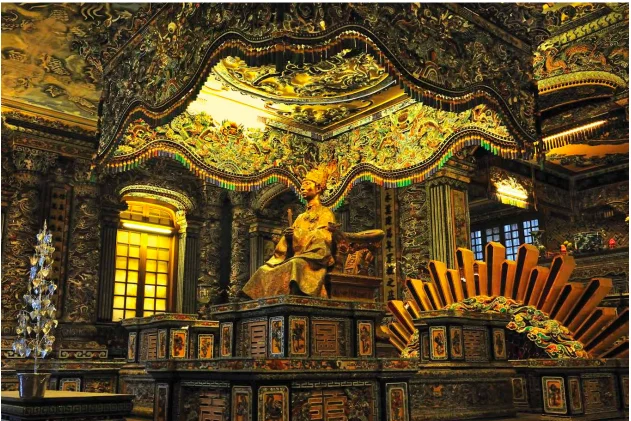
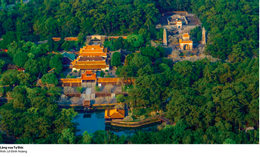
Curators note that the selected images do more than record locations or rituals; they articulate the ongoing dialogue between humanity and nature. For instance, photographs capturing the elaborate architecture of the Khải Định Tomb, the solemn tranquility of the Tự Đức Tomb, the spiritual ambiance of the Thien Mu Pagoda, and the sweeping vistas of Phong Nha – Kẻ Bàng convey narratives of resilience, dynastic shifts, architectural evolution, and ecological fragility.
Broader Implications for Heritage Conservation and Public Awareness
The "World Heritage Sites of Vietnam" exhibition carries significant implications for national tourism and environmental stewardship. As Vietnam continues to position its cultural assets as a cornerstone of sustainable socio-economic development, high-profile public exhibitions act as direct educational tools. They bridge the gap between academic conservation strategies and everyday public consciousness.
By reinforcing the message of shared responsibility, the exhibition encourages visitors—particularly the digital-native youth generation—to view national heritage not merely as a passive legacy, but as an active, living component of contemporary identity. Experts point out that increased domestic appreciation directly correlates with better local stewardship, reduced tourism-related degradation, and stronger community-led conservation frameworks at grassroots heritage sites across the country.
Visitor Information and Exhibition Schedule
The exhibition is open to the public free of charge daily at the Vietnam Exhibition Center for Culture, Arts, and Tourism located at 29 Hang Bai Street, Hoan Kiem District, Hanoi. Following its grand opening on the afternoon of October 26, the exhibition will welcome visitors through November 3, providing ample opportunity for art enthusiasts, students, researchers, and international travelers to experience Vietnam’s globally recognized treasures through the transformative medium of contemporary photography.
Related posts: