Viettel’s Make in Vietnam 5G Equipment Successfully Tested in the Middle East Marks a Milestone in Global Telecom Development

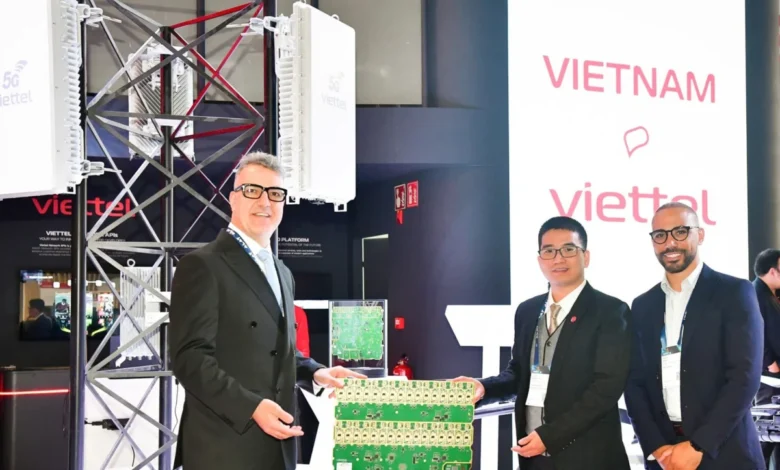
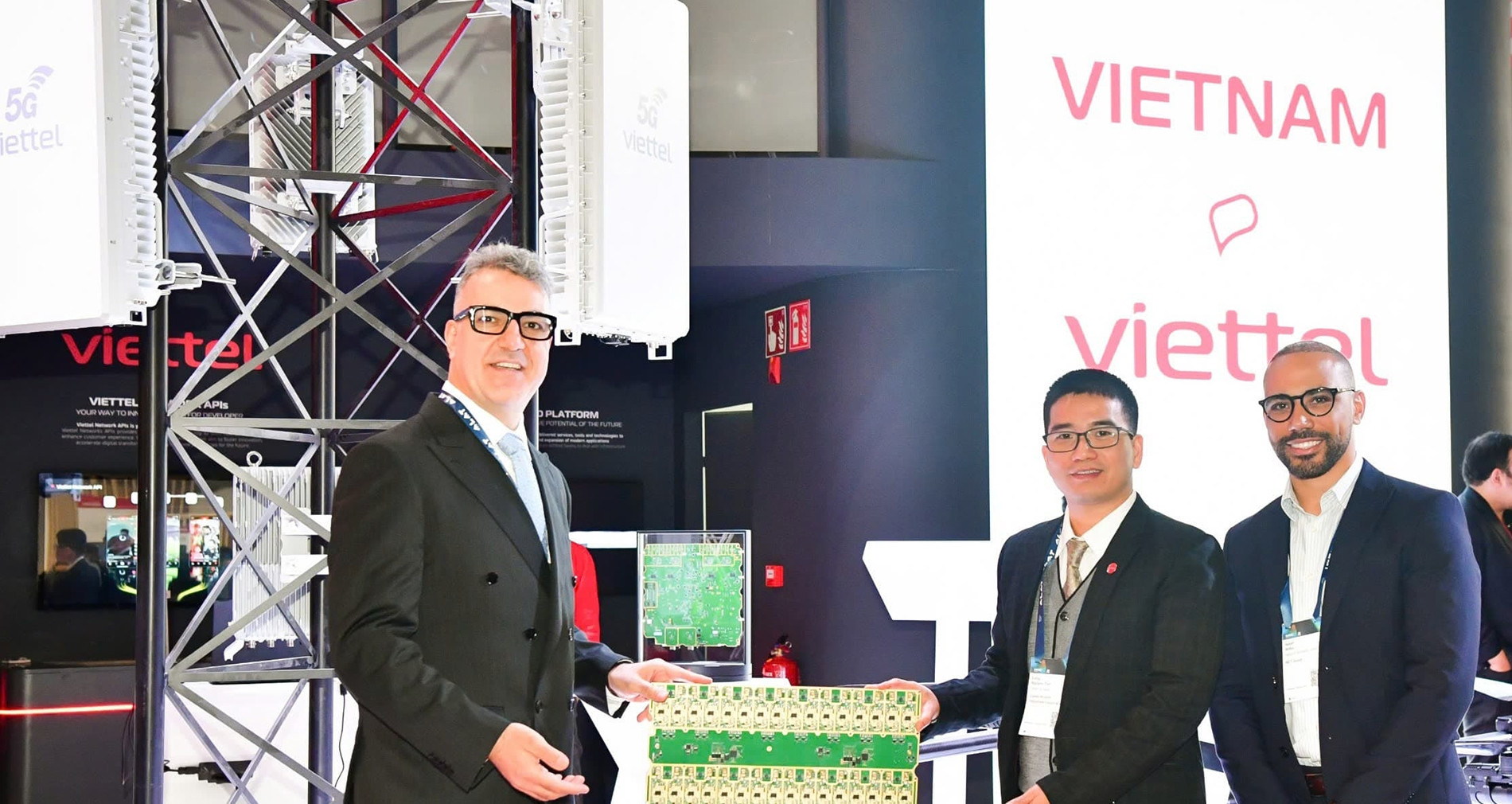
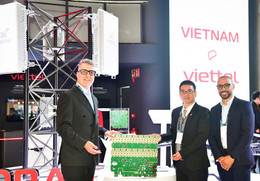
At the Mobile World Congress 2025 (MWC 2025), Viettel High Technology Industry Corporation, a key subsidiary of the military-backed Viettel Group, officially announced a major international breakthrough: the upcoming deployment and trial of its indigenous 5G infrastructure equipment in the Middle East. This milestone is achieved through a strategic partnership with Emirates Integrated Telecommunications Company (Du), one of the foremost telecommunications operators in the Middle East region.
The collaboration marks a critical step forward for Vietnam’s high-technology sector, pushing indigenous innovations onto the global telecommunications map and challenging the traditional dominance of legacy Western and Asian equipment vendors. By proving that Vietnamese engineering can compete in demanding international markets, Viettel has solidified its position as a rising global tech powerhouse.
Strategic Partnership and Scope of the Middle East Trials
The formal agreement between Viettel and Du was crystallized through the signing of a Memorandum of Understanding (MoU) at MWC 2025 in Barcelona. Under the terms of the agreement, both parties will collaborate closely on deploying, field-testing, and ultimately commercializing advanced 5G solutions across Du’s extensive network footprint in the Middle East.
The initial phase of the field trials is comprehensive, focusing on two distinct yet critical operational tracks:
- 5G OpenRAN Public Network: Implementing Open Radio Access Network (OpenRAN) architecture to validate interoperability, reduce infrastructure expenditure, and promote vendor-agnostic network scaling.
- 5G Private Network: Delivering tailored, high-security, high-capacity enterprise connectivity solutions designed for industrial campuses, smart ports, and corporate campuses.
These technological frameworks will serve as the foundational bedrock for cutting-edge digital transformations. Key use cases expected to be unlocked by the trials include large-scale smart city management, immersive Extended Reality (XR)—encompassing Virtual Reality (VR) and Augmented Reality (AR)—as well as high-density Industrial Internet of Things (IoT) ecosystems.
Leadership Insights and Industry Reactions
Speaking on the sidelines of the announcement, Mr. Fahad Al Hassawi, Chief Executive Officer of Du, emphasized the strategic importance of the collaboration in shaping the future of regional connectivity.
"The integration of 5G Private and OpenRAN solutions will empower us to construct a next-generation telecommunications ecosystem, delivering substantial value to enterprises, government entities, and the wider community," Mr. Al Hassawi stated. He further noted that successful trials would pave the way for large-scale commercial deployments throughout the region, offering Du enhanced flexibility and operational efficiency.
From the Vietnamese perspective, the partnership validates years of intensive research and development. Viettel remains unique on the global stage as a rare hybrid entity: a tier-one telecommunications operator that simultaneously researches, designs, and manufactures its own core network hardware and semiconductor components. Backed by robust domestic capabilities, Vietnam currently stands as one of only six nations globally with the indigenous capacity to manufacture end-to-end 5G network equipment.
The Make in Vietnam Strategy: From Import Reliance to Technological Sovereignty
For over a decade, Viettel has pursued a resolute strategic vision aimed at systematically replacing imported foreign equipment with home-grown infrastructure. This policy of technological autonomy addresses several macro-economic imperatives:
- Cost Reduction and Foreign Exchange Savings: Deploying "Make in Vietnam" hardware drastically reduces capital expenditure on proprietary foreign equipment, preserving vital foreign currency reserves for the domestic economy.
- Supply Chain Resilience: By owning the intellectual property and manufacturing pipelines, Vietnamese operators insulate themselves against geopolitical supply chain disruptions, hardware embargoes, and intellectual property licensing fees.
- Breaking Global Monopolies: The introduction of cost-effective, high-performance Vietnamese alternatives disrupts existing oligopolies in the global telecom infrastructure market, giving emerging markets viable alternatives to traditional Western and East Asian vendors.
This ambition received formal recognition during the National Forum for the Development of Digital Technology Enterprises. The Ministry of Information and Communications (MIC) officially classified several Viettel-engineered innovations—including 5G gNodeB base stations, core network solutions, transmission hardware, and proprietary 5G processing chips—as key national information technology products. Consequently, these products are now eligible for prioritized state support, favorable tax policies, and preferential public procurement frameworks designed to accelerate domestic high-tech manufacturing.
Economic Implications and Global 5G Projections
The timing of Viettel’s international expansion aligns closely with sweeping global projections regarding the economic impact of fifth-generation wireless technology. According to comprehensive reports published by the Global System for Mobile Communications Association (GSMA), 5G technology is projected to inject more than $930 billion into the global economy by 2030.
This immense economic value is expected to concentrate across several key industrial verticals:
- Industrial Manufacturing: 36%
- Public Administration: 15%
- General Services: 10%
- Information Technology and Communications: 9%
- Financial Services: 8%
- Other Sectors: 22%
Recognizing these transformative opportunities, Vietnamese Prime Minister Phạm Minh Chính has repeatedly emphasized that accelerating the commercialization of 5G is a central national task. It serves as a vital economic multiplier designed to stimulate GDP growth and achieve national developmental targets. Mastering 5G technology directly supports Vietnam’s broader macroeconomic objectives of modernizing its industrial base and fostering a knowledge-driven digital economy.
Domestic Deployment Landscape and Government Support
Domestically, Vietnam’s 5G rollout has gained significant momentum. As of January 2025, Viettel reported reaching approximately 5.5 million active 5G subscribers. Concurrently, VNPT announced successful population coverage across the central districts of all 63 provinces and municipalities, including major international airports and industrial zones, serving roughly 3 million users. Meanwhile, MobiFone has begun provisioning commercial-grade 5G services to early adopters ahead of its official widespread launch.

Early usage metrics highlight a sharp surge in data consumption among early adopters. During the initial two months of commercial availability, the average Viettel 5G subscriber consumed approximately 21GB of mobile data per month—representing a 1.7-fold increase compared to historical 4G consumption patterns during equivalent introductory phases. Industry analysts project that data utilization rates will climb steeply throughout the remainder of 2025 as enterprise applications and bandwidth-heavy consumer services proliferate.
To ensure rapid, nationwide infrastructure expansion, the Vietnamese National Assembly passed a specialized Resolution piloting unique policy mechanisms to foster science, technology, and digital transformation. Under this legal framework, the State has allocated substantial budgetary support to assist telecom enterprises in accelerating physical deployments. Specifically, telecommunications operators that deploy at least 20,000 active 5G base stations nationwide by December 31, 2025, will receive direct financial backing covering up to 15% of total equipment procurement costs.
A New Chapter for Vietnamese Engineering
The success of Viettel’s 5G field trials in the Middle East transcends corporate achievement; it represents a historic turning point for Vietnam’s industrial capabilities. By successfully exporting complex telecommunications hardware to highly discerning international markets, Vietnamese technology enterprises have proven that homegrown innovation can transcend national borders. As global demand for secure, flexible, and cost-effective digital infrastructure accelerates, Vietnam is well-positioned to evolve from a technology consumer into a foundational architect of the global digital future.