Stroke is not a natural event that happens by chance: pay attention to these risk factors and preventive measures

Stroke is frequently perceived as a sudden, unpredictable medical emergency that strikes without warning. However, cardiovascular specialists and leading health organizations, including the American Stroke Association (ASA), argue that this perception is fundamentally flawed. In reality, up to 80% of strokes are preventable through rigorous management of risk factors and the adoption of a healthier lifestyle. By understanding the underlying biological mechanisms and committing to proactive health monitoring, individuals can significantly alter their risk profile and long-term outcomes.
The Biological Reality of Stroke
A stroke occurs when the blood supply to part of the brain is interrupted or reduced, preventing brain tissue from getting oxygen and nutrients. Within minutes, brain cells begin to die. This typically happens through one of two primary mechanisms: an ischemic stroke, caused by a blocked artery, or a hemorrhagic stroke, caused by a leaking or bursting blood vessel.
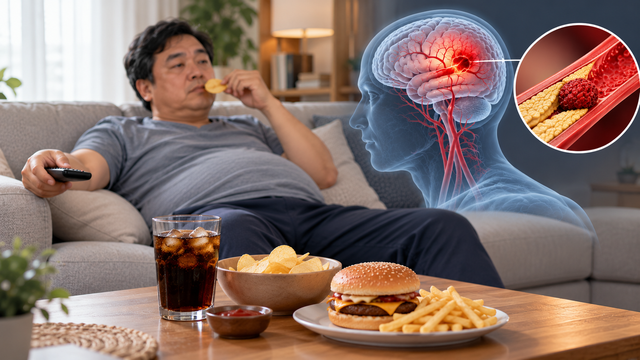
Dr. Arthur Wang of Tulane University notes that the accumulation of arterial plaque—a process known as atherosclerosis—is a primary contributor to ischemic events. Over time, the inner lining of the arteries becomes damaged, allowing fats, cholesterol, and other substances to build up. When these deposits rupture, they form clots that can obstruct blood flow to the brain. Regular physical activity is one of the most effective ways to mitigate this accumulation, ensuring better vascular elasticity and blood pressure control.
Chronic Sedentary Behavior and Cardiovascular Health
Modern lifestyle patterns, characterized by prolonged periods of sitting and physical inactivity, have become a major driver of global stroke incidence. The human cardiovascular system is designed for movement, which facilitates healthy blood circulation and regulates metabolic processes.
Medical experts recommend a minimum of 150 minutes of moderate-intensity aerobic exercise per week, distributed across at least five days. This does not strictly require high-intensity gym sessions; rather, it emphasizes consistent movement. Activities such as brisk walking, cycling, gardening, or even taking the stairs contribute significantly to overall cardiovascular fitness. Even small bursts of movement throughout the day can prevent the stagnation of blood and reduce the systemic inflammation that leads to arterial damage.
The Silent Danger of Hypertension
Hypertension, or high blood pressure, is frequently referred to as the "silent killer" because it often presents no overt symptoms while systematically damaging the cardiovascular system. According to clinical data, even a modest reduction of 10 mmHg in systolic blood pressure can lead to a 27% to 40% reduction in the overall risk of stroke.
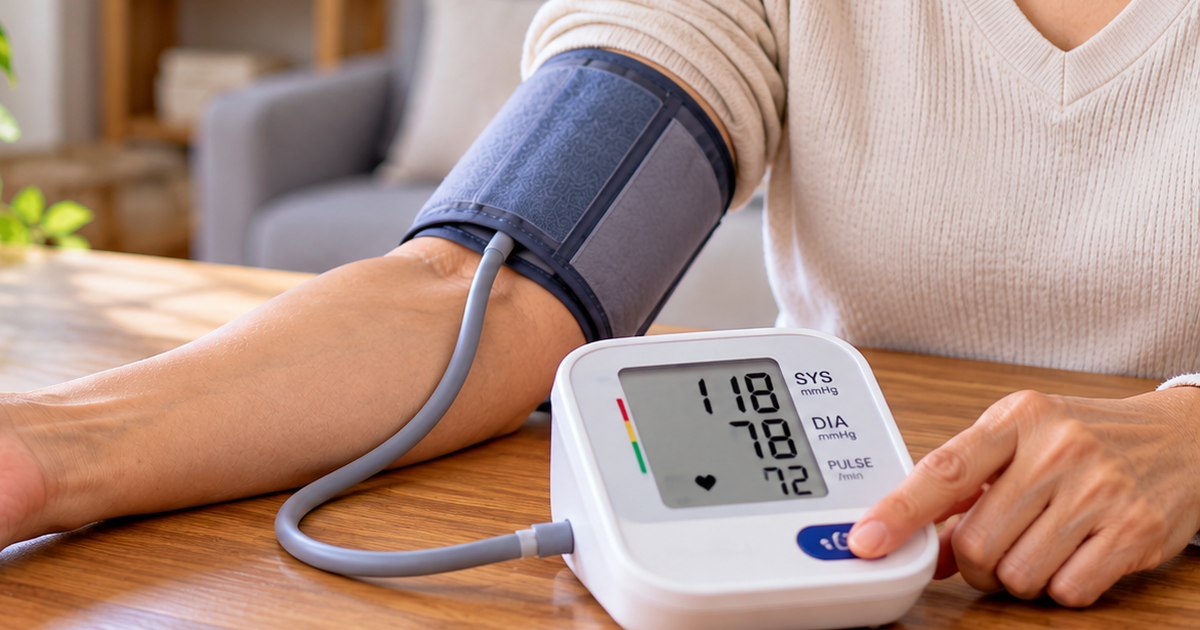
Routine blood pressure monitoring is not merely a clinical suggestion; it is a vital diagnostic tool. Individuals over the age of 40, or those with a family history of heart disease, should establish a baseline with a healthcare provider and maintain consistent tracking. Hypertension forces the heart to work harder and damages the delicate endothelium (the inner lining of the blood vessels), making them more susceptible to the formation of blood clots.
Dietary Patterns and Vascular Integrity
The correlation between diet and stroke risk is well-documented. High intake of sodium, processed sugars, and saturated fats directly contributes to hypertension, lipid disorders, and obesity—a triad of conditions that exponentially increase stroke risk.
The medical consensus points toward a transition away from ultra-processed foods toward a diet rich in fruits, vegetables, whole grains, and lean proteins. Reducing salt intake is particularly critical, as excessive sodium causes the body to retain fluid, which increases blood volume and, consequently, blood pressure. Experts suggest that by replacing pre-packaged snacks and meats with fresh, nutrient-dense alternatives, individuals can significantly lower their systemic inflammatory markers and improve overall heart health.
The Dangers of Medication Non-Compliance
A pervasive issue in the management of chronic conditions like hypertension or atrial fibrillation is the premature cessation of prescribed medication. Patients often mistakenly believe that because they feel "fine" or because their blood pressure has stabilized, they no longer require pharmacological intervention.
Dr. Gérald Kierzek, a prominent emergency medicine expert, emphasizes that stopping medication without medical supervision is a significant risk factor for stroke. Chronic conditions often require long-term management to prevent the underlying vascular disease from progressing. When patients discontinue treatment, blood pressure or cholesterol levels can rebound rapidly, leaving the brain vulnerable to sudden ischemic events. Communication between patients and physicians is the only safe way to adjust or taper medication.
Clinical Surveillance and Preventive Screening
Routine health screenings serve as the first line of defense against stroke. Conditions such as dyslipidemia (abnormal cholesterol levels) and type 2 diabetes often progress silently for years before causing a major health event. Regular blood panels and physical examinations allow for the early detection of these abnormalities, permitting intervention through lifestyle changes or medication long before a stroke occurs.
The timeline for these screenings should be individualized based on age, family history, and existing health conditions. A proactive approach transforms healthcare from a reactive process—where treatment begins only after an emergency—to a preventive one, which drastically improves patient outcomes and quality of life.
The FAST Protocol: Immediate Response
Despite the best preventive measures, strokes can still occur. Recognizing the signs of a stroke early is the single most important factor in saving lives and preventing permanent disability. The "FAST" acronym remains the gold standard for public awareness:
- F (Face): Ask the person to smile. Does one side of the face droop?
- A (Arms): Ask the person to raise both arms. Does one arm drift downward?
- S (Speech): Ask the person to repeat a simple phrase. Is their speech slurred or strange?
- T (Time): If you observe any of these signs, time is critical. Call emergency services immediately.
Time is brain. Every second that passes during a stroke results in the loss of millions of neurons. Treatment options such as thrombolytic therapy (clot-busting drugs) or mechanical thrombectomy are highly effective, but their success is entirely dependent on the speed of hospital arrival.
Broader Implications and Public Health
The global burden of stroke is immense, placing significant strain on healthcare systems and families alike. By shifting the focus toward prevention, the medical community hopes to reduce the incidence of stroke through large-scale public health education.
The integration of technology, such as home blood pressure monitors and wearable fitness trackers, is empowering individuals to take ownership of their health. However, these tools are most effective when paired with regular consultations with primary care physicians.
In conclusion, while the prospect of a stroke may seem daunting, the power to prevent it largely rests in the hands of the individual. By maintaining a consistent, healthy lifestyle, adhering to prescribed medical treatments, and remaining vigilant about warning signs, the risk of this life-altering event can be drastically reduced. The medical community’s message is clear: stroke is not an unavoidable fate, but a condition that can be managed through informed, proactive choices.