In a remarkable display of familial devotion and medical precision, a 38-year-old man from Tay Ninh province has been granted a new lease on life following a successful kidney transplant, with his own younger brother serving as the life-saving donor. This medical milestone, performed at Xuyen A General Hospital, highlights the critical intersection of advanced surgical expertise and the life-altering potential of living-donor transplantation in the face of end-stage renal disease.
A Sudden Crisis: From Health to Chronic Failure
For years, the patient had been the cornerstone of his family, maintaining a stable life and serving as the primary breadwinner. His journey into medical uncertainty began in April 2026, when he noticed concerning physical changes, including significant swelling in his lower extremities and irregularities in his urinary output. These symptoms, which often go unnoticed in the early stages, acted as a silent alarm for underlying systemic failure.
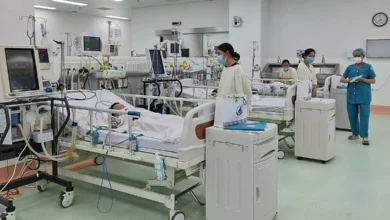
Upon admission to Xuyen A General Hospital, diagnostic imaging and comprehensive laboratory tests revealed a devastating reality: the patient had progressed to end-stage renal disease (ESRD). This diagnosis, which often necessitates lifelong dialysis, sent the patient and his family into a state of profound emotional distress. The rapid decline in his health, which had occurred without warning, left little time for adjustment. Following a period of initial shock and clinical stabilization, the patient began a rigorous, thrice-weekly hemodialysis regimen at the hospital’s Nephrology Department to artificially replicate the filtration functions his kidneys could no longer perform.
The Chronology of Intervention
The trajectory of the patient’s treatment moved from emergency stabilization to long-term planning within just a few months. By mid-2026, it became clear that dialysis was merely a bridge to a more permanent solution. Recognizing that the long-term prognosis for dialysis patients often involves significant physiological strain and reduced quality of life, the patient and his family began investigating the possibility of a living-donor kidney transplant.
The process of finding a suitable donor is notoriously complex, governed by strict immunological criteria to ensure the recipient’s body does not reject the donor organ. Initially, the patient’s parents offered to donate their own kidneys. However, after extensive medical screening and compatibility testing, it was determined that neither parent met the strict health requirements necessary for a successful donation. It was at this critical juncture that the patient’s 31-year-old brother stepped forward, volunteering his own kidney to save his sibling.
Clinical Expertise and Surgical Success
The medical team, led by specialists at the Xuyen A General Hospital, conducted a series of advanced cross-matching tests to evaluate the compatibility between the two brothers. According to Dr. Vo Ly Anh, Head of the Nephrology Department, the sibling match was exceptionally high. Furthermore, because the recipient had not required blood transfusions in the past, his panel-reactive antibody (PRA) level—a measure of the patient’s immune sensitivity—was effectively zero. This immunological profile significantly minimized the risk of hyperacute rejection and facilitated a smoother surgical outcome.
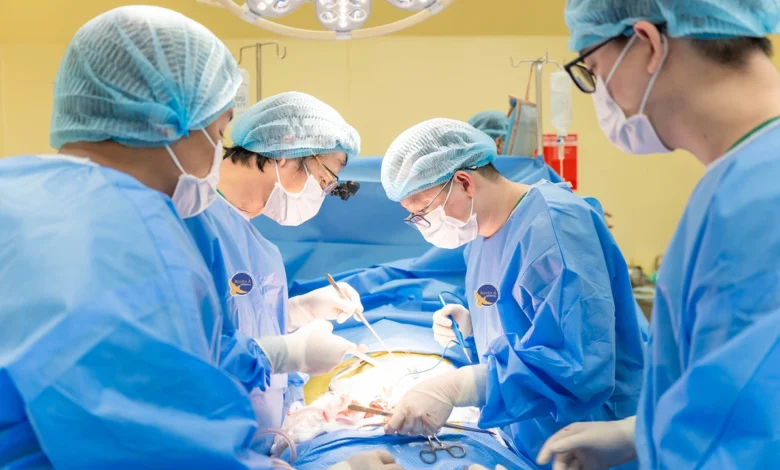
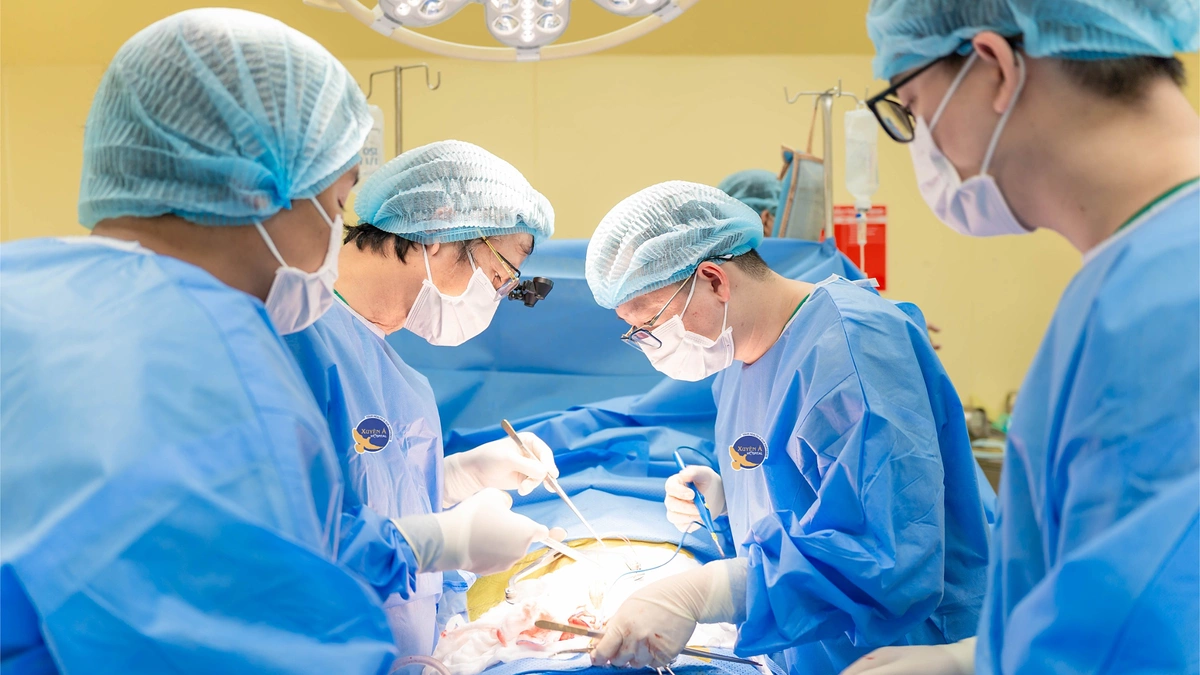
On October 12, 2026, the surgical team performed the transplant procedure. The complexity of the operation involved meticulous vascular anastomosis to ensure proper blood flow to the transplanted organ. The results were immediate and positive. Within hours of the surgery, the transplanted kidney began producing urine, signaling the successful restoration of renal function. In the days following the procedure, the patient’s urine output stabilized between 5 to 7 liters daily, and his blood chemistry markers showed a rapid return to near-normal levels. He was discharged from the hospital after one week of post-operative monitoring, while the donor recovered quickly and is expected to resume a completely normal life.
The Broader Context of Kidney Transplantation
Kidney transplantation remains the gold standard for treating end-stage renal disease, offering superior survival rates and quality of life compared to long-term dialysis. However, the global demand for donor organs far outstrips supply. According to international health statistics, the majority of patients with chronic kidney disease (CKD) remain on waiting lists for years, often leading to a deterioration in their overall physical health before a match can be found.
The case in Tay Ninh underscores the vital role of living-donor programs. Living donation allows for planned surgery, which has been shown to result in better graft survival rates than organs obtained from deceased donors. The immunological compatibility between siblings—often sharing similar genetic markers—frequently leads to a more favorable prognosis, reducing the intensity of the lifelong immunosuppressive regimen required to prevent organ rejection.
Post-Transplant Management and Long-term Outlook
While the transplant was a resounding success, the medical team emphasizes that the journey is far from over. Post-transplant care is a lifelong commitment that requires the patient to adhere strictly to a regimen of immunosuppressive medications. These drugs are essential to prevent the immune system from attacking the new organ, yet they require careful balancing to minimize side effects and susceptibility to infections.
"The success of this surgery is a testament to the advancements in local medical infrastructure and the unwavering commitment of the family," stated hospital officials. The patient will continue to undergo routine follow-ups to monitor renal function, blood pressure, and drug levels. These regular check-ups are vital for the long-term preservation of the transplanted kidney and for ensuring that the patient can eventually return to his role as a productive member of his household and society.
Socio-Economic Implications of Organ Donation
The ripple effect of this successful transplant extends beyond the physical health of the two brothers. For many families, the financial burden of chronic renal failure is catastrophic. The costs of long-term dialysis, combined with the loss of income for the primary breadwinner, can push families into poverty. By facilitating a transplant, the medical team has not only saved a life but has also restored the economic stability of the entire family unit.
Furthermore, this event serves as a public health reminder regarding the importance of early screening for kidney disease. Because CKD is often referred to as a "silent killer" due to its asymptomatic nature in early stages, health authorities continue to urge citizens to undergo regular health check-ups, especially those with hypertension, diabetes, or a family history of kidney issues.
As the patient moves into the recovery phase, his case serves as an inspiring example of how modern medical technology, combined with the altruism of a family member, can overcome even the most formidable health challenges. The collaboration between the surgical staff and the donor-recipient pair highlights a hopeful trend in regional healthcare, where life-saving procedures are becoming increasingly accessible and successful.