Ancient Egyptian Mummy Powder Discovered to Possess Potential Protective Properties Against Influenza Viruses

Introduction
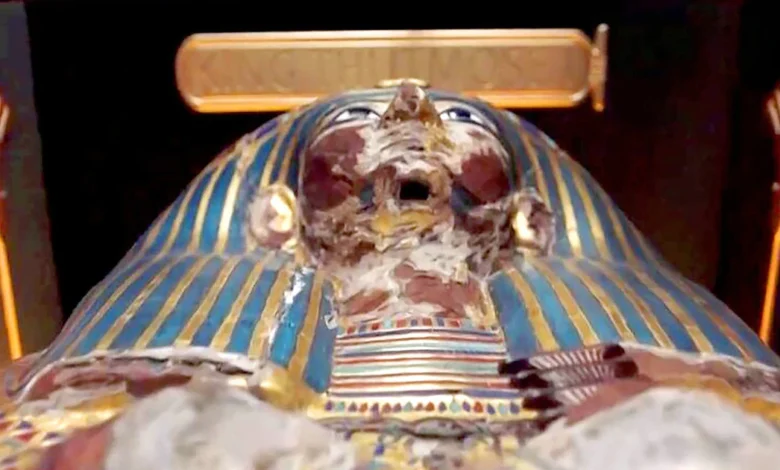
In a fascinating convergence of historical medical practices and modern virological research, scientists have made a startling discovery regarding Mumia vera aegyptiaca—commonly known as Mumia. Historically revered as a universal panacea in medieval Europe and the Middle East, this controversial medicinal substance derived from preserved ancient Egyptian corpses has recently demonstrated a surprising biological capability: the potential to inhibit influenza viruses.
Published in the Proceedings of the National Academy of Sciences (PNAS), a comprehensive study analyzed multiple historical samples of Mumia sourced from pharmaceutical museums and university archives. The findings not only shed new light on the pharmacological composition of ancient remedies but also offer a compelling glimpse into how pre-modern societies approached pharmacology, disease management, and cross-cultural trade.
The Historical Rise of Mumia: From Corpse to Commodity
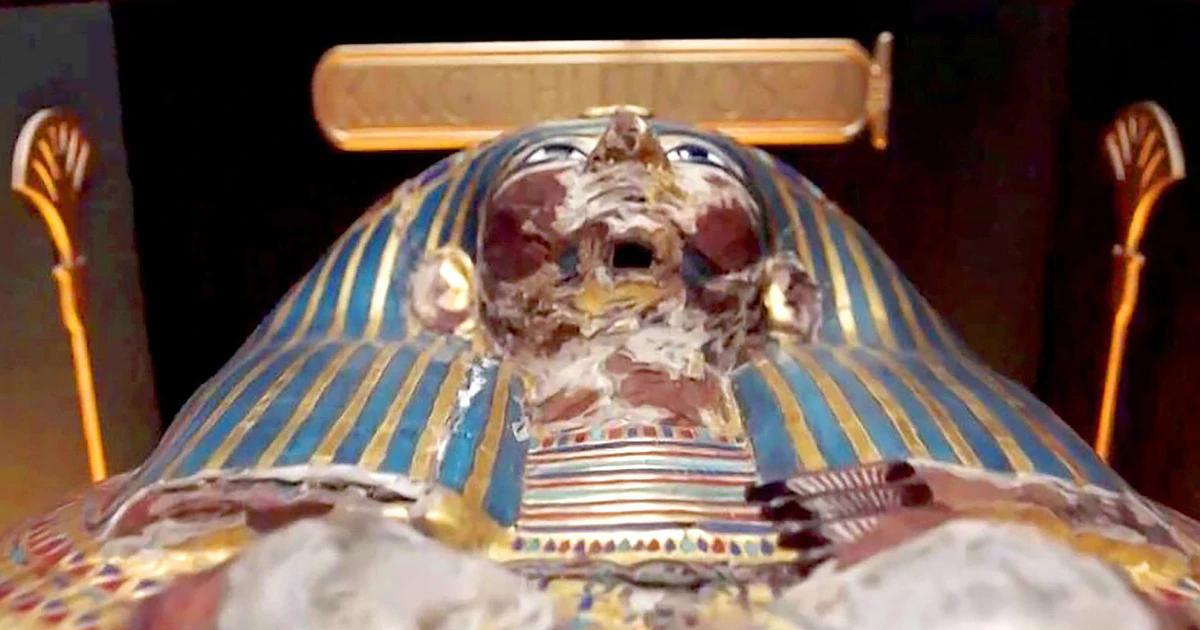
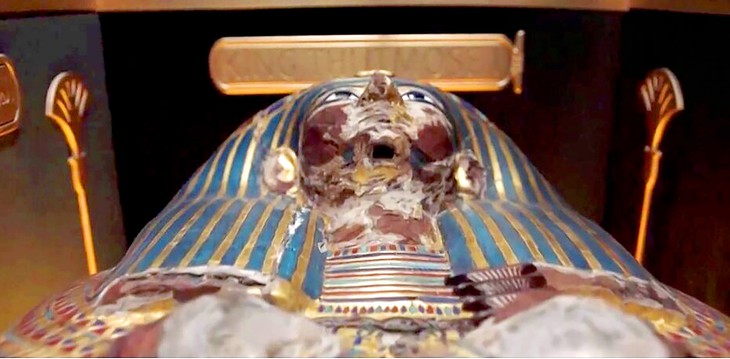
The use of human remains for medicinal purposes is a dark and complex chapter in pharmacological history. Following the intense international trade and curiosity surrounding Egyptian antiquities, mummified remains became a lucrative global commodity during the medieval and early modern periods. Mumia vera aegyptiaca derived its name from the Persian word mumiya, meaning bitumen or asphalt, which was often used in ancient mummification processes and darkened the preserved skin of the corpses.
Physicians and apothecaries across the Arab world and subsequently throughout Europe widely prescribed Mumia as a cure-all. During the Renaissance, it was commonly believed that the preservation resins, balms, and the desiccation process itself infused the remains with mystical and therapeutic properties. Historical medical texts document its prescription for a wide array of ailments, ranging from traumatic wounds, bone fractures, and respiratory illnesses to neurological disorders and internal hemorrhaging.
By the 16th century, the demand for Mumia reached such unprecedented heights that official Egyptian authorities had to intervene, imposing restrictions on the export of authentic mummified remains. This scarcity drove unscrupulous merchants to adulterate the market. Some traders resorted to illicitly manufacturing fake pharmaceutical products by drying out the corpses of modern paupers or criminals, selling them under the guise of ancient royal mummies to satisfy European demand.
Decoding the Composition: What Was Inside Mumia?
To unravel the chemical secrets of this historical remedy, a team of researchers analyzed 24 authenticated samples of Mumia preserved in academic and pharmaceutical collections. Using advanced analytical chemistry techniques, the scientists mapped out the complex molecular signatures hidden within the historical preparations.
The analysis revealed several surprising compounds, notably plant resins from aloe vera—a botanical ingredient not previously documented in standard chemical profiles of ancient Egyptian mummification balms. The presence of aloe vera strongly suggests that botanical additives played a significant role not only in the original preservation of the bodies but also contributed to the pharmacological makeup of the substance consumed centuries later.
Another prominent chemical constituent identified was 7-oxodehydroabietic acid, a derivative typically found in conifer tree resins, such as pine. Historically, researchers and historical pharmacologists suspected that conifer resins were responsible for the therapeutic and antiseptic effects attributed to Mumia.
Virological Testing and Laboratory Insights
To determine whether these historical remedies possessed actual biological activity, the research team subjected Mumia extracts to rigorous in vitro testing. The extracts were introduced to dog kidney cell cultures that had been infected with four distinct strains of influenza viruses.
The results challenged previous assumptions while opening new avenues for pharmacological inquiry. Compared to untreated control groups, the cell cultures exposed to the Mumia extracts exhibited prolonged cellular survival and resilience against viral infection. Notably, protective effects were prominently recorded against two of the most common and historically significant influenza strains: H1N1 and H3N2.
However, when scientists isolated and tested 7-oxodehydroabietic acid independently to evaluate its specific contribution, the conifer resin derivative did not replicate the antiviral efficacy observed in the full Mumia extract. This critical finding indicates that conifer resin alone was likely not the primary driver of the medicinal powder’s antiviral properties.
Researchers hypothesize that the observed biological activity may stem from a synergistic combination of multiple minor compounds working in tandem, or from degradation byproducts formed over centuries of aging and interaction between bodily tissues, embalming resins, and environmental factors.
Separating Historical Myth from Modern Science
Despite the intriguing laboratory results, the study’s authors emphasize that these findings do not validate the broader claims of medieval medicine. The historical practice of consuming mummy powder did not reliably cure patients of complex systemic diseases, nor does the in vitro antiviral activity confirm that Mumia is a safe or effective treatment for influenza in living humans.
Laboratory tests conducted on cellular models represent only the initial phase of pharmacological research. While the extracts demonstrated an ability to protect cells from viral damage in a controlled environment, translating these observations into clinically viable treatments requires extensive further investigation, isolation of specific active molecules, and rigorous human clinical trials.
Furthermore, the ethical dimensions of utilizing human remains for pharmacological research continue to be a subject of careful consideration within the scientific community. Museums and academic institutions carefully regulate access to historical samples to ensure respectful handling while allowing researchers to unlock the biochemical history of our ancestors.
Broader Implications and Future Research Directions
The discovery bridges a fascinating gap between historical anthropology and modern pharmacology. It underscores the notion that pre-modern medical traditions, while frequently intertwined with superstition and magical thinking, occasionally incorporated substances with genuine, albeit poorly understood, bioactive properties.
As virologists and pharmacologists continue to face emerging global health challenges and the constant threat of antiviral resistance, historical pharmacopeias are increasingly viewed as valuable archives of unexplored chemical diversity. By examining ancient remedies through the lens of modern mass spectrometry and molecular biology, researchers can uncover novel molecular structures and mechanisms that might otherwise remain lost to history.
Ultimately, while patients will not be turning to pulverized mummies to fight the next flu season, the study of Mumia demonstrates that the empirical observations of ancient and medieval healers occasionally brushed against real pharmacological phenomena—leaving modern science to finally decode the mystery centuries later.