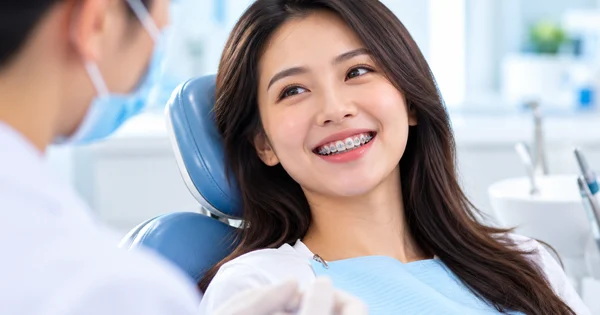
For many individuals considering orthodontic treatment, the fear of long-term dental instability is a significant barrier to seeking care. The prospect of teeth becoming loose, weak, or prone to premature loss as a result of braces or aligners is a common concern among patients. However, according to orthodontic experts, this sensation of mobility is often a physiological, transient phase of the teeth-straightening process, provided the treatment is managed correctly by qualified professionals.
The Physiology of Tooth Movement
Orthodontics operates on the principle of biological remodeling. Teeth are not fixed directly into the jawbone; rather, they are anchored by the periodontal ligament, a complex structure of fibers that exists between the tooth root and the alveolar bone.
Dr. Ha Thi Thuy Trang, a lecturer in the Department of Orthodontics at the University of Medicine and Pharmacy at Ho Chi Minh City, explains that when orthodontic appliances—whether fixed braces or clear aligners—apply controlled pressure, the periodontal ligament and the surrounding bone undergo a structural transformation. In patients with healthy periodontal tissue, properly executed orthodontic treatment does not cause permanent damage or weaken the structural integrity of the teeth, nor does it reduce the lifespan of the dentition.
The "loose" feeling that patients experience is a byproduct of this remodeling. As the orthodontic force is applied, the periodontal ligament on one side is compressed, which stimulates osteoclasts (cells that break down bone tissue) to create space for the tooth to shift. Conversely, on the side where the ligament is stretched, osteoblasts (cells that form new bone) are activated. This delicate, coordinated balance allows the tooth to migrate gradually toward the desired position. This reconstruction process naturally loosens the periodontal attachment temporarily, causing the teeth to feel mobile. Once the teeth reach their destination and enter the retention phase, the alveolar bone continues to mineralize, re-stabilizing the root in its new, corrected position.
Identifying Genuine Risks
While transient mobility is a normal clinical expectation, certain complications can lead to genuine dental weakness. The primary risks associated with orthodontics involve poor oral hygiene and pre-existing periodontal conditions.
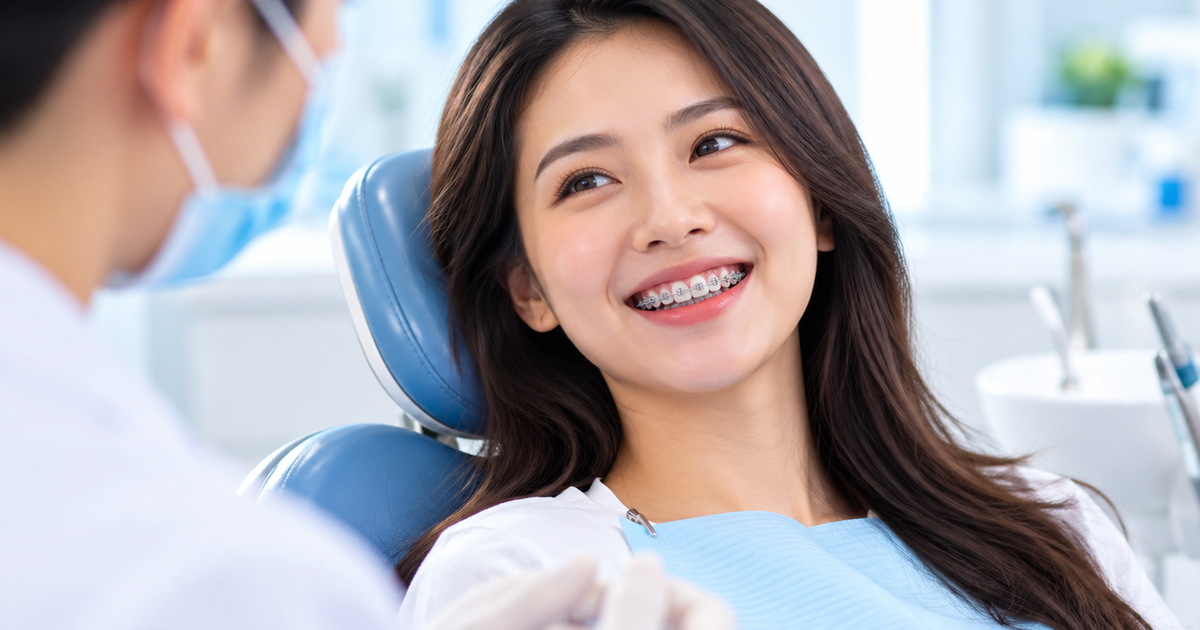
During treatment, the presence of brackets, wires, or aligners creates an environment where plaque and food particles can easily accumulate. The American Association of Orthodontists (AAO) has consistently warned that if these appliances are not cleaned thoroughly, they can lead to dental caries, halitosis, gingivitis, and, most critically, periodontitis. Periodontitis is a severe inflammatory condition that destroys the supporting tissues of the teeth. If left untreated, this can lead to excessive tooth mobility and, in advanced stages, tooth loss.
For patients who already exhibit signs of periodontal disease, the situation requires a multidisciplinary approach. Before initiating orthodontic movement, these patients must undergo a rigorous assessment and treatment plan to control inflammation. This often requires collaboration between the orthodontist and a periodontist. Consistent oral hygiene practices, including professional cleanings and the treatment of gum inflammation throughout the duration of the orthodontic treatment, are essential preventative measures.
Root Resorption: A Clinical Concern
Another, more specialized complication is root resorption. This occurs when the apical portion of the tooth root is shortened due to the inflammatory process triggered as the tooth moves through the bone. While minor root resorption is a relatively common phenomenon in orthodontics, severe cases are a cause for concern.
To mitigate this, orthodontists employ light, controlled forces and monitor the status of the tooth roots through periodic X-rays. If radiographic evidence shows moderate to severe root resorption, the practitioner may temporarily pause the application of force for two to four months. This "resting" period allows the root and the supporting bone to stabilize and recover. This clinical decision-making is vital, underscoring the importance of choosing a qualified orthodontist who can monitor the biological response of the patient’s tissues throughout the treatment timeline.
A Timeline of Treatment and Care
Orthodontic treatment typically follows a structured trajectory:
- Initial Consultation and Assessment: Evaluation of bone health and periodontal status via dental imaging.
- Pre-treatment Stabilization: Addressing active infections, such as gingivitis or periodontitis, before applying any appliances.
- Active Treatment Phase: The period of active tooth movement, which may last from 18 to 36 months, during which patients experience temporary mobility.
- Retention Phase: The critical stage post-treatment where appliances are removed and retainers are used to allow the bone to fully solidify around the new tooth positions.
Best Practices for Patient Maintenance
The responsibility for long-term dental health does not rest solely with the clinician; the patient’s daily maintenance is paramount. The AAO recommends that patients wearing braces brush at least twice daily with fluoride toothpaste and utilize interdental brushes to clean around brackets and wires. The use of water flossers is also highly recommended to dislodge debris that traditional brushing might miss.
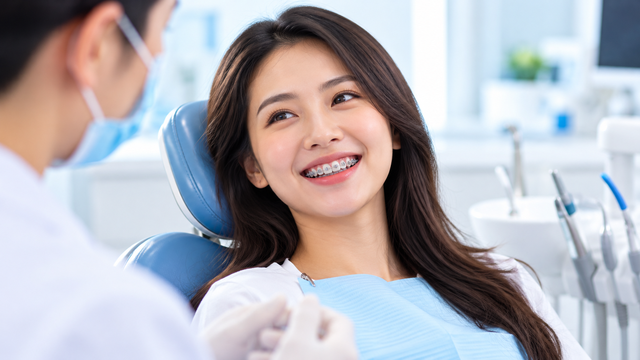
Furthermore, patients should be mindful of their dietary habits. Consuming excessive sugar or acidic foods can lead to demineralization of the tooth enamel, especially around the areas where brackets are bonded. Additionally, avoiding hard, crunchy, or sticky foods is essential to prevent damage to the orthodontic hardware, which could lead to ineffective tooth movement and extended treatment times.
Broader Implications for Orthodontic Health
The evidence suggests that for the vast majority of patients, the benefits of orthodontic treatment—which include improved bite function, easier cleaning of previously crowded teeth, and enhanced facial aesthetics—far outweigh the risks, provided that the treatment is professional and the patient is compliant.
The misconception that braces inherently "weaken" teeth likely stems from a lack of understanding of the physiological remodeling process. When performed by a trained professional, the forces applied are calibrated to the patient’s biological capacity for bone remodeling. When patients adhere to strict hygiene protocols and regular check-ups, the result is typically a healthier, more stable, and more functional dental arch.
In summary, while the sensation of loose teeth during the initial months of treatment can be unsettling, it is a sign that the treatment is working. True danger arises only when biological signals are ignored, or when secondary conditions like inflammation are allowed to progress unchecked. With modern orthodontic techniques, consistent radiographic monitoring, and disciplined home care, the risk of permanent damage is remarkably low, ensuring that the journey to a straighter smile does not come at the cost of long-term dental health.