Iran officials accuse US of attacking fishing vessels as Supreme Leader warns of severe retaliation

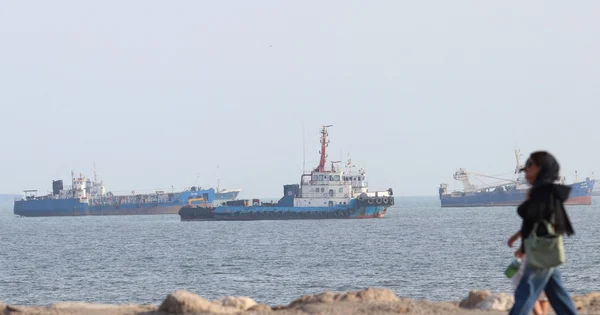
The geopolitical stability of the Persian Gulf faces renewed volatility following allegations from Iranian officials that a United States military strike targeted two civilian fishing vessels near Qeshm Island on October 31, 2026. While Washington has remained silent regarding the specific incident, the event has triggered a high-level security alert in Tehran, with Iranian leadership vowing a decisive and geographically unrestricted response to any perceived act of aggression.
The Qeshm Incident: A Chronology of Events
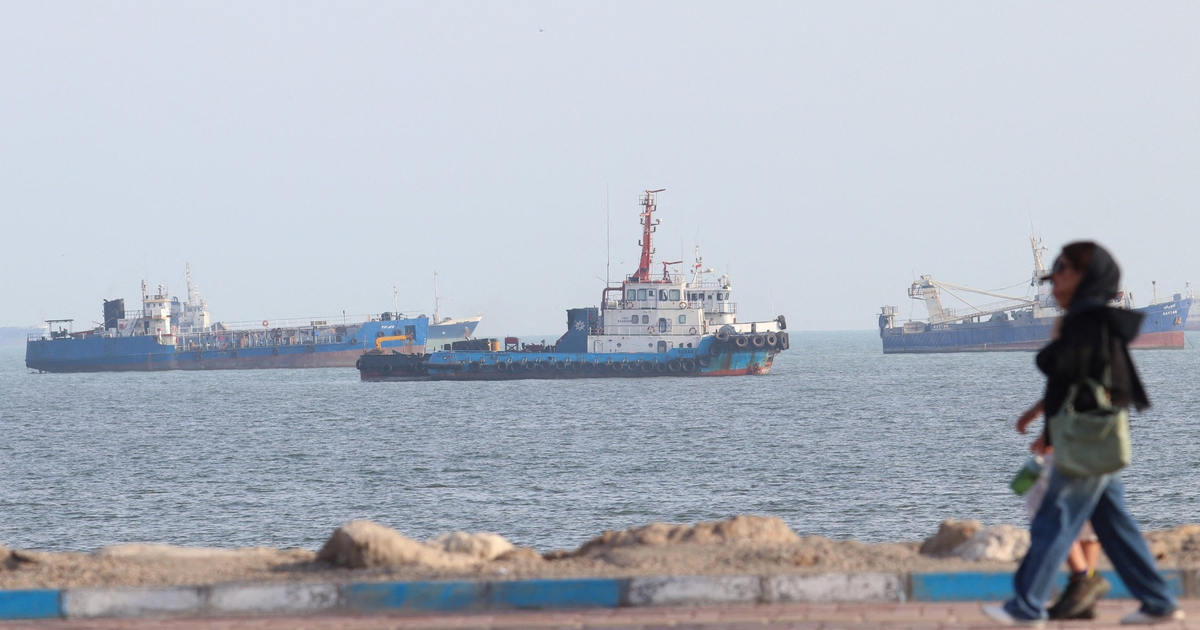
According to Ahmad Nafisi, Deputy Governor of Hormozgan province, the incident occurred at approximately 11:30 AM local time. Reports from Iranian state media indicate that the attack involved two fishing vessels, each carrying a two-person crew. The strike resulted in the temporary disappearance of two individuals, while the other two were transported to Qeshm for medical attention.
State media outlets later confirmed that the two missing individuals had been located, though the extent of their injuries and the precise nature of the military assets involved in the alleged strike remain unverified by international observers. The Strait of Hormuz, a critical maritime chokepoint through which approximately 20% of the world’s petroleum passes, has long been a theater for "shadow wars" and maritime skirmishes. This latest development underscores the extreme sensitivity of the region, where a single miscalculation by naval forces can rapidly escalate into a broader regional conflagration.
Rising Tensions and Escalatory Rhetoric
The incident on October 31 did not occur in a vacuum. It follows a period of heightened posturing between Tehran and Washington. Shortly after the allegations surfaced, Mohammad Akraminia, a spokesperson for the Iranian military, issued a stern warning via social media. He cautioned that if the United States continues to engage in "military adventures" within the region—alleging that such actions are driven by pressure from Zionist factions or a desire to deflect from domestic political issues—the flames of war will undoubtedly consume a much larger geographic area.
This sentiment was echoed by Foreign Minister Abbas Araghchi, who declared that Iran’s armed forces are prepared to respond with force to any entity that harms its citizens. The rhetoric from Tehran has shifted from defensive posturing to an explicitly offensive warning system, signaling that the Iranian military has updated its target list to include both tangible and intangible assets belonging to the United States and Israel.
The Doctrine of "Immediate and Unlimited" Response
Supreme Leader Mojtaba Khamenei has reportedly ordered an "immediate, strong, and geographically unlimited" response to any threats from adversaries. In a strategic shift, Khamenei has signaled that Iran will determine the timing and specific terms for ending any future conflict, should the opposition continue what he termed "military or terrorist attacks."
The directive includes an order to update the database of military and strategic targets, placing assets belonging to the U.S. and its regional allies firmly within the crosshairs of Iranian defensive units. This move represents a significant hardening of Iran’s strategic posture, moving away from the "strategic patience" doctrine that has characterized its foreign policy for much of the past decade.
Contextualizing the Broader Conflict
The timing of this incident is particularly precarious as both the United States and Israel navigate critical electoral and political transitions. Reports from U.S. media indicate that Vice President JD Vance has communicated with high-level Iranian security officials in an attempt to restore diplomatic channels and prevent further military escalation. While Iran has acknowledged the receipt of such communications, it has yet to disclose any formal response or change in its operational stance.
Concurrently, analysts are tracking the movement of U.S. aircraft and logistical support in the Middle East. Intelligence reports suggest that Washington has warned regional allies—specifically those in the Gulf Cooperation Council (GCC)—to prepare for a potential escalation. Sources familiar with the discussions have indicated that a new round of strikes could occur as early as November 4, immediately following the U.S. midterm elections. The pressure from Gulf states on Washington to de-escalate is palpable, as these nations fear they would be the primary casualties of an Iranian retaliatory strike.
Fact-Based Analysis: Strategic Implications
The incident off Qeshm Island serves as a catalyst for a dangerous feedback loop. From a military analysis perspective, the use of fishing vessels as targets—whether intentional or the result of mistaken identification—highlights the breakdown of communication lines between Western naval patrols and local maritime traffic.
- The Strait of Hormuz Factor: Any disruption in this area has immediate global economic consequences. A sustained increase in maritime insecurity could lead to spikes in global oil prices, impacting inflation rates in both the West and emerging markets.
- The "Shadow War" Dynamics: The conflict has largely been fought in the gray zone, involving cyberattacks, maritime sabotage, and proxy skirmishes. By publicly linking U.S. forces to an attack on civilian fishermen, Iran is attempting to frame the conflict as an assault on its sovereignty rather than a standard military engagement.
- The Nuclear Question: White House officials, when pressed on the potential for military action, have maintained a policy of "strategic ambiguity." However, they have reiterated that the current administration remains committed to ensuring Iran does not obtain nuclear weapons. This stated objective remains the primary driver of U.S. military posturing in the region, which Tehran views as an existential threat.
Diplomatic Uncertainty and the Path Forward
The White House has declined to comment on the specific allegations regarding the October 31 incident, adhering to a standard policy of not commenting on "sensitive military planning." However, the persistent presence of U.S. military hardware in the region suggests that the Pentagon is maintaining a posture of deterrence.
The primary concern for international observers is the potential for a "miscalculation cascade." When communication lines between military commanders are frayed, and the threshold for what constitutes a "response" is lowered by high-level political leaders, the risk of a regional war increases exponentially.
The coming days will be critical. If Iran follows through on its promise to retaliate for the Qeshm incident, and if the United States proceeds with its alleged contingency plans for further military pressure, the Middle East could see a shift from a cold, proxy-driven conflict to a direct, kinetic confrontation. The international community, led by regional mediators, is currently engaged in intensive "backchannel" diplomacy, attempting to convince both parties that the risks of further escalation far outweigh any potential strategic gains.
As the world watches the Strait of Hormuz, the lack of transparency from all involved parties remains the most significant obstacle to peace. Until a verifiable de-escalation framework is established, the maritime region will remain a high-risk environment, with civilian vessels—such as those involved in the October 31 incident—caught in the crossfire of a much larger, global power struggle.