Vietnamese consumers remain uncertain about the official arrival of the next-generation Mazda CX-5 despite recent industry speculation

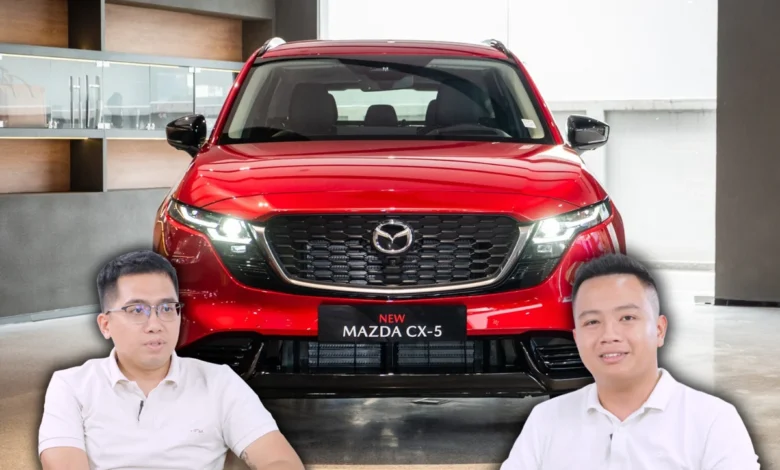
Mazda CX-5 remains one of the most successful C-segment SUVs in the Vietnamese automotive market, serving as a pillar of the brand’s sales strategy for years. As the global automotive landscape shifts toward electrification and advanced driver-assistance systems (ADAS), anticipation for the next-generation CX-5 has reached a fever pitch. However, while global markets have begun receiving teasers and technical specifications, the official launch timeline for the Vietnamese market remains shrouded in uncertainty. Recent reports from industry insiders and automotive analysts suggest a potential delay, pushing the anticipated introduction from late 2026 into the first quarter of 2027.
The Evolution of the Mazda CX-5 in Vietnam
Since its inception, the Mazda CX-5 has been a consistent best-seller for Thaco Auto, the official distributor of Mazda vehicles in Vietnam. Its success is attributed to the "Kodo" design language, a premium interior finish that often punches above its weight class, and a competitive pricing structure that makes it an attractive alternative to both entry-level compact SUVs and higher-end luxury crossovers.
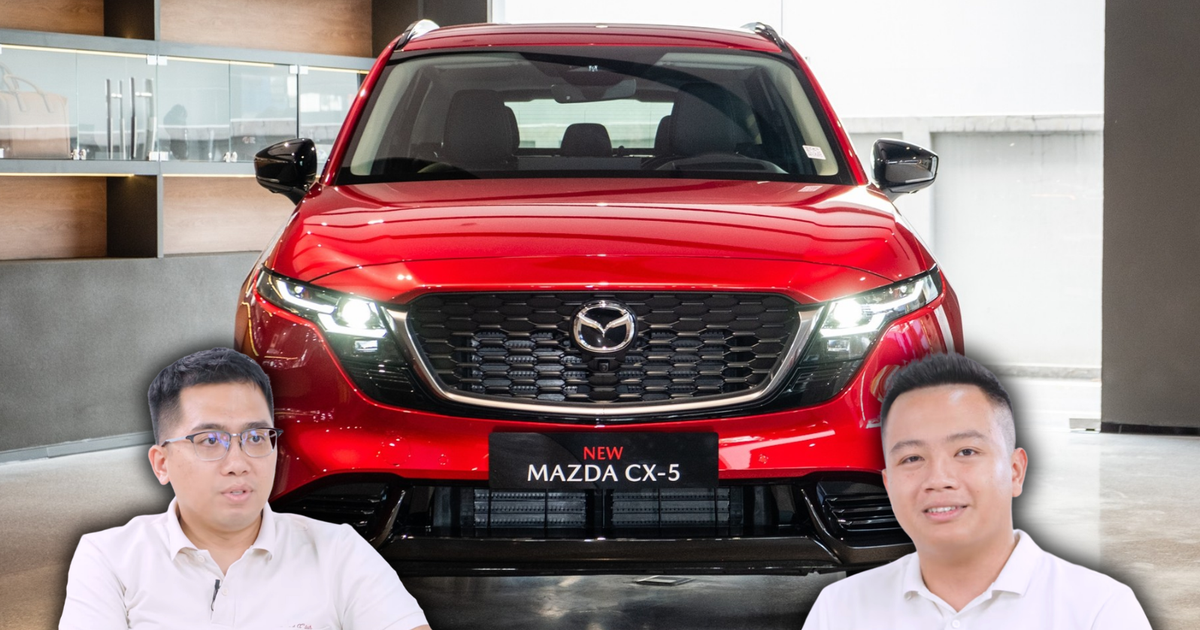
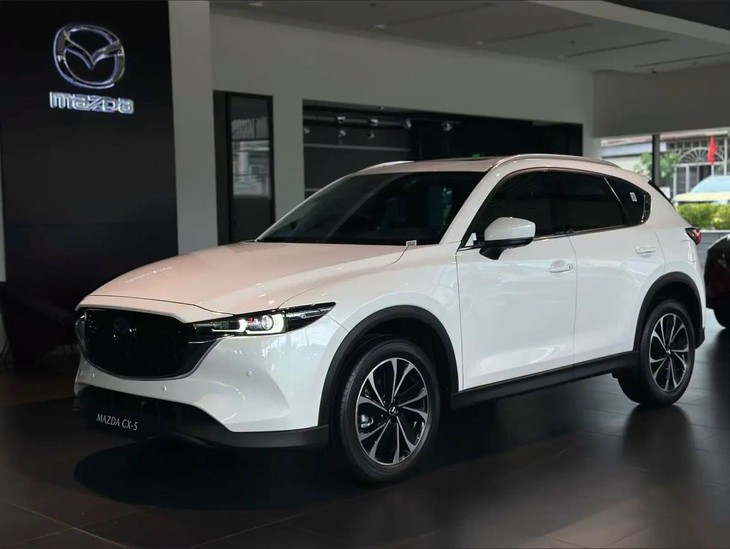
The current generation has undergone several facelifts and trim level reconfigurations—ranging from the base Deluxe to the top-tier Signature—allowing the brand to cater to a broad spectrum of buyers. By localized assembly, Thaco has managed to keep the barrier to entry low, often positioning the model as a benchmark for value. However, the industry is now bracing for a fundamental shift. As the global market prepares for a total overhaul of the CX-5 platform, including potential hybrid powertrains and updated chassis architecture, the transition period presents significant strategic challenges for the manufacturer in Vietnam.
Chronology of Anticipation and Speculation
The discourse surrounding the new CX-5 began in early 2026, when international automotive media outlets reported on Mazda’s development of a new platform aimed at competing more aggressively with the Toyota RAV4 and the Honda CR-V.
- Q1 2026: Initial rumors regarding a shift in the CX-5’s powertrain technology, specifically the inclusion of a 48V mild-hybrid system, began to circulate.
- Q3 2026: Industry analysts noted that Thaco had begun aggressive promotional campaigns for the current model, often offering significant discounts to clear existing inventory, a classic precursor to a model transition.
- October 2026: Reports from automotive analysts suggested a tentative launch window for November 2026.
- Late October 2026: Updated intelligence indicates that internal logistical constraints and supply chain adjustments may force a delay, with a more realistic launch date now being pushed to January 2027.
The delay, according to market experts, is not merely a production issue but a strategic alignment of product life cycles. Maintaining the momentum of the current model while preparing the assembly lines for a technologically advanced successor requires a delicate balance of stock management and marketing timing.
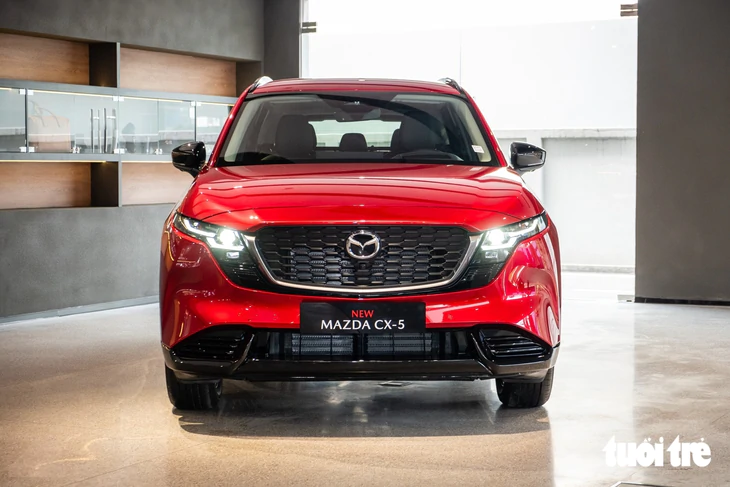
Factors Influencing the Launch Delay
Automotive expert Anh Duong has identified three critical factors that are likely impacting the rollout schedule for the next-generation CX-5 in Vietnam.
1. Strategic Pricing and Market Positioning
The primary hurdle for the next-generation model is its potential price point. The current success of the CX-5 in Vietnam is heavily linked to its "value-for-money" proposition. With base models currently starting as low as 659 million VND, the vehicle has effectively set a price ceiling for the entire C-SUV segment. If the new generation introduces complex hybrid systems, advanced sensor suites, and a revised chassis, the cost of production will inevitably rise.
If the new CX-5 enters the market at a price point exceeding 900 million VND, it risks alienating its core demographic. Analysts warn that if the entry-level price climbs toward the 1 billion VND mark, the vehicle will be forced to compete in a different, more crowded segment where brand loyalty is less pronounced and technical specifications carry more weight than aesthetic appeal.

2. Manufacturing and Supply Chain Logistics
Thaco’s assembly facilities are among the most sophisticated in the region, with experience in assembling diverse brands, including BMW. However, the transition to a new platform is not a simple "plug-and-play" process. It requires retooling assembly lines, retraining staff, and establishing a new supply chain for specialized components such as hybrid battery packs and sophisticated electronic control units (ECUs).
If the supply of components for the next generation is constrained by global demand, Thaco may choose to delay the launch to ensure a steady supply, rather than risking a "paper launch" where vehicles are announced but unavailable for delivery. This cautious approach is common among major distributors who prefer to avoid the negative publicity associated with long waitlists.
3. Marketing Strategy and Consumer Sentiment
Mazda has previously experimented with selling two generations of a model simultaneously, as seen during the 2017-2018 CX-5 transition and the 2019-2020 Mazda3 rollout. It is highly probable that the manufacturer is currently evaluating whether a similar dual-generation strategy is viable for the 2027 launch. By keeping the current model as a budget-friendly option while introducing the newer, more expensive version as a premium alternative, Mazda could potentially capture both ends of the market.
Technical Implications and Market Competition
The next-generation CX-5 is expected to feature a 2.5L engine paired with mild-hybrid technology. While this aligns with global trends toward decarbonization, it introduces a level of mechanical complexity that Vietnamese consumers are still adjusting to. The "reliability factor" is paramount in the Vietnamese market. For many buyers, the proven track record of the current naturally aspirated engines is a stronger selling point than the marginal fuel efficiency gains provided by a new, untested hybrid system.
Furthermore, the competition has not been stagnant. Rivals such as the Hyundai Tucson and the Kia Sportage have already undergone significant redesigns that prioritize tech-heavy interiors and aggressive styling. The Mazda CX-5 must navigate this landscape by offering something distinct—likely its reputation for superior build quality and "Jinba Ittai" (horse and rider as one) driving dynamics.
Broader Economic and Industry Implications
The delay in the CX-5 launch serves as a case study in the current state of the Vietnamese automotive industry. As Vietnam continues to move toward higher local content requirements and environmental standards, manufacturers are under pressure to upgrade their offerings. However, the macroeconomic environment—marked by fluctuating interest rates and varying consumer confidence—means that OEMs must be increasingly conservative with their product launches.
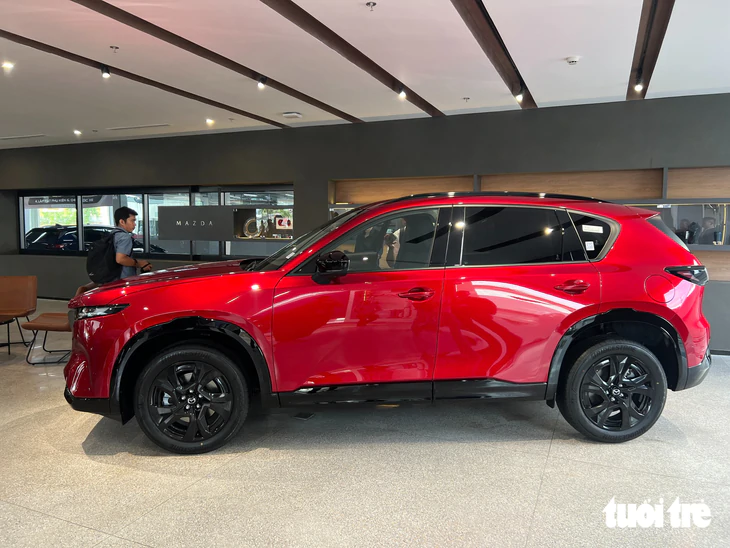
The decision to potentially wait until January 2027 reflects a broader desire to align the new model’s debut with the typical post-Tet (Lunar New Year) surge in consumer spending. By launching at the start of a new fiscal year, Mazda can benefit from the reset in market sentiment and potentially leverage better financing packages to offset the higher price tag of the new vehicle.
Conclusion: The Path Forward
The next-generation Mazda CX-5 is undoubtedly one of the most anticipated vehicles in Vietnam. While the delay may frustrate those eager for the latest technology, it provides a necessary window for the manufacturer to ensure that the product is priced correctly for the local market.
Success for the new CX-5 will not be determined by its features alone, but by its ability to retain the "value-driven" DNA that made its predecessor a market leader. If Mazda can navigate the pricing challenge, ensuring the new model remains accessible while providing a significant step forward in technology and comfort, it will likely continue to hold its position at the top of the C-SUV segment. For now, the industry watches and waits, as the transition to the next era of Mazda’s most popular crossover hangs in the balance of market strategy and economic reality.