Martha Stewart faces intense public backlash after using a homeless-themed Halloween costume to promote her personal brand on social media

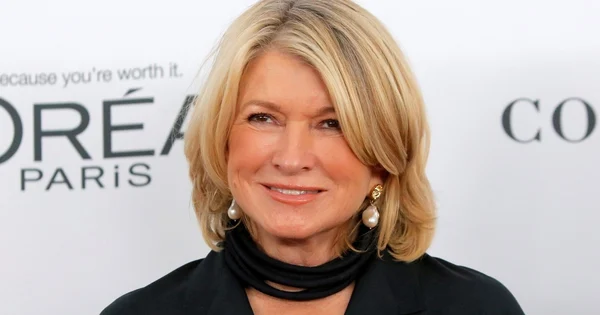
The intersection of luxury branding and performative poverty has triggered a firestorm of criticism for lifestyle mogul Martha Stewart, who found herself at the center of a viral controversy during the 2026 Halloween season. The 85-year-old entrepreneur, often hailed as the queen of domestic arts, posted a series of images on Instagram that were intended to market a line of holiday candles in collaboration with the home shopping network QVC. However, the promotional campaign—which featured Stewart dressed as a person experiencing homelessness—has drawn widespread condemnation from activists, marketing experts, and the general public.
The controversy began on November 1, 2026, when Stewart shared a promotional post on her verified Instagram account. The imagery depicted the billionaire businesswoman wearing tattered, distressed clothing and sporting smudged, unkempt makeup. In one particular photograph, she held a piece of cardboard with the handwritten inscription, "I am starving, please help." The caption accompanying the photo read, "My QVC candles are a perfect choice for Halloween."
The post, which was intended to highlight her seasonal product line, was immediately met with a barrage of negative comments. Critics argued that a woman with an estimated net worth of $400 million, built on the foundations of upscale living and sophisticated domesticity, had crossed a moral line by trivializing the harsh realities of homelessness for commercial gain. Within hours, the term "tone-deaf" trended across social media platforms, with many users pointing out the jarring contrast between the promotion of luxury home goods and the depiction of extreme poverty.
A Chronology of the Controversy
The sequence of events unfolded rapidly, highlighting the risks inherent in influencer-driven brand marketing in the digital age.
- November 1, 2026: Martha Stewart posts the promotional content on Instagram, featuring the "homeless" costume alongside a call to purchase her branded candles.
- November 1, 2026 (Afternoon): Public outcry escalates. Major social media discourse characterizes the move as an insensitive appropriation of suffering.
- November 2, 2026: Facing mounting pressure and negative sentiment, Stewart quietly removes the post from her social media channels.
- November 2, 2026 (Evening): A spokesperson for Stewart issues an official statement attempting to clarify the intent behind the costume.
- November 3, 2026 – Present: The discourse continues, with public relations analysts dissecting the fallout and the broader implications for celebrity branding.
The Marketing Miscalculation
The incident serves as a textbook example of a failed marketing strategy, where the desire for "edgy" or "viral" content ignores the socioeconomic sensitivities of the target audience. In the world of high-end lifestyle branding, authenticity and aspirational aesthetics are paramount. By adopting a costume that mimics the appearance of the unhoused, Stewart failed to reconcile her brand identity—which is synonymous with wealth, success, and domestic perfection—with the grim reality of housing insecurity in the United States.
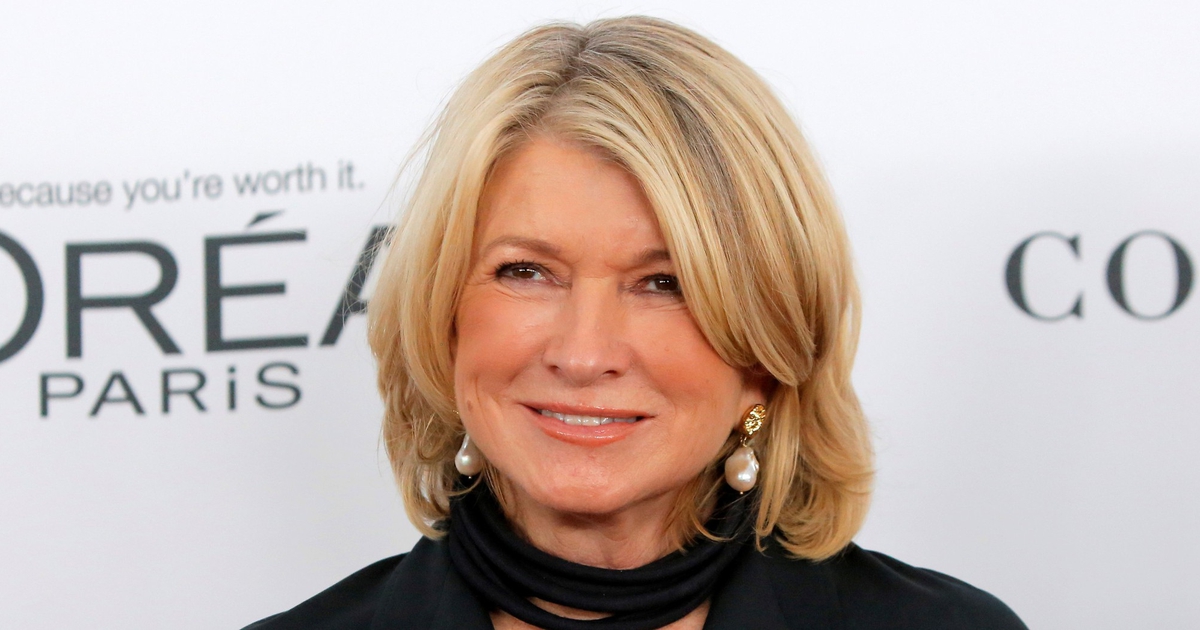
Marketing experts note that this is not merely an issue of poor taste but a failure in brand risk management. When a public figure with massive influence utilizes images of marginalization to sell a luxury product, it creates an inevitable disconnect. The audience perceives the act not as an artistic choice, but as an exploitation of the vulnerable.
Official Response and Public Defense
In response to the growing storm, Stewart’s representatives provided a formal explanation to the media. The statement emphasized that the intention was never to mock those experiencing poverty. According to the release, "Throughout my career, I have always loved sharing ways to enjoy the holidays, from recipes to decorating ideas. I am deeply saddened that my Halloween costume yesterday made many people feel offended, as that was completely not my intention."
The statement further claimed that the costume was intended to draw attention to the problem of homelessness. "This costume was aimed at helping more people pay attention to a very serious issue, which is the state of homelessness. This remains one of the greatest challenges that the country is facing, which is also an area I have always been concerned about." Stewart’s team cited her long history of supporting various philanthropic organizations and her desire to continue contributing to positive change.
Despite these efforts to frame the incident as an act of social awareness, the public remained largely skeptical. Many commentators on social media questioned how a product advertisement for luxury candles could realistically be considered an advocacy tool for housing rights.
Broader Impact and Implications
The incident has reignited a broader conversation about the responsibilities of the super-rich in the public sphere. For a figure like Martha Stewart, who has navigated decades of intense media scrutiny—including her well-documented legal challenges in the mid-2000s—this controversy represents a new type of crisis. Unlike her previous legal troubles, which were based on financial regulations, this crisis is rooted in the perceived moral distance between the elite and the struggling working class.
Furthermore, this is not the first time Stewart has faced backlash for her blunt public persona. In recent months, she made waves on a podcast by criticizing the traditional "nine-to-five" work model, arguing that individuals who prioritize work-life balance are often uninspired and lack the drive necessary for success in competitive fields. These comments, combined with a recent viral moment during a cooking segment on Today where she appeared visibly annoyed when a colleague accidentally spilled chocolate on her $3,000 designer trousers, have contributed to a growing narrative that the mogul is increasingly out of touch with the average American.
The Business of Celebrity
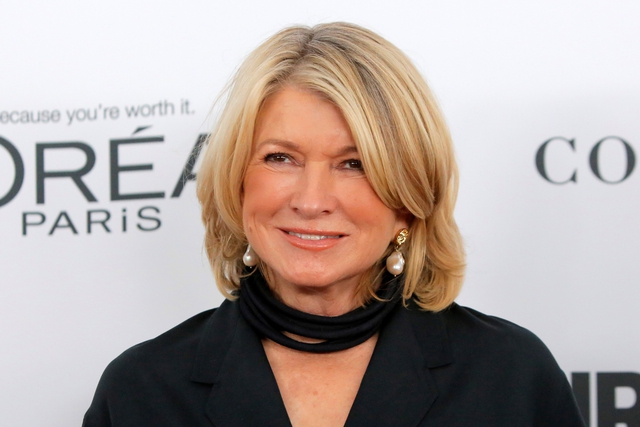
Martha Stewart’s career has been nothing short of extraordinary. After building her reputation as a caterer and lifestyle writer in the 1980s, she founded Martha Stewart Living Omnimedia, which went public in 1999, making her one of the first self-made female billionaires in the United States. Even after serving a prison sentence in 2004 for charges related to a stock trading scandal, she successfully rebuilt her brand, diversifying into real estate, publishing, television, and licensing deals.
With a personal fortune currently estimated at $400 million, Stewart’s business model relies on the perception of her as an arbiter of taste and a master of the home. However, as the digital landscape changes, the tolerance for "tone-deaf" marketing has decreased significantly. Consumers are increasingly holding celebrities accountable for their social impact, and the line between personal expression and public brand representation is becoming increasingly blurred.
Conclusion: A Lesson in Brand Sensitivity
The aftermath of this Halloween incident suggests that the era of celebrity-led social commentary, particularly when performed under the guise of an advertisement, is under intense scrutiny. While Stewart has a long history of resilience and has survived multiple PR crises, this episode highlights a significant disconnect between her brand’s historical appeal and contemporary social values.
For the marketing industry, the case of the "homeless" costume serves as a cautionary tale. It demonstrates that regardless of a celebrity’s stature or long-standing influence, failing to read the room—or more importantly, failing to respect the gravity of the social issues one chooses to emulate—can result in swift and damaging public censure. As Stewart looks to move past this controversy, the event will likely remain a significant case study in the challenges of maintaining a legacy brand in a hyper-connected, socially conscious, and often unforgiving digital world. Whether the incident will have long-term consequences for her partnerships with brands like QVC remains to be seen, but it has undoubtedly served as a stark reminder of the limitations of performative engagement in modern celebrity culture.
Related posts: