Historical Distortions and Mediocre Screenplays Plunge the Star-Studded K-Drama Perfect Crown into Unprecedented Disrepute

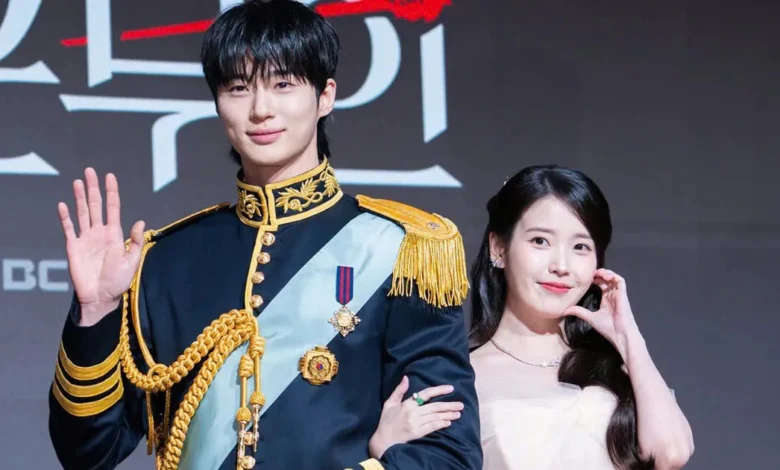
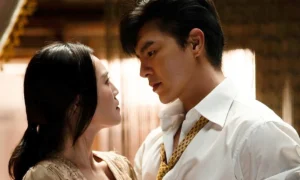
The landscape of South Korean television in 2026 has been marked by staggering budgets, ambitious global streaming partnerships, and an unprecedented level of scrutiny from a discerning public. Among the most anticipated releases of the year was the MBC and Disney+ collaborative blockbuster Perfect Crown, a grand historical drama boasting a massive production budget of 30 billion won. Featuring a powerhouse leading cast comprising top-tier star IU and popular actor Byeon Woo Seok, the series was designed to be a crown jewel in contemporary Asian television. Yet, despite achieving an impressive peak viewership rating of 13.8% and dominating its domestic time slot, Perfect Crown has suffered a precipitous fall from grace. Plagued by severe historical distortion controversies, repetitive tropes, and a weak screenplay, the drama has become the focal point of intense national debate, ultimately ranking as the most disappointing television series of 2026 in a major industry survey.
The JoyNews24 22nd Anniversary Industry Survey
The scale of the public and critical backlash against Perfect Crown was formally quantified in late October 2026, coinciding with the 22nd-anniversary celebrations of JoyNews24, a leading South Korean economic daily specializing in the entertainment sector. From October 15 to October 21, the publication conducted a comprehensive survey aimed at identifying the standout television series, streaming programs, cinematic releases, actors, and musicians of the year.
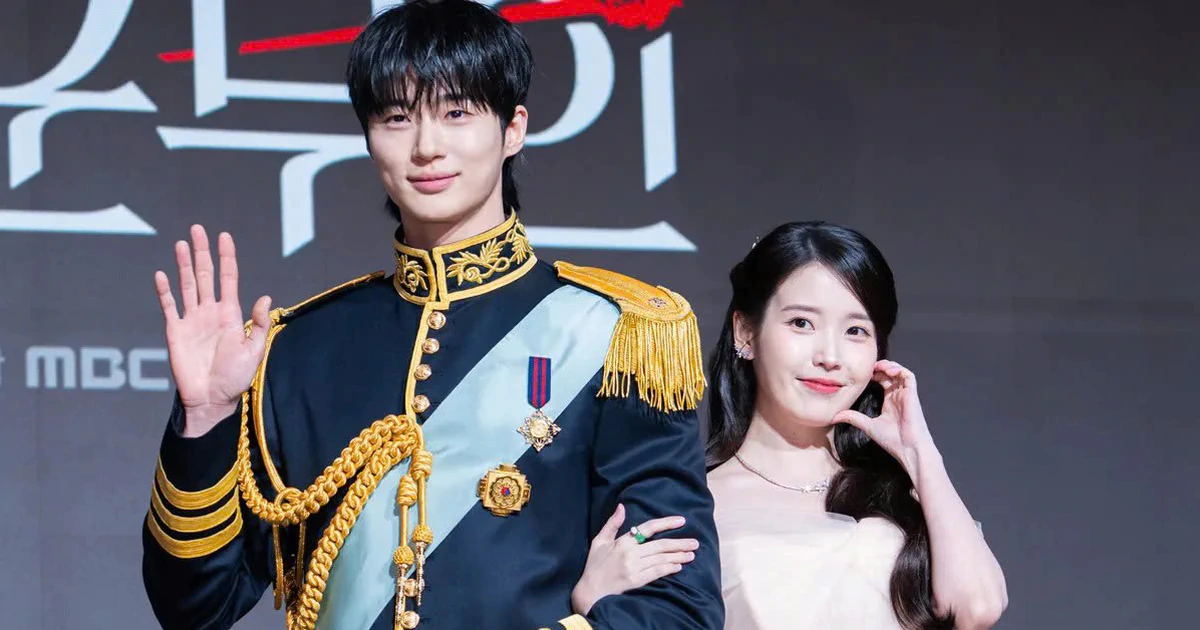
The survey gathered insights from 142 active industry professionals, encompassing personnel from major entertainment management agencies, broadcasting networks, film and television production houses, and prominent streaming media critics. In the category of "Most Disappointing Television Series of the Year," Perfect Crown claimed an overwhelming and unenviable majority, securing 45 votes out of the 142 total participants. This dubious distinction underscored the stark chasm between the drama’s commercial hype and its actual execution, transforming what was expected to be a triumphant cultural milestone into a cautionary tale for high-budget K-drama productions.
Premise, Production Scale, and Initial Expectations
Set against an alternate twentieth-century South Korea operating under a constitutional monarchy, Perfect Crown explored a turbulent transitional period defined by the dismantling of rigid class structures. The narrative centered on a wealthy, highly talented commoner woman who retained a lower-class legal status alongside a tragic backstory, and a crown prince who, despite his royal lineage, found himself entirely stripped of practical authority and personal autonomy.
Given the pedigree of its creators, the involvement of Disney+ as a global distribution partner, and the immense star power of IU and Byeon Woo Seok, anticipation for the series reached fever pitch long before the first episode aired. The substantial financial investment of 30 billion won promised cinematic visuals, meticulous costume design, and a sweeping, emotionally resonant romance that would transcend traditional historical boundaries. When the drama premiered, initial viewership numbers reflected this towering expectation, carrying the show to its peak rating of 13.8% and easily outperforming all competing broadcasts in the same time slot.

Narrative Shortcomings and Historical Controversies
However, the high viewership ratings proved to be a fragile metric masking deep-seated dissatisfaction among viewers and critics alike. As the series progressed, it was met with a barrage of negative reviews targeting its structural and creative deficiencies. Audiences expressed profound disappointment over the reliance on worn-out television tropes, erratic and unconvincing plot developments, and uneven performances from the primary cast members who struggled to elevate the deficient source material.
The most damaging blow to the production, however, came from persistent and fierce controversies surrounding historical distortion. The fictionalized depiction of the constitutional monarchy and the societal dynamics of the era struck a raw nerve with contemporary audiences and historians, sparking intense public backlash that quickly escalated beyond routine online criticism. As civic groups, history enthusiasts, and cultural commentators mobilized against the series, formal petitions demanding the suspension and removal of Perfect Crown were submitted to the South Korean National Assembly.
The mounting pressure forced both the production company and the leading actors, IU and Byeon Woo Seok, to issue public statements acknowledging the controversy and offering formal apologies. Despite these conciliatory gestures, the damage to the drama’s reputation was irreparable, permanently staining the legacies of everyone involved and alienating a large segment of its core audience.
The Broader Streaming Landscape: Disappointments on Netflix
While Perfect Crown dominated the discussion regarding broadcast television failures, the JoyNews24 survey highlighted that high-profile missteps were not unique to traditional networks. Two major Netflix original series, The Scandal and Our Sticky Love, tied for second place in the "Most Disappointing Television Series of the Year" category, each receiving 9 votes. Despite premiering under the global spotlight of a major streaming platform and commanding substantial advance expectations, both projects stumbled significantly due to controversial elements concerning casting and narrative execution that severely impacted the viewer experience.
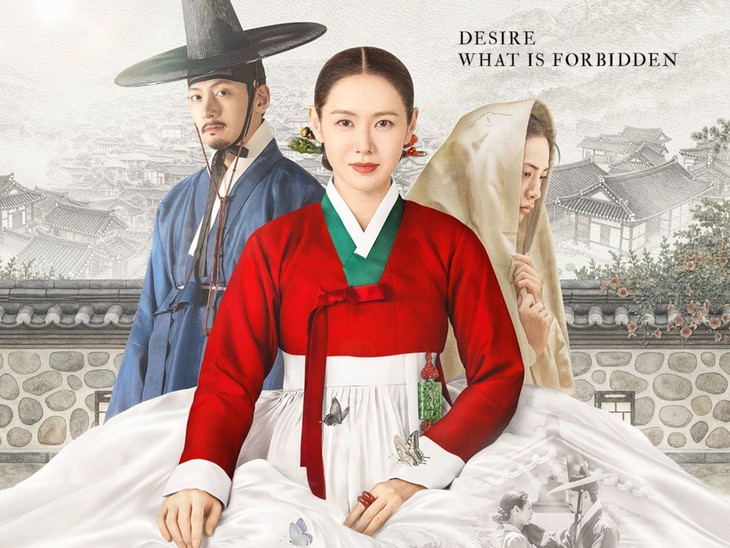
The Scandal drew immediate scrutiny for its ambitious yet polarizing tone, particularly concerning mature themes and sensitive depictions. The series chronicled the complex dynamic between Lady Jo (portrayed by Son Ye Jin), an exceptionally talented woman chafing against the rigid patriarchal confines of the Joseon dynasty, and Jo Won (portrayed by Ji Chang Wook), widely regarded as the ultimate libertine of Joseon society. The characters entered into a high-stakes, perilous romantic wager that intertwined with the life of Hee Yeon (portrayed by Nana). While the premise offered rich dramatic potential, critics argued that the execution leaned too heavily into sensationalism, drawing accusations of mismanaged narrative focus and overshadowing the genuine psychological depth of the characters.
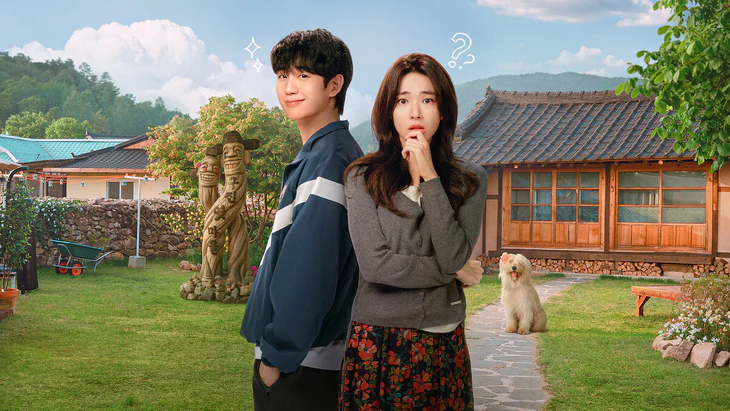
Similarly, Our Sticky Love faced criticism for falling back on predictable romantic comedy tropes. Billed as a heartwarming yet chaotic romance, the series followed the tumultuous coexistence between Go Eun Sae (portrayed by Ha Young), a female crown official suffering from memory loss, and Jang Tae Ha (portrayed by Jung Hae In), a boxing coach who aggressively insisted he was her boyfriend. Although Jung Hae In is widely celebrated as a master of romantic melodramas, the pairing with Ha Young struggled to generate fresh chemistry within a framework heavily reliant on clichéd plot devices, including sudden memory loss, hidden identities, and melodramatic family entanglements. Reviewers dismissed the storyline as a tired rehash of formulaic romantic formulas, proving that star power alone cannot sustain a production lacking narrative innovation.
Industry Implications and Future Outlook for K-Dramas
The results of the 2026 JoyNews24 survey serve as a critical wake-up call for the South Korean entertainment industry. As production budgets continue to swell past the 30-billion-won mark and international streaming platforms exert greater influence over content creation, the pressure to deliver flawless, culturally resonant storytelling has never been higher.
The public rejection of high-profile projects like Perfect Crown, The Scandal, and Our Sticky Love demonstrates that modern audiences are increasingly intolerant of sloppy screenwriting, historical insensitivity, and reliance on exhausted clichés, regardless of the star power attached to the marquee. Industry analysts suggest that production houses will need to exercise greater diligence during the script development phase, particularly when dealing with historical and cultural themes, to avoid costly controversies that can torpedo a project’s reputation overnight. Moving forward, the K-drama ecosystem faces a clear mandate: aesthetic grandeur and elite casting must be matched by narrative integrity and historical responsibility if productions are to retain the trust and loyalty of a rapidly maturing global audience.