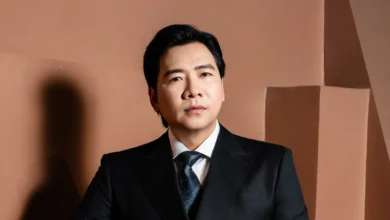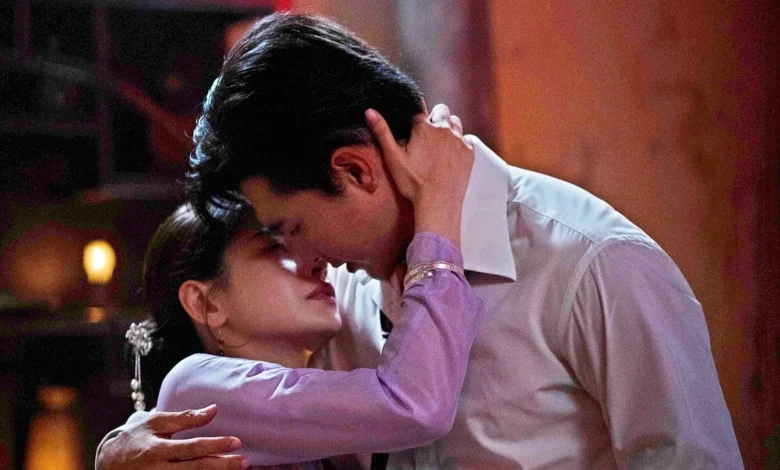
The third installment of the popular Vietnamese thriller franchise, Chi Chi Em Em 3, has ignited a fierce debate among cinema enthusiasts and film critics alike. While the movie has enjoyed a robust commercial opening—garnering over 70 billion VND in its first three days of release according to Box Office Vietnam—the narrative choices made by director Nguyen Huu Hoang have drawn sharp criticism on social media platforms. Critics argue that the film’s depiction of its female characters and its handling of mature themes lean toward exploitation rather than artistic exploration, prompting a broader conversation about the representation of women in modern Vietnamese cinema.
A Strong Commercial Start Amidst Narrative Controversy
Following its debut, Chi Chi Em Em 3 quickly dominated the local box office, a testament to the commercial viability of the series. However, the online reception on platforms like Threads and Facebook has been polarized. While some viewers praise the visual aesthetics and the production design, which captures the atmosphere of Northern Vietnam in a bygone era, many others have expressed disappointment regarding the film’s moral compass and thematic execution.
The core of the controversy lies in how the film approaches infidelity, a recurring motif in the Chi Chi Em Em series. Set in the early 20th century, the story follows Thai Mau (Ky Duyen), a woman preparing for marriage to Van Tai (Quoc Anh), the heir to a powerful family. The narrative complexity increases when Thai Lieu (Ninh Duong Lan Ngoc), Mau’s older sister, returns home alongside her husband, Van Cuong (Steven Nguyen). The reunion, occurring after a 15-year separation, acts as the catalyst for a rekindled and illicit romance between Lieu and Tai. Simultaneously, the character Thai Nuong (Chi Pu), an adopted sister to Tai, grapples with her own unrequited romantic aspirations, adding layers of jealousy and strategic manipulation to the plot.

Chronology of the Controversy and Viewer Sentiment
The discourse surrounding the film has been marked by a rapid escalation in criticism. Within 72 hours of the film’s premiere, social media threads dedicated to the movie accumulated thousands of interactions, primarily focusing on what audiences perceive as a regressive portrayal of women.
One prominent critic, Le Tan Phat, noted that the film appears to hide behind the aesthetic of historical drama to justify a narrative that essentially revolves around "betrayal and petty schemes." Many viewers have argued that the film’s attempt to use an "extramarital affair" as a central plot device is handled with a romanticization that undermines the gravity of the characters’ actions. The portrayal of the romantic tension between Lieu and Tai, despite their respective commitments to others, has been labeled by some as "toxic," with critics arguing that the film elevates their infidelity to a level of "tragic love" that is not supported by the script’s character development.
Furthermore, the climax of the film, which involves plot points regarding pregnancy and infertility, has been described by some audience members as "poorly handled." Critics, including viewer Dac Nam, have pointed out that the way the film treats these biological and social issues reflects a "deep-seated patriarchal bias" that the director fails to subvert or analyze effectively.
Official Response and Artistic Intent
In response to the growing backlash, director Nguyen Huu Hoang has issued statements defending the film’s creative choices while acknowledging the feedback from the audience. Hoang, 35, stated that his intention was never to demean women but rather to explore the tragic circumstances of characters living within a rigid historical social structure.
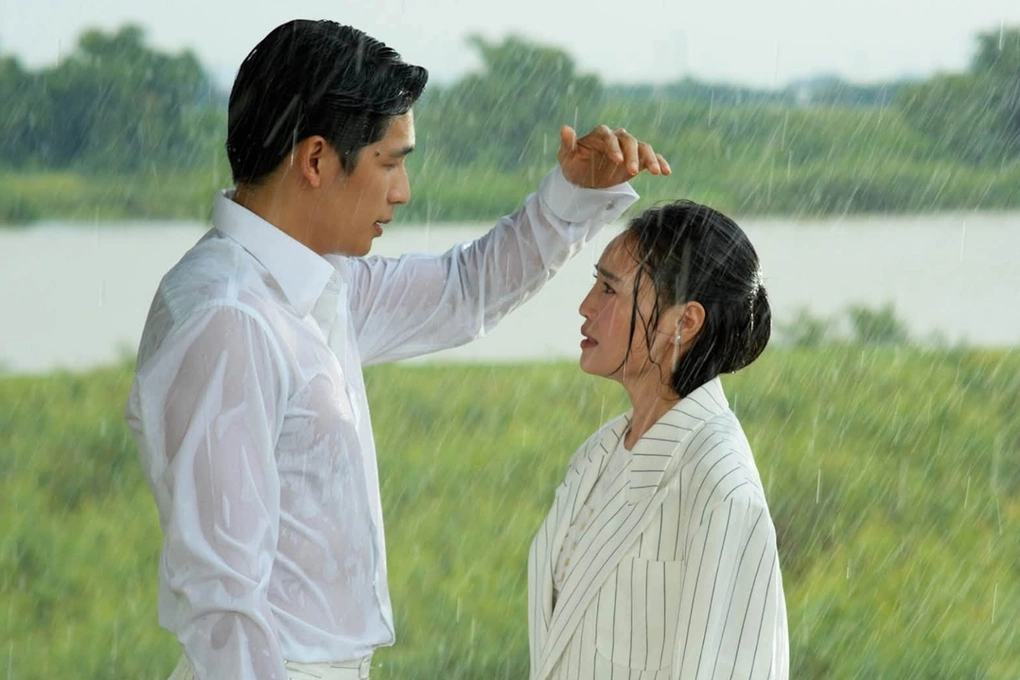
"The character of Thai Mau, for instance, is born into a life of privilege and wealth, yet her inability to conceive is a profound tragedy that defined a woman’s worth in that era," Hoang explained. He emphasized that the film’s objective was to reflect the "pain and societal pressure" of the period, rather than to endorse the behavior of the characters.
Regarding the inclusion of 18+ scenes, which have been a major point of contention, the production team maintains that these scenes are integral to the psychological development of the characters. The director noted that every scene was designed to reflect the characters’ inner desires, loneliness, or desperation. He explicitly denied that these scenes were included as mere marketing gimmicks or gratuitous content, arguing that they serve to push the narrative forward in a way that words alone cannot.
Fact-Based Analysis of the Franchise’s Evolution
The Chi Chi Em Em franchise has established itself as a brand known for exploring complex, often dark, relationships among women. The first film (2019), directed by Kathy Uyen, was widely praised for its suspense and psychological depth. The second installment, directed by Vu Ngoc Dang in 2023, shifted the focus to the early 20th century, centering on historical figures.
The transition to a third film, directed by Nguyen Huu Hoang—who previously directed the successful horror film Ma Da (2024)—has marked a stylistic shift. While Ma Da was a massive commercial success with 114 billion VND in revenue, his other recent work, Tham My Vien Am Phu, failed to resonate with the box office, suggesting that the audience response to his directorial style remains inconsistent.

Broader Implications for Vietnamese Cinema
The debate surrounding Chi Chi Em Em 3 serves as a microcosm for a larger tension in the Vietnamese film industry: the balance between commercial "sensationalism" and artistic responsibility. As the market for 18+ rated films grows, there is an increasing demand from audiences for content that offers more than just visual spectacle.
Industry analysts suggest that the negative reception of certain scenes—such as the romantic interactions between characters that critics deemed "superfluous"—indicates that modern audiences are becoming more discerning. They are no longer satisfied with aesthetic beauty or high-stakes drama if the underlying character motivations feel hollow or if the thematic treatment of sensitive social issues feels exploitative.
The director’s stated hope, that younger viewers would appreciate the cultural context, fashion, and historical setting of the film, appears to be partially overshadowed by the audience’s concern for character agency. As the debate continues, the film serves as a reminder that in the age of social media, filmmakers must be prepared for rigorous public scrutiny regarding how their narratives reflect and shape contemporary perceptions of gender, morality, and social history.
Ultimately, while the financial success of Chi Chi Em Em 3 is undeniable, the long-term legacy of the film may be defined by the critical conversation it has ignited. Whether or not this feedback will influence the direction of future installments in the franchise remains to be seen, but it is clear that the audience’s voice has become an essential, if challenging, component of the filmmaking process in Vietnam.
Related posts: