Cục An toàn thực phẩm yêu cầu Shopee và Lazada gỡ bỏ thực phẩm bảo vệ sức khỏe Dáng Sen chưa cấp phép


The management of e-commerce platforms and digital marketplaces in Vietnam has faced heightened regulatory scrutiny following a decisive enforcement action by national health authorities. On November 12, the Vietnam Food Administration (VFA), operating under the Ministry of Health, issued official directives ordering major e-commerce giants Shopee and Lazada to immediately halt the online sale and promotional activities of a popular weight-loss product known as Dáng Sen. This regulatory intervention highlights persistent challenges within the digital retail sector regarding the unauthorized commercialization of health-related supplements, particularly items marketed for weight management without mandatory state pre-market approvals.
Regulatory Crackdown on Unlicensed Weight-Loss Supplements
According to official findings from the VFA’s post-market surveillance operations, the Dáng Sen weight-loss supplement was actively advertised and commercialized across multiple digital channels, including Facebook, Shopee, and Lazada. Investigators discovered that the product was being aggressively marketed with explicit claims regarding its weight-reduction efficacy. However, a comprehensive records check revealed that the item lacked a valid Certificate of Registration for Product Declaration—a mandatory legal prerequisite for any dietary or health supplement distributed legally within the Vietnamese market.
The absence of this critical certification means that the safety, ingredient composition, manufacturing standards, and labeling claims of Dáng Sen have not been formally evaluated or verified by competent state agencies. Consequently, the continued online availability of the product presented potential health risks to consumers who might rely on unverified marketing claims. In response to these findings, the VFA acted swiftly to mitigate consumer exposure by targeting the primary digital distribution hubs where the unauthorized items were readily accessible to the public.

Specific Directives Issued to E-commerce Platforms
The official mandates issued by the VFA on November 12 place distinct operational responsibilities on the management teams of both e-commerce entities. Specifically, the administration directed the operators of Shopee (managed by Shopee Company Limited) and Lazada Vietnam (managed by Lazada E-Commerce Company Limited) to execute the following compliance measures:
- Immediate Cessation of Sales: Both platforms must immediately suspend all transactions, listings, and commercial activities associated with the Dáng Sen supplement.
- Removal of Promotional Content: All marketing materials, product descriptions, banners, and user-facing advertisements promoting the efficacy of the unauthorized supplement must be completely expunged from the platforms.
- Compliance Reporting: Both companies are required to submit formal written compliance reports detailing the removal actions to the VFA prior to November 20.
- Comprehensive Platform Audits: The regulatory agency has instructed both e-commerce platforms to urgently conduct internal audits of all functional food and dietary supplement listings currently active on their systems. Platforms are explicitly ordered to restrict merchant access exclusively to products that either possess a valid Certificate of Registration for Product Declaration or have been duly publicly notified on the official state database for food safety management in accordance with prevailing laws.
Chronology of Regulatory Events
The enforcement action against Dáng Sen did not occur in a vacuum; it represents part of an ongoing, systematic campaign by Vietnamese health regulators to clamp down on illicit online supplement sales throughout 2026.
- October 2026: The VFA targeted another prominent online listing, issuing a formal administrative order requiring Shopee to remove all commercial listings and promotional materials for the Japanese dietary supplement "Sausando Slimming capsule," which likewise lacked proper Vietnamese regulatory registration.
- Early November 2026: During routine internet surveillance and consumer complaint monitoring, VFA inspectors identified the unauthorized digital footprint of the Dáng Sen weight-loss supplement across Facebook, Shopee, and Lazada.
- November 12, 2026: The VFA officially signed and issued formal administrative dispatches to Shopee and Lazada, establishing a strict compliance deadline of November 20 for removal and reporting. Simultaneously, the agency dispatched formal investigative requests to local health authorities in Hung Yen and Hanoi.
- Pending Deadlines (Late November 2026): Provincial sub-departments in Hung Yen and Hanoi have been instructed to conclude their on-site inspections of the manufacturing and distribution facilities by November 30, with full investigative findings to be reported back to the central VFA office.
Supply Chain Investigation: Tracing Hung Yen and Hanoi Facilities
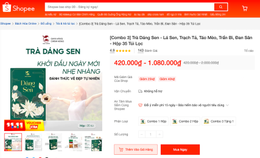
Beyond halting online distribution at the retail level, the VFA has initiated deep-dive investigations into the upstream manufacturing and supply chain infrastructure responsible for producing and distributing Dáng Sen. Official documentation indicates a clear division of operational responsibilities between the manufacturing entity and the primary distribution company.
The physical production of the supplement takes place at Thai Hung Import-Export Investment Commercial Joint Stock Company, located in Minh Hai Commune, Van Lam District, Hung Yen Province. Meanwhile, commercial distribution rights and marketing responsibilities are held by Nam Y Duong Company Limited, headquartered at 13H1 Tran Kim Xuyen Street, Yen Hoa Ward, Cau Giay District, Hanoi.
Recognizing the necessity of physical facility inspections to complement digital enforcement, the VFA has formally requested provincial intervention:
- Hung Yen Sub-Department of Food Safety and Hygiene: Tasked with conducting an immediate, rigorous on-site verification and inspection of the production facilities, manufacturing practices, and promotional compliance at Thai Hung Import-Export Investment Commercial Joint Stock Company.
- Hanoi Sub-Department of Food Safety and Hygiene: Instructed to execute parallel investigative procedures at Nam Y Duong Company Limited to evaluate its business operations, distribution records, and marketing methodologies.
Both local agencies have been directed to apply strict administrative or legal penalties should any violations of food safety, manufacturing standards, or advertising regulations be identified during their inspections. The final investigative results from both localities must be submitted to the central VFA prior to November 30.
Broader Industry Implications and Consumer Health Risks

The crackdown on Dáng Sen underscores a pervasive vulnerability within modern digital retail ecosystems: the ease with which third-party merchants can bypass traditional regulatory gatekeepers by leveraging online marketplaces and social media platforms. Weight-loss products represent a particularly lucrative yet high-risk category within the dietary supplement market. Consumer demand for rapid physical transformation frequently creates fertile ground for unscrupulous manufacturers and distributors to market unverified formulations containing unlisted chemical ingredients, such as banned pharmaceutical adjuncts (e.g., sibutramine), which can pose severe cardiovascular and neurological risks.
Public health experts and nutritionists consistently emphasize that sustainable weight management relies on fundamental physiological principles rather than quick-fix supplements. For instance, nutritional guidelines frequently highlight the importance of balanced morning nutrition—often encapsulated in holistic frameworks like the "Four Dos" principle for breakfast—which maintains cognitive alertness and metabolic equilibrium without resorting to unverified chemical or herbal adjuncts. When unregulated products enter the market via cross-border shipping or digital storefronts, they bypass critical toxicological evaluations, leaving consumers vulnerable to adverse health outcomes.
Furthermore, the VFA’s actions signal a shifting regulatory paradigm wherein e-commerce platforms are no longer viewed merely as passive technology conduits, but rather as active participants in the commercial supply chain with an affirmative legal duty to police their digital storefronts. By placing direct liability on platforms like Shopee and Lazada to filter out unverified health products before they reach consumers, regulatory bodies are forcing digital marketplaces to upgrade their automated moderation tools, merchant vetting
procedures, and compliance monitoring frameworks.
As the November 20 reporting deadline for the e-commerce platforms approaches, alongside the November 30 deadline for provincial manufacturing audits, industry observers expect heightened vigilance across Vietnam’s digital retail sector. The outcome of this case will likely serve as a crucial benchmark for future enforcement actions against illegal health products distributed through digital commerce channels, reinforcing the state’s commitment to consumer protection and public safety.