Gary Neville urges Mauricio Pochettino to demand urgent Manchester United overhaul as club navigates post-Carrick transition

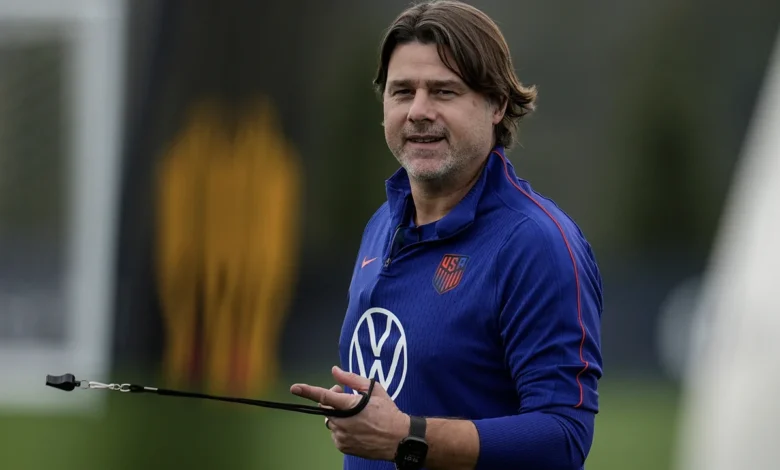
The landscape at Old Trafford has shifted once again following the dismissal of Michael Carrick on November 12, 2026, marking yet another chapter of instability in Manchester United’s turbulent post-Ferguson era. With the club languishing in 18th place in the Premier League—having secured only one victory in their opening ten fixtures—the hierarchy is actively pursuing former Chelsea and Tottenham manager Mauricio Pochettino. As negotiations intensify, club legend Gary Neville has issued a stark warning to the Argentine tactician: demand structural and financial guarantees or risk professional suicide.
A Critical Juncture for Manchester United
The current predicament at Manchester United is statistically unprecedented. With 19 goals conceded in just ten matches, the team’s defensive frailty has become a defining characteristic of their season. To put this in perspective, their defensive record is currently worse than that of 14th-placed Ipswich Town and only marginally better than the league’s bottom-dwellers, Crystal Palace. The defensive rotation utilized by the coaching staff in the recent 4-4 draw against Aston Villa—featuring Diogo Dalot, Leny Yoro, Ayden Heaven, and Noussair Mazraoui—has drawn sharp criticism from pundits and fans alike, with many describing it as one of the most porous backlines to represent the club in the Premier League era.
Gary Neville, speaking on his The Overlap platform, emphasized that any manager stepping into this environment must act with extreme caution. "If I were Pochettino, I would be looking for every possible way to protect myself," Neville stated. His advice centers on two specific demands: a robust compensation clause to hedge against the volatility of the club’s leadership, and a firm commitment to defensive reinforcements during the January transfer window. Neville stressed that unless the board provides a written guarantee for a minimum transfer budget for both the winter market and the following summer, the project is doomed to fail.
The Search for Stability: A Chronological Overview
The pursuit of Mauricio Pochettino is not a new development for the Manchester United hierarchy. The club’s flirtation with the Argentine has been a recurring theme since the departure of Sir Alex Ferguson. In 2022, the club held extensive talks with Pochettino before ultimately selecting Erik ten Hag to lead the reconstruction. According to reports from Sky Sports, this current negotiation represents the fourth time the club has engaged in formal discussions regarding his appointment.
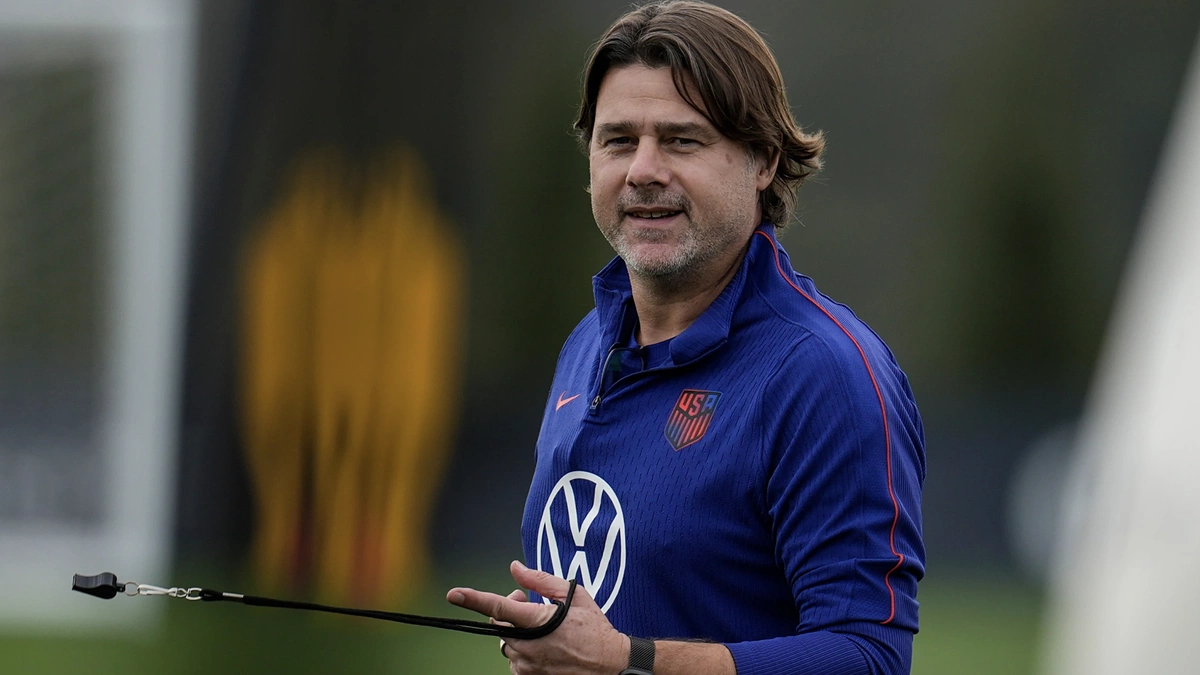
The timeline of the current crisis is as follows:
- August 2026: Following a lackluster pre-season, pressure mounts on the coaching staff.
- October 2026: Manchester United hits a nadir, failing to secure points against bottom-half rivals, plummeting into the relegation zone.
- November 8, 2026: The defensive collapse in the 4-4 draw against Aston Villa signals to the board that immediate change is necessary.
- November 12, 2026: Michael Carrick is officially dismissed from his managerial duties.
- November 13, 2026: Reports emerge confirming that Manchester United has reached a verbal agreement with Pochettino, pending the finalization of his exit from the United States Men’s National Team (USMNT) role.
The Scholes Perspective: Power and Authority
While Neville focuses on defensive recruitment, Paul Scholes has voiced concerns regarding the broader power structure at Old Trafford. Writing for The Good, The Bad & The Football podcast, the former midfielder argued that the primary issue is not just the manager, but the dilution of executive authority. Scholes maintains that the current setup, which sees Sporting Director Jason Wilcox and Chief Executive Officer Omar Berrada exerting significant influence over recruitment, prevents the manager from building a cohesive team.
"The only way I would go to this club is if I were guaranteed the right to sign the players I want," Scholes asserted. He lamented the lack of decisiveness during the previous summer transfer window, suggesting that the current management team—comprising Carrick, Wilcox, and Berrada—failed to implement a ruthless cull of players who were clearly not of the standard required to compete for titles. Scholes advocates for a return to the "Ferguson model," where the manager is the final authority on personnel, ensuring that those in the dressing room are committed to a unified tactical vision.
Financial Implications and Contractual Complexity
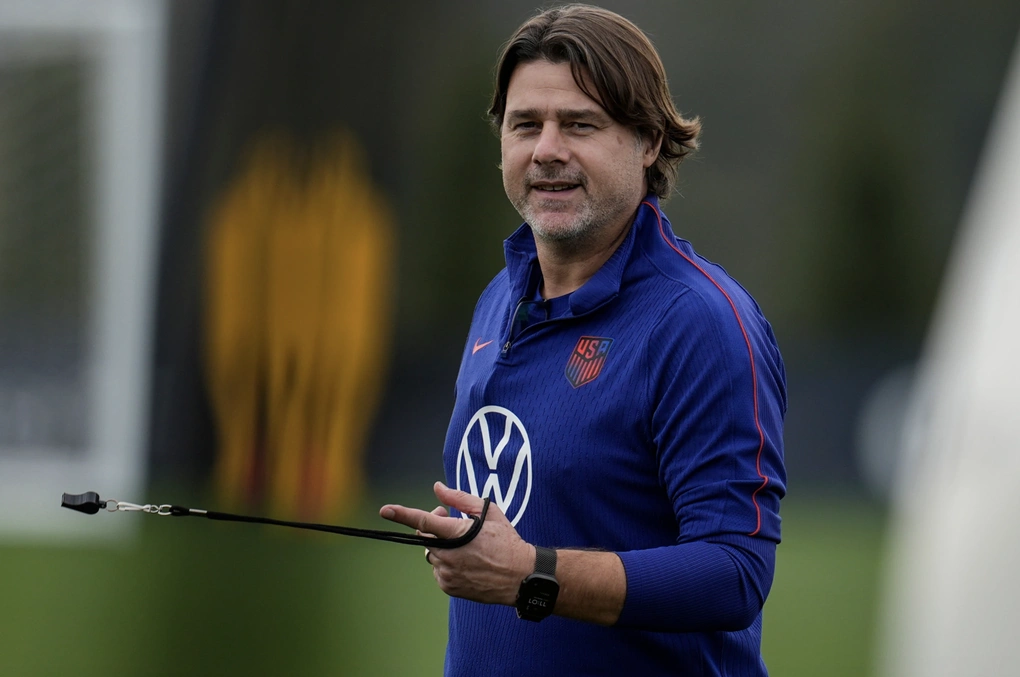
The transition to a new manager carries a significant financial weight. Manchester United has already incurred over $13 million in compensation payments to cover the termination of contracts for the previous staff, including Michael Carrick and his immediate team. Bringing in Pochettino, who recently signed a contract with the USMNT following the 2026 World Cup, adds a layer of complexity. While United could have secured him for free during the summer, their hesitation has now forced them into a position where they must navigate a release clause and potential compensation to the US Soccer Federation.
Sources indicate that the club is prepared to accept a transition period where Pochettino continues to manage the USMNT for the duration of the current international break, allowing him to oversee upcoming CONCACAF Nations League fixtures against Haiti. While this allows the club to secure their top target, it leaves the incoming manager with very little time to prepare for his Premier League debut, which is slated to be a high-stakes away clash against Liverpool on November 22.
Broader Implications for the Club
The decision to hire Pochettino is a calculated risk. He brings a wealth of experience from his time at Southampton, Tottenham, and Chelsea, and he is widely regarded as a coach who can develop young talent. However, the culture at Old Trafford has proven difficult for even the most seasoned managers to navigate.
If Pochettino accepts the role, he will be tasked with three immediate objectives:
- Defensive Stabilization: He must identify and secure at least two high-caliber defenders in January to rectify the current defensive crisis.
- Squad Rationalization: He needs the support of the board to clear out deadwood and players who do not fit his high-pressing, intense style of play.
- Cultural Alignment: He must establish a working relationship with the executive team that allows for clarity in recruitment, avoiding the confusion that hampered his predecessors.
The stakes could not be higher. Manchester United is a club in the midst of a structural identity crisis, and the appointment of a new manager is only the first step. As the club sits dangerously close to the bottom of the table, the supporters are demanding not just a new face in the dugout, but a fundamental change in the philosophy that has led the club to its current state of disarray. Whether the board is willing to grant the level of control that Neville and Scholes advocate for remains the critical, unanswered question. For now, the eyes of the footballing world remain fixed on Manchester, waiting to see if Pochettino can navigate the most challenging assignment of his career.