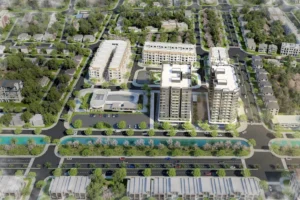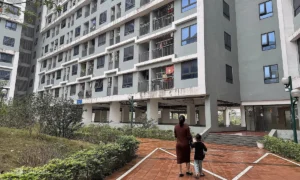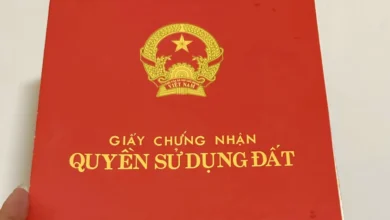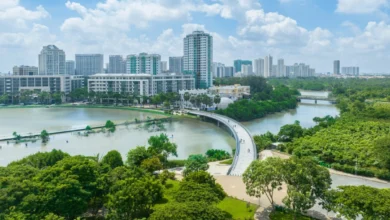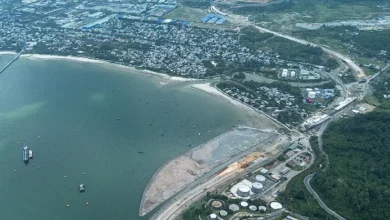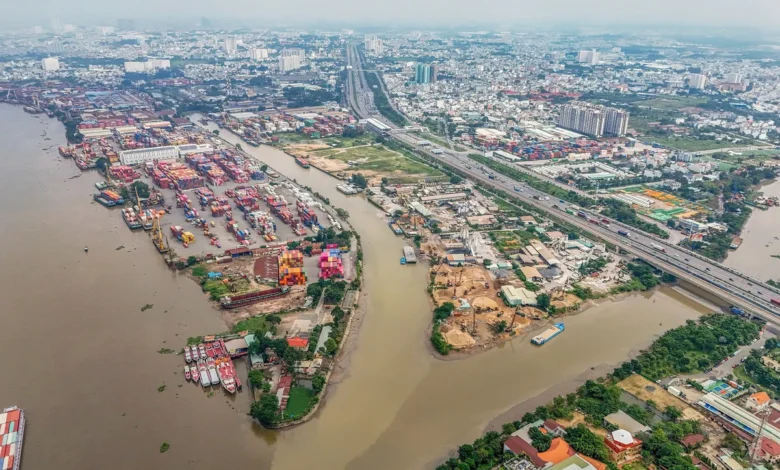
Ho Chi Minh City has officially ratified a strategic plan to integrate six prime land parcels, covering a total area of nearly 445 hectares, into its comprehensive public bidding list for the 2026-2027 period. This move, approved by the Ho Chi Minh City People’s Committee, represents a calculated effort to optimize land-use efficiency, accelerate urban infrastructure development, and stimulate the city’s broader economic growth. By transitioning toward transparent, competitive bidding processes, the city aims to attract high-caliber investors capable of delivering large-scale, sustainable projects that align with the metropolis’s long-term master plan for 2026-2030.
Strategic Selection and Distribution of Land Assets
The list of six designated areas reflects a diversified approach to urban development, encompassing residential, commercial, and renewable energy sectors. These projects are set to undergo competitive bidding, with a standard execution period of 180 days for the selection process.
The designated sites are categorized as follows:
- Urban and Residential Development:
- The An Son II urban development area in Thuan An ward (75 hectares).
- The North Vung Tau urban development site in Phuoc Thang ward (60 hectares).
- The new residential area in Tam Binh ward (22.4 hectares).
- Renewable Energy and Infrastructure:
- The Bau Bang 1 solar power plant in Tra Van Tho commune (186 hectares).
- The Bau Bang 2 solar power plant in Tra Van Tho commune (100 hectares).
- A consolidated school facility in Tan Hung ward (approximately 0.91 hectares).
These projects are not merely isolated land releases; they are integral components of a larger strategy to address the city’s evolving needs. The inclusion of solar power projects, in particular, signals the city’s commitment to the national transition toward greener energy sources, balancing industrial growth with environmental responsibility.
Chronology and Legislative Framework
The approval of this list on October 30 marks a critical milestone in the city’s administrative roadmap. Following this ratification, the relevant departments are tasked with conducting thorough on-site inspections to ensure land management compliance.
The process follows a strict regulatory framework. For sites partially managed by state agencies, the city mandates that the bidding process must cover the entire area to ensure unified development. This rigorous oversight is designed to prevent fragmented land use and to ensure that the eventual project developers adhere to the public interest guidelines mandated by the state. The municipal government has emphasized that land recovery and subsequent leasing will be executed with maximum transparency to minimize potential disputes and maximize the socio-economic benefits for the public.
Broader Context: The 2026-2030 Investment Drive
This initiative is part of a significantly larger effort by Ho Chi Minh City to revitalize its investment landscape. Over the next five years, the city plans to call for private investment in approximately 250 distinct projects across nine primary sectors, including industrial zones, transportation, logistics, healthcare, education, and social housing.
Of these, the housing and urban development category remains a priority, with 98 projects currently in the pipeline. By focusing on these specific sectors, the municipal government hopes to alleviate the pressure on existing infrastructure and provide adequate facilities for its rapidly growing population. The total scale of this investment drive is intended to serve as a cornerstone for the city’s economic resilience through the end of the decade.
Economic Implications and Land Resource Optimization
A key motivation behind this initiative is the optimization of land value. By implementing a systematic auction and bidding process, the city is moving away from direct allocation methods that have historically been criticized for lacking transparency or failing to capture true market value.
Financial analysts note that this approach serves two purposes: first, it ensures that the most qualified and financially stable investors are selected for urban development; and second, it generates substantial non-tax revenue for the city budget. These funds are vital for financing the massive infrastructure projects currently under construction, such as new metro lines, ring roads, and flood control systems, which are essential for maintaining the city’s status as a major regional economic hub.
Official Stance and Governance Requirements
Government officials have reiterated that the bidding process will be conducted with strict adherence to the Land Law. Before any project reaches the bidding stage, the city will conduct a comprehensive audit of the land’s current status. This includes identifying any existing legal encumbrances, clarifying ownership rights, and ensuring that the land is free of disputes.
The mandate that projects involving state-owned land be auctioned as a single block is intended to prevent the "cherry-picking" of prime plots, ensuring that the development of the entire parcel—including necessary public amenities—is guaranteed. This policy reflects a shift toward more holistic urban planning, where the developer is responsible for the integrated delivery of the project, including infrastructure connectivity and environmental mitigation.
Challenges and Future Outlook
While the plan is ambitious, analysts suggest that the success of these 445 hectares will depend on market conditions between 2026 and 2027. Potential investors will likely scrutinize the regulatory requirements, land clearance progress, and the speed of administrative procedures.
To mitigate risks, the city is actively working on improving the "Ease of Doing Business" index within the region. By streamlining the land-use bidding process, the municipal government aims to reduce the "time-to-market" for these projects. Furthermore, the focus on sustainable projects like the Bau Bang solar plants indicates that the city is aligning its development goals with international standards for Environmental, Social, and Governance (ESG) criteria, which is expected to attract more foreign direct investment (FDI).
Conclusion
The decision to auction these six land parcels is a significant step toward transforming Ho Chi Minh City’s urban landscape. By providing clear, actionable opportunities for private sector involvement, the city is setting a precedent for how public land can be used to drive systemic growth. The success of these initial projects in 2026-2027 will likely set the tone for the city’s broader 250-project development agenda. As the city continues to navigate the complexities of urban expansion, the emphasis on transparency, legal compliance, and strategic infrastructure investment will remain the primary drivers of its sustainable progress. The coming months will be critical as the city prepares the technical documentation and regulatory documentation necessary to launch these tenders, marking the start of a new chapter in the city’s development narrative.