Israel launches first major ground operation in Gaza after more than a year of relative calm.

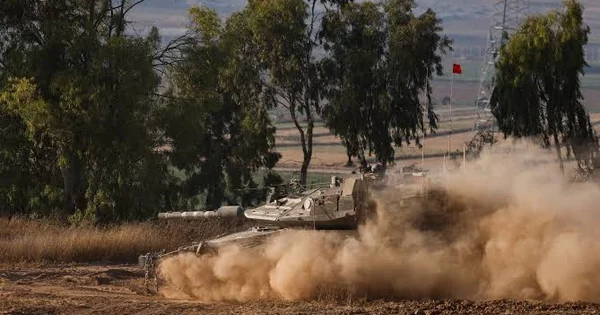
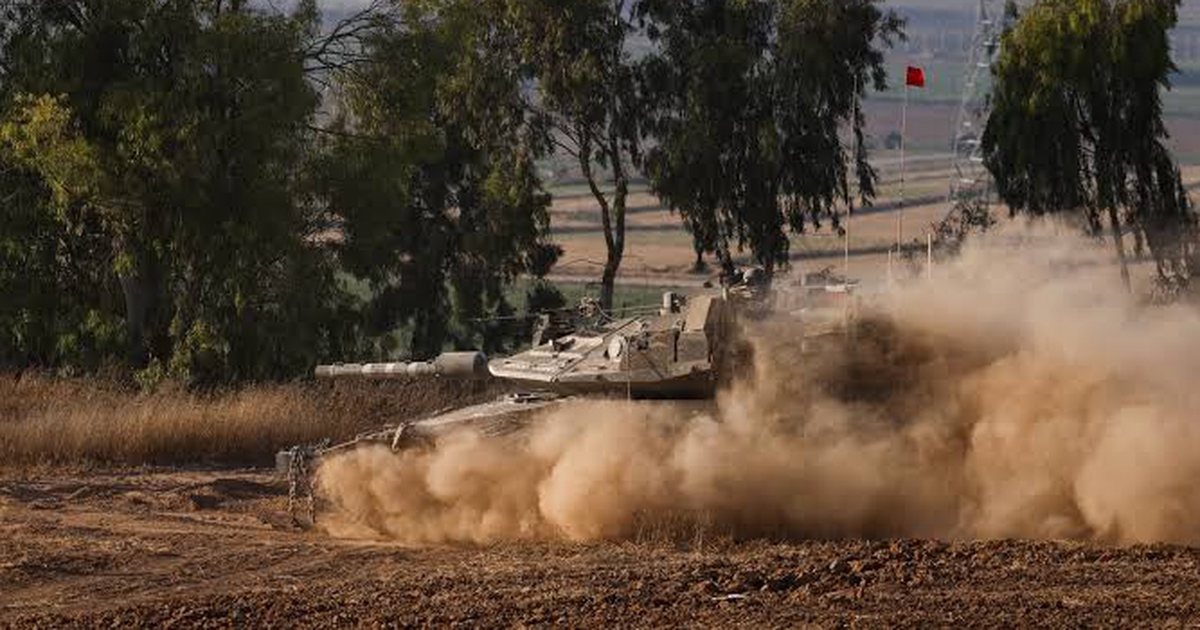
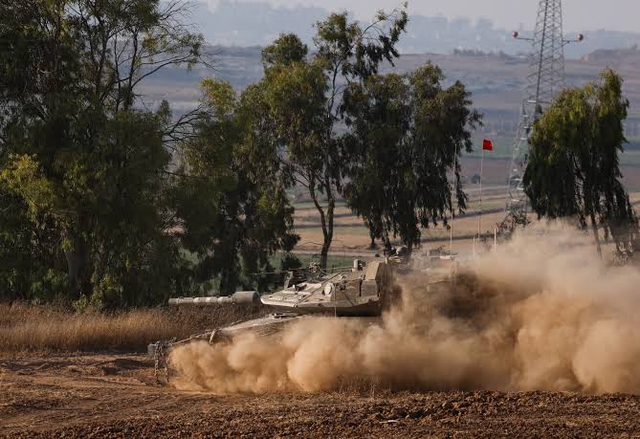
The military landscape in the Gaza Strip witnessed a significant shift on November 18, 2026, as Israeli armored units advanced into central regions of the territory. This maneuver marks the most substantial ground offensive conducted by the Israel Defense Forces (IDF) since the implementation of a US-brokered ceasefire agreement that had largely contained large-scale combat operations for over twelve months. The movement of tanks along the critical Salahudeen Road, which bisects the coastal enclave, signals a departure from the localized skirmishes that have characterized the region throughout the past year.
The Tactical Shift on the Ground
Eyewitness reports and verified ground movements confirm that Israeli armor penetrated the western sections of the Gaza Strip on Monday, effectively challenging the territorial control that had been maintained in the area. This push into the central corridor serves as a strategic wedge, disrupting supply lines and movement between the northern and southern sectors of the enclave.
The advancement was accompanied by a series of targeted airstrikes. Palestinian rescue services reported that an aerial bombardment near the site of the armored movement resulted in at least one fatality. Additional strikes throughout the day in Deir al-Balah and Gaza City contributed to a rising death toll, with reports confirming at least two more casualties. The intensity of these strikes suggests a coordinated effort to clear defensive positions before the arrival of mechanized infantry units.
Official Military Justification
A spokesperson for the Israel Defense Forces confirmed that the operation is designed to dismantle what the military describes as "core infrastructure" belonging to Hamas. The spokesperson stated that the mission specifically targets militant cells and logistics hubs that have been identified in the western sector of the central Gaza Strip. Furthermore, the military confirmed a simultaneous offensive operation against a lone gunman in the southern part of the territory, reflecting a multi-front pressure campaign aimed at neutralizing militant threats.
While the IDF has remained reticent regarding the specific duration or final objectives of this new phase, the deployment of heavy armor suggests a desire to establish a more permanent security perimeter in the central corridor, potentially to prevent the movement of personnel and illicit materials between the northern and southern sectors.
Historical Context and The Fragile Ceasefire
The events of November 18 represent a critical juncture in a conflict that has persisted for over two years. Since the widespread violence that erupted on October 7, 2023, the region has been trapped in a cycle of acute humanitarian crisis and tenuous political negotiations. The ceasefire agreement reached in October 2025 had served as a necessary, if imperfect, mechanism to reduce the scale of direct military confrontation.
However, the efficacy of that agreement has been increasingly questioned. While it succeeded in preventing the resumption of total war, it failed to resolve the fundamental issues surrounding the demilitarization of the territory or the comprehensive security concerns raised by Tel Aviv. Over the past several months, the Israeli government has grown increasingly vocal about what it describes as the "regrouping and re-arming" of militant factions, particularly in areas that were previously deemed under control.

Comparative Data and Human Cost
The human toll of the conflict remains staggering. According to health officials in Gaza, at least 1,600 Palestinians have lost their lives since the inception of the ceasefire agreement, reflecting the persistence of low-intensity but lethal combat operations. In contrast, the IDF has reported the loss of five soldiers during the same period, underscoring the asymmetric nature of the ongoing engagement.
When viewed against the broader timeline of the war, these figures are additions to an already catastrophic total. Since the initial outbreak of hostilities in October 2023, which resulted in approximately 1,200 deaths in Israel, the total number of Palestinian casualties in the Gaza Strip is estimated to have surpassed 74,000. These figures, while difficult to verify independently in real-time, represent the profound scale of destruction and loss that has defined the territory since the conflict began.
Implications of the Renewed Offensive
The decision to launch a significant ground operation raises several immediate questions regarding the future of the region’s security architecture.
- Erosion of Diplomatic Channels: The collapse of the ceasefire’s operational effectiveness suggests that diplomatic efforts led by the United States and other international mediators are facing a severe crisis. If the fighting escalates, the prospect of returning to a stable, negotiated environment becomes increasingly distant.
- Shift in Military Doctrine: The move to utilize heavy armor in the central corridor indicates a shift toward a more aggressive, conventional warfare posture. This is likely intended to suppress the guerrilla-style tactics that Hamas has employed over the last year, moving away from intelligence-led surgical strikes to physical territorial control.
- Humanitarian Repercussions: The movement of tanks into densely populated areas, particularly near Deir al-Balah, poses immediate risks to the civilian population. Aid organizations have repeatedly warned that any expansion of military activity in these areas could trigger new waves of displacement, further straining an already collapsed social and medical infrastructure.
Analysis of the Strategic Standoff
Hamas has responded to the escalation by accusing Israel of deliberate sabotage of the ceasefire, claiming that the military operations are intended to provoke a full-scale return to open warfare. Conversely, the Israeli security establishment maintains that the actions are purely defensive, aimed at preventing a recurrence of the mass casualty events seen at the onset of the conflict.
The current situation is defined by a lack of trust between the belligerents. Without a clear pathway to a political resolution, both sides appear to be defaulting to military logic. For Israel, the priority remains the degradation of militant capabilities and the prevention of future infiltrations. For the local population in Gaza, the resumption of large-scale military activity marks the end of a brief, relative respite and the beginning of another period of extreme uncertainty.
As the international community watches these developments, the focus will likely turn to whether this is a limited, localized operation intended to secure a specific tactical advantage, or the beginning of a broader campaign to re-occupy and reorganize the security framework of the Gaza Strip. Given the current trajectory, the risk of miscalculation remains high, and the potential for a regional spillover continues to be a central concern for global powers.
The world now awaits further clarity from the Israeli cabinet regarding their long-term intent, while humanitarian agencies scramble to assess the impact of these new frontline shifts on the civilian population. The events of November 18 are not merely a change in tactical positions; they are a stark reminder of the fragile nature of peace in the region and the persistent, underlying tensions that threaten to engulf the area once more.