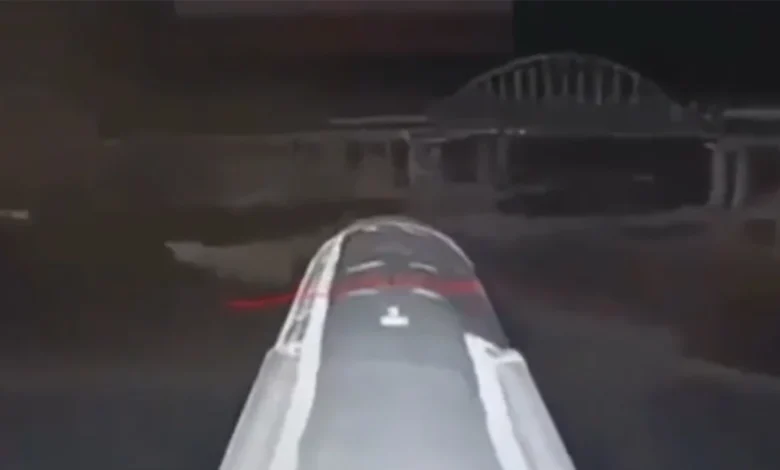
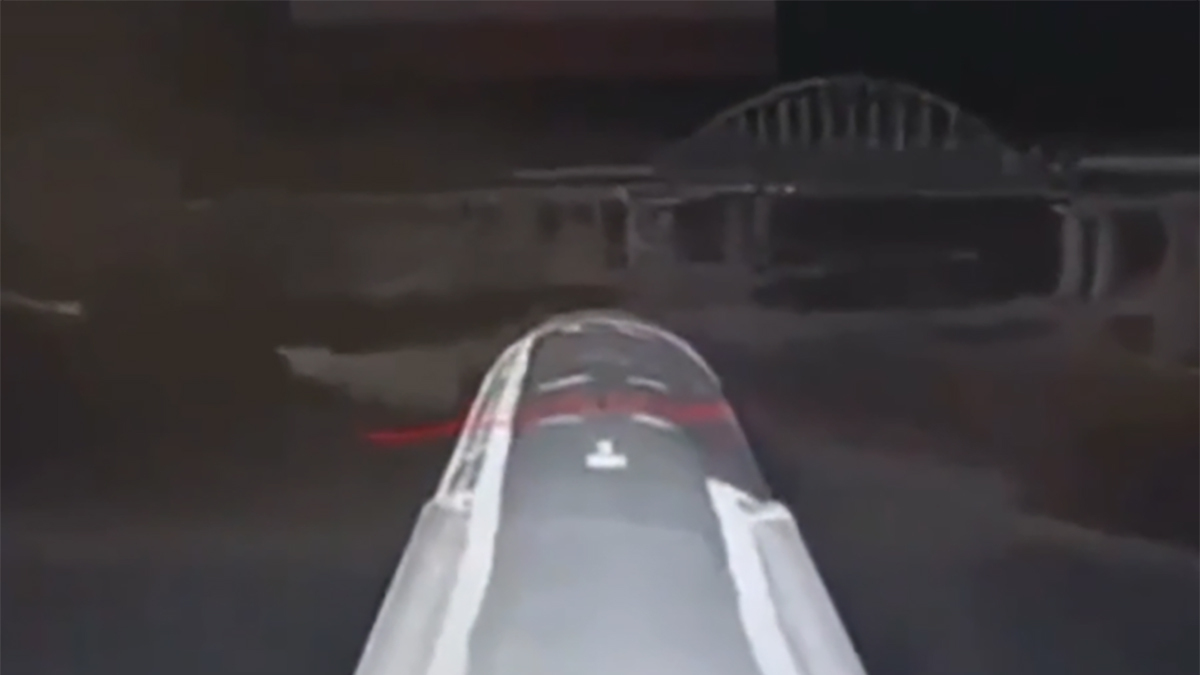
The strategic campaign against the Kerch Strait Bridge, a critical artery connecting the Russian mainland to the Crimean Peninsula, has entered a new phase of technological sophistication. On November 17, President Volodymyr Zelensky provided an unprecedented glimpse into the arsenal currently being deployed against this vital infrastructure. While the Ukrainian government has emphasized that the majority of these systems are domestically manufactured, the campaign increasingly relies on a hybrid approach—integrating indigenous innovation with specialized international aerospace technology.
The Strategic Significance of the Kerch Bridge
The Kerch Strait Bridge serves as the primary logistical corridor for the Russian military occupation of southern Ukraine. Since the onset of the full-scale invasion, the structure has been the target of multiple high-profile sabotage and aerial operations. For Kyiv, disabling this bridge is not merely a tactical objective but a strategic necessity, aimed at severing the flow of armor, fuel, and personnel to the front lines in Kherson and Zaporizhzhia. By increasing the frequency and complexity of these strikes, Ukraine seeks to force Moscow to rely on more vulnerable maritime and rail routes, thereby stretching Russian logistical capabilities to their breaking point.
A Hybrid Arsenal: The Role of International and Domestic Tech
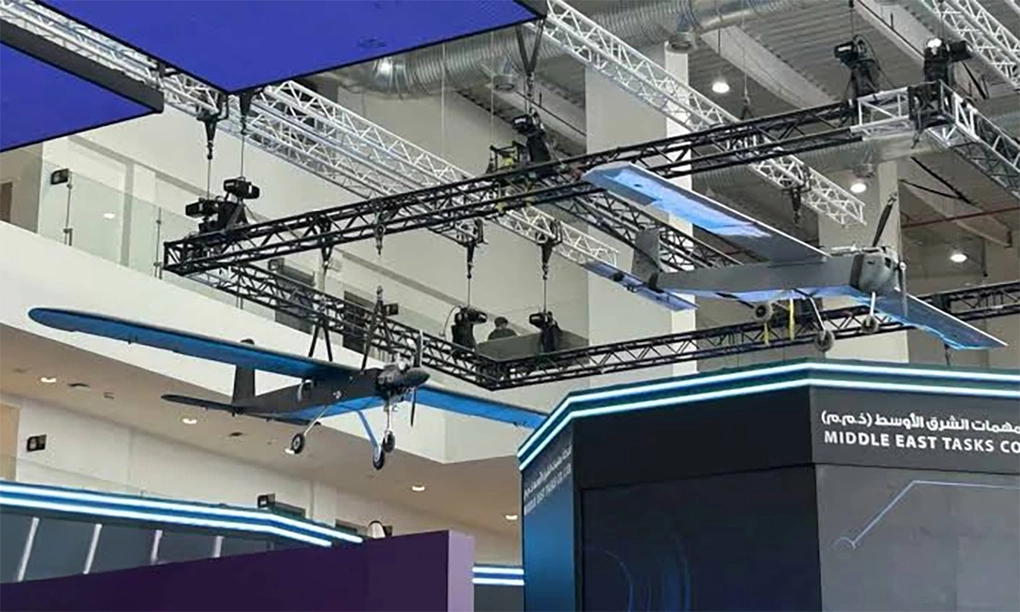
While President Zelensky asserted that the weapons employed in the recent wave of strikes were "made in Ukraine," detailed analysis reveals a complex supply chain involving foreign expertise. Specifically, the long-range cruise missile "Ruta" and the long-range reconnaissance drone "Da Vinci" have been linked to Destinus, a company with headquarters in the Netherlands.
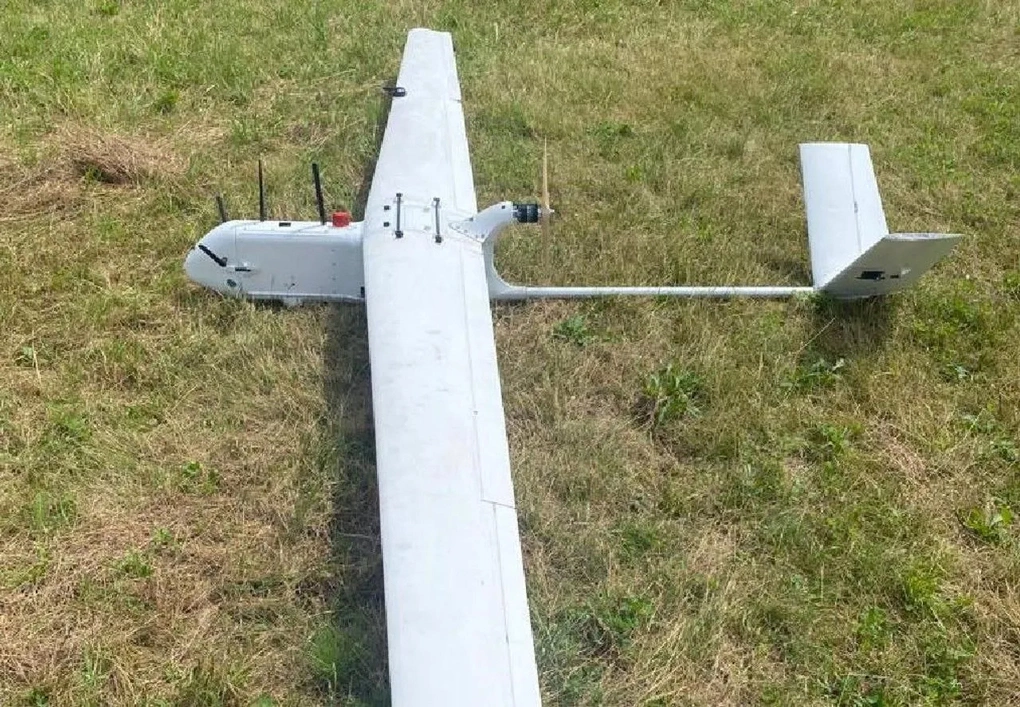
Destinus has confirmed that the Da Vinci drone is an operational variant of its "Lord" fixed-wing UAV platform. Capable of striking targets up to 1,000 kilometers away with a payload ranging from 40 to 100 kilograms, the Da Vinci is designed to operate in high-interference environments, specifically utilizing advanced electronic counter-countermeasures to bypass Russian air defense jammers.
The Ruta cruise missile represents another facet of this strategy. Designed for cost-efficiency, the missile utilizes a sophisticated navigation suite, including inertial guidance, satellite correction, and an electro-optical terminal seeker for precision engagement. By flying at low altitudes and hugging terrain features, the Ruta is engineered to minimize the radar signature detected by Russian S-400 and Pantsir-S1 batteries. Destinus notes that the Ruta comes in three blocks: Block 1 (300 km range, 150 kg warhead), Block 2 (700 km range, 250 kg warhead), and the advanced Block 3 (up to 1,500 km range).
Chronology and Operational Evolution
The deployment of these systems marks a significant evolution from the early stages of the war. In 2022, Ukraine relied heavily on repurposed Soviet-era hardware and limited Western-supplied munitions. By 2024, the strategy shifted toward rapid prototyping and domestic production.
- Early 2024: Intelligence reports suggested that the first Ruta missiles were being delivered to Ukrainian units.
- July 2024: Russian military bloggers published imagery of wreckage consistent with the design of a Ruta Block 1 missile, confirming its presence on the battlefield.
- August 2024: Ukraine officially unveiled the "Palianytsia," a unique drone-missile hybrid with a 650-kilometer range and speeds reaching 900 km/h, marking a departure from reliance on foreign-manufactured long-range strike capabilities.
- November 2026: A coordinated strike involving over 100 projectiles, including Neptune variants, FP-1, and Flamingo missiles, demonstrated the ability to overwhelm dense air defense clusters surrounding the Crimean bridge.
Diverse Systems for Complex Missions
The Ukrainian campaign is characterized by the use of "swarm" tactics, where multiple types of unmanned systems are deployed simultaneously to confuse air defense operators. Among the most notable is the Dovbush T-10, a multi-role UAV capable of conducting reconnaissance, direct strikes, and cargo delivery. Thomas Newdick, an analyst with the military publication The War Zone, notes that the versatility of the Dovbush allows it to act as both a spotter and an effector, enabling real-time adjustments during complex operations.
Complementing this is the "Sichen" long-range drone, which bears a striking resemblance to the Iranian-made Shahed-136. With a 1,400-kilometer range and a 40-kilogram warhead, the Sichen is designed to strike high-value, static infrastructure. Furthermore, the MICH-2000, developed by the Security Service of Ukraine (SBU) based on commercial Chinese designs, provides a low-cost, high-volume strike capability that forces the Russian military to expend expensive surface-to-air interceptors on relatively inexpensive decoys.
The Flamingo Factor: High-Impact Strikes
Perhaps the most potent weapon in the recent inventory is the FP-5 "Flamingo." With a staggering range of 3,000 kilometers and a 1,150-kilogram warhead, the Flamingo is effectively a cruise missile masquerading as a drone. During the mid-November attacks, video footage captured by on-board cameras showed these projectiles navigating the final approach to the bridge. While their slow speed makes them vulnerable to interception, their sheer numbers force Russian defenses to prioritize targets, often leading to at least some units penetrating the defensive perimeter.
Strategic Implications and Analysis
The integration of these diverse platforms suggests that Ukraine is no longer reliant on single-weapon solutions. Instead, they are applying a "system-of-systems" approach. By combining the precision of the Ruta cruise missile with the disruptive capacity of the Da Vinci drone and the saturation potential of the Flamingo, Ukraine is creating an environment where Russian air defenses are consistently forced to operate under a high-intensity "jamming and saturation" scenario.
Oleksandr Danyliuk, chairman of Destinus, confirmed that seven out of nine Ruta missiles deployed in a recent window successfully struck their targets. This high success rate, if verified, indicates that the technological improvements in the guidance systems—particularly those utilizing satellite and terminal seeker inputs—are successfully mitigating the efficacy of Russian electronic warfare.
Broader Impact on the Conflict
The persistence of these attacks forces Russia to divert significant resources away from the front line to protect the bridge. This creates a strategic dilemma: either Russia concentrates its air defense assets around the bridge, leaving forward-deployed troops vulnerable to other forms of attack, or it accepts higher risks to the bridge to maintain defensive parity on the ground.
Moreover, the shift toward domestic production—exemplified by the Palianytsia and the evolution of the Neptune anti-ship missile—serves a dual purpose. It provides Ukraine with a sovereign strike capability that is not subject to the political constraints often associated with Western-supplied long-range weapons. As the conflict continues, the ability of the Ukrainian defense industry to scale the production of these systems will likely be a decisive factor in the ongoing effort to contest the Russian hold on Crimea.
In conclusion, the recent disclosure by President Zelensky highlights a maturation of the Ukrainian military-industrial complex. By blending foreign aerospace engineering with indigenous, cost-effective manufacturing, Ukraine has demonstrated that it can project power over long distances and hold critical logistical infrastructure at risk, regardless of the defensive measures implemented by occupying forces. The battle for the Kerch Strait remains a primary indicator of the war’s technological trajectory, where the side that can most effectively innovate and adapt its strike architecture is likely to gain the upper hand.